
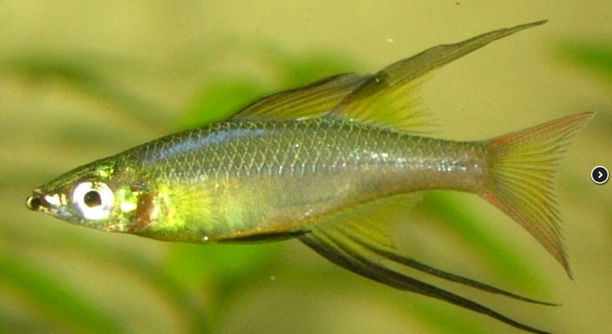
Have you ever noticed your Threadfin Rainbowfish swimming differently when the skies grow heavy with rain? These colorful fish are fascinating to watch, and many aquarists pay close attention to their seasonal routines. Their subtle shifts can be surprising.
Threadfin Rainbowfish exhibit noticeable behavioral changes during rainy seasons. Increased water flow, temperature fluctuations, and shifting food availability prompt altered swimming patterns, heightened social interactions, and more active feeding behaviors, reflecting natural adaptations to seasonal environmental conditions.
Observing these changes can help you better understand your fish and maintain a healthier, more engaging aquarium environment year-round.
Seasonal Water Changes and Their Effects
Rainy seasons bring noticeable changes in the water conditions of aquariums and natural habitats alike. Threadfin Rainbowfish are sensitive to shifts in water flow, temperature, and oxygen levels. During heavy rains, streams and rivers may rise, creating faster currents and more turbulence. These changes encourage the fish to swim more actively, testing their agility and coordination. At the same time, water temperature often drops slightly, which can affect metabolism and energy levels. Increased rainfall may also carry more organic matter into the water, influencing feeding behavior. Fish often gather in areas with calmer currents to conserve energy while still exploring for food. Observing these behaviors can provide insight into how these fish naturally respond to environmental pressures. Adjusting aquarium conditions to mimic seasonal changes can help maintain their health and activity. Watching them adapt is quietly fascinating, as their small adjustments show a clear link between environment and behavior in subtle yet measurable ways.
These water changes also affect feeding habits, making Threadfin Rainbowfish more alert and exploratory.
Recognizing these patterns is essential for aquarium care. Fish may shift their positions frequently, swim faster, or cluster in certain areas. Adjusting feeding times, maintaining oxygen levels, and monitoring water parameters can improve their wellbeing. Seasonal simulations in aquariums can help them remain active and stress-free.
Social Behavior During Rainy Seasons
Threadfin Rainbowfish often become more interactive during heavy rains.
The rainy season encourages more pronounced social behavior. Groups of fish may school more tightly, coordinating movements to navigate faster currents and stay safe. Males often display brighter colors and more frequent fin flares, possibly linked to mating instincts or dominance displays. Increased activity levels may also lead to more frequent interactions at feeding spots. Observing these changes can provide valuable insights into natural behaviors that are often less visible during stable, dry periods. This heightened social activity also has implications for tank setup. Providing extra hiding spots, balanced group sizes, and ample space helps reduce stress and aggression while promoting natural schooling behavior. Aquarists can learn from these seasonal shifts, adjusting the environment to match conditions they would experience in the wild. Monitoring these social cues ensures healthier fish, encourages natural interaction, and strengthens the overall dynamic within the tank. Paying attention to these subtle changes makes caring for Threadfin Rainbowfish more precise and rewarding.
Feeding and Activity Patterns
During rainy seasons, Threadfin Rainbowfish increase their feeding activity. They search more actively for food and may consume more than usual, responding to environmental changes and natural instincts.
These seasonal shifts in activity are linked to water flow, temperature, and food availability. Faster currents from rainfall can bring more nutrients into their environment, prompting the fish to explore more aggressively. Their metabolism may adjust slightly to accommodate these conditions, resulting in higher energy levels and more frequent movement. Aquariums that replicate these seasonal changes can encourage natural behavior, keeping the fish healthy and active. Observing their feeding patterns provides insights into their adaptability and instincts.
Understanding these activity changes helps in managing aquariums effectively. Adjusting feeding schedules, monitoring water quality, and maintaining appropriate space ensures fish remain healthy. Stress levels often decrease when environmental conditions match seasonal patterns, promoting natural growth and vibrant behavior throughout the rainy season.
Reproduction and Spawning Behavior
Threadfin Rainbowfish often show increased reproductive activity during rainy seasons, with males displaying brighter colors and more active courting behaviors.
Environmental changes from rainfall stimulate spawning. Rising water levels, cooler temperatures, and nutrient influx signal ideal conditions. Males often flare fins and chase females more frequently, establishing territories and demonstrating dominance. Spawning usually occurs in sheltered areas with dense vegetation or calm pockets of water. This behavior reflects survival instincts, ensuring offspring have higher chances of survival. Aquariums can support this by providing appropriate hiding spots, clean water, and controlled seasonal simulations. Understanding these cues allows caretakers to observe and facilitate natural reproduction.
Simulating rainy-season conditions in captivity encourages healthy reproductive behavior. Maintaining water parameters, providing vegetation for egg-laying, and managing tank dynamics reduce stress and increase successful spawning events. Observing these behaviors up close reveals the connection between environment and reproduction, highlighting the fish’s natural instincts and adaptive strategies for survival.
Stress and Adaptation
Threadfin Rainbowfish can experience mild stress during rainy seasons due to stronger currents and fluctuating water conditions. Observing their behavior helps identify stress signs, such as rapid swimming or hiding more often.
Adaptation is natural. Fish adjust their swimming patterns, feeding habits, and social interactions to cope with these changes. Over time, they become more resilient, demonstrating how environmental shifts influence behavior. Providing stable shelter and monitoring water parameters can reduce stress, supporting their health and activity.
Interaction with Tank Mates
Rainy-season behaviors can affect how Threadfin Rainbowfish interact with other fish. Increased activity and schooling tendencies may lead to more dynamic social interactions. They often swim in coordinated patterns, sometimes challenging more passive tank mates. Monitoring these interactions helps maintain harmony. Adjusting tank layout, adding hiding spots, and ensuring sufficient space reduces conflicts while supporting natural behaviors. Careful observation during seasonal simulations ensures the well-being of all species in the aquarium, helping aquarists create a balanced, stress-free environment that mirrors the fish’s natural habitat as closely as possible.
Seasonal Health Considerations
Water changes during rainy seasons can introduce bacteria or reduce oxygen levels. Regular monitoring of water quality is crucial to prevent illness and maintain strong, healthy fish.
FAQ
Do Threadfin Rainbowfish need extra food during the rainy season?
Yes, they often become more active and consume more food. Their increased swimming and social interactions demand more energy, so providing slightly more food can help them maintain health. Avoid overfeeding, as leftover food can pollute the water and affect water quality.
How can I tell if my fish are stressed by seasonal changes?
Signs include rapid swimming, hiding more than usual, loss of appetite, or unusual aggression. Monitoring their behavior closely allows you to intervene if needed. Adjusting water flow, providing hiding spots, and maintaining stable temperature helps reduce stress.
Should I change water temperature to simulate rainy seasons?
Minor adjustments can mimic natural conditions, but avoid drastic shifts. A small, gradual drop in temperature can encourage natural behaviors like increased activity and spawning. Always use a thermometer and make changes slowly to prevent shock.
Do they spawn more during the rainy season?
Yes, males often become more colorful, flare fins, and chase females more frequently. Spawning tends to occur in calm, sheltered areas with vegetation. Replicating these conditions in an aquarium can encourage natural reproduction.
How does water flow affect their behavior?
Faster currents from rain encourage swimming and schooling behaviors. They may seek calmer areas to rest while still exploring actively for food. Simulating seasonal water movement in tanks can help maintain natural activity levels and reduce boredom.
Can tank mates influence behavior during the rainy season?
Yes, increased activity can sometimes stress more passive fish. Careful observation of interactions is essential. Adding extra hiding spots and ensuring sufficient space allows all species to coexist without conflict. Adjusting group sizes and layout can support natural social patterns.
Do they need more oxygen during the rainy season?
Higher activity levels increase oxygen demand. Monitoring dissolved oxygen and ensuring proper aeration is crucial. Using air stones, filters, or surface agitation helps maintain healthy oxygen levels, preventing lethargy or health issues.
What environmental changes are most important to mimic?
Focus on slight temperature fluctuations, water flow, and shelter for hiding or spawning. These seasonal changes influence swimming, feeding, and social behavior. Properly mimicking these conditions supports physical health and natural instincts.
How often should I check water quality during seasonal shifts?
Frequent checks are important. Test parameters like pH, ammonia, nitrite, nitrate, and temperature at least twice weekly during periods of change. Consistent monitoring helps prevent stress-related illness and ensures safe conditions.
Are there signs that behavior changes are negative rather than natural?
Yes. Constant hiding, rapid erratic swimming, refusal to eat, or physical damage indicate stress or illness rather than natural seasonal adaptation. Addressing water quality, tank layout, and feeding routines helps restore balance.
Can rainy-season simulation improve overall fish health?
Yes, moderate simulation encourages natural behaviors, activity, and reproduction. Maintaining proper feeding, water quality, and social structure enhances overall wellbeing. Observing these seasonal patterns helps aquarists provide a stimulating and safe environment.
How long do these seasonal behavior changes last?
Changes usually continue throughout the rainy season period, gradually returning to normal once conditions stabilize. In aquariums, mimicking the length and intensity of seasonal shifts helps fish adapt without stress.
Is it necessary to adjust lighting during rainy-season simulations?
Minor adjustments to mimic cloudier or shorter daylight periods can support natural cycles. Keep changes subtle, maintaining overall consistency to avoid confusing the fish. Gradual transitions are key for promoting healthy behavior patterns.
Can juvenile Threadfin Rainbowfish be affected differently than adults?
Yes, juveniles may be more sensitive to water changes and stress. They often hide more and are slower to explore. Extra care with water parameters, hiding spaces, and gentle handling helps young fish adapt safely.
Do they interact differently with humans during the rainy season?
They may become more active and curious, occasionally approaching the tank front during feeding times. Observing these interactions provides insight into their natural instincts and energy levels during seasonal changes.
How can I encourage natural schooling behavior?
Provide enough space and group fish in appropriate numbers. Simulating seasonal water flow and maintaining consistent feeding schedules encourages cohesive swimming patterns, reduces aggression, and promotes healthy social interactions.
What should I avoid during seasonal simulations?
Avoid sudden temperature changes, overcrowding, overfeeding, or chemical additives. These can cause stress or illness. Gradual adjustments and careful observation ensure seasonal simulations benefit the fish rather than harm them.
Can seasonal changes affect lifespan?
Properly managed, seasonal simulations do not shorten lifespan. They can enhance natural behavior and health. Poorly managed changes, however, such as unstable water quality or stress, can negatively impact longevity. Regular care and monitoring help maintain long-term health.
Is it necessary to change tank plants during the rainy season?
Plants provide shelter, spawning sites, and improved water quality. Adding or rearranging plants can mimic natural seasonal conditions, support social behavior, and reduce stress. Healthy vegetation contributes to overall stability in the tank environment.
How do I balance simulation and consistency?
Gradual, controlled changes support natural behavior while minimizing stress. Maintain core water parameters like pH and ammonia within safe limits, while adjusting flow, temperature, and vegetation to reflect seasonal shifts. This balance promotes activity, health, and reproduction without causing shock.
Can rainy-season behavior be observed in small aquariums?
Yes, even small tanks can reflect seasonal patterns if water flow, temperature, and space are carefully managed. Close observation helps identify behavioral changes and adjust conditions to maintain natural responses and social interactions.
Do all Threadfin Rainbowfish respond the same way to seasonal changes?
Responses vary depending on age, health, and personality. Some may be more active or social, while others hide or remain cautious. Observing individual behavior helps tailor care to meet each fish’s needs.
How important is consistency in diet during seasonal changes?
Consistency in nutrition is crucial. Offer a balanced diet, even when increasing portions slightly for higher activity. Sudden diet changes can cause digestive issues, stress, or aggression. Maintaining routine feeding supports health and natural behavior.
Can observing these behaviors improve long-term aquarium management?
Yes, watching seasonal behaviors helps predict feeding needs, social interactions, and health risks. It allows aquarists to adjust conditions proactively, creating a stable and stimulating environment that promotes both survival and thriving behaviors over time.
Are there risks if seasonal behavior is ignored?
Ignoring these behaviors can lead to stress, illness, reduced reproduction, and social conflicts. Regular monitoring, appropriate feeding, and environmental adjustments reduce risks and ensure fish remain active, healthy, and display natural behavior patterns.
Do lighting and photoperiod changes affect seasonal behavior?
Subtle adjustments in daylight mimic natural cycles, supporting feeding, social, and reproductive behaviors. Gradual changes help fish adjust without stress and encourage seasonal rhythms observed in natural habitats.
Can seasonal behavior affect other species in a community tank?
Yes, more active schooling or territorial behavior may influence tank mates. Observing interactions and adjusting space or hiding spots helps maintain harmony while supporting natural seasonal behaviors of all species present.
Is it necessary to document behavior changes?
Keeping notes on behavior, feeding, and activity helps track patterns, spot stress signs, and make informed adjustments. Documentation aids in understanding fish responses over multiple seasonal cycles, improving long-term care.
How do I maintain water stability during seasonal simulations?
Monitor parameters frequently, avoid drastic shifts, and use stable filtration. Minor adjustments to temperature, flow, or aeration can replicate seasonal changes without compromising water quality, ensuring safe conditions for all fish.
Do seasonal changes affect coloration?
Males often display brighter colors during rainy-season simulations, especially when preparing to spawn. This natural enhancement indicates health and readiness for reproductive behavior, reflecting environmental influences on physiology.
Are there common mistakes aquarists make during seasonal simulations?
Overfeeding, sudden temperature changes, overcrowding, and ignoring water quality are common issues. Gradual adjustments, careful observation, and consistent monitoring help prevent mistakes and support natural behavior.
Can seasonal behavior be influenced by diet composition?
Yes, providing varied, nutrient-rich foods supports energy needs during active periods. Balanced diets enhance coloration, activity, and reproductive success, reflecting natural seasonal responses.
How do I handle aggressive behavior during seasonal changes?
Provide hiding spots, adjust group sizes, and ensure sufficient space. Minor aggression is normal during increased activity or spawning. Monitoring interactions prevents serious conflict while allowing natural behavior.
Is it normal for fish to hide more during early rainy-season simulations?
Yes, some may initially adjust to changes cautiously. Hiding allows them to conserve energy and assess new conditions. Gradual adaptation usually leads to increased activity and social interactions as they become comfortable.
Can seasonal behavior affect tank cleaning schedules?
Yes, increased activity and feeding may lead to more waste. Adjust cleaning frequency and monitor water quality closely to maintain safe conditions, supporting health and natural behavior throughout the seasonal simulation.
Are there signs that seasonal simulation is too intense?
Rapid swimming, constant hiding, refusal to eat, or aggression indicate excessive stress. Reducing flow, stabilizing temperature, or providing additional shelter helps fish recover and return to normal seasonal behavior.
Does water hardness influence seasonal behavior?
Moderate, stable water hardness supports natural activity and reproductive behavior. Sudden changes can cause stress. Maintaining consistent hardness while adjusting other parameters helps fish adapt safely to seasonal simulations.
Can observation of seasonal behavior guide future aquarium setups?
Yes, understanding how fish respond to environmental shifts informs tank design, group sizes, and vegetation placement. Replicating natural seasonal conditions supports health, activity, and reproduction, improving long-term aquarium success.
How long should seasonal simulations last in an aquarium?
Simulations should reflect natural seasonal durations. Gradual changes over weeks mimic real-world conditions. Maintaining these cycles supports natural behavior, feeding, and reproduction without causing stress or disrupting long-term health.
Is monitoring individual fish important during seasonal changes?
Yes, individual differences in response help identify stress, health issues, or aggression. Tracking behavior ensures each fish receives appropriate care and adjustments, promoting overall tank stability and wellbeing.
Can seasonal simulation affect disease susceptibility?
Properly managed simulations usually reduce stress and support immunity. Sudden or extreme changes can weaken defenses, increasing susceptibility. Maintaining stable water quality and observing behavior helps prevent health issues.
Does aquarium size impact seasonal behavior?
Smaller tanks may limit natural schooling and exploration. Larger tanks allow more space to display seasonal behaviors, reducing stress and aggression. Adjusting tank design to match environmental simulations supports natural activity patterns.
Can seasonal behavior affect compatibility with other species?
Yes, increased activity or territorial displays can affect tank mates. Monitoring interactions, providing adequate space, and adjusting group sizes ensures harmony while supporting natural behavior in all species.
How do I know if spawning is successful during the rainy season?
Observe egg-laying in sheltered areas or vegetation. Successful spawning may also include guarding behaviors by males and increased feeding in juveniles after hatching. Monitoring closely ensures the health of both adults and offspring.
Are there long-term benefits to seasonal simulation?
Yes, it encourages natural behavior, healthy growth, proper reproduction, and reduced stress. Observing these patterns allows for proactive care, improving overall fish wellbeing and creating a dynamic, engaging aquarium environment.
Do behavioral changes vary between male and female fish?
Males often show increased coloration and courtship activity, while females may become more selective and seek sheltered areas. Observing both provides insight into natural seasonal roles and ensures proper care for each gender.
Can seasonal simulation affect juvenile growth?
Yes, juveniles may grow faster when conditions mimic natural seasons due to increased activity, feeding, and environmental stimulation. Careful monitoring supports safe development and reduces stress-related health issues.
Is it necessary to adjust filtration during seasonal simulations?
Minor adjustments may help manage increased activity and waste. Ensuring adequate filtration supports water quality, oxygen levels, and overall health, helping fish adapt to seasonal conditions safely.
Do all aquariums need seasonal simulations for Threadfin Rainbowfish?
Not always, but it enhances natural behavior, reproduction, and activity. Even small adjustments to water flow, temperature, and vegetation can provide benefits without extensive modifications.
Can seasonal behavior influence aggression in mixed-species tanks?
Yes, more active schooling or territorial behavior may stress other fish. Providing adequate space, hiding spots, and observing interactions helps reduce conflicts while allowing natural behavior to occur.
Are there signs that seasonal behavior is positively influencing fish health?
Signs include active swimming, normal feeding, natural coloration, social interactions, and successful spawning. Observing these behaviors indicates that seasonal simulation is beneficial and maintaining environmental adjustments is effective.
How should I respond to unexpected behavior changes during seasonal simulation?
Assess water quality, temperature, and tank layout. Make gradual adjustments, provide shelter, and monitor interactions. Observing responses carefully allows you to restore balance while maintaining natural behavior patterns.
Can seasonal simulation improve breeding success over time?
Yes, repeated exposure to mild seasonal conditions encourages natural spawning cycles, better courtship behaviors, and improved offspring survival rates, supporting long-term reproduction in aquariums.
Do seasonal changes affect fish energy levels?
Yes, increased activity during simulated rainy periods raises energy demands. Adequate nutrition, water quality, and space help maintain high activity without causing stress or fatigue.
Are there risks of over-simulating rainy-season conditions?
Excessive water flow, sudden temperature changes, or overcrowding can stress fish, leading to illness or aggression. Gradual, controlled simulation avoids negative outcomes while encouraging natural behavior.
Can seasonal simulation be combined with other environmental enrichment?
Yes, adding plants, varied feeding routines, and subtle water movement enhances stimulation. Combining these approaches supports health, reduces stress, and encourages natural behaviors across different seasons.
How do I balance seasonal simulation with everyday aquarium maintenance?
Maintain core parameters like pH, ammonia, and filtration consistently. Adjust flow, temperature, and vegetation gradually to reflect seasonal shifts without compromising water quality or routine care. This balance supports natural behavior while ensuring safety and health.
Do fish exhibit learning behavior during seasonal simulations?
Yes, they may adapt to new feeding routines, hiding spots, or social dynamics. Observing and supporting these adaptations encourages problem-solving and natural behavior while enhancing overall wellbeing.
Is it beneficial to observe seasonal behavior visually or record it?
Recording behavior allows comparison over time, spotting trends, stress signs, or improvements. Tracking patterns provides insights into environmental adjustments, feeding strategies, and social dynamics, improving care for Threadfin Rainbowfish.
Can seasonal behavior affect mating hierarchy?
Yes, males may compete more aggressively, and dominant individuals establish territories. Understanding this hierarchy helps manage tank dynamics, reduce conflicts, and support natural breeding behaviors effectively.
Are there specific plants that encourage seasonal behavior?
Dense vegetation, floating plants, and hiding areas mimic natural habitats. These encourage exploration, provide spawning sites, reduce stress, and support social interactions, enhancing the seasonal experience for Threadfin Rainbowfish.
Do seasonal behaviors affect water clarity or cleanliness?
Increased activity and feeding may produce more waste, impacting water clarity. Monitoring and maintaining filtration, performing partial water changes, and controlling feeding help maintain a clean, healthy tank environment.
How often should I adjust seasonal simulation parameters?
Gradual weekly adjustments are ideal. This mimics natural progression without shocking fish. Sudden changes can stress them, while slow adjustments support adaptation and promote natural behavior throughout the simulated season.
Can seasonal simulation help reduce disease outbreaks?
Yes, when managed correctly. Stable water quality, adequate oxygenation, and proper feeding reduce stress and support immunity, lowering the risk of disease. Observing behavior helps identify early signs of health issues for prompt intervention.
Do fish show memory of seasonal simulations?
Yes, they can anticipate feeding, spawning, or environmental changes. Consistent simulation helps establish predictable patterns, promoting natural rhythms and reducing stress through familiarity with environmental cues.
Can seasonal simulations affect fish coloration year-round?
Yes, natural seasonal changes, especially during breeding or rainy periods, enhance coloration. Bright colors indicate health and readiness for reproduction, reflecting proper care and environmental management.
Is there a difference between wild and captive fish in seasonal responses?
Wild fish often show more pronounced seasonal behavior due to natural environmental cues. Captive fish may require careful simulation to mimic these changes and trigger similar activity, feeding, and reproductive patterns.
Can seasonal behavior indicate overall tank health?
Yes, active, social, and feeding fish reflect a balanced environment. Behavioral changes can signal water quality issues, stress, or other problems. Observing these patterns helps maintain long-term aquarium health and stability.
Do seasonal simulations require specialized equipment?
Not necessarily. Basic tools like adjustable heaters, filters, aeration devices, and plants are sufficient. The key is gradual, controlled changes rather than expensive or complex equipment.
How important is tank size for effective seasonal simulation?
Larger tanks allow more natural swimming, social interaction, and space for spawning. Small tanks can simulate seasonal changes but may require careful observation to prevent stress or overcrowding.
Can seasonal simulation affect breeding cycles in captivity?
Yes, proper simulation of environmental cues like temperature, flow, and vegetation encourages natural breeding patterns, timing, and courtship behaviors, improving reproductive success in aquariums.
Are there long-term behavioral benefits to seasonal simulation?
Yes, fish become more active, social, and exhibit natural instincts, including feeding, schooling, and spawning. Regular exposure supports health, reduces stress, and maintains vitality over time.
Do seasonal behaviors differ between individual fish?
Yes, factors like age, size, and temperament influence responses. Observing each fish ensures care is tailored to their needs, supporting both individual health and overall tank dynamics.
Can seasonal simulation affect male-to-female interactions?
Yes, males may compete for attention, display more vivid coloration, and establish territories. Observing these interactions helps manage tank balance and ensures reproductive behaviors occur naturally.
Is it possible to overfeed during seasonal simulations?
Yes, increased activity may tempt overfeeding, which can pollute water and cause stress. Monitor portions carefully, ensuring fish receive enough nutrition without compromising water quality.
How do I prevent aggression during simulated rainy seasons?
Provide hiding spots, monitor social interactions, maintain appropriate group sizes, and ensure sufficient space. These steps reduce conflict while allowing natural behaviors like schooling and territorial displays.
Can seasonal simulation affect fish lifespan?
When done correctly, it supports natural behavior, reproduction, and health, potentially extending lifespan. Poorly managed changes, stress, or unstable water quality may have the opposite effect, reducing longevity.
Are there specific signs that indicate successful seasonal simulation?
Signs include active swimming, normal feeding, natural coloration, social interactions, spawning behaviors, and minimal stress. Observing these indicators confirms environmental adjustments are effective and beneficial for the fish.
Does seasonal behavior require regular observation?
Yes, consistent monitoring helps detect stress, aggression, or health issues early. Observing responses to environmental changes ensures proper care and allows timely adjustments for optimal fish wellbeing.
Can seasonal simulation improve juvenile development?
Yes, providing activity, natural cues, and balanced nutrition supports growth, socialization, and adaptability, ensuring juven
Threadfin Rainbowfish are fascinating creatures, and observing their behavior during rainy seasons can provide a lot of insight into their natural instincts. These seasonal changes affect many aspects of their daily life, including swimming patterns, feeding habits, social interactions, and even reproductive behaviors. They respond to variations in water flow, temperature, and nutrient availability, which are typical during heavy rains. Understanding these natural responses can help aquarists provide a more comfortable and stimulating environment for their fish. By watching how they adapt to changing conditions, you can learn to identify signs of stress, happiness, and overall health. Recognizing these behavioral patterns allows for adjustments to aquarium care that support the fish’s natural lifestyle and encourage activity that keeps them strong and healthy.
In addition to environmental influences, rainy seasons can also affect how Threadfin Rainbowfish interact with one another. Schooling behavior often becomes more pronounced, and males may display brighter colors and increased activity during courtship. These interactions are not only part of their social structure but also indicate a healthy, dynamic tank environment. Providing sufficient space, hiding spots, and proper group sizes is important during these periods to reduce stress and prevent aggression. Careful observation of their social behavior can reveal a lot about individual fish and their needs. Adjusting tank conditions to mimic seasonal changes supports natural instincts, feeding routines, and reproductive patterns. It also helps maintain harmony within the tank, ensuring that all fish feel secure while allowing their behaviors to remain as close to their natural habitat as possible. These subtle changes make a noticeable difference in their overall wellbeing.
Finally, seasonal changes like the rainy season offer opportunities for aquarists to refine their care techniques. Simulating natural conditions, such as slight temperature fluctuations, moderate changes in water flow, and maintaining proper oxygen levels, encourages activity, reproduction, and natural behavior. These practices are beneficial not only for adult fish but also for juveniles, as they learn social cues, improve agility, and adapt to environmental variations. Maintaining stable water quality, providing appropriate food, and monitoring interactions are essential to ensuring that seasonal simulation benefits the fish rather than causing stress. Paying attention to these details fosters a healthy and engaging aquarium that reflects the behaviors seen in wild habitats. Observing Threadfin Rainbowfish as they respond to seasonal changes offers a deeper appreciation of their adaptability and resilience, while also guiding practical steps for maintaining a thriving aquatic environment year-round.

Hello,
If you enjoy the content that we create, please consider saying a "Thank You!" by leaving a tip.
Every little bit helps us continue crafting quality advice that supports the health, happiness, and well-being of pets around the world, for pets of all shapes, sizes, and species.
We really appreciate the kindness and support that you show us!