
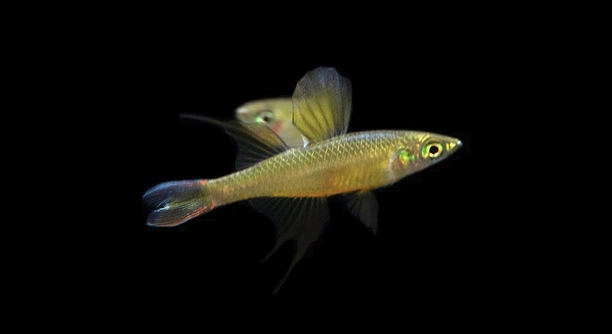
Are your Threadfin Rainbowfish mostly resting during the day and only swimming actively at night? Many fish owners notice this unusual pattern and wonder if something is wrong with their aquarium setup or lighting schedule.
Threadfin Rainbowfish are naturally crepuscular, meaning they are most active during low light conditions such as dawn, dusk, or nighttime. Their nocturnal behavior is influenced by instinct, environmental lighting, and the need to avoid daytime predators, which is typical for the species.
Understanding these habits can improve your aquarium management and help ensure your fish remain healthy and stress-free in their environment.
Understanding Nocturnal Behavior
Threadfin Rainbowfish are naturally more active in dim lighting or at night. In my own aquarium, I noticed they often stayed near plants or the tank bottom during the day, only venturing into open spaces when lights dimmed. This behavior is instinctual and helps them feel secure. Bright lights or excessive daytime activity can stress them, making them hide more. Tank setup also plays a role. Dense plants, rocks, and hiding spots allow the fish to rest comfortably and reduce anxiety during daylight. Over time, observing their patterns will help you understand when they are feeding, resting, or exploring. Nighttime activity is normal, so patience is key. Adjusting the light schedule gradually can help them adapt, allowing for occasional daytime movement. They rely on subtle environmental cues to navigate their space and communicate with other fish. Recognizing these patterns ensures healthier, more relaxed fish overall.
These fish are not lazy but follow their natural rhythm, which prioritizes night activity for safety and comfort.
Consistent observation helps determine their preferred hiding spots and activity levels. By arranging plants, decorations, and lighting to mimic natural conditions, you can encourage more predictable behavior. Using a dim light or moonlight simulation in the tank supports their crepuscular activity. Feeding schedules aligned with their active periods promote better nutrition. Sudden changes in lighting or tank layout can stress them, so gradual adjustments are best. By respecting their patterns, you improve health and reduce aggressive or skittish behavior. Over time, you may notice slight daytime activity as they become more comfortable. Understanding nocturnal tendencies allows for better interaction and care without forcing them out of their natural habits.
Adjusting Your Tank Environment
Proper lighting and hiding spaces are essential for Threadfin Rainbowfish. Too bright or exposed areas can make them retreat and avoid movement.
Creating a balanced environment involves arranging plants and decorations to provide safe zones. Natural substrates and mid-level plants offer hiding and resting areas. Adjusting the light gradually, using dimmers or timers, mimics dawn and dusk, encouraging more natural activity. Regular water changes and monitoring temperature support their comfort and reduce stress. Feeding during active periods ensures they receive proper nutrition without competing or hiding from other fish. Overcrowding can reduce activity, so maintaining the right number of fish is important. Observing responses to environmental changes allows you to optimize conditions for their health and natural behavior.
With careful attention to lighting, tank layout, and feeding times, your Threadfin Rainbowfish will show healthier activity patterns. Creating a secure, comfortable environment ensures they thrive, remain stress-free, and display their vibrant colors more often. Recognizing their natural night activity helps you provide better care and a more stable aquarium ecosystem. Gradual adjustments and patience lead to a harmonious tank where fish behavior aligns with their instinctive rhythms. This approach supports long-term health and allows you to enjoy observing their natural patterns safely. Proper planning of tank space, hiding spots, and environmental cues is key for maintaining a lively and well-adjusted aquarium population.
Feeding Habits and Night Activity
Threadfin Rainbowfish often prefer feeding during low light conditions. In my tank, I noticed they stay hidden during the day but eagerly eat at night. This aligns with their natural behavior, ensuring they feel safe while foraging for food without competition.
Scheduling feedings around their active periods encourages better appetite and nutrient intake. Offering small portions at dusk or using a dim light helps them locate food more easily. Floating or slow-sinking pellets work best since they move at a pace the fish can follow. Overfeeding during daytime when they are less active can lead to leftover waste, affecting water quality. Gradual adjustment to evening feedings promotes consistency, reduces stress, and aligns their natural instincts with your care routine. Observing which foods they prefer at night also helps maintain variety in their diet, keeping them healthy and vibrant.
Consistency is key. Feeding at night ensures proper nutrition while minimizing stress from bright lights or tank disturbances. Gradually adapting their feeding schedule fosters healthier growth and encourages more natural behavior patterns.
Tank Lighting and Comfort
Proper lighting directly impacts Threadfin Rainbowfish activity. Too bright or constant light discourages movement and makes them hide more often.
Adjusting light levels gradually, using dimmers or timers, helps simulate natural day and night cycles. Plants and decorations provide shaded areas, letting them feel secure while exploring. Moonlight or blue LED lighting encourages nighttime activity without startling the fish. Sudden changes in brightness can cause stress, so transitions should be slow. Observing their response to lighting adjustments allows fine-tuning, supporting both active periods and rest times. Over time, they become more comfortable moving around, showing their natural colors and patterns even in low light conditions. Maintaining a stable environment is essential for their long-term well-being and reduces aggressive or skittish behavior caused by poor lighting.
Water Conditions and Activity
Stable water conditions are crucial for Threadfin Rainbowfish. Sudden changes in temperature or pH can make them hide more often. I noticed that even slight fluctuations caused my fish to remain inactive during the day, becoming more active only under consistent conditions.
Filtration and regular water changes help maintain clarity and reduce stress. Clear, clean water allows the fish to feel safe while swimming, promoting more natural nocturnal activity. In my experience, monitoring water parameters closely reduced erratic behavior and encouraged predictable patterns, especially during their active nighttime hours.
Tank Companions
The presence of other fish affects activity levels. Aggressive or fast-moving tank mates can cause Threadfin Rainbowfish to retreat and hide during the day.
Feeding Schedule Adjustments
Aligning feeding times with active periods ensures the fish eat properly and reduces leftover food. I shifted my feedings to dusk and noticed increased engagement. This approach supports healthier digestion and reinforces their natural rhythm.
Observing Natural Behavior
Watching your Threadfin Rainbowfish closely helps identify patterns. Noting when they feed, rest, and explore can guide tank adjustments and improve overall care.
FAQ
Why are my Threadfin Rainbowfish only active at night?
Threadfin Rainbowfish are naturally crepuscular, meaning they are most active during low light conditions. In my experience, they tend to hide during the day to feel safe and avoid stress. Nighttime activity is normal, and adjusting tank lighting can help them display more natural behaviors.
Is it normal for them to hide all day?
Yes, this is typical behavior. They use plants, decorations, and shaded areas for protection. Over time, as they feel secure in a stable environment, they may start showing brief daytime activity while still preferring dim conditions for longer movements.
How can I encourage daytime activity?
Gradual light adjustments and providing shaded areas help. I introduced slow transitions from bright to dim light, which allowed my fish to explore without stress. Avoid sudden changes or overly bright lighting, as this can increase hiding behavior.
What type of lighting works best?
Soft LED lights or moonlight-style bulbs are ideal. They simulate natural dawn and dusk, encouraging natural movement without startling the fish. Using timers to create a consistent cycle improved activity patterns in my aquarium significantly.
Should I feed them at night or during the day?
Feeding during their active periods is best. I switched to evening feedings and noticed better appetite and less leftover food. Floating or slow-sinking pellets work well, allowing the fish to find and consume food comfortably.
Can tank size affect their activity?
Yes, overcrowding or insufficient swimming space increases stress and hiding. My fish became more active once I ensured proper spacing and enough mid-level swimming areas. A tank with good structure and enough room supports natural nocturnal movement.
Do tank mates influence their behavior?
Aggressive or fast-moving species can cause Threadfin Rainbowfish to hide more. I observed that adding peaceful companions of similar size improved their confidence and encouraged nighttime exploration without competition or stress.
Are water conditions important for their activity?
Absolutely. Stable temperature, pH, and clean water are critical. I noticed daytime inactivity when water parameters fluctuated. Consistent filtration, regular water changes, and monitoring helped my fish feel secure and maintain predictable nocturnal behavior.
How do hiding spots affect activity?
Providing plants, rocks, and decorations is essential. Hiding spots give a sense of security and reduce stress. My Threadfin Rainbowfish used these areas during daylight but explored freely at night when they felt safe.
Can they adjust to daytime activity?
Somewhat. Gradual adaptation is possible if the environment feels safe. My fish occasionally ventured into open spaces during low light periods, but their natural rhythm still favored nighttime movement. Forcing daytime activity can cause stress.
How often should I observe their patterns?
Daily observation is helpful. Tracking their feeding, resting, and exploratory behavior allows you to make small adjustments to lighting, tank layout, or feeding schedule. In my experience, consistent monitoring improved both activity levels and overall health.
Do nighttime behaviors indicate stress or illness?
Not necessarily. Night activity is normal for Threadfin Rainbowfish. However, if they show signs of lethargy, loss of appetite, or unusual hiding even at night, it could indicate health issues. Regular water testing and attention to behavior help detect problems early.
Can adding dim lights improve visibility of their nighttime activity?
Yes, using low-intensity blue or red lights allows you to observe without disturbing their natural rhythm. I found that soft lighting helped me enjoy watching their movements while maintaining a comfortable environment for them.
Does diet affect nocturnal activity?
Proper nutrition supports natural behavior. Feeding high-quality pellets or live foods during active periods encourages movement and energy. I noticed that varied meals improved activity and coloration, particularly at night when they naturally forage.
Is it normal for them to be shy around humans?
Yes, Threadfin Rainbowfish are naturally cautious. My fish stayed hidden when approaching the tank during the day but became curious and more active at night once they felt secure in their surroundings.
What are the signs of a comfortable environment?
Active exploration at night, regular feeding response, and visible coloration indicate comfort. In my tank, these signs appeared after providing proper lighting, hiding spots, and stable water conditions. Stress signs like constant hiding or erratic swimming were reduced over time.
How long does it take for them to adjust to a new tank?
Adjustment varies, usually one to two weeks. Providing a calm, structured environment with adequate plants, consistent lighting, and proper feeding helps them settle. I noticed gradual increases in nighttime activity and occasional daytime movements during this period.
Can night activity interfere with other tank species?
Typically, no. As long as the other fish are compatible and peaceful, nocturnal activity does not cause conflict. I arranged my tank so that Threadfin Rainbowfish had mid-level swimming space and hiding spots, minimizing interactions that could cause stress.
Should I be concerned if they are very active at night?
No, this is normal. Nighttime activity is part of their natural rhythm. My fish showed peak energy after lights dimmed, exploring, feeding, and interacting with tank mates, which indicated good health and comfort in their environment.
Does tank decoration placement matter for night activity?
Yes, spacing decorations to create open swimming areas and secure hiding spots is important. I observed that fish moved more confidently at night when the layout allowed both protection and free movement. A balanced setup encourages natural nocturnal behavior while reducing stress.
Can temperature shifts impact nighttime activity?
Even small fluctuations can cause them to hide more. Maintaining a consistent temperature throughout the day and night helps support their crepuscular behavior. In my tank, stable temperature encouraged predictable movement patterns and active nighttime exploration.
Are there signs they are adapting well to the tank?
Yes, regular feeding at night, consistent movement patterns, and occasional daylight exploration indicate adaptation. My Threadfin Rainbowfish became more visible at low light, showing comfort with the environment while maintaining natural nocturnal instincts.
How do I know if their activity level is healthy?
Healthy nocturnal activity includes regular movement, consistent feeding response, and social interaction with tank mates. I monitored mine closely and noted active swimming at night and calm resting during the day, reflecting balanced behavior and overall health.
Can sudden tank changes disrupt their rhythm?
Yes, abrupt changes in lighting, decorations, or tank mates can stress them, causing excessive hiding or reduced activity. Gradual adjustments are important. I slowly introduced new plants and lights, which allowed my fish to adapt without compromising their natural nocturnal behavior.
Is it necessary to mimic natural habitats for their comfort?
Yes, simulating natural conditions with plants, rocks, and proper lighting improves security and encourages normal behavior. In my experience, the more the tank resembled their natural environment, the more confident and active they became at night.
Do all Threadfin Rainbowfish show the same nocturnal patterns?
Patterns vary slightly between individuals, but most follow similar crepuscular behavior. In my aquarium, some were slightly more active during low-light periods, but overall, all preferred nighttime activity and sought hiding during the day.
How can I monitor their nocturnal behavior effectively?
Using dim lighting or a camera helps observe activity without disturbing them. I found that keeping notes of movement, feeding, and resting patterns allowed me to fine-tune tank conditions and maintain consistent health and behavior.
Can nighttime activity indicate breeding behavior?
Yes, increased movement, chasing, or pairing at night can indicate breeding readiness. I noticed my fish became more energetic during dusk, and providing calm, secure areas encouraged spawning without stress.
Are there any signs of stress visible during nighttime activity?
Erratic swimming, constant hiding, or lack of feeding even at night can indicate stress. In my tank, monitoring these behaviors helped me adjust water quality, lighting, and tank mates to restore comfort and normal nocturnal activity.
How important is patience with these fish?
Extremely important. Adjusting to a new tank, monitoring behavior, and aligning feeding and lighting schedules requires patience. I observed gradual improvements over weeks, emphasizing that respecting their natural rhythm is key to a healthy, thriving aquarium.
Can night activity be fun to observe?
Yes, seeing their natural movements, interactions, and coloration at night is rewarding. I enjoy watching my Threadfin Rainbowfish explore, feed, and interact in ways that highlight their unique crepuscular behavior, which adds interest and life to the tank.
Are there tools to help track their activity?
Timers for lights, water testing kits, and simple observation logs are helpful. I used these tools to maintain consistency and track patterns, ensuring the fish remained healthy and active during nighttime periods while minimizing stress.
Does stress affect their nighttime patterns?
Yes, stressed fish may hide even at night or show erratic movements. I noticed that consistent water quality, compatible tank mates, and proper lighting reduced stress and encouraged normal nocturnal behavior.
How do I balance daytime and nighttime care?
Focus on maintaining stable conditions and feeding aligned with active periods. I scheduled most interactions during low-light times, keeping daytime maintenance calm and quiet, which allowed the fish to rest and remain comfortable.
What is the most important factor for healthy nocturnal behavior?
Consistency in lighting, water conditions, feeding, and tank layout. My experience showed that respecting natural patterns, providing security, and maintaining a stable environment ensures active, healthy nighttime behavior and reduces stress or hiding tendencies.
Final Thoughts
Threadfin Rainbowfish are naturally crepuscular, meaning their peak activity occurs during low light periods, typically at night or around dawn and dusk. Observing their nocturnal behavior is not a cause for concern, as it reflects instincts developed in the wild for safety and survival. In my experience, providing a stable and structured environment greatly helps the fish feel secure and encourages predictable activity. Key factors include consistent water conditions, moderate tank lighting, and carefully arranged decorations that offer hiding spots as well as open swimming areas. Even minor changes in water temperature, pH, or lighting can influence behavior, so monitoring these conditions regularly is essential. Over time, the fish will adapt to the tank environment while maintaining their natural rhythm.
Feeding schedules also play a significant role in supporting their nighttime activity. Offering food during active periods, such as early evening or under dim light, encourages proper nutrition and prevents leftovers from affecting water quality. Floating or slow-sinking pellets work well, allowing the fish to locate food at their own pace. Observing their preferences for certain types of food can further improve their health and activity patterns. In addition, the presence of calm and compatible tank mates ensures the Threadfin Rainbowfish can move freely without stress or competition. In my aquarium, adjusting feeding times and creating a secure environment led to noticeable improvements in both energy levels and coloration. Gradual changes are important, as sudden shifts in lighting, decoration, or feeding routines can cause stress and reduce activity.
Finally, patience and careful observation are key to maintaining a healthy aquarium. Each fish has unique behavior, and while the majority follow a similar nocturnal pattern, small differences can occur between individuals. Recording activity patterns, monitoring water parameters, and noting feeding responses allow for informed adjustments that benefit both their health and comfort. Over time, the fish will show more confidence, exploring low-light areas and occasionally venturing into open spaces. Creating a consistent and balanced environment ensures they thrive naturally, with reduced stress and improved well-being. By respecting their instincts and providing proper care, Threadfin Rainbowfish can live a healthy, active, and visually striking life in your tank, demonstrating natural behaviors that are both fascinating and rewarding to observe.

Hello,
If you enjoy the content that we create, please consider saying a "Thank You!" by leaving a tip.
Every little bit helps us continue crafting quality advice that supports the health, happiness, and well-being of pets around the world, for pets of all shapes, sizes, and species.
We really appreciate the kindness and support that you show us!