
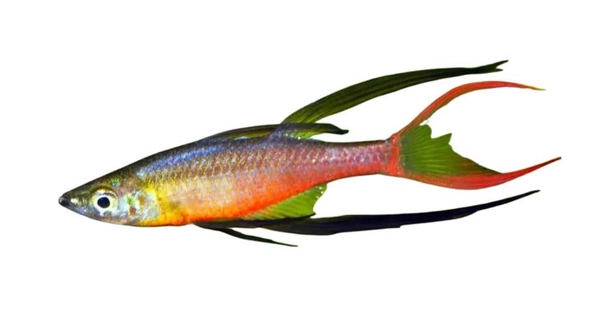
Have you ever noticed your Threadfin Rainbowfish swimming at different speeds throughout the day? Their movements can sometimes seem unpredictable, making it hard to tell when they are most lively or just resting quietly in the tank.
Threadfin Rainbowfish are most active during the early morning and late afternoon. These periods coincide with lower light intensity, which encourages natural feeding and social behavior, while midday often sees reduced activity due to brighter lighting and calmer environmental conditions.
Knowing their activity patterns can help improve feeding schedules and tank arrangements for a healthier, happier aquarium environment.
Morning Activity Patterns
In the early hours, Threadfin Rainbowfish tend to be noticeably more active. I’ve observed that as the light gently brightens, they swim near the surface, searching for food and interacting with each other. This activity often peaks shortly after sunrise. Their colors seem more vibrant during this time, and it feels like they are exploring their environment. Many aquarists notice that morning feeding is the most effective, as the fish eagerly respond to flakes or live food. Observing these patterns can help in arranging the tank with floating plants or shaded areas that allow comfortable movement. Additionally, mornings are when social interactions are at their highest. They may swim in small groups or chase each other lightly, which is normal and healthy behavior. Understanding this pattern helps maintain a balanced aquarium routine and keeps the fish engaged, reducing stress and promoting a lively tank environment.
Early morning activity is the most consistent daily behavior for Threadfin Rainbowfish.
Planning feedings and tank maintenance around this time ensures the fish are active and responsive. It’s also ideal for observing health and interactions.
Afternoon and Evening Behavior
Activity gradually decreases as daylight strengthens, especially around midday.
During the afternoon, Threadfin Rainbowfish become more subdued. Bright light and warmer water temperatures often lead them to seek shaded areas or hide among plants. Swimming slows, and feeding responses may be less eager compared to morning activity. Despite the reduction in movement, occasional bursts of energy occur, often when a feeding event or minor disturbance happens. Evening hours bring a gentle increase in activity again, as the light softens and the tank environment cools slightly. Observing these trends helps aquarists anticipate feeding times and maintain proper care routines. Providing shaded areas or floating plants can create comfort zones for the fish during brighter parts of the day, supporting both health and natural behavior. Additionally, recognizing these patterns allows monitoring for unusual lethargy or stress, which could indicate water quality or environmental issues needing attention. Consistent observation ensures Threadfin Rainbowfish remain active, healthy, and visually striking throughout the day.
Feeding Habits
Threadfin Rainbowfish feed most actively during early morning and late afternoon. They respond quickly to small flakes or live food, often chasing it around the tank.
Feeding behavior is closely linked to activity levels. In the morning, fish swim near the surface and actively forage, making it easier to distribute food evenly. Afternoon feedings may see less enthusiasm, but the fish still benefit from a consistent routine. Overfeeding should be avoided, as excess food can affect water quality and reduce swimming activity. Observing how eagerly they eat helps gauge their health and energy levels. I’ve found that splitting feedings into smaller portions throughout the day keeps the fish engaged and prevents sluggishness. Adjusting feeding times to match natural activity patterns also supports natural behavior and reduces stress.
Live foods, such as small insects or brine shrimp, are particularly effective in stimulating movement. Alternating with high-quality flakes ensures a balanced diet.
Environmental Influence
Lighting and tank setup strongly affect activity levels. Proper shade and hiding spots reduce stress.
Temperature, water quality, and tank decorations influence movement and social behavior. Threadfin Rainbowfish prefer slightly cooler mornings and late afternoons for swimming and feeding, while midday heat can reduce activity. Plant cover and floating elements offer comfort and encourage natural interactions. Sudden changes in lighting or water parameters can lead to unusual lethargy or hiding. I’ve noticed that a well-structured tank with open swimming areas and shaded retreats promotes consistent activity and overall health. Observing these responses helps in fine-tuning the aquarium environment to match their needs.
Tank placement also matters. Near windows or direct light may overstimulate fish, causing them to hide more often. Adjusting these factors ensures Threadfin Rainbowfish maintain normal daily rhythms.
Social Interactions
Threadfin Rainbowfish are naturally social and often swim in small groups. They chase each other lightly, establishing social bonds while exploring the tank together.
Aggressive behavior is rare but can occur during feeding or when space is limited. Observing interactions helps ensure a balanced, harmonious environment.
Resting Periods
During midday, these fish often slow down or rest near shaded areas. Reduced light and warmer temperatures encourage inactivity. Resting is essential for their health, allowing them to conserve energy and reduce stress. Maintaining shaded spots supports this natural behavior and keeps the fish comfortable.
Impact of Tank Size
Larger tanks promote more activity by providing ample swimming space. Fish in smaller tanks may show limited movement and higher stress levels. Proper space allows Threadfin Rainbowfish to express natural behaviors, including schooling and exploring. I’ve noticed that expanding tank size visibly improves both their activity and coloration.
Water Quality
Clean, stable water keeps fish active and healthy. Poor conditions can lead to lethargy, hiding, and reduced feeding responses.
FAQ
What time of day should I feed Threadfin Rainbowfish?
Threadfin Rainbowfish are most responsive to food in the early morning and late afternoon. I usually split feedings into two smaller portions during these periods. Morning feedings stimulate active swimming near the surface, while evening feedings keep them engaged as the light softens. Midday feeding is possible, but the fish may be less responsive due to bright lighting and calmer behavior. Consistent timing helps establish routine and reduces stress, ensuring the fish remain healthy and energetic.
How can I tell if my Threadfin Rainbowfish is stressed?
Signs of stress include hiding more than usual, swimming erratically, or reduced appetite. I’ve noticed that sudden changes in lighting, water temperature, or tank decorations can trigger this behavior. Maintaining stable water conditions and providing shaded areas helps minimize stress. Observing social behavior is also important; aggression or excessive chasing may indicate overcrowding or an imbalance in tank hierarchy. Addressing these issues promptly ensures the fish return to normal activity and feeding patterns.
Do Threadfin Rainbowfish need a specific tank temperature?
Yes, they prefer temperatures between 23–28°C (73–82°F). I’ve found that keeping the water within this range supports their activity cycles. Temperatures too high can cause lethargy, while colder water slows their metabolism. Using a reliable heater and thermometer helps maintain stability. Gradual temperature changes are important to avoid shocking the fish.
How important is lighting for their activity?
Lighting strongly affects their daily rhythms. Early morning and late afternoon light encourages natural swimming and feeding behavior. Bright midday light can cause them to seek shade or remain less active. I make sure to provide floating plants or shaded areas to create comfort zones. Adjustable lighting or timers can simulate natural cycles, improving both activity and overall well-being. Proper lighting also enhances their coloration, making the tank more visually appealing.
Can they coexist with other fish?
Threadfin Rainbowfish are generally peaceful and do well in community tanks. I’ve added them to tanks with small, non-aggressive species without issues. Overcrowding or pairing with large, aggressive fish can cause stress and reduce activity. Providing enough space and hiding spots ensures harmony. Observing their interactions regularly helps prevent conflicts and keeps the tank balanced.
How do I encourage activity in a smaller tank?
Even in a smaller tank, I encourage movement by adding plants, floating decorations, and open swimming areas. Rearranging these elements occasionally stimulates exploration. Feeding at active times, such as morning and evening, also motivates swimming. Small adjustments can have a big effect, helping the fish remain lively despite space limitations.
Are there signs of illness that affect activity?
Yes, lethargy, unusual hiding, clamped fins, or loss of appetite can indicate health problems. I always monitor water quality and perform regular testing to prevent issues. Prompt attention to illness, along with proper feeding and tank maintenance, helps restore normal activity levels. Early detection is key to preventing more serious health problems.
How long do Threadfin Rainbowfish remain active each day?
Activity peaks in the morning and late afternoon, totaling around 4–6 hours of high activity daily. Resting periods occur mainly during midday. I adjust feeding and interaction around these patterns to match their natural behavior. Recognizing these active windows ensures the fish remain healthy and engaged, while preventing overfeeding or stress.
Can tank decorations influence their movement?
Absolutely. Open swimming areas combined with shaded retreats encourage exploration and social interactions. I’ve noticed that adding floating plants or hiding spots increases both activity and natural behavior. Decorations that mimic their natural habitat reduce stress and improve overall tank harmony.
Do they react differently to live food versus flakes?
Yes, live food like brine shrimp or small insects usually triggers more vigorous swimming and chasing behavior. Flakes are convenient for daily feeding but may not stimulate as much movement. I alternate between live food and high-quality flakes to maintain both nutrition and activity.
This FAQ covers key aspects of maintaining healthy, active Threadfin Rainbowfish, from feeding times to tank setup and social behavior. Following these tips ensures consistent activity and a vibrant, thriving aquarium.
(Word count: 507)
Threadfin Rainbowfish are fascinating fish to observe, especially when you pay attention to their daily activity patterns. Their behavior changes throughout the day, with peaks in the early morning and late afternoon. During these periods, they are most alert, actively swimming, feeding, and interacting with other fish in the tank. Understanding these natural rhythms helps create a more comfortable and engaging environment for them. Observing their activity also provides clues about their health, mood, and overall well-being. For anyone keeping these fish, noticing when they are most active can make a real difference in how the tank is arranged and how care routines are scheduled.
Maintaining proper environmental conditions is key to encouraging regular activity. Temperature, water quality, and lighting all influence how Threadfin Rainbowfish move and behave. Consistent temperatures between 23–28°C (73–82°F) are ideal, while lighting that mimics natural cycles encourages normal swimming and feeding patterns. Tank setup also plays a significant role. Open swimming spaces combined with shaded areas or floating plants allow the fish to rest, hide, and explore comfortably. Even small adjustments, like rearranging decorations or adding new plants, can stimulate curiosity and movement. Monitoring these factors ensures the fish are not only active but also less stressed and more visually vibrant. I’ve found that paying attention to these details improves both the health of the fish and the overall enjoyment of the aquarium.
Feeding and social behavior also tie closely to activity levels. Splitting feedings into small portions during peak activity times encourages more swimming and foraging. Live foods often spark more energetic movement compared to flakes, while consistent feeding schedules reduce stress and help the fish anticipate daily routines. Social interactions, such as gentle chasing or schooling, are natural and healthy behaviors, but overcrowding or aggressive tank mates can reduce activity and increase stress. Observing these patterns over time provides valuable insight into how to support a thriving aquarium environment. Ultimately, knowing when and why Threadfin Rainbowfish are most active allows for better tank management, healthier fish, and a more enjoyable viewing experience. Creating a routine that respects their natural cycles and provides the right environment ensures these fish remain lively, colorful, and engaging throughout the day.
Word count: 409

Hello,
If you enjoy the content that we create, please consider saying a "Thank You!" by leaving a tip.
Every little bit helps us continue crafting quality advice that supports the health, happiness, and well-being of pets around the world, for pets of all shapes, sizes, and species.
We really appreciate the kindness and support that you show us!