
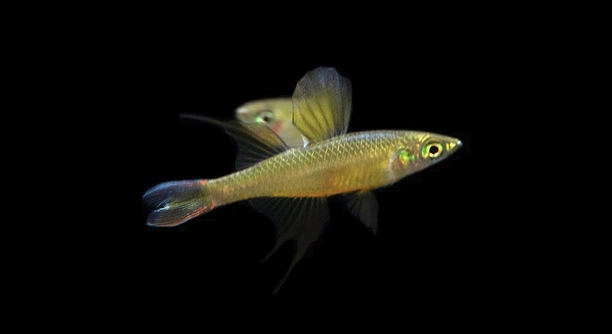
Do you ever find yourself watching your threadfin rainbowfish swim gracefully and wishing they would come closer to you? Training them to eat from your hand can be a rewarding and calming experience for any aquarist.
The most effective method to train threadfin rainbowfish involves gradual habituation and consistent feeding routines. Begin by offering food near your hand, allowing the fish to approach naturally, and progressively encourage direct hand-feeding over several sessions to build trust.
Understanding this process ensures a smoother interaction between you and your fish. Mastering these techniques can transform ordinary feeding into a more personal and engaging experience.
Preparing Your Tank for Hand-Feeding
Before beginning hand-feeding, it is essential to create a comfortable environment for your threadfin rainbowfish. Ensure the tank is clean, with stable water temperature and pH levels. Remove decorations that may obstruct your approach or make the fish nervous. Position yourself at the tank’s edge in a calm and quiet manner to avoid startling them. Use slow, deliberate movements while introducing your hand. Begin by placing a small amount of food near your hand so the fish can associate your presence with feeding. Consistency in timing and location helps them adjust faster. Observing their behavior closely allows you to identify when they are ready to approach. Patience is key; some fish may take days while others weeks to adapt. Avoid sudden hand movements, which can trigger fear responses. Over time, your fish will feel secure enough to feed directly from your hand, establishing trust through repetition and gentle interaction.
Starting with short, calm sessions encourages fish to gradually approach your hand without stress or hesitation.
Careful preparation ensures a smoother transition to hand-feeding. By monitoring water conditions, positioning yourself appropriately, and introducing food near your hand, the fish learn to connect your presence with positive experiences. Repeated, consistent sessions create an environment of trust, making the fish more willing to engage and eat directly from your hand. Avoid rushing the process, as forcing interactions may create fear. Observing subtle cues like fin movement, swimming patterns, and approach speed can indicate readiness. Using minimal distractions around the tank helps maintain focus and reduces stress. Consistency in session timing strengthens routine and predictability, which is critical for species like threadfin rainbowfish. As trust develops, fish will respond quickly to hand movements and feeding gestures. By combining patience, repetition, and careful observation, hand-feeding can become an enjoyable and rewarding practice, enhancing your bond and providing mental stimulation for the fish.
Choosing the Right Food
Start with small, high-quality flakes or micro-pellets suitable for rainbowfish.
Selecting appropriate food ensures the fish associate hand-feeding with positive nutrition. Feed items should float or sink slowly to give them time to approach, and vary diet occasionally to maintain health and interest.
Gradual Approach Techniques
Begin by holding food slightly away from your hand to let the fish approach on their own. Move slowly and steadily, avoiding sudden gestures that may startle them. Consistency in placement helps them understand where food comes from.
Once the fish are comfortable near your hand, reduce the distance gradually until they can take food directly from your fingers. Offer small portions to prevent competition and ensure each fish has a chance to feed. Observe their reactions carefully; some may be hesitant at first. Repeat short daily sessions, maintaining calm movements and steady rhythm. Avoid rushing the process, as forcing the interaction may cause stress. Over several days, fish will start recognizing your hand as a safe feeding source. Maintaining a predictable routine encourages confidence and reduces anxiety, making hand-feeding a positive and rewarding experience for both you and the fish.
Consistency is crucial. Daily practice, careful observation, and slow progression build trust, making the fish more willing to eat from your hand. Regular sessions reinforce familiarity and create a reliable feeding routine.
Encouraging Multiple Fish to Feed
Offer food in small, separate portions to prevent aggression and ensure even access for all fish. Observe how they respond and adjust accordingly.
When feeding multiple threadfin rainbowfish, spacing your hand slowly across the tank allows each fish to approach without feeling threatened. Avoid crowding, as excessive movement or overfeeding can cause competition and stress. Feeding in calm, controlled sessions helps establish order and reduces tension among the group. Watch for dominant fish that may try to monopolize the food and gently guide them away if necessary. Using multiple small portions encourages participation from shy fish and helps maintain balance. Repeating this process consistently allows all fish to learn the hand-feeding routine while minimizing conflict, creating a calm and engaging feeding environment.
Maintaining patience and careful portioning ensures that every fish receives food while reinforcing trust in your presence during hand-feeding. Observing their behavior improves your approach and strengthens their comfort level.
Maintaining Consistency
Feed your threadfin rainbowfish at the same time each day to build routine. Consistent timing helps them anticipate hand-feeding and reduces anxiety during sessions.
Keep your movements and gestures uniform each session. Predictable actions make the fish more comfortable and willing to approach your hand.
Observing Fish Behavior
Pay attention to signs of stress or hesitation, such as darting away or hiding. Adjust your approach if needed to maintain a calm environment.
Regular observation allows you to understand each fish’s personality and readiness. Some may take longer to feel comfortable, and recognizing subtle cues ensures a positive feeding experience.
Cleaning After Feeding
Remove leftover food promptly to prevent water contamination. Clean the tank surfaces gently to maintain a healthy environment.
Keeping the tank clean preserves water quality and prevents unwanted algae or bacterial growth that can affect fish health.
FAQ
How long does it take for threadfin rainbowfish to eat from my hand?
The time frame varies depending on the individual fish and their comfort level with humans. Some may begin taking food within a few days of consistent sessions, while others may take two to three weeks. Patience and repetition are essential. Frequent, calm interactions will help the fish build trust gradually. Avoid forcing food directly onto their mouths, as this can cause fear. Observing subtle signs of curiosity, like swimming closer or following your hand, indicates they are ready. Consistency in timing and small portions helps maintain progress.
Can all threadfin rainbowfish be trained to eat from a hand?
Most can, but temperament differs among individuals. Some fish are naturally bolder and approach quickly, while shy or nervous fish may take longer to adapt. Ensuring a calm environment and predictable routines improves success. Avoid sudden movements or loud noises near the tank. Giving shy fish extra time and space allows them to feel secure. Separating overly dominant fish during feeding sessions can also encourage hesitant fish to engage. Gradual habituation and observation are key factors for successful hand-feeding across multiple individuals.
What type of food should I use for hand-feeding?
Small flakes, micro-pellets, or frozen foods that float or sink slowly work best. They allow the fish time to approach and take food from your hand. Avoid large or hard pieces that may cause stress. Using high-quality food ensures nutrition while maintaining interest. Varying the diet occasionally helps prevent boredom and supports overall health. Introducing new foods gradually ensures the fish accept them without hesitation. Portioning small amounts reduces competition among fish and keeps sessions controlled. Maintaining consistency with type and size of food aids in training success.
How do I prevent multiple fish from fighting over hand-fed food?
Feed small portions spread across the tank to reduce competition. Dominant fish can monopolize food if not monitored. Observing behavior helps you separate aggressive individuals temporarily. Gradually introducing hand-feeding sessions for groups ensures all fish have equal access. Using multiple feeding points or slightly altering hand positions allows shyer fish to participate. Avoid overfeeding, as this can increase tension. Calm, controlled sessions help reinforce positive interactions. Creating a routine and distributing food evenly encourages participation while minimizing conflict.
What signs indicate my fish are stressed during hand-feeding?
Stress may show as darting away, hiding, or fin clamping. Reluctance to approach food or freezing in place can also indicate discomfort. Adjust your approach if these behaviors appear. Reducing hand movement, feeding smaller portions, or breaking sessions into shorter periods can help. Monitoring water quality and tank conditions also reduces stress triggers. Gradually reintroducing hand-feeding after a pause may be necessary. Observing subtle cues ensures fish remain comfortable and receptive. Patience and gentle handling are essential to maintaining a calm feeding environment.
How often should I practice hand-feeding?
Daily, short sessions of five to ten minutes are ideal. Consistency builds trust and familiarity. Avoid overly long sessions, which can stress fish or cause overfeeding. Repeating the routine at the same time each day reinforces positive association with your hand. Monitor reactions closely to ensure fish remain relaxed and responsive. Adjust the frequency if necessary to match their comfort level, gradually increasing engagement as they grow more confident.
Can hand-feeding affect fish health?
Yes, improper handling, overfeeding, or poor water quality can negatively impact health. Using small portions, monitoring water parameters, and maintaining hygiene prevent issues. Hand-feeding itself is safe if done correctly. Gradual introduction and consistent routines support both mental stimulation and physical well-being. Avoid using hands that have soap or lotion residues, as chemicals can harm fish. Maintaining a healthy feeding routine strengthens trust while ensuring fish remain healthy.
What should I do if my fish refuses to eat from my hand?
Pause and give them space. Some fish require more time to feel comfortable. Start by offering food near your hand without forcing it. Observe for subtle signs of curiosity. Gradually decrease the distance over several sessions. Ensure tank conditions are optimal and movements are slow. Patience and gentle repetition will often encourage reluctant fish to participate. Avoid forcing interactions, as this can create fear and set back progress.
Is hand-feeding suitable for all tank setups?
Hand-feeding works best in calm, adequately sized tanks with stable water conditions. Overcrowded or turbulent tanks can make fish nervous. Clear visibility and limited distractions improve success. Ensure the tank has minimal hiding obstructions during initial sessions. Gradually reintroduce decorations as fish become comfortable. Controlled, predictable environments help build trust and encourage hand-feeding behaviors effectively.
Can hand-feeding improve the bond with my fish?
Yes, consistent, calm interactions create familiarity and reduce fear. Fish learn to associate your hand with positive experiences, enhancing engagement. This process can improve observation opportunities and provide mental stimulation. Careful, gentle sessions reinforce trust, making daily interactions more enjoyable for both you and the fish. Regular practice encourages them to approach confidently and eat directly from your hand, creating a more interactive and rewarding relationship.
Final Thoughts
Training threadfin rainbowfish to eat from your hand can be a fulfilling and calming experience. The process requires patience, consistency, and careful observation, but the results are worth the effort. By creating a predictable environment and introducing food gradually, the fish learn to associate your presence with positive experiences. Over time, what begins as cautious curiosity can develop into confident and relaxed behavior, allowing them to approach and take food directly from your hand. Each fish adapts at its own pace, so remaining patient and attentive is key. For some, it may take only a few days, while others may require several weeks. Consistency in the timing, method, and type of food helps the fish recognize a routine and feel more secure. Avoid rushing or forcing interactions, as this can lead to stress and fear, which can undo progress and make the fish wary of hand-feeding. Observing their subtle movements, such as fin positioning, swimming patterns, and approach distance, provides clues about readiness and comfort levels. Small adjustments in your approach can make a significant difference, ensuring the fish remain relaxed and willing to participate.
Maintaining a clean, stable, and calm tank environment is essential throughout the hand-feeding process. Water quality, temperature, and pH levels should remain within the recommended ranges for threadfin rainbowfish, as any sudden changes can increase stress and discourage interaction. Providing sufficient space and minimal distractions encourages the fish to focus on the food and your hand. Careful portioning also prevents competition and ensures that each fish has a chance to feed without stress. When working with multiple fish, it is important to monitor their behavior closely. Dominant or aggressive fish can prevent shy individuals from approaching, so spacing out the portions or gently redirecting dominant fish may be necessary. Over time, consistent practice and observation allow all fish to participate comfortably. Regularly assessing their reactions and adjusting your techniques helps maintain a positive experience and reinforces trust. Using high-quality food appropriate for their size and diet ensures they remain healthy while responding positively to hand-feeding sessions.
The benefits of hand-feeding extend beyond just feeding time. It encourages interaction, improves observation skills, and provides mental stimulation for the fish. These sessions create a stronger connection between you and your fish, making their behavior easier to understand and anticipate. In addition, carefully managed hand-feeding contributes to overall well-being by reducing stress and promoting confidence. While it requires patience and attention to detail, the experience can be highly rewarding, transforming routine feeding into a meaningful activity. Over time, the fish develop recognition and trust, approaching your hand without hesitation and creating a more engaging and enjoyable relationship. Whether working with one fish or a group, the key is consistency, patience, and careful observation, ensuring that the process remains calm, safe, and positive. This approach allows both you and the fish to benefit from hand-feeding, strengthening trust while fostering a more interactive and harmonious tank environment.

Hello,
If you enjoy the content that we create, please consider saying a "Thank You!" by leaving a tip.
Every little bit helps us continue crafting quality advice that supports the health, happiness, and well-being of pets around the world, for pets of all shapes, sizes, and species.
We really appreciate the kindness and support that you show us!