
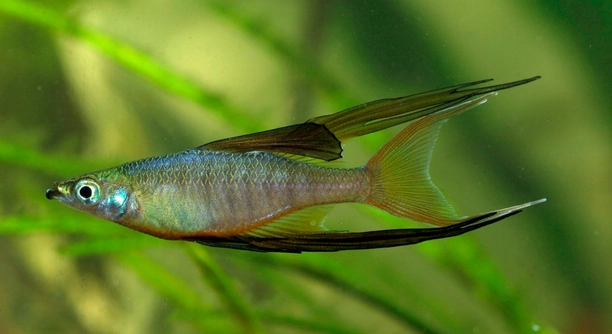
Do you ever find yourself noticing that your Threadfin Rainbowfish seem less lively than usual, leaving you worried about their overall well-being? These delicate fish often show subtle signs when something in their environment is not right.
The main reason Threadfin Rainbowfish appear unhappy is due to stress caused by poor water conditions, inadequate diet, or lack of proper tank setup. Addressing these issues quickly ensures their health, vibrancy, and long-term comfort.
Understanding the small changes that impact their behavior will help you restore balance, support their delicate nature, and create a thriving aquatic environment.
Check and Improve Water Quality
When your Threadfin Rainbowfish seem unhappy, water quality is usually the first thing to look at. These fish thrive in stable, clean water with specific parameters that closely mimic their natural habitat. Poor water quality can quickly cause stress, dull colors, and reduced activity. Regularly testing the water for ammonia, nitrites, nitrates, and pH ensures the tank remains safe. Weekly partial water changes help maintain balance while preventing harmful build-up. A good filtration system is also key, as it keeps the water oxygenated and clear. Paying attention to temperature is equally important since sudden changes can lead to health issues. Threadfin Rainbowfish prefer warm water, so a heater with a reliable thermostat helps keep things consistent. Monitoring these factors may feel routine, but it makes a noticeable difference in their comfort. Clean, stable water gives them the environment they need to display natural behavior and vibrant colors.
Stable conditions reduce stress and support their immune system, making them less prone to illness. Keeping water quality consistent is one of the simplest ways to improve their overall mood and health quickly.
Small adjustments to temperature, pH, and cleanliness can lead to visible improvements. Healthy water makes your Threadfin Rainbowfish livelier, more colorful, and more likely to thrive.
Provide the Right Tank Setup
Tank setup matters more than many realize. Threadfin Rainbowfish need plenty of swimming space as well as areas for rest and shelter. A small, bare tank can cause stress and discourage natural behavior, while a properly arranged space supports their happiness. These fish are also known for their active yet peaceful temperament, so a well-decorated tank helps them feel secure without crowding their movement. Live plants, soft lighting, and gentle water flow create an environment that closely resembles their native waters. Adding driftwood, rocks, or leafy plants also provides cover while keeping the tank visually appealing. They are shoaling fish, so keeping them in small groups prevents loneliness and encourages interaction. When their surroundings match their natural needs, Threadfin Rainbowfish become more confident and display brighter colors.
A balanced setup not only improves their mood but also promotes healthy swimming patterns. Creating this environment reduces stress and helps them adapt better.
By focusing on space, plants, and gentle water flow, you create a safe and natural home. This ensures your Threadfin Rainbowfish stay healthy, active, and display their most stunning appearance every day.
Maintain a Balanced Diet
Feeding Threadfin Rainbowfish the right diet keeps them healthy and active. A mix of high-quality flakes, small pellets, and live or frozen foods ensures they receive proper nutrients for growth, energy, and vibrant colors.
Variety is especially important since relying only on one type of food can lead to deficiencies. Supplementing their meals with live foods such as daphnia, brine shrimp, or micro worms helps mimic their natural feeding habits. These options encourage natural hunting behavior, which reduces boredom. Feeding small amounts twice daily prevents waste and keeps water cleaner. Overfeeding should be avoided because it causes digestive issues and poor tank conditions.
Including both plant-based and protein-rich foods supports their immune system while enhancing their natural beauty. Balanced meals make Threadfin Rainbowfish more resilient to stress and illness. Paying attention to feeding routines improves their mood and allows them to thrive in a healthier, stable environment.
Avoid Overcrowding
Too many fish in one tank causes stress and competition for resources. Threadfin Rainbowfish are peaceful shoaling fish, but overcrowding makes them anxious. Space allows them to swim freely, display natural behavior, and interact comfortably with their group.
A tank that is too full leads to quick pollution, reduced oxygen levels, and more frequent conflicts among tank mates. Providing at least a 20-gallon tank for a small group helps them feel secure. It also allows plants and decorations to be arranged without restricting movement. Choosing tank mates carefully is equally important since aggressive species make Threadfin Rainbowfish nervous. A balanced tank population creates harmony and prevents unnecessary stress.
By avoiding overcrowding, you protect their health and happiness. A spacious tank keeps water conditions stable, reduces tension, and encourages their natural shoaling behavior. This approach allows Threadfin Rainbowfish to remain active, colorful, and stress-free in their environment.
Reduce Stress Factors
Sudden noises, frequent tapping on the glass, or harsh lighting can make Threadfin Rainbowfish uneasy. Calmer surroundings with soft lighting and minimal disturbance encourage natural swimming patterns and reduce unnecessary stress on these sensitive fish.
Consistent routines also help them feel safe. Feeding at the same times and maintaining steady light cycles create a predictable environment. These small adjustments make them more relaxed and confident in their tank.
Keep an Eye on Tank Mates
Threadfin Rainbowfish do best with peaceful species. Aggressive or overly active tank mates can frighten them, causing hiding or reduced activity. Ideal companions include other small rainbowfish, rasboras, or tetras. Choosing compatible species avoids conflict and encourages comfortable shoaling. Giving them gentle company ensures less stress and healthier interactions overall.
Observe Behavior Regularly
Noticing changes in swimming, appetite, or coloration helps detect issues early. Regular observation ensures quick adjustments, keeping Threadfin Rainbowfish healthy, active, and comfortable in their environment.
FAQ
How often should I change the water for Threadfin Rainbowfish?
Partial water changes should be done weekly, typically around 25-30% of the tank volume. This helps remove excess waste, maintain stable water parameters, and prevent ammonia or nitrate buildup. Smaller, consistent changes are better than large, infrequent ones, which can stress the fish. Using dechlorinated or treated water ensures their environment stays safe. Monitoring water temperature and pH during changes also prevents sudden shocks, keeping them healthy and active.
What is the ideal water temperature for Threadfin Rainbowfish?
Threadfin Rainbowfish prefer water temperatures between 74°F and 82°F (23°C to 28°C). Keeping the tank within this range helps maintain their metabolism, immunity, and color. Sudden drops or spikes can lead to stress or illness, so a reliable heater with a thermostat is recommended. Regular monitoring allows you to adjust if the ambient room temperature fluctuates. Consistent warmth encourages natural swimming behavior and overall vitality, making them more resilient to minor tank disturbances.
Can I keep Threadfin Rainbowfish with other species?
Yes, but tank mates must be peaceful and similar in size. Aggressive or territorial fish can stress Threadfin Rainbowfish, causing hiding, dull colors, or reduced appetite. Good companions include small rainbowfish, rasboras, tetras, and Corydoras catfish. Avoid larger, predatory, or highly active fish. Providing enough space, plants, and hiding spots minimizes competition and allows harmonious interactions. A balanced community tank encourages natural shoaling behavior and makes your fish appear healthier and more confident.
What should I feed my Threadfin Rainbowfish?
A varied diet is best. High-quality flakes or small pellets provide basic nutrition, while live or frozen foods like brine shrimp, daphnia, or micro worms promote natural feeding behaviors. Offering both plant-based and protein-rich foods supports immune function, growth, and vibrant colors. Feed small amounts two to three times a day to prevent overfeeding and maintain water quality. Rotating food types keeps them interested and reduces the risk of nutritional deficiencies over time.
How can I tell if my Threadfin Rainbowfish is stressed?
Signs of stress include hiding, clamped fins, loss of color, erratic swimming, or reduced appetite. Stress can result from poor water quality, aggressive tank mates, overcrowding, or sudden changes in lighting or temperature. Observing their behavior daily helps detect early issues, allowing quick corrections. Stress management improves health, prevents disease, and encourages natural activity patterns, which keeps them lively and colorful in the long term.
Do Threadfin Rainbowfish need a heater in the tank?
Yes, a heater is recommended to maintain a stable, warm environment. These fish thrive in tropical temperatures, and fluctuations can weaken immunity and cause illness. Using a reliable heater with a thermostat ensures gradual and consistent heating. Sudden temperature changes should be avoided, as they can shock the fish. Maintaining steady warmth promotes healthy feeding, swimming, and coloration while reducing stress and supporting long-term well-being.
How many Threadfin Rainbowfish should I keep together?
These fish are shoaling species and should be kept in groups of at least six. Small groups can lead to loneliness and increased stress, while larger groups encourage natural behavior and social interaction. Adequate space is essential, so a larger tank is necessary for bigger groups. Proper group size helps maintain mental stimulation, reduces aggression, and allows them to display their vibrant colors more consistently.
Can poor lighting affect Threadfin Rainbowfish health?
Yes, harsh or inconsistent lighting can stress the fish, causing them to hide or lose color. Soft, moderate lighting that mimics their natural environment works best. A consistent day-night cycle helps regulate feeding and activity patterns. Using dimmers or floating plants can reduce excessive brightness. Proper lighting not only improves mood but also supports plant growth if you have live plants in the tank, creating a balanced ecosystem.
What plants or decorations are best for Threadfin Rainbowfish?
Live or artificial plants, driftwood, and rocks provide hiding spots and help reduce stress. They prefer open swimming areas combined with shaded regions. Avoid overcrowding the tank, as it limits movement and increases tension. Plants can also help maintain water quality by absorbing nitrates and offering surfaces for beneficial bacteria. Strategic decoration enhances natural behavior, making your fish more active and confident in their environment.
How do I prevent disease in Threadfin Rainbowfish?
Maintaining clean water, balanced nutrition, and proper tank mates is key. Quarantining new fish before adding them reduces the risk of introducing pathogens. Observing behavior daily allows early detection of illness. Keeping stress low and providing a stable environment supports immunity. Regular tank maintenance, filtration, and partial water changes prevent common problems like fin rot or ich. Healthy conditions encourage longevity and vibrant coloration while minimizing medical interventions.
What is the lifespan of Threadfin Rainbowfish?
With proper care, these fish can live up to 5–8 years. Their lifespan depends on water quality, diet, tank size, and stress management. Consistent monitoring and proactive care, including stable conditions and varied nutrition, improve longevity. Longevity also reflects the overall health of the tank environment and the effectiveness of daily routines.
Can Threadfin Rainbowfish breed in a home aquarium?
Yes, they can, but they need specific conditions such as slightly acidic to neutral water, a separate breeding tank, and suitable spawning plants or mops. Maintaining stable water temperature and quality encourages successful breeding. Fry require small live foods or specialized diets for proper growth. Breeding can be rewarding but requires careful planning to ensure the health of both adults and offspring.
Is it normal for Threadfin Rainbowfish to jump out of the tank?
Jumping can occur if the tank is stressful, water quality is poor, or there is a sudden disturbance. Always use a secure lid to prevent accidents. Minimizing stress factors, keeping water stable, and providing adequate space reduces the likelihood of jumping behavior. Observing daily activity helps identify triggers and maintain safety.
How do I introduce new fish to a Threadfin Rainbowfish tank?
Quarantine new fish for at least two weeks before introduction. Gradually acclimate them to the tank’s temperature and water parameters to avoid shock. Slow, careful introductions prevent aggression and stress. Monitoring interactions during the first days ensures harmony. Proper introduction protects the health and mood of both new and existing fish.
Can Threadfin Rainbowfish tolerate different pH levels?
They prefer slightly acidic to neutral water, around 6.5 to 7.5. Sudden pH changes can stress or harm them. Regular monitoring and gradual adjustments maintain stability. Buffering the water with natural substrates or products helps achieve the ideal range. Stable pH supports digestion, activity, and vibrant coloration.
Are Threadfin Rainbowfish sensitive to chemicals in the water?
Yes, chlorine, heavy metals, and medications can harm them. Always treat tap water before use and avoid harsh chemicals in the tank. Even small residues can stress fish and reduce immunity. Safe water practices prevent health problems and maintain a comfortable environment. Regular testing ensures the water remains within safe parameters.
Do Threadfin Rainbowfish need a strong filter?
They require good filtration, but strong currents can be stressful. A gentle, efficient filter keeps water clean while preserving oxygen levels. Positioning and flow adjustments create a balanced environment. Proper filtration supports long-term health, reduces waste buildup, and maintains stable conditions for daily activity and growth.
Can temperature fluctuations affect breeding or behavior?
Yes, sudden changes can inhibit spawning, cause stress, or trigger illness. Stable, warm water encourages activity, mating behavior, and normal coloration. Consistent monitoring and careful adjustment help avoid shock. A controlled environment ensures healthy interactions and promotes longevity, making the tank more predictable and comfortable.
How do I clean the tank without stressing my fish?
Perform partial water changes and avoid disturbing decorations too much. Use a gentle siphon and clean filter media carefully to prevent sudden water parameter shifts. Removing excess waste gradually minimizes stress. Observing fish behavior during cleaning helps determine if additional precautions are needed.
What signs indicate a healthy Threadfin Rainbowfish?
Bright colors, smooth swimming, active feeding, and social interaction indicate good health. Clear eyes, intact fins, and consistent breathing also reflect well-being. Maintaining stable water conditions, a balanced diet, and compatible tank mates supports these positive behaviors consistently.
How often should I test the water?
Weekly testing of ammonia, nitrite, nitrate, and pH is recommended. Frequent checks ensure water remains stable, preventing stress and illness. Additional tests may be needed if new fish are added or a problem is suspected. Regular monitoring allows early intervention for a safe environment.
Can Threadfin Rainbowfish live with shrimp or snails?
Yes, they generally tolerate peaceful invertebrates like small shrimp or snails. Avoid aggressive or predatory species. Invertebrates help maintain the tank by consuming algae and detritus, benefiting water quality. Careful observation ensures interactions remain safe for all inhabitants.
Do they need live plants, or are artificial ones enough?
Live plants improve water quality and provide hiding spots, but artificial plants can also work if well-placed. Both options reduce stress and create natural behavior zones. Combining both allows flexibility in decoration and maintenance while keeping the tank comfortable and stimulating.
How long does it take for Threadfin Rainbowfish to adapt to a new tank?
Typically, 1–2 weeks are needed for full adaptation. Providing stable water conditions, hiding places, and gentle introductions reduces stress. Gradual acclimation encourages natural behavior, proper feeding, and vibrant coloration, helping them settle confidently in their new environment.
Can poor diet affect their coloration?
Yes, lack of proper nutrients dulls their natural colors. Balanced feeding with high-quality flakes, pellets, and live or frozen foods enhances brightness. Including carotenoid-rich foods improves red and orange tones. Consistent nutrition ensures vibrant, healthy, and visually appealing fish.
Is it normal for Threadfin Rainbowfish to school tightly?
Yes, schooling provides safety, reduces stress, and encourages natural behavior. Tight formation often happens when they feel threatened or are adjusting to a new environment. Proper tank space, calm surroundings, and compatible companions encourage relaxed, comfortable schooling patterns.
What is the best way to introduce plants or decorations into the tank?
Add them slowly and secure them properly to avoid sudden shifts. Position plants to create open swimming areas alongside shaded spots. Gradually rearranging decorations reduces stress and helps fish explore comfortably. Using natural elements improves environmental enrichment while maintaining balance in the tank.
How do I know if my fish are eating enough?
Healthy fish will approach food actively and finish small portions within a few minutes. Uneaten food should be removed to avoid water issues. Observing feeding behavior daily ensures they receive sufficient nutrition and alerts you to potential health or stress problems.
Can Threadfin Rainbowfish tolerate slightly cooler water?
They can tolerate minor fluctuations, but prolonged exposure below 72°F (22°C) may cause stress, reduced immunity, and slower metabolism. Maintaining a stable, warm environment is best. Gradual adjustments are safer than sudden changes, ensuring their activity and coloration remain optimal.
What is the best way to quarantine new fish?
Use a separate tank for 2–3 weeks before introducing new fish. Monitor for disease, stress, and behavior. Treat water conditions to match the main tank and feed normally. Quarantine reduces the risk of introducing pathogens and helps maintain the health of your existing fish population.
How can I tell if my fish are too cold or too hot?
Lethargy, clamped fins, rapid breathing, or hiding may indicate temperature stress. Observing their swimming patterns and overall activity provides clues. Checking water temperature regularly ensures it remains within their preferred 74–82°F range. Immediate adjustments prevent prolonged stress and potential illness.
Do Threadfin Rainbowfish need aeration?
Yes, moderate aeration supports oxygen levels, especially in warmer tanks. Gentle bubbles help circulation without creating strong currents that may stress the fish. Proper aeration contributes to health, reduces fatigue, and maintains a balanced tank environment for daily activity.
Can Threadfin Rainbowfish live in a planted tank only?
Yes, heavily planted tanks can work if there is enough open space for swimming. Live plants help with water quality, provide cover, and encourage natural behavior. Combining plants with open areas allows them to thrive comfortably.
How do I handle fin damage or minor injuries?
Isolate injured fish if possible and maintain clean water to prevent infection. Avoid aggressive tank mates and ensure balanced nutrition. Minor injuries usually heal naturally in a stress-free environment. Monitoring recovery ensures proper health management without overmedication.
Is it normal for Threadfin Rainbowfish to change color slightly?
Yes, color intensity can vary due to mood, lighting, breeding, or stress. Healthy fish regain brightness when comfortable, well-fed, and in stable water conditions. Temporary dullness does not always indicate illness but should be monitored for prolonged changes.
Can they live with goldfish?
No, goldfish are cold-water species and produce high waste, which creates unsuitable conditions for tropical Threadfin Rainbowfish. Differences in temperature requirements and water chemistry make this combination unsafe. Choosing compatible tropical species ensures a healthy, stress-free tank.
Do they require special lighting for coloration?
Moderate lighting enhances natural colors but is not strictly necessary. Proper nutrition, water quality, and low stress levels have a bigger impact on coloration. Lighting that mimics natural day-night cycles helps maintain activity and mood.
How often should I trim plants or clean decorations?
Trim live plants as needed to prevent overgrowth and remove debris. Clean decorations periodically to reduce algae buildup, but avoid aggressive scrubbing that may disturb fish. Maintaining a clean environment supports health, reduces stress, and keeps the tank visually appealing.
Can sudden changes in water chemistry affect their appetite?
Yes, rapid changes in pH, hardness, or temperature can reduce feeding and cause stress. Gradual adjustments allow adaptation while preserving health. Observing eating habits after changes helps gauge their comfort and ensures proper nutrition is maintained.
How do I prevent algae overgrowth in a Threadfin Rainbowfish tank?
Regular partial water changes, balanced lighting, and moderate feeding prevent excess nutrients that encourage algae. Including algae-eating species or snails helps control growth naturally. Keeping decorations and plants clean also reduces buildup, maintaining a visually appealing and healthy environment.
Is it normal for Threadfin Rainbowfish to rest near the bottom?
Occasional resting is normal, but prolonged inactivity may indicate stress, poor water quality, or illness. Observing behavior alongside other signs such as color changes or reduced appetite helps determine if intervention is needed. Ensuring stable conditions encourages regular activity.
Do they need a UV sterilizer?
Not strictly necessary, but a UV sterilizer can help control free-floating algae and pathogens. It reduces the risk of disease while keeping water clearer. Proper filtration and maintenance usually suffice, but UV treatment is a helpful additional precaution for sensitive species.
Can Threadfin Rainbowfish tolerate slightly brackish water?
They prefer freshwater, though very mild brackish conditions may be tolerated briefly. Prolonged exposure can stress them, impact health, and reduce lifespan. Maintaining stable freshwater conditions is ideal for optimal activity, color, and well-being.
Are there signs of aging in Threadfin Rainbowfish?
Older fish may swim slower, show faded colors, or become less active. Monitoring their diet, water quality, and tank environment helps maintain health in later years. Providing gentle care and low-stress conditions supports longevity and comfort.
Do they need a sand or gravel substrate?
Either works, but smooth gravel or fine sand is best to prevent injury and allow natural foraging. Substrate choice can affect plant growth and water quality, so choose one that supports your tank setup and the fish’s behavior.
How can I encourage breeding behavior?
Maintain stable, slightly acidic to neutral water, a well-planted tank, and a healthy diet. Gradually increasing temperature can trigger spawning. Providing live foods encourages activity, while separate breeding areas protect eggs and fry. Regular monitoring ensures successful reproduction without compromising adult health.
Can I use tap water directly in the tank?
No, tap water must be treated to remove chlorine, chloramines, and heavy metals. Using untreated water can harm Threadfin Rainbowfish. Conditioners or dechlorinators make water safe, protecting gills, scales, and overall health. Regular testing ensures water remains suitable for their needs.
What is the best way to introduce a new feeding schedule?
Gradually adjust timing and portion sizes to avoid stress. Observe their response to ensure they are eating well. Consistency helps establish routine, reduces aggression over food, and supports healthy digestion. Small, incremental changes are easier for the fish to adapt to.
How do I know if my fish are getting enough oxygen?
Active swimming, normal breathing rates, and surface activity indicate sufficient oxygen. If they gasp at the surface or cluster near filters, oxygen may be low. Adjust aeration or water flow gradually to improve conditions. Regular monitoring ensures a healthy, stress-free environment.
Can stress affect their immune system?
Yes, prolonged stress lowers immunity, making fish more susceptible to disease. Maintaining stable water, proper diet, gentle tank mates, and minimal disturbances helps prevent stress-related health problems. Early intervention improves recovery and supports long-term well-being.
Do they need hiding spots even if kept in a group?
Yes, even in groups, Threadfin Rainbowfish benefit from cover. Plants, rocks, and driftwood provide refuge during rest or when feeling threatened. Hiding spots reduce stress, encourage natural behavior, and improve overall comfort in the tank.
How can I tell if they are compatible with my current tank setup?
Observe their behavior with existing fish, space, and décor. Signs of stress, hiding, or aggression indicate incompatibility. Ensuring ample swimming space, calm tank mates, and proper environmental conditions allows them to thrive. Regular observation and adjustments maintain harmony.
Can they tolerate dim lighting?
Yes, dim lighting reduces stress and promotes natural behavior. It also encourages shy fish to explore without fear. Maintaining a day-night cycle ensures regular activity, feeding, and rest, supporting overall health.
How do I prevent overfeeding in a community tank?
Feed small portions, remove excess food, and monitor all species’ consumption. Overfeeding causes water quality issues, stress, and obesity. Establishing a feeding routine ensures each fish receives enough nutrition without compromising tank conditions.
Are there signs of nutritional deficiency in Threadfin Rainbowfish?
Pale colors, slow growth, or reduced activity indicate potential deficiencies. Providing a varied diet with protein and plant matter prevents problems. Regular observation allows early intervention and adjustment of feeding practices to maintain health and vibrant coloration.
Can they tolerate slightly hard water?
Yes, moderate hardness is generally fine, but sudden increases can cause stress. Gradual adjustments and regular testing ensure water remains suitable. Stability in water hardness supports healthy scales, fin development, and overall vitality.
Do they need a specific type of filter media?
A mix of mechanical, chemical, and biological media is ideal. It removes debris, toxins, and supports beneficial bacteria. Proper filtration ensures stable water quality, reduces stress, and encourages healthy behavior, growth, and coloration.
**Is it normal for them to swim near
Final Thoughts
Caring for Threadfin Rainbowfish requires attention to their environment, diet, and social needs. These fish are sensitive to changes in water quality, temperature, and tank conditions, so maintaining stability is essential. Regular monitoring of water parameters, including pH, ammonia, nitrite, nitrate, and temperature, helps prevent stress and illness. Clean water supports their immune system, encourages natural behavior, and allows their colors to appear vibrant. A reliable filtration system and consistent partial water changes keep the tank safe, while gentle aeration and soft lighting reduce unnecessary stress. Observing the fish daily allows early detection of problems, which makes adjustments easier and helps ensure a healthy, thriving population.
Providing a balanced diet is equally important for their well-being. Threadfin Rainbowfish need a mix of high-quality flakes or pellets along with live or frozen foods to mimic their natural feeding habits. Including plant-based options along with protein-rich foods supports growth, color, and energy levels. Feeding small amounts multiple times a day prevents overfeeding and keeps water quality high, which is critical for their health. Variety in diet also encourages natural hunting and swimming behavior, reducing boredom and keeping them active. In combination with proper tank setup, including adequate swimming space, hiding spots, and compatible tank mates, these feeding practices contribute to happier, more resilient fish.
Social interaction is a key factor in the happiness of Threadfin Rainbowfish. They are shoaling fish that thrive in groups, so keeping at least six together encourages natural schooling behavior and reduces stress. A spacious tank with both open areas and shaded regions allows them to swim freely while feeling secure. Avoiding aggressive or overly active species as tank mates prevents fear and conflict, making them more confident and lively. Plants, driftwood, and decorations add enrichment and cover, supporting natural behavior patterns. By focusing on water quality, diet, social needs, and environmental stability, you create an environment where Threadfin Rainbowfish can thrive long-term. Regular observation, careful adjustments, and consistent maintenance help maintain their health, color, and activity, allowing these fish to display their full beauty and live comfortably for many years.

Hello,
If you enjoy the content that we create, please consider saying a "Thank You!" by leaving a tip.
Every little bit helps us continue crafting quality advice that supports the health, happiness, and well-being of pets around the world, for pets of all shapes, sizes, and species.
We really appreciate the kindness and support that you show us!