
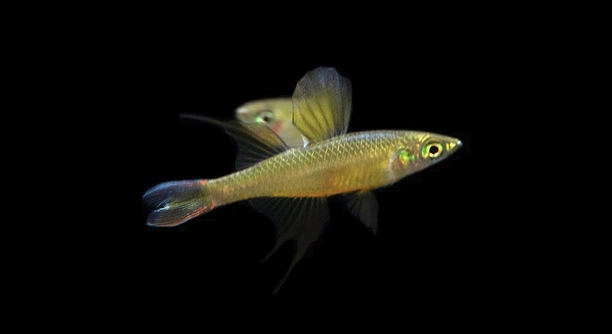
Are your threadfin rainbowfish suddenly hovering in one spot more than usual? This unusual behavior can catch the attention of any aquarist, especially when these active fish seem unusually still in their environment.
Threadfin rainbowfish may hover still due to stress, poor water quality, illness, or sudden changes in their environment. Ensuring stable water parameters, proper temperature, and observing for signs of disease is essential for maintaining their health and activity.
Observing these subtle behaviors early can help prevent more serious health issues and ensure your fish thrive in their tank.
Common Causes of Hovering Behavior
Threadfin rainbowfish may hover in one spot due to several factors. Water quality is a primary influence. Ammonia, nitrite, and nitrate levels that are too high can cause stress and unusual behavior. Temperature fluctuations can also affect their activity. Fish may react to sudden drops or rises in water temperature by staying still to conserve energy. Stress from overcrowding or aggressive tank mates is another factor. If your fish feels threatened, it may hover in one area to feel safer. Illness can also cause this behavior. Signs like clamped fins, pale coloration, or labored breathing often indicate sickness. Even minor changes, such as moving decorations or adjusting lighting, can make them pause and hover. Ensuring a calm environment and stable tank conditions usually helps them return to normal activity. Observing their response over several hours can provide insight into what’s affecting them.
Stress and poor water quality are leading reasons rainbowfish hover in place. Keeping parameters stable is crucial.
Monitoring water conditions, tank layout, and interactions with other fish helps maintain a healthy and active aquarium environment. Preventive care often resolves most hovering issues.
Signs Your Fish Needs Attention
If your rainbowfish continues hovering for long periods, it may need intervention. Sudden inactivity or changes in color often signal health concerns.
Long-term hovering can indicate disease or environmental stress. Illnesses like parasitic infections, bacterial infections, or swim bladder problems can reduce activity. It is important to isolate affected fish to prevent spreading illness. Observing their eating habits and general responsiveness can help identify specific issues. Sometimes, adding aquarium salt or adjusting pH slightly can ease mild stress. Regular tank maintenance, including partial water changes and careful monitoring of chemical levels, supports their well-being. Consistency in feeding schedules, along with avoiding sudden changes in lighting or decoration, keeps them more comfortable. Watching behavior closely over several days provides better clues than short-term observations. Taking early action ensures your fish remain healthy and active in the tank.
Adjusting Tank Conditions
Proper tank conditions can immediately improve your rainbowfish’s activity. Stable temperature, clean water, and balanced pH levels reduce stress and encourage normal movement. Even small adjustments, like repositioning decorations, can make them feel secure.
Gradually changing water parameters prevents shock and supports healthy behavior. Frequent testing for ammonia, nitrite, and nitrate ensures the environment remains safe. Adjusting temperature slowly, rather than abruptly, helps prevent stress-related hovering. Providing adequate hiding spots with plants or ornaments gives them areas to feel protected. Consistent lighting, with a clear day-night cycle, supports natural rhythms. Overcrowding can increase tension, so limiting the number of fish per tank volume helps maintain balance. Regular observation allows you to detect issues early before they escalate. These combined measures typically lead to more active and confident fish over time.
Feeding practices also influence activity. Balanced diets, given at regular intervals, support energy levels and overall health. Avoid overfeeding, which can harm water quality and reduce activity.
Observing Health Indicators
Monitoring physical signs helps identify problems early. Changes in color, fin condition, or appetite often reveal stress or illness.
Behavioral observation is equally important. Lethargy, hovering in one spot, or erratic swimming can indicate swim bladder issues, parasites, or infections. Isolating affected fish and checking water parameters allows for targeted intervention. Maintaining a clean, stable tank prevents many common illnesses. Watch for external parasites, which may appear as tiny spots or irregular growths. Adjusting nutrition to include high-quality, varied food supports immune function. Keeping track of feeding habits, interactions with other fish, and general responsiveness provides insight into their well-being. Timely action prevents minor problems from becoming serious. Consistency in care is key to maintaining a healthy, active aquarium.
Water Quality Management
Maintaining clean water is essential for rainbowfish health. Regular partial water changes reduce toxins, prevent algae buildup, and keep chemical levels stable. Testing water weekly helps catch issues before they affect your fish.
Proper filtration supports oxygen levels and removes debris. Avoid overfeeding, which can cloud water and increase waste.
Feeding and Nutrition
A balanced diet keeps rainbowfish active and healthy. Offer a variety of high-quality flake, pellet, and frozen foods. Incorporating live or frozen brine shrimp, daphnia, or bloodworms provides essential proteins and encourages natural foraging behavior. Avoid overfeeding, as excess food can pollute the tank and lead to lethargy. Feeding small portions multiple times daily helps maintain energy levels and supports growth. Observing how your fish respond to different foods allows you to adjust their diet for optimal health. Proper nutrition strengthens immunity, reduces stress, and prevents disease-related hovering. Consistency in feeding schedules contributes to a stable, active, and thriving aquarium.
Environmental Enrichment
Adding plants and hiding spots reduces stress. Decorations create safe spaces and promote natural behavior.
FAQ
Why is my threadfin rainbowfish hovering at the surface?
Hovering near the surface often indicates low oxygen levels in the tank. Ensuring proper aeration with an air stone or filter output can improve oxygen circulation. Water temperature also affects oxygen solubility, so keeping it stable helps fish stay active and comfortable.
Can stress cause my rainbowfish to hover still?
Yes, stress is a common reason for this behavior. Overcrowding, aggressive tank mates, sudden lighting changes, or rapid water parameter shifts can all contribute. Reducing stress by creating hiding spots, maintaining stable water conditions, and minimizing disturbances usually encourages normal movement.
Is disease a factor in hovering behavior?
Illness can make rainbowfish less active. Parasites, bacterial infections, or swim bladder issues often reduce movement and cause prolonged hovering. Observing physical signs like clamped fins, unusual spots, or pale coloration helps detect illness early. Quarantine and targeted treatment prevent worsening conditions.
How does water quality affect my fish’s activity?
Poor water quality directly impacts fish behavior. High ammonia, nitrite, or nitrate levels can stress your rainbowfish, leading to still hovering. Regular water testing, partial water changes, and proper filtration are essential to maintain a safe and stable environment.
Can diet influence hovering behavior?
Yes, diet affects energy levels and overall health. Underfeeding or offering low-quality food may reduce activity. Providing a balanced mix of flakes, pellets, and occasional live or frozen foods helps keep fish energetic. Feeding small portions multiple times a day prevents overfeeding and water quality issues.
Do tank size and layout matter?
Tank size impacts comfort and swimming space. Overcrowded tanks increase stress, while poorly arranged decorations can block natural swimming paths. Adequate space, proper hiding spots, and open swimming areas encourage normal activity and reduce excessive hovering.
How long should hovering behavior last before I worry?
Short periods of hovering can be normal, especially after a new tank setup or minor stress. Persistent hovering for several hours or days indicates an underlying issue. Monitoring water parameters, observing health signs, and adjusting care routines can prevent escalation.
Can water temperature changes trigger still hovering?
Sudden or extreme temperature shifts can stress rainbowfish. They may hover still to conserve energy. Maintaining a stable temperature appropriate for threadfin rainbowfish, usually around 24–28°C (75–82°F), helps minimize stress and supports normal swimming behavior.
Will adding plants or decorations help?
Yes, environmental enrichment can reduce stress and encourage movement. Live or artificial plants, rocks, and hiding spots give fish security. These additions allow them to feel safe, explore naturally, and reduce excessive hovering caused by perceived threats.
Is it normal for rainbowfish to hover occasionally?
Occasional hovering can be normal, especially during resting periods or when exploring new areas. However, consistent or prolonged hovering signals environmental stress, illness, or diet-related issues, requiring attention to maintain overall health and activity.
How can I prevent future hovering problems?
Consistency is key. Regular water testing, maintaining stable temperature and pH, providing a balanced diet, avoiding overcrowding, and monitoring for early signs of illness all help prevent prolonged hovering behavior and support healthy, active rainbowfish.
When should I seek professional help?
If your rainbowfish shows continuous hovering along with physical symptoms like discoloration, fin damage, labored breathing, or loss of appetite, consulting an experienced aquarist or veterinarian is recommended. Prompt intervention improves recovery chances and ensures tank safety for all fish.
Are some fish more prone to hovering than others?
Certain species, including threadfin rainbowfish, may exhibit hovering as a stress response more visibly than others. Individual temperament, tank conditions, and previous health history influence how often this behavior occurs. Proper care reduces the frequency and duration of still hovering.
Does lighting affect hovering behavior?
Bright or fluctuating light can make fish feel exposed and stressed, causing them to hover. Using consistent lighting schedules with gradual transitions between day and night reduces stress and promotes natural swimming activity.
Can I safely use medications if my fish is hovering due to illness?
Targeted treatment is effective but must be used carefully. Identifying the specific illness before medicating prevents harm. Always follow dosage instructions, monitor fish closely, and maintain clean water to support recovery during treatment.
This FAQ addresses common causes and solutions for hovering behavior, focusing on water quality, diet, stress, illness, and tank setup to help your threadfin rainbowfish stay healthy and active.
Final Thoughts
Observing your threadfin rainbowfish hover still can feel concerning, but in many cases, it signals manageable issues rather than serious problems. Most commonly, environmental factors such as water quality, temperature, and tank setup are responsible for this behavior. Maintaining a stable and clean tank is essential for their health. Regular water testing for ammonia, nitrite, and nitrate ensures a safe environment, while gradual adjustments to temperature and pH prevent stress. Providing adequate hiding spots and a well-arranged tank layout allows your fish to feel secure, reducing the need to remain stationary for long periods. Even subtle changes in tank conditions can affect your rainbowfish, so paying attention to daily behaviors gives you insight into their overall well-being.
Nutrition also plays a crucial role in keeping rainbowfish active and healthy. A balanced diet that includes high-quality flakes, pellets, and occasional live or frozen foods supports their energy levels and strengthens their immune system. Overfeeding can lead to water pollution, which contributes to stress and lethargy, so feeding small portions multiple times a day is generally more effective than giving large amounts all at once. Observing how your fish respond to different types of food allows you to tailor their diet to meet their needs while promoting activity and natural foraging behaviors. Alongside proper feeding, consistent care and attention help prevent stress-related hovering and improve the overall quality of life for your fish.
Monitoring your rainbowfish regularly allows you to detect early signs of illness or environmental stress. Behavioral changes such as hovering, clamped fins, discoloration, or reduced appetite can indicate health issues that require attention. Isolating affected fish, maintaining proper tank conditions, and using targeted treatments when necessary can prevent problems from worsening. Even with healthy fish, occasional hovering may occur, especially during rest periods or after environmental changes. By maintaining consistency in water quality, diet, temperature, and tank arrangement, you create an environment that supports natural behavior and activity. Taking these steps ensures your threadfin rainbowfish remain healthy, comfortable, and active, giving you the satisfaction of seeing them thrive in your aquarium.

Hello,
If you enjoy the content that we create, please consider saying a "Thank You!" by leaving a tip.
Every little bit helps us continue crafting quality advice that supports the health, happiness, and well-being of pets around the world, for pets of all shapes, sizes, and species.
We really appreciate the kindness and support that you show us!