
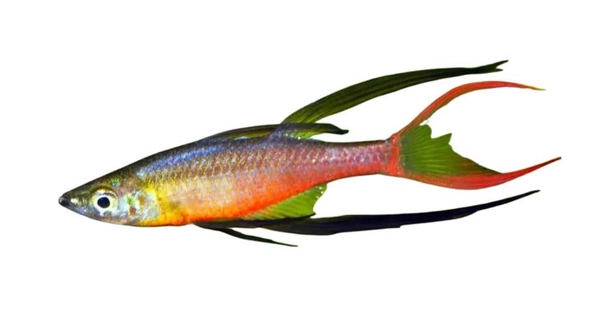
Do your threadfins seem to stay in one tank corner, leaving you unsure if it is normal or something concerning?
Threadfins may stay in one tank corner due to stress, water quality issues, or territorial behavior. Environmental changes, poor tank conditions, and lack of hiding spaces often influence their positioning, making corner-staying a common and manageable behavior.
Understanding the reasons behind this pattern will help you improve their environment and ensure your threadfins remain healthy and comfortable in their tank.
Reasons Threadfins Stay in One Corner
Threadfins often gather in one corner because of their sensitivity to stress and changes in their environment. They are gentle fish that prefer calm surroundings, and even minor disturbances can cause them to feel uneasy. Loud noises, sudden movements near the tank, or even aggressive tank mates may influence their behavior. Water quality plays a significant role too—imbalances in temperature, pH, or ammonia levels can make them retreat to what feels like a safe zone. Sometimes, they may also group in corners if they lack enough hiding places or vegetation, making them feel exposed in open water. Creating an environment that mirrors their natural habitat with plants, soft currents, and stable water conditions helps reduce stress. By observing these patterns and making small adjustments, you can support your threadfins in feeling secure while encouraging them to explore more freely within the tank.
Threadfins also display this behavior when establishing territories. Staying in corners gives them control over a safe space.
If you notice them favoring one area, take time to check the tank setup. Subtle issues like inadequate cover or tank mate compatibility may be influencing their behavior, and small adjustments often improve their comfort and activity levels.
Improving Their Tank Environment
Threadfins thrive best in calm, well-maintained tanks that replicate their natural habitats. Offering them security and comfort is essential.
A healthy tank environment for threadfins starts with stable water parameters. Regularly checking pH, temperature, and ammonia levels helps prevent stress-related behaviors such as staying in corners. Since threadfins are mid-to-top level swimmers, providing plenty of open space with live or artificial plants along the sides allows them to move comfortably while still feeling protected. Gentle water flow mimics their natural habitats, while floating plants help reduce strong lighting that may stress them. Tank mates should be carefully chosen—peaceful species are ideal to avoid intimidation. Adding hiding spots like driftwood, caves, or dense plant groupings helps them feel secure and less likely to remain in corners. Feeding them a balanced diet of small, high-quality foods also supports their activity. By focusing on both their physical space and diet, you can create a supportive environment that reduces stress and encourages threadfins to use the entire tank.
Signs of Stress in Threadfins
Stress in threadfins often shows through reduced movement, pale colors, and unusual grouping in corners. They may also avoid eating and react nervously to activity near the tank, indicating discomfort with their surroundings.
When threadfins are stressed, they sometimes press themselves against the glass or hide constantly. Their fins may appear clamped, and their usual graceful swimming becomes stiff. Another clear sign is rapid gill movement, which suggests they are struggling with water conditions. Even small changes, such as temperature shifts, can trigger this reaction. Observing these details early helps prevent long-term harm by letting you adjust the tank before the stress worsens.
Stress can also appear through aggression or excessive chasing among tank mates. Though usually peaceful, threadfins may turn defensive when conditions feel unstable. Providing stable water parameters, adding cover, and ensuring calm surroundings helps reduce these behaviors. Noticing these changes quickly is the best way to keep them balanced and healthy.
Encouraging Active Swimming
Encouraging threadfins to swim more involves creating an environment where they feel secure and engaged. Adding plants, gentle currents, and proper lighting helps them feel safe enough to explore instead of hiding or lingering in corners. Balanced feeding also influences their activity.
A well-structured tank makes threadfins more confident swimmers. Floating plants help diffuse bright lights, reducing stress and allowing them to stay visible in open areas. Moderate water flow encourages natural swimming without overwhelming them. Adding peaceful tank mates with similar energy levels can also stimulate activity. Regular feeding of small, nutrient-rich foods gives them energy and helps maintain vibrant colors. Threadfins thrive in calm conditions, so ensuring stability in their environment directly impacts their behavior. When these adjustments are made consistently, threadfins often leave the corners behind and swim gracefully across the tank, showing their natural beauty.
Tank Mate Influence
Aggressive or overly active fish can cause threadfins to retreat to corners. They prefer peaceful companions and may become timid if housed with fish that chase or disturb them, leading to withdrawn behavior.
Choosing calm, compatible species helps maintain balance. Fish like rasboras or peaceful tetras make ideal tank mates. Avoid housing threadfins with fin-nippers or territorial species, as this disrupts their sense of security and comfort within the tank.
Feeding Habits and Activity
Feeding habits influence threadfin behavior significantly. If food is scarce or competition is high, they may avoid open water and stay near corners. Offering small, frequent meals helps encourage movement while reducing stress from competition. A balanced diet rich in nutrients supports both their activity and overall health.
Recognizing Normal Behavior
Threadfins naturally move in groups and occasionally settle in corners. This is not always concerning but becomes a problem if paired with stress signs or lasting inactivity.
FAQ
Why do threadfins stay in one corner most of the time?
Threadfins often stay in one corner due to stress, water conditions, or lack of security in the tank. They are sensitive fish that feel safest when they have a sheltered area. Environmental factors like temperature fluctuations, strong lighting, or aggressive tank mates can cause them to retreat.
Is it normal for threadfins to hide frequently?
Yes, occasional hiding is normal. Threadfins are naturally cautious and may seek corners when they feel exposed. Frequent hiding, however, can indicate stress or poor water quality. Providing plants, driftwood, or floating cover helps them feel more confident and encourages natural swimming behavior.
Can water quality affect their positioning?
Absolutely. Threadfins are very sensitive to ammonia, nitrite, and pH levels. Even small imbalances can cause them to stay in one area. Regular water testing and partial water changes help maintain stability and promote activity throughout the tank.
Do tank mates influence their behavior?
Yes. Aggressive or overly active tank mates can intimidate threadfins, causing them to cling to corners. Peaceful species that swim calmly and do not compete aggressively for food are ideal companions, encouraging threadfins to move freely.
Will adjusting lighting help?
Lighting can impact stress levels. Bright, direct light may make threadfins feel exposed. Using diffused or floating plants to soften lighting allows them to explore open areas without feeling threatened. This adjustment often increases their overall activity.
Does feeding schedule affect corner-staying?
Threadfins respond to both food availability and feeding patterns. Irregular feeding or high competition can make them cling to corners. Offering small, frequent meals reduces stress, encourages movement, and ensures all fish receive proper nutrition. Balanced diets support energy levels and natural swimming behavior.
How long should they stay in corners before it’s a concern?
Short periods are generally fine, but prolonged corner-staying combined with pale colors, clamped fins, or rapid gill movement indicates a problem. Monitoring their behavior and water conditions can help identify and correct issues early.
Can tank layout make a difference?
Yes. Sparse tanks without hiding spots or plants make threadfins feel exposed. Adding dense plant clusters, driftwood, and caves creates secure areas, encouraging them to swim into open spaces when they feel safe. Proper tank layout is key to balanced behavior.
Do temperature fluctuations play a role?
Threadfins are sensitive to sudden temperature changes. Cooler or warmer patches in the tank can make them gather in corners. Maintaining a consistent temperature within their preferred range helps them feel comfortable and reduces stress-related hiding.
Should I worry if only one fish hides?
Sometimes individual variation exists, and one threadfin may hide more than others. However, if the behavior is persistent or accompanied by other stress signs, it may indicate illness, poor water quality, or harassment from tank mates. Observing the individual closely is important.
Can stress lead to illness?
Yes. Chronic stress weakens their immune system, making them prone to infections or diseases. Ensuring stable water conditions, peaceful tank mates, and secure hiding areas reduces stress and helps prevent health problems.
How can I encourage more activity?
Providing gentle water currents, balanced feeding, and well-structured hiding spots encourages exploration. Minimal disturbances and consistent care create an environment where threadfins feel safe to swim, reducing corner-staying behavior.
Is corner-staying reversible?
In most cases, yes. By addressing stressors, improving water quality, optimizing tank layout, and offering a peaceful environment, threadfins gradually explore the entire tank. Patience and consistent care are essential for behavioral improvement.
How often should I monitor them?
Daily observation is best. Noticing changes in swimming patterns, color, or fin condition helps catch early signs of stress. Regular maintenance and monitoring ensure threadfins remain healthy and active.
Can overcrowding affect them?
Overcrowding increases competition for food and space, making threadfins cling to corners. Ensuring appropriate stocking levels and providing sufficient hiding areas helps reduce stress and encourages free movement throughout the tank.
Are there signs of permanent behavioral issues?
Persistent lethargy, continuous hiding, or refusal to eat despite proper conditions can indicate deeper health or stress problems. Consulting a professional or experienced aquarist may be necessary to address ongoing issues.
Do seasonal changes matter?
Yes, even in indoor tanks, seasonal temperature and light variations can affect threadfin activity. Adjusting tank heating and lighting as needed maintains stability and encourages normal movement patterns.
Can decorations stress threadfins?
Sharp or obstructive decorations may cause stress. Smooth surfaces, secure placements, and naturalistic elements help create a comfortable environment that allows exploration without fear of injury.
Should I separate them if they hide too much?
Separation is usually unnecessary unless aggression from other fish is severe. Improving tank conditions, adding hiding spots, and ensuring peaceful companions is often enough to encourage normal activity.
How long does it take for them to explore more freely?
Behavioral improvement can take days to weeks, depending on stress severity and environmental changes. Patience, consistent care, and monitoring are key to seeing gradual, positive changes in activity levels.
Can diet variety influence behavior?
Yes, offering a mix of live, frozen, and high-quality pellet foods stimulates interest and energy. Sufficient nutrition helps threadfins feel confident and promotes movement away from corners.
What should I do if nothing works?
If stress signs persist despite improvements in water quality, tank setup, and diet, it may indicate illness or deeper behavioral issues. Consulting a vet or aquatics specialist ensures proper guidance for long-term care.
Are younger threadfins more prone to hiding?
Juvenile threadfins are often more timid than adults. They take time to acclimate and feel secure in a tank. Providing ample cover and gentle surroundings encourages confidence as they grow.
Can changes in the environment affect them suddenly?
Yes. Even small adjustments like new decorations, water changes, or tank relocations can trigger corner-staying. Gradual changes and careful monitoring help them adapt without excessive stress.
Is it normal for threadfins to explore at night?
Some threadfins are more active during low light conditions. Providing dim lighting or floating plants allows natural nocturnal exploration while reducing stress during daytime hours.
Do they prefer corners with certain features?
Corners with plants, driftwood, or shaded areas are more attractive. Threadfins seek spots that offer protection while allowing observation of the tank, balancing safety with curiosity.
How can I tell if hiding is due to illness?
Look for lethargy, clamped fins, pale coloration, or loss of appetite. Persistent corner-staying paired with these signs indicates possible health issues rather than normal behavior.
Is it necessary to rearrange the tank often?
Frequent rearrangement can increase stress. Stability is more important than novelty. Minimal adjustments and consistent care help threadfins feel secure and encourage normal swimming patterns.
Can water flow adjustments help?
Moderate currents simulate natural habitats and encourage movement. Too strong or too weak flow may cause hiding or uneven activity. Balancing flow with tank layout improves overall comfort.
Do all threadfins behave the same way?
No. Individual temperament varies. Some are naturally more timid and may spend more time in corners, while others are curious and explore freely. Recognizing individual differences helps tailor care strategies effectively.
How can I make them feel safer during water changes?
Perform water changes gradually and avoid sudden temperature or chemical shifts. Using a consistent routine reduces stress and prevents them from retreating to corners during maintenance.
Is corner-staying permanent if ignored?
Persistent stress can lead to long-term inactivity and health decline. Addressing environmental and dietary factors early prevents permanent behavioral issues and supports a healthier, more active fish.
Can enrichment items encourage exploration?
Yes. Floating plants, caves, and gentle currents provide stimulation, reduce boredom, and encourage threadfins to leave corners while feeling secure. Consistent enrichment fosters confidence and natural swimming behavior.
Should I track behavior over time?
Daily notes on activity, feeding, and interactions with tank mates help identify trends. Monitoring allows early detection of stress, illness, or environmental issues and informs timely adjustments for better care.
Do older threadfins hide less?
Adults are usually more confident and explore more, but individual differences remain. Older fish may still retreat if tank conditions are unsuitable or if they feel threatened by tank mates or lighting.
Can seasonal maintenance routines help?
Yes. Regular checks of water quality, tank layout, and feeding routines during seasonal changes maintain stability. Consistency reduces stress and encourages healthy, active behavior throughout the year.
Does tank size matter for corner-staying?
Smaller tanks limit space and increase stress, making threadfins retreat to corners more often. Larger tanks with sufficient swimming space reduce anxiety and promote even distribution throughout the aquarium.
Is corner-staying more common in groups or single fish?
Groups can either encourage confidence or create competition. A well-balanced group with compatible species reduces corner-staying, while mismatched groups may increase hiding and stress. Proper stocking and careful observation ensure harmony.
How do I know if improvements are working?
Look for more consistent swimming, brighter colors, and less time in corners. Gradual positive changes indicate that environmental adjustments, diet, and tank mate selection are effectively supporting their well-being.
Can threadfins adapt to new tanks quickly?
Adaptation speed varies. Some adjust in days, while others take weeks. Providing stability, hiding spots, and gentle care ensures they feel secure and encourages gradual exploration.
Are there behavioral cues that precede corner-staying?
Yes. Restlessness, frequent glancing at tank mates, and sudden retreats often precede corner-staying. Observing these cues helps anticipate stress and implement preventive measures.
Does water temperature affect energy levels?
Lower or fluctuating temperatures reduce metabolism, causing threadfins to stay in corners. Maintaining optimal temperatures supports normal activity and exploration.
Can seasonal lighting changes influence behavior?
Yes. Longer daylight or intense lighting may make threadfins feel exposed. Using timers and diffused lighting helps maintain natural rhythms and encourages movement.
Is it safe to add more hiding spots gradually?
Yes. Incremental additions prevent overwhelming the fish and allow them to explore confidently, reducing prolonged corner-staying without causing additional stress.
How important is consistency in care?
Consistency is key. Regular feeding, stable water conditions, and predictable routines reduce stress and make threadfins more willing to leave corners, fostering a comfortable and healthy environment.
Can observing them at different times of day help?
Yes. Noting behavior during morning, afternoon, and evening provides a full picture of activity levels, stress patterns, and environmental comfort, helping guide adjustments effectively.
Should I separate sick fish immediately?
Sick fish may need temporary isolation to prevent disease spread. Ensure quarantined tanks replicate main tank conditions to reduce additional stress during recovery.
Are there natural behaviors I shouldn’t worry about?
Yes. Temporary corner-staying, brief retreats during water changes, or resting in shaded areas is normal. Only persistent or stress-related patterns require intervention.
Can enrichment improve social interactions?
Yes. Plants, gentle currents, and open swimming spaces allow threadfins to interact naturally without fear, reducing corner-staying and promoting social behavior.
Do threadfins prefer specific water levels?
They often favor mid-to-upper water levels. Ensuring open swimming areas at these levels encourages movement and reduces the tendency to linger in corners near the bottom.
How often should hiding spots be cleaned?
Regularly, but gently. Over-cleaning can remove beneficial biofilm, while neglect may harbor debris. Maintaining balance ensures safe and comfortable spaces for threadfins.
Are there signs of adaptation to new hiding spots?
Yes. Fish may cautiously explore, swim around, and gradually spend less time in original corners. This indicates growing confidence and comfort with the tank environment.
Can noise outside the tank influence behavior?
Yes. Sudden loud sounds or vibrations may cause threadfins to retreat. Minimizing noise and movement near the tank reduces stress and encourages normal activity.
Does water hardness matter for behavior?
Yes. Extreme hardness levels can stress threadfins, leading to corner-staying. Maintaining moderate water hardness supports comfort and overall activity.
Are threadfins active during feeding times?
They often become more active when food is offered. Predictable, calm feeding routines encourage movement and reduce prolonged hiding or corner-staying.
Can temperature gradients within the tank affect them?
Yes. Uneven temperatures may cause fish to favor cooler or warmer corners. Properly distributing heat ensures they feel comfortable swimming throughout the tank.
Is monitoring multiple fish at once effective?
Yes. Observing the group helps detect behavioral trends, stress patterns, and interactions that may influence corner-staying, allowing for targeted adjustments to improve overall activity.
Does tank background or color matter?
Yes. Neutral or darker backgrounds make threadfins feel secure. Bright, reflective surfaces may increase stress and cause them to retreat to corners.
How long after changes should I expect results?
Behavioral changes can appear within days, but full adaptation may take weeks. Patience, consistent care, and monitoring are essential for lasting improvements.
Are there signs that corner-staying is improving?
Look for increased swimming, brighter colors, curiosity, and reduced time in corners. Gradual progress shows that environmental and care adjustments are effective.
Can seasonal feeding adjustments influence behavior?
Yes. Offering slightly varied diets during seasonal changes maintains energy levels and encourages exploration, preventing prolonged corner-staying caused by low activity.
Does aquarium size affect hiding tendencies?
Smaller tanks may increase stress, while larger, well-structured tanks reduce corner-staying by offering space and secure areas for natural behavior.
Are there signs that enrichment is effective?
Threadfins will explore new areas, interact with tank mates, and reduce time in corners. This indicates growing comfort and confidence.
Can sudden water changes trigger hiding?
Yes. Rapid temperature or chemical shifts cause stress. Gradual changes reduce corner-staying and maintain normal behavior patterns.
Do threadfins respond to human presence?
They may become curious or nervous depending on prior experience. Calm, consistent interaction encourages confidence without triggering corner-staying.
Is corner-staying more common in younger fish?
Juveniles are often timid and more likely to retreat. Proper tank setup, hiding spots, and gentle companions help them adapt faster.
Can overfeeding cause them to hide?
Yes. Overfeeding leads to water quality issues, which can increase stress and corner-staying. Balanced feeding maintains healthy water conditions and activity.
Are threadfins more active in groups?
Typically, yes. Social interaction stimulates movement, but overcrowding can have the opposite effect. Proper group sizes encourage exploration and reduce hiding.
Do seasonal light cycles affect them?
Yes. Maintaining consistent light cycles prevents stress, supports natural rhythms, and encourages normal swimming instead of prolonged corner-staying.
Can tank location affect behavior?
Placement near busy areas may increase stress. Choosing a calm, stable location reduces corner-staying and promotes natural movement.
Should I observe feeding order?
Yes. Dominant fish may monopolize food, causing timid threadfins to retreat. Ensuring equal access encourages activity and reduces stress-related hiding.
Can tank water movement affect them?
Moderate currents stimulate swimming. Strong or uneven flow may push them into corners. Balanced water movement supports natural behavior.
Is corner-staying seasonal?
It can be. Environmental changes like light and temperature shifts influence hiding tendencies. Maintaining consistent conditions helps minimize seasonal stress behaviors.
Does tank shape influence behavior?
Yes. Long, open tanks allow swimming, while small, narrow tanks may increase corner-staying. Optimal tank dimensions promote free movement and comfort.
Are threadfins sensitive to vibrations?
Yes. Sudden vibrations from nearby activity may trigger hiding. Reducing disturbances encourages normal swimming behavior.
Can adding plants too quickly stress them?
Yes. Sudden changes can cause hesitation. Gradual additions allow adaptation without prolonged corner-staying.
Does tank depth matter?
Threadfins prefer mid-to-upper levels. Too shallow tanks may limit movement, leading to corner-staying. Proper depth supports normal behavior.
Is corner-staying reversible for most fish?
Yes, with consistent care, stable water conditions, and a secure environment, threadfins usually leave corners and explore the tank confidently.
Can noise from equipment cause hiding?
Yes. Louder filters or pumps may make them retreat. Adjusting or silencing equipment reduces stress and encourages activity.
Are corners with shadows preferred?
Yes. Shadows create security. Threadfins use these areas to feel safe while gradually exploring other parts of the tank.
Do frequent water tests reduce corner-staying?
Yes. Maintaining stable water parameters prevents stress, which in turn reduces prolonged corner-staying and supports healthy, active behavior.
Does tank lighting affect hiding patterns?
Bright or direct lighting may encourage retreat. Soft, diffused light promotes comfort and encourages free swimming.
Are threadfins naturally cautious?
Yes. Their cautious nature leads them to corners when stressed. Providing security and stable conditions encourages confidence.
Can corner-staying indicate illness?
Persistent hiding, paired with pale colors, clamped fins, or reduced appetite, often signals health issues rather than normal behavior.
Is it safe to change tank decorations gradually?
Yes. Incremental changes reduce stress, allowing exploration without overwhelming them. Sudden rearrangements may increase corner-staying.
Do threadfins prefer specific corners?
Corners with cover, shading, and calm surroundings are preferred. Threadfins feel protected while observing their environment, balancing safety with natural curiosity.
How long should observation continue to assess improvement?
Daily observation over several weeks helps track progress. Changes in activity, color, and swimming patterns indicate whether adjustments are effective.
Can environmental enrichment replace hiding spots?
Enrichment complements hiding spots but does not replace the need for secure areas. Both together encourage exploration and reduce corner-staying.
Do juvenile threadfins need more cover?
Yes. Young fish are timid and need ample hiding places to feel secure before venturing into open areas.
Are corner-staying patterns consistent across species?
Behavior varies. Threadfins are particularly cautious, but other species may exhibit similar patterns under stress. Knowing species-specific needs helps address hiding effectively.
Can sudden tank relocation trigger hiding?
Yes. Moving a tank or fish abruptly increases stress. Gradual acclimation helps reduce corner-staying and encourages adaptation.
Does diet variety impact activity?
Varied foods stimulate energy and interest, encouraging swimming and exploration. A monotonous diet may reduce activity and increase corner-staying.
Can corner-staying be completely resolved?
In most cases, yes. With proper care, consistent
Threadfins are sensitive fish that react noticeably to their environment. Staying in one corner of the tank is a behavior that often signals caution rather than immediate concern. Their natural instinct is to seek safety in sheltered areas, especially when they feel exposed. Various factors can contribute to this behavior, including water quality, tank layout, lighting, temperature, and the presence of other fish. Observing how threadfins move and interact within the tank provides valuable insight into their comfort levels. A fish that frequently retreats to a corner may not be in distress if all other behaviors, such as feeding, swimming, and social interactions, appear normal. Understanding the balance between natural cautious behavior and stress-related hiding is important for maintaining their well-being.
Creating a supportive tank environment is essential to encourage threadfins to explore freely. Stable water conditions are the foundation of a healthy aquarium, as threadfins are particularly sensitive to fluctuations in temperature, pH, and ammonia levels. Providing hiding spots like plants, driftwood, and caves allows them to feel secure while gradually encouraging exploration. Tank mates should be chosen carefully, with peaceful, non-aggressive species that reduce intimidation and competition for food. Balanced feeding, both in frequency and variety, supports their energy and natural behavior patterns. Gentle water flow mimics their natural habitat, promoting swimming without causing stress. By addressing these environmental and social factors, threadfins are more likely to leave corners and use the tank fully, demonstrating confidence and normal activity.
Patience is key when helping threadfins adjust to their environment. Behavioral changes often take time, and it is important to monitor them regularly for both short-term and long-term patterns. Minor adjustments, such as modifying lighting, rearranging hiding spots gradually, or introducing compatible tank mates, can significantly improve their confidence. Observing for signs of stress or illness, including clamped fins, pale coloring, reduced appetite, or lethargy, ensures timely intervention if needed. Consistency in care, attention to water quality, and providing a secure, enriching environment allows threadfins to feel comfortable and healthy. Over time, most fish gradually explore more freely, showing the positive effects of a stable and thoughtfully managed tank. By paying attention to their needs and maintaining patience, threadfins can thrive while leaving the corners they once relied on for safety.

Hello,
If you enjoy the content that we create, please consider saying a "Thank You!" by leaving a tip.
Every little bit helps us continue crafting quality advice that supports the health, happiness, and well-being of pets around the world, for pets of all shapes, sizes, and species.
We really appreciate the kindness and support that you show us!