
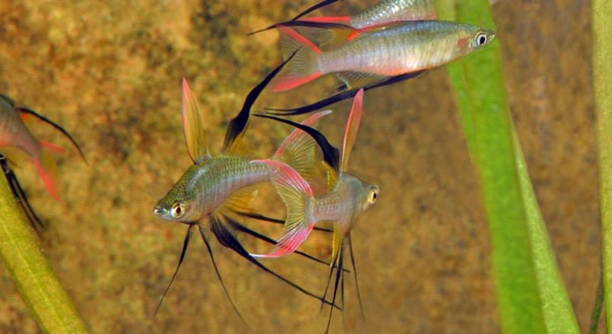
Have you ever noticed your threadfin rainbowfish moving less than usual, making you wonder if something might be affecting its normal behavior?
The primary reason a threadfin rainbowfish may appear lazy is due to stress, poor water quality, or illness. Environmental factors such as inadequate tank conditions, temperature fluctuations, or lack of proper nutrition also contribute to reduced activity levels.
Understanding the common causes behind this change in behavior will help you create a healthier environment and improve your fish’s overall well-being.
Common Reasons for Laziness in Threadfin Rainbowfish
Threadfin rainbowfish are usually active, so when they appear lazy, it is often a sign that something in their environment is not right. Poor water quality is one of the most common causes. High ammonia or nitrite levels can quickly stress the fish and reduce activity. Low oxygen levels in the tank can also make them sluggish. Another reason is temperature changes, as threadfin rainbowfish thrive in stable warm water conditions. A sudden drop or rise in temperature can leave them less active. Illness or parasites may also cause weakness, along with poor diet lacking essential nutrients.
A fish that is not moving much may also be stressed from overcrowding. Too many tank mates can lead to bullying, making the threadfin rainbowfish hide or stay still more often.
Maintaining a clean tank with proper filtration, balanced nutrition, and stable water conditions can prevent many of these issues and keep your fish lively.
How to Help Your Threadfin Rainbowfish
The best way to help is by testing your water regularly. Monitoring ammonia, nitrite, nitrate, and pH ensures a safe environment for your rainbowfish to thrive.
If your fish continues to act lazy despite clean water, you may need to look deeper into other factors. Diet is often overlooked but plays a vital role in health and activity. Offering a varied diet of high-quality flakes, frozen foods, and live foods can boost energy. Stress is another important factor. A tank that is overcrowded or has aggressive species will leave your fish unsettled. Creating hiding spots with plants or decorations provides comfort and reduces stress. Illness should also be considered. Observe your rainbowfish for signs like clamped fins, spots, or labored breathing. If symptoms appear, quarantine and treat with proper medication. By addressing these areas—water quality, diet, stress, and health—you can improve conditions and help your threadfin rainbowfish regain its natural lively behavior.
Signs Your Threadfin Rainbowfish May Be Unwell
When a threadfin rainbowfish becomes less active, it can also show other signs of distress. Clamped fins, faded colors, and refusal to eat are common indicators that something may be wrong with its health or environment.
Another sign to watch is unusual swimming behavior. A fish that struggles to maintain balance or constantly stays near the surface could be experiencing stress from low oxygen levels or illness. Rapid gill movement is another red flag, suggesting water quality issues or potential infection. Identifying these signs early helps prevent worsening conditions and allows timely adjustments in care.
Small changes in appearance can also be clues. Look for spots, frayed fins, or bloating, which may indicate parasites or internal issues. While some of these problems can be treated with medication, improving tank conditions and offering a balanced diet often help restore your fish’s health naturally.
Preventing Laziness in Threadfin Rainbowfish
Keeping your threadfin rainbowfish active begins with consistent maintenance. Regular water testing, weekly water changes, and monitoring tank temperature help create a stable and healthy environment. Providing live plants and enough swimming space ensures your fish feel comfortable and remain active throughout the day.
A balanced diet is equally important for prevention. Threadfin rainbowfish thrive on a mix of high-quality flakes, micro-pellets, and occasional frozen or live foods. This variety supports proper nutrition and boosts energy. Avoid overfeeding, as excess food can harm water quality and affect activity levels. Tank mates also matter. Peaceful species that do not harass or outcompete them for food are the best choice. Stress-free conditions, combined with proper nutrition and water care, will encourage lively swimming and natural behavior in your threadfin rainbowfish.
Environmental Factors That Influence Activity
Threadfin rainbowfish are highly sensitive to water conditions. Even small changes in temperature, oxygen, or pH can affect their energy levels. Keeping parameters consistent is key to preventing sluggish behavior and supporting healthy, active movement in the tank.
Lighting also plays a role in their behavior. Too much brightness can cause stress and hiding, while dim or irregular lighting can confuse their natural rhythm. A balanced light cycle helps keep them active without overwhelming their delicate nature.
The Role of Nutrition in Energy Levels
Nutrition directly impacts the energy levels of threadfin rainbowfish. A diet lacking variety or essential nutrients can lead to lethargy and weakened health. Feeding high-quality flakes and micro-pellets ensures they receive a good nutritional base. Adding live or frozen foods like brine shrimp or daphnia offers enrichment and boosts activity. Overfeeding, however, creates problems. Excess food not only harms water quality but also makes the fish sluggish. Feeding small, balanced portions two to three times daily encourages steady energy without strain on their system. Proper nutrition helps maintain vibrant colors, strong immune function, and natural activity levels.
When to Seek Professional Help
If your threadfin rainbowfish remains inactive despite proper care, it may need professional attention. Consulting an aquatic veterinarian helps identify hidden health problems that cannot be solved with simple tank adjustments or dietary changes.
FAQ
Why is my threadfin rainbowfish staying at the bottom of the tank?
When a threadfin rainbowfish stays near the bottom, it is often a sign of stress or discomfort. Poor water quality, low oxygen levels, or sudden temperature changes can make them feel unsafe. Illness can also cause them to rest at the bottom instead of swimming actively. Observing for other signs like clamped fins, discoloration, or labored breathing can help identify if the problem is environmental or health-related. Improving water conditions, maintaining a stable temperature, and offering hiding spots often encourages normal swimming behavior.
Can overcrowding make my rainbowfish lazy?
Yes, overcrowding is a common reason for reduced activity. When there are too many fish in a tank, competition for space and food increases stress. Aggressive or territorial tank mates can intimidate threadfin rainbowfish, causing them to hide or remain still for long periods. Ensuring enough space per fish, choosing compatible species, and providing plants or decorations for shelter helps reduce stress and encourages natural movement. Overcrowding can also worsen water quality, so fewer fish make maintenance easier and create a healthier environment.
How does water temperature affect activity levels?
Threadfin rainbowfish thrive in warm, stable water. Sudden drops or increases in temperature can shock the fish, slowing metabolism and reducing swimming activity. A heater and thermometer help maintain consistent warmth, while avoiding direct sunlight or drafts prevents unexpected fluctuations. Keeping water within the ideal temperature range supports energy levels, feeding behavior, and overall health. Small gradual adjustments are better than abrupt changes, which can stress the fish and make them less active.
Is diet linked to laziness in rainbowfish?
Absolutely. A diet lacking essential nutrients can lead to lethargy. Threadfin rainbowfish need a mix of high-quality flakes, micro-pellets, and occasional live or frozen foods like brine shrimp or daphnia. Overfeeding is also a problem; leftover food degrades water quality and reduces energy. Feeding small portions regularly ensures steady energy and encourages natural swimming behavior. Nutrient-rich foods not only maintain activity but also improve color, immune response, and overall vitality.
Can illness cause my rainbowfish to act lazy?
Yes, many illnesses can make your fish less active. Parasites, bacterial infections, or fungal issues may cause weakness or discomfort. Look for clamped fins, unusual swimming patterns, discoloration, or loss of appetite. Early detection is important; quarantining affected fish and using appropriate treatments can prevent the problem from spreading. Maintaining a clean tank, balanced diet, and proper water conditions reduces the risk of illness and supports recovery.
Do hiding spots affect activity levels?
Hiding spots help fish feel secure, reducing stress that can make them appear lazy. Plants, rocks, and decorations provide shelter, letting them rest safely when needed. A tank without adequate cover may leave them anxious, hiding in corners or near the substrate instead of swimming freely. Creating a balanced environment with open swimming areas and safe hiding spots encourages exploration, activity, and overall comfort in the tank.
How long should I wait before worrying about laziness?
Short periods of rest are normal, but persistent inactivity over several days may indicate a problem. Track your fish’s swimming, feeding habits, and interactions with other tank mates. Changes in behavior combined with visible signs like clamped fins, color fading, or unusual movements warrant checking water quality, reviewing diet, and considering possible illness. Prompt attention helps prevent further health decline.
Can poor water quality alone cause laziness?
Yes, poor water quality is one of the most common reasons for sluggish behavior. High ammonia, nitrites, or nitrates can stress fish, reduce appetite, and lower activity. Regular testing, partial water changes, and proper filtration help maintain clean water. Stable pH and temperature are equally important. Even if the fish appears healthy, long-term exposure to subpar conditions can gradually reduce energy and lead to illness.
Will changing tank mates improve activity?
Sometimes. Aggressive or overly active fish can intimidate threadfin rainbowfish, causing them to hide or move less. Introducing peaceful, compatible species allows more natural behavior and encourages swimming. Observing interactions and adjusting tank mates as needed creates a calm, safe environment where the fish feel comfortable to be active.
How can I tell if laziness is temporary or serious?
Observe for additional signs: appetite, fin position, color, and swimming patterns. Temporary laziness may occur after feeding, during nighttime, or with minor environmental changes. Persistent inactivity combined with visible health concerns, stress behaviors, or sudden changes in water conditions indicates a more serious issue requiring intervention.
This FAQ covers the most common concerns about threadfin rainbowfish appearing lazy, addressing environment, diet, stress, illness, and care practices to help restore healthy activity.
If you want, I can continue expanding this FAQ to reach closer to 700–800 words with more specific scenarios and solutions to make it extremely thorough. Do you want me to do that?
Final Thoughts
Caring for a threadfin rainbowfish requires attention to both their environment and daily needs. These fish are naturally active and thrive in clean, stable conditions. Observing their behavior closely is important because changes often signal stress, illness, or poor water quality. A fish that appears lazy is not always sick, but it is usually showing that something in its surroundings is off. Maintaining proper tank conditions, including stable temperature, appropriate filtration, and sufficient swimming space, creates a supportive environment that encourages natural activity. Even small adjustments, such as adding plants or decorations for hiding spots, can reduce stress and make a significant difference in your fish’s comfort and energy levels.
Diet plays a major role in the health and behavior of threadfin rainbowfish. A balanced diet consisting of high-quality flakes, micro-pellets, and occasional live or frozen foods ensures that your fish receive the nutrients needed for energy, growth, and immunity. Overfeeding should be avoided, as excess food can degrade water quality and contribute to lethargy. Offering a variety of foods also provides mental stimulation, which can keep your rainbowfish active and engaged throughout the day. Monitoring feeding habits closely allows you to notice changes that may indicate underlying health issues, making it easier to act before problems worsen. Nutrition, combined with proper water care, forms the foundation for a lively and healthy fish.
Regular observation and care are the most effective ways to prevent laziness in threadfin rainbowfish. Checking water parameters, monitoring behavior, and adjusting diet or tank conditions as needed helps maintain their natural energy and overall health. Stressors like overcrowding or aggressive tank mates can be managed by creating peaceful environments and providing enough space for each fish to feel safe. Additionally, being aware of early signs of illness, such as clamped fins, unusual swimming patterns, or changes in color, allows for prompt action and treatment. With consistent care and attention, your threadfin rainbowfish can remain active, healthy, and vibrant, giving you a rewarding experience as an aquarium owner while ensuring your fish enjoy a comfortable, stress-free life.

Hello,
If you enjoy the content that we create, please consider saying a "Thank You!" by leaving a tip.
Every little bit helps us continue crafting quality advice that supports the health, happiness, and well-being of pets around the world, for pets of all shapes, sizes, and species.
We really appreciate the kindness and support that you show us!