
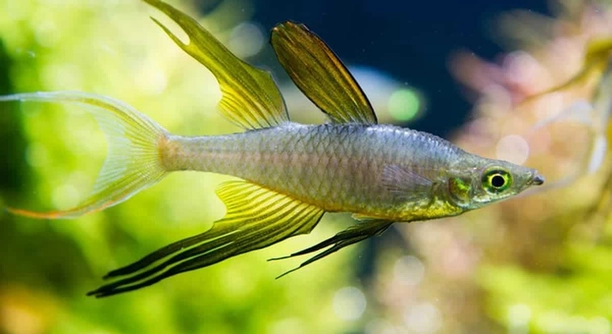
Threadfin Rainbowfish are known for their vibrant colors and active nature. These freshwater fish are sensitive to changes in their environment, including new scents introduced to their tank. Observing their behavior can reveal subtle responses.
Threadfin Rainbowfish react to new scents primarily through changes in swimming patterns, fin movements, and social interactions. Novel odors can cause brief hesitation, exploration, or increased activity, reflecting their reliance on chemical cues to assess safety, food availability, and environmental changes.
Understanding these reactions helps in maintaining a healthy, stress-free aquarium. The following details will guide you in observing and interpreting these subtle behaviors.
How Threadfin Rainbowfish Detect Scents
Threadfin Rainbowfish have a well-developed sense of smell that helps them interact with their environment. When a new scent enters the water, these fish may swim toward or away from it, depending on the perceived safety or interest. Their olfactory system allows them to detect chemicals in the water, signaling potential food sources, other fish, or changes in their habitat. In many cases, subtle changes in fin movement or body orientation indicate they are assessing the scent. Observing these responses closely can reveal patterns in their behavior, such as schooling or solitary exploration. Providing a calm and consistent environment ensures that introducing new scents does not cause undue stress. Over time, Rainbowfish can become accustomed to certain odors, demonstrating an impressive ability to distinguish between familiar and unfamiliar chemicals. Understanding their sensory abilities allows you to make more informed decisions about tank maintenance and enrichment.
New scents can trigger quick and observable reactions in these fish.
Tracking how Rainbowfish respond to new scents helps manage their habitat more effectively. These responses include increased swimming activity, brief pauses, and even subtle fin flicks. By noting these behaviors, aquarists can assess comfort levels, environmental changes, and feeding patterns. Some scents may prompt social interactions or isolation, depending on the fish’s perception. Consistent observation ensures the tank remains balanced and reduces stress-related behaviors. Over time, Rainbowfish may become familiar with non-threatening odors, showing adaptive learning. Incorporating controlled scent changes can enhance mental stimulation and natural behaviors. Understanding these responses provides a foundation for better aquarium management and the overall well-being of the fish. This approach allows for a more harmonious environment while supporting their natural instincts. Properly tracking and interpreting these signals is essential for maintaining healthy, active, and content Rainbowfish populations.
Introducing Scents Safely
Gradual introduction of new scents prevents sudden stress reactions. Small amounts of a scent should be added and monitored.
It is important to introduce scents slowly to avoid overwhelming Threadfin Rainbowfish. Observing their reactions to each new odor allows for careful adjustment. Some scents may be intriguing while others can cause hesitation or avoidance. Gradual exposure helps Rainbowfish adapt without creating fear or aggression. Over time, controlled introduction of odors can encourage natural exploration and interaction within the tank. Consistent monitoring ensures that any negative reactions are identified quickly. This practice supports a calm and responsive environment, promoting both mental stimulation and physical activity. By understanding their preferences and tolerances, aquarists can enhance the habitat while respecting the fish’s natural behaviors. Careful and thoughtful scent introduction benefits overall tank harmony and helps maintain the vibrant health and activity of Threadfin Rainbowfish.
Observing Behavioral Changes
Threadfin Rainbowfish often show subtle shifts in behavior when exposed to new scents. Changes in swimming patterns, fin movements, or schooling behavior can indicate curiosity, caution, or stress. Noticing these small signals helps gauge their comfort and reaction to environmental changes.
Monitoring their behavior closely allows for a deeper understanding of each fish’s personality. Some Rainbowfish may become more active, exploring areas where the scent is strongest, while others may retreat to corners or hide among plants. These reactions are natural and reflect their use of chemical cues to assess safety and food availability. Over time, repeated exposure can lead to acclimation, where fish show reduced hesitation and more confident exploration. Observing interactions between individuals also provides insights into social hierarchies and group dynamics. By keeping careful notes on behavior changes, adjustments to tank management and scent introduction can be made to maintain a stable, healthy environment.
Behavioral patterns reveal much about Threadfin Rainbowfish. Tracking swimming speed, pauses, or schooling tendencies gives insight into comfort levels. Subtle fin flicks or sudden darting can signal stress or interest. Over time, consistent observation allows recognition of individual responses.
Managing Scent Exposure
Controlled scent introduction prevents stress and maintains natural behavior. Gradually adding scents in small doses ensures fish remain calm. Observation of reactions after each exposure is essential.
Scent management involves planning which odors are introduced and in what quantity. Sudden, strong scents can trigger fear or avoidance, leading to unnecessary stress. Slowly increasing concentration while monitoring reactions allows the fish to adjust comfortably. Recording responses helps identify preferred scents or those that cause agitation. Certain scents may encourage exploration or social interaction, while others may require longer acclimation. Maintaining a balance between novelty and familiarity supports natural behavior and prevents aggressive or fearful responses. Careful management also promotes consistent feeding patterns and overall well-being. Properly handled, scent exposure can enrich the environment and support the Rainbowfish’s sensory engagement, making the aquarium more dynamic and responsive.
Tracking Feeding Responses
Threadfin Rainbowfish may respond to new scents by altering their feeding behavior. Some fish become more eager, investigating potential food sources, while others pause or retreat until the scent is familiar. Careful observation helps understand these subtle shifts.
Changes in appetite can indicate comfort or stress. If fish avoid food near a new scent, it may be too strong or unfamiliar. Gradual introduction helps them adapt without disrupting feeding routines.
Environmental Impact
Water quality and tank setup affect how scents are perceived. Strong currents can disperse odors quickly, while stagnant areas may concentrate them, influencing behavior and exploration.
Social Interaction
New scents can modify schooling and territorial behaviors. Rainbowfish may cluster, disperse, or investigate areas differently based on perceived safety cues from the environment.
Long-Term Habituation
Repeated exposure allows Threadfin Rainbowfish to become accustomed to non-threatening scents. Over time, responses become more consistent, reducing stress and encouraging natural activity in their habitat.
FAQ
How quickly do Threadfin Rainbowfish react to new scents?
Reactions are usually immediate but subtle. Within seconds to a few minutes, fish may change swimming direction, pause, or display fin flicks. Their response depends on the intensity of the scent and previous exposure. Some fish investigate actively, while others may retreat temporarily.
Are some scents more appealing to Rainbowfish than others?
Yes, scents associated with food or familiar tank conditions often attract attention. Natural plant extracts or small amounts of fish food can elicit positive exploration. Strong chemical or unfamiliar odors may cause hesitation or avoidance until the fish becomes accustomed.
Can new scents cause stress in Rainbowfish?
Introducing strong or unfamiliar odors too quickly can trigger stress. Signs include erratic swimming, hiding, or reduced feeding. Gradual, controlled exposure minimizes stress and helps fish adapt without negative health impacts. Monitoring behavior is key to maintaining a calm environment.
How can I safely introduce new scents?
Start with small doses and allow the fish to interact at their own pace. Observe reactions carefully, then adjust concentration gradually. Using familiar scents first helps Rainbowfish feel secure before introducing more novel odors.
Will Rainbowfish eventually ignore scents they encounter often?
Repeated exposure often leads to habituation. Fish may initially investigate a scent but gradually show reduced interest. This is normal and indicates they have assessed it as non-threatening or irrelevant to feeding or safety.
Do Rainbowfish communicate using scents?
They rely heavily on chemical cues for communication. Scents can signal presence of food, other fish, or environmental changes. Observing social interactions in response to new odors helps understand their chemical communication and group dynamics.
Does water quality affect scent perception?
Yes. Poor water conditions can dilute or mask chemical signals. Strong currents can disperse scents quickly, while stagnant areas may concentrate them. Maintaining good filtration and stable water conditions ensures more reliable responses.
Can scent exposure improve mental stimulation?
Controlled introduction of novel odors encourages natural behaviors like exploration and investigation. Mental engagement through scent variation reduces boredom and promotes overall well-being. Gradual exposure ensures positive stimulation without causing fear.
How can I tell if a scent is safe for my Rainbowfish?
Observe initial reactions closely. If fish maintain normal swimming, feeding, and social behavior, the scent is likely safe. Avoid strong synthetic chemicals or additives that could irritate gills or disrupt tank chemistry. Natural, mild scents are generally preferred.
Is it necessary to rotate scents regularly?
Occasional variation can maintain interest and encourage natural behaviors, but too frequent changes may stress fish. A balance of familiar and new scents ensures engagement without overwhelming the fish. Controlled rotation helps sustain curiosity and environmental enrichment.
Can Rainbowfish distinguish between multiple scents at once?
Yes, they can detect different chemical cues simultaneously. Fish may prioritize scents linked to food or safety. Observing how they respond to combinations helps determine which odors are more influential in their behavior.
What if Rainbowfish show negative reactions repeatedly?
Stop exposure to the offending scent and allow the fish time to acclimate. Persistent stress signals that the odor may be too strong or unfamiliar. Reintroducing it gradually or at lower concentrations can help reduce adverse reactions over time.
Do young Rainbowfish react differently than adults?
Juveniles tend to be more cautious, exploring new scents slowly. Adults often show more confident investigation but may still exhibit avoidance if the odor seems threatening. Age and experience influence their comfort and responsiveness.
Can scent exposure affect feeding patterns?
Yes. Attractive scents may increase appetite and activity around food, while unfamiliar or strong odors may temporarily reduce feeding. Gradual introduction ensures normal eating habits continue and minimizes disruption to daily routines.
Are there long-term benefits to controlled scent exposure?
Consistent, non-threatening exposure supports mental stimulation, natural exploration, and social behaviors. Over time, Rainbowfish become more adaptable, confident, and active, contributing to a healthier and more dynamic tank environment.
Final Thoughts
Threadfin Rainbowfish are highly responsive to their environment, and scents play an important role in their daily behavior. Their reactions to new odors can be subtle, such as a change in swimming patterns, a flick of the fins, or brief pauses in activity. Some fish may explore the source of a new scent, while others may retreat or stay closer to familiar areas. These behaviors show that Rainbowfish use chemical cues to assess safety, locate food, and interact with other fish in the tank. Observing these responses carefully helps aquarists understand the needs of each individual fish and the group as a whole. Over time, noticing patterns in their behavior can provide insights into which scents they are comfortable with and which may cause hesitation or stress. Paying attention to these details ensures that the tank environment remains stable and supportive of natural behaviors.
Introducing new scents should be done gradually to prevent stress and encourage healthy responses. Small amounts added over time allow Rainbowfish to explore and adapt at their own pace. Quick or strong scent changes can lead to avoidance, erratic swimming, or hiding. Monitoring reactions during and after each introduction provides a clear picture of how the fish are adjusting. Gradual exposure also supports natural curiosity and mental engagement, which can prevent boredom and encourage exploration within the tank. Different fish may respond in unique ways, with some being more confident and others more cautious. Observing both individuals and the group allows for a better understanding of social dynamics and environmental preferences. Using natural, mild scents rather than strong synthetic chemicals ensures that the fish remain comfortable and safe while experiencing new stimuli.
Consistent observation and careful management of scents can enrich the habitat and support the overall well-being of Threadfin Rainbowfish. Over time, repeated exposure to non-threatening scents leads to habituation, where the fish become familiar with odors and show reduced hesitation. This allows them to explore more confidently and maintain natural activity levels. By understanding how scents influence feeding, social interactions, and environmental responses, aquarists can make informed decisions to improve tank conditions. Controlled scent exposure enhances mental stimulation, promotes healthy behaviors, and contributes to a balanced environment. Attention to these details ensures that Rainbowfish remain active, confident, and comfortable in their habitat. Careful introduction and monitoring of scents support long-term health, reduce stress, and encourage natural behaviors, creating a well-managed and harmonious aquarium for these vibrant fish.

Hello,
If you enjoy the content that we create, please consider saying a "Thank You!" by leaving a tip.
Every little bit helps us continue crafting quality advice that supports the health, happiness, and well-being of pets around the world, for pets of all shapes, sizes, and species.
We really appreciate the kindness and support that you show us!