
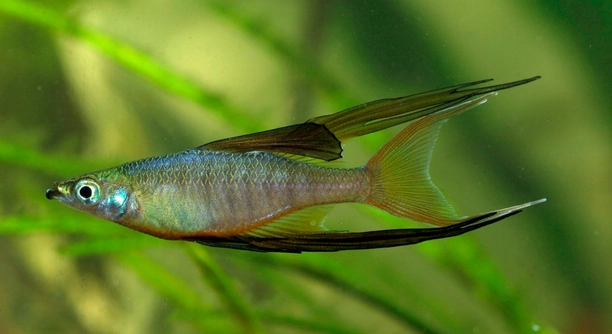
Do you ever find yourself carefully setting up your fish tank, only to notice your Threadfin Rainbowfish behaving oddly or looking less vibrant than expected? Many hobbyists face similar issues without realizing small mistakes are to blame.
Common mistakes in Threadfin Rainbowfish tank setups often involve improper water parameters, insufficient tank size, incorrect diet, inadequate filtration, and poor décor choices. Addressing these errors is essential for maintaining fish health, promoting natural behavior, and ensuring long-term tank stability.
Knowing these setup pitfalls will improve your fish’s well-being and create a more balanced aquatic environment. Proper care ensures your Threadfin Rainbowfish thrive beautifully.
Neglecting Proper Water Parameters
Maintaining stable water conditions is crucial for Threadfin Rainbowfish. These fish are sensitive to pH, hardness, and temperature fluctuations. A sudden shift in water chemistry can cause stress, weaken their immune system, and increase susceptibility to disease. Many hobbyists overlook the importance of consistent testing. Regularly checking pH levels, ammonia, nitrite, and nitrate concentrations ensures your tank environment remains healthy. Temperature control is equally important. Threadfin Rainbowfish thrive in slightly warm water, typically between 24°C and 28°C. Using a reliable heater and thermometer helps maintain these levels. Water changes are also essential. Partial weekly water replacements prevent harmful buildup of toxins and help maintain stable chemical levels. Avoid adding chemicals abruptly, as this can shock the fish. Establishing a proper filtration system supports biological balance, removing waste and toxins efficiently. By focusing on water quality, you prevent common health issues and support the natural behavior of your fish, promoting vibrant colors and active swimming patterns.
Regular monitoring and minor adjustments make a major difference in fish health and tank stability. Consistency is key.
Understanding water parameters is more than just testing. It involves careful observation of fish behavior, noticing subtle signs of stress or discomfort. A stable environment reduces aggression and enhances natural coloration. Using a combination of mechanical, chemical, and biological filtration ensures water remains clear and safe. Additionally, cycling the tank before introducing fish establishes beneficial bacteria that help break down waste. Avoid overfeeding, as leftover food affects water chemistry. Small but consistent practices, like measuring pH weekly or scheduling water changes, create a safer, more comfortable environment for Threadfin Rainbowfish. Over time, the fish become more active, display natural schooling behavior, and are less prone to illness, making your tank both visually appealing and healthier.
Overcrowding the Tank
Overcrowding stresses Threadfin Rainbowfish and limits their swimming space, affecting health and behavior.
A proper tank size is essential. Each fish requires enough room to move freely and maintain social structures. A crowded tank can lead to aggression, stunted growth, and increased susceptibility to disease. Threadfin Rainbowfish are schooling fish, so a minimum of six individuals is recommended, but the tank must accommodate them comfortably. For a small group, a 30-gallon tank is often the minimum, with larger tanks preferred for bigger groups. Overcrowding also affects water quality. More fish produce more waste, which strains filtration systems and accelerates harmful chemical buildup. Plants and décor should be placed thoughtfully to provide hiding spots without restricting swimming areas. Adequate space allows for natural behaviors like schooling, exploring, and resting, reducing stress and supporting overall well-being. Regular observation helps identify overcrowding issues early, giving you time to adjust stocking levels or upgrade tank size. Proper planning ensures a healthy and harmonious aquatic environment.
Ignoring Proper Diet
Threadfin Rainbowfish need a varied diet to maintain health and coloration. Feeding only one type of food can lead to nutritional deficiencies and weaker immune systems.
Providing a mix of high-quality flakes, pellets, frozen, and live foods ensures balanced nutrition. Flakes and pellets form the dietary base, supplying essential vitamins and minerals, while frozen or live foods like brine shrimp or daphnia provide protein and stimulate natural hunting behavior. Rotating food types prevents boredom and encourages active feeding. Avoid overfeeding, as excess food pollutes water and can cause obesity or digestive issues. Proper portioning, feeding once or twice daily, supports growth and vibrant colors. Monitoring fish during feeding helps identify dietary issues early, allowing adjustments before health declines.
Supplements like spirulina or vegetable-based foods can improve coloration and overall vitality. Fresh vegetables, such as blanched spinach or zucchini, offer fiber and essential nutrients. Feeding a balanced and varied diet creates healthier, more active fish. Combining dietary variety with careful portion control supports natural behavior, promotes immunity, and enhances the visual appeal of your Threadfin Rainbowfish.
Poor Tank Décor Choices
Overly sparse or cluttered tanks reduce comfort and natural behaviors. Proper placement of plants, rocks, and hiding spots is essential for fish welfare.
Threadfin Rainbowfish benefit from moderate plant coverage and open swimming areas. Dense décor can restrict movement, while empty tanks leave fish stressed and exposed. Live plants contribute to oxygenation and water quality, while smooth rocks or driftwood offer resting spaces and territorial markers. Hiding spots reduce stress during molting or schooling interactions. Avoid sharp or rough décor, which can damage fins. Arrange plants and ornaments to create visual breaks and varied swimming paths. Balanced décor encourages natural behavior, reduces aggression, and makes the tank visually appealing without compromising fish health.
Colorful gravel or substrate should be chosen carefully, as bright or reflective surfaces can overstimulate fish. Neutral tones mimic natural habitats, promoting calmer behavior. Regularly inspecting and rearranging décor can prevent stagnant zones and support a dynamic, healthy environment. This careful attention to tank layout ensures fish remain active, stress-free, and display their best colors consistently.
Inadequate Filtration
A weak or poorly maintained filter allows waste buildup, harming water quality. Threadfin Rainbowfish are sensitive to toxins like ammonia and nitrite, making proper filtration essential.
Filters should match tank size and bioload. Regular cleaning and monitoring prevent clogs and maintain efficiency, supporting stable water conditions.
Skipping Regular Water Changes
Neglecting water changes leads to toxin accumulation and unstable chemical levels. Partial weekly water replacements remove nitrates, replenish minerals, and support fish health. A consistent schedule helps prevent stress and reduces disease risk, maintaining a cleaner, safer aquatic environment.
Overlooking Schooling Needs
Threadfin Rainbowfish are social and thrive in groups. Keeping fewer than six can cause stress, reduced activity, and less vibrant colors. Proper schooling promotes natural behavior, improves confidence, and supports overall well-being, making the tank a healthier environment for the entire group.
FAQ
How often should I test the water for Threadfin Rainbowfish?
Testing water at least once a week is recommended. Regular checks for pH, ammonia, nitrite, and nitrate help maintain stable conditions. If levels start fluctuating, adjustments can be made quickly to prevent stress or health issues in your fish.
What is the ideal pH and temperature for Threadfin Rainbowfish?
Threadfin Rainbowfish prefer a slightly alkaline pH between 7.0 and 8.0. The water temperature should be maintained between 24°C and 28°C. Using a reliable heater and thermometer ensures that these conditions remain consistent, which is vital for their health and activity.
How many Threadfin Rainbowfish should be kept together?
A minimum of six individuals is recommended, as they are schooling fish. Keeping them in groups allows natural behaviors, reduces stress, and encourages social interaction. Overcrowding should still be avoided, and tank size should be sufficient to accommodate the group comfortably.
What types of food are best for Threadfin Rainbowfish?
A varied diet works best. High-quality flakes and pellets provide essential vitamins and minerals, while frozen or live foods like brine shrimp, daphnia, or bloodworms offer protein and stimulate natural hunting behaviors. Occasional vegetable matter, such as blanched spinach or zucchini, adds fiber and essential nutrients.
How often should I feed them?
Feeding once or twice daily in small portions is ideal. Overfeeding can cause water quality issues and lead to obesity or digestive problems. Remove any uneaten food to prevent pollution and monitor your fish during feeding to ensure all individuals are eating properly.
What type of filtration system should I use?
A filter that matches the tank size and bioload is essential. Mechanical, chemical, and biological filtration ensures waste is removed efficiently, maintaining stable water conditions. Regular cleaning and monitoring prevent clogs, keeping water quality consistent and supporting fish health.
Do Threadfin Rainbowfish need live plants in their tank?
Live plants are beneficial but not strictly necessary. They provide oxygen, hiding spots, and contribute to overall water quality. Moderate coverage with open swimming space allows natural behaviors. Smooth rocks or driftwood also provide resting spaces and territorial markers without overcrowding the tank.
How often should water be changed?
Partial water changes of 20–30% weekly are recommended. This removes excess nitrates, replenishes minerals, and supports stable water chemistry. Maintaining a regular schedule helps prevent stress, reduces disease risk, and keeps the environment cleaner and safer for your fish.
What should I do if my fish appear stressed or sick?
Observe water parameters first, as stress often stems from poor conditions. Check for visible signs like clamped fins, faded colors, or lethargy. Quarantining affected fish and adjusting diet, water quality, or temperature may be necessary. Prompt action helps prevent illness from spreading.
Can I keep Threadfin Rainbowfish with other species?
Yes, peaceful species that share similar water requirements are suitable tankmates. Avoid aggressive or fin-nipping fish. Proper schooling and hiding spots reduce stress and help maintain harmony, ensuring all fish thrive in the shared environment.
How important is tank size for these fish?
Tank size is crucial. A minimum of 30 gallons is recommended for small groups, with larger tanks preferred for bigger schools. Adequate space supports swimming, social behavior, and reduces stress, contributing to overall health and longevity.
What signs indicate a problem with water quality?
Cloudy water, foul odor, algae overgrowth, and unusual fish behavior like gasping at the surface can indicate water issues. Regular testing and prompt action maintain a stable, healthy environment, preventing long-term harm to your fish.
Is it necessary to cycle the tank before adding fish?
Yes, cycling establishes beneficial bacteria that break down ammonia and nitrites. A fully cycled tank ensures safe water conditions, reducing stress and supporting healthy growth of Threadfin Rainbowfish. Skipping this step increases the risk of early mortality.
How can I encourage natural schooling behavior?
Maintain a proper group size, provide open swimming areas, and include hiding spots. Stable water parameters and a stress-free environment encourage fish to swim together naturally, improving coloration, activity, and overall well-being.
Can I breed Threadfin Rainbowfish at home?
Breeding is possible in a well-prepared tank with stable water, proper diet, and suitable spawning areas. Fine-leaved plants or spawning mops offer places for eggs. Monitoring and separating fry may be necessary to ensure survival and healthy development.
How do I prevent fin damage or injuries?
Avoid sharp décor and overcrowding. Smooth rocks, driftwood, and moderate plants provide safe spaces. Regular observation helps catch injuries early, and maintaining good water quality promotes faster healing and reduces infection risk.
What are common mistakes to avoid for beginners?
Neglecting water testing, overcrowding, improper diet, weak filtration, and skipping water changes are frequent mistakes. Paying attention to these areas from the start ensures healthier, more active Threadfin Rainbowfish.
Are Threadfin Rainbowfish sensitive to medication?
Yes, these fish can be sensitive. Always follow dosage instructions, consider water parameters, and monitor behavior closely when treating illness. Quarantining affected fish before treatment reduces stress for the main tank population.
How can I tell if my fish are happy and healthy?
Bright coloration, active swimming, natural schooling, and regular feeding behavior indicate good health. Stress signs like hiding, clamped fins, or lethargy suggest environmental or dietary issues needing attention. Consistent care ensures long-term vitality.
What is the best substrate for these fish?
Neutral or fine gravel mimics natural habitats and is gentle on fins. Avoid reflective or overly bright substrates that can overstimulate. A proper substrate contributes to a calmer environment and supports plant growth if live plants are used.
Can lighting affect Threadfin Rainbowfish?
Yes, moderate lighting supports plant growth and highlights colors without causing stress. Too intense lighting can provoke hiding or aggressive behavior. A balanced day-night cycle maintains natural rhythms and promotes overall health and activity.
Final Thoughts
Threadfin Rainbowfish are vibrant and active fish that bring life to any freshwater tank, but their health and well-being depend on careful attention to their environment. Many common mistakes, such as improper water parameters, overcrowding, or inadequate diet, can be avoided with consistent care and observation. Maintaining stable pH levels, monitoring ammonia and nitrate concentrations, and controlling water temperature are essential steps that support the fish’s immune system and reduce stress. A balanced and varied diet ensures proper growth, strong coloration, and natural behavior, while overfeeding or feeding only one type of food can quickly lead to health problems. Regular partial water changes, proper filtration, and a well-thought-out tank layout further contribute to a safe and comfortable habitat for the fish.
It is important to consider social and behavioral needs as well. Threadfin Rainbowfish are schooling fish that thrive in groups, so keeping a sufficient number together is crucial. Overcrowding or isolating individuals can lead to stress, aggression, or reduced activity. Similarly, tank décor and layout play a role in their overall comfort. Providing plants, rocks, and hiding spaces allows the fish to explore and establish territories, while leaving open swimming areas encourages natural schooling behavior. Even the choice of substrate and lighting can influence stress levels and activity patterns. Thoughtful placement of elements in the tank not only creates a visually appealing environment but also supports the physical and mental well-being of the fish.
Consistency and attention to detail are key to maintaining a thriving aquarium. Regular observation of the fish for changes in behavior or appearance allows early detection of potential problems, making it easier to address issues before they escalate. Ensuring that all aspects of care—diet, water quality, tank size, filtration, and social grouping—are managed properly leads to healthier, more vibrant fish. Small, consistent efforts over time produce significant results, creating a stable and balanced habitat. By avoiding the common mistakes many aquarists make, you provide Threadfin Rainbowfish with an environment in which they can grow, display natural behaviors, and remain active and colorful for years. This approach not only enhances the visual appeal of the tank but also ensures the long-term health and happiness of the fish.

Hello,
If you enjoy the content that we create, please consider saying a "Thank You!" by leaving a tip.
Every little bit helps us continue crafting quality advice that supports the health, happiness, and well-being of pets around the world, for pets of all shapes, sizes, and species.
We really appreciate the kindness and support that you show us!