
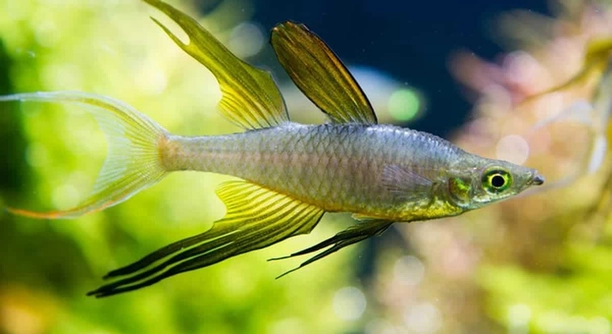
Do you ever notice your Threadfin Rainbowfish swimming in patterns that seem almost planned? These small, colorful fish bring life to home aquariums and show subtle behaviors that can hint at their daily routines.
Threadfin Rainbowfish are capable of learning to anticipate regular events in their environment. Through consistent feeding schedules and environmental cues, they develop predictable behavioral responses, demonstrating an elementary form of routine recognition and temporal learning.
Understanding how these fish respond to repeated patterns can improve care and enrichment, creating a healthier, more engaging environment for your aquarium community.
Observing Daily Patterns in Threadfin Rainbowfish
Watching Threadfin Rainbowfish over time reveals that they are surprisingly sensitive to regular schedules. When feeding occurs at the same time each day, they start to gather near the feeding area even before food is introduced. Their swimming patterns adjust slightly, and they often display subtle signs of anticipation, such as increased activity or hovering near familiar locations. This behavior is not only linked to food; they also respond to light changes, environmental adjustments, and the presence of other fish. Maintaining consistent conditions allows these fish to feel secure, and they seem to recognize that certain events are predictable. Their memory, though limited, is sufficient to learn patterns over repeated exposure, showing that even small, simple fish can form basic expectations about their surroundings. Regular observation helps identify these patterns, making care routines more effective and enjoyable for both the fish and the caretaker.
Recognizing these behavioral cues improves aquarium management. Fish that understand routines experience less stress and respond positively to consistent care.
Consistency in feeding, lighting, and tank maintenance allows Threadfin Rainbowfish to anticipate events. This not only reduces stress but encourages natural activity and engagement. By observing small signals, such as movement or position changes, caretakers can create a predictable environment that benefits the fish’s well-being.
Creating a Predictable Environment
Providing a stable environment is essential for Threadfin Rainbowfish. They thrive when conditions are uniform, including water temperature, light cycles, and feeding schedules.
Establishing predictability involves more than regular feeding times. Consistent tank cleaning, arranging plants and decorations in familiar positions, and controlling light exposure help fish recognize their surroundings. Sudden changes can lead to stress or erratic behavior. Over weeks, fish learn that certain cues, like the sound of food preparation or lights turning on, signal a familiar routine. This learning process reflects basic cognitive abilities, as fish link external events with expected outcomes. Predictable environments support healthy social interactions, reduce aggression, and encourage natural swimming and foraging behaviors. Providing an environment where they can anticipate regular events contributes to their physical health, lowers anxiety, and strengthens their adaptation to captivity. Understanding how these fish respond to routine allows caretakers to optimize care practices and foster a more harmonious aquarium.
Feeding Schedules and Behavior
Threadfin Rainbowfish respond strongly to consistent feeding times. They learn to associate specific cues, such as movement near the tank or the sound of food, with upcoming meals.
When feeding occurs regularly, these fish begin to anticipate the event, showing increased activity and gathering near the feeding area before food arrives. This behavior demonstrates that they can link environmental cues with expected outcomes. Over time, predictable feeding helps reduce stress and encourages natural foraging behavior. Irregular feeding, by contrast, may lead to confusion or agitation. Observing these patterns allows caretakers to refine routines, ensuring the fish remain healthy and active while reinforcing basic learning. Predictable schedules also support social stability within the tank, as fish learn when to compete or wait patiently for food.
Consistent feeding schedules encourage fish to develop memory-based expectations, creating a calmer and more responsive aquarium environment. Over time, fish adjust their daily activity patterns around these predictable events.
Light and Environmental Cues
Lighting changes influence fish behavior. Threadfin Rainbowfish react to gradual shifts, using light as a cue for activity and rest periods.
Managing light exposure consistently supports predictable routines. When lights turn on or off at set times, fish adjust swimming patterns and activity levels accordingly. Sudden or irregular light changes may cause stress or disorientation, affecting feeding and social behaviors. Alongside lighting, environmental consistency, such as plant placement and tank structure, helps fish recognize safe zones and familiar areas. By combining regular light cycles with steady tank arrangements, caretakers create a predictable setting that encourages learning and reduces anxiety. This approach allows fish to anticipate events naturally, improving overall well-being and behavioral stability.
Social Interaction and Routine
Threadfin Rainbowfish observe each other closely. When one fish anticipates a routine, such as feeding, others often follow, creating synchronized behavior within the tank.
This social learning reinforces predictable patterns. Fish adjust their swimming and positioning based on group activity, demonstrating collective recognition of routines and responses to environmental cues.
Impact of Tank Arrangement
The layout of the tank influences how fish interact with their environment. Consistent placement of plants, rocks, and hiding spots allows fish to develop familiarity, aiding in routine learning. Fish quickly recognize areas for resting, foraging, or socializing, which strengthens their ability to anticipate events.
Familiar surroundings reduce stress and encourage exploration. When changes are necessary, gradual adjustments help fish adapt without disrupting learned behaviors. Stable tank arrangements provide clear landmarks, supporting memory and spatial awareness. Over time, these factors combine to create a more predictable and comfortable habitat, enhancing both daily activity and long-term health.
Stress and Routine Disruption
Unexpected changes in feeding or environment can increase stress levels, affecting the fish’s ability to anticipate routine.
FAQ
How quickly can Threadfin Rainbowfish learn a routine?
Threadfin Rainbowfish can begin to anticipate regular events within a few days to a couple of weeks. The speed depends on consistency in feeding times, light cycles, and environmental cues. Fish that experience predictable conditions daily show clearer behavioral patterns compared to those in irregular environments. Repeated exposure to the same signals strengthens memory and recognition, allowing them to link cues with outcomes. Caretakers who maintain a steady schedule often notice subtle signs of anticipation, such as increased activity near feeding areas or adjusted swimming patterns.
Can all Threadfin Rainbowfish develop the same level of routine recognition?
Not all individuals respond equally. Some fish are naturally more attentive to environmental cues, while others may take longer to adjust. Factors like age, health, tank size, and social dynamics influence their learning. Younger fish tend to adapt faster, showing quicker responses to feeding schedules and light changes. Healthier fish are more active and likely to participate in social learning, where observing other fish strengthens anticipation of routines. Social interactions within the tank can accelerate or hinder routine recognition depending on how dominant or passive certain fish are.
What are the signs that a fish has learned a routine?
Clear indicators include swimming toward the feeding area before food is presented, hovering near light sources, and showing increased activity around regular events. Fish may also reduce aimless swimming and begin moving in more predictable patterns. These signs demonstrate memory and environmental awareness. Observing these behaviors over consecutive days confirms the fish is associating cues with expected outcomes. Caretakers can enhance learning by maintaining consistent timing and gradually reinforcing routines with small adjustments, such as slight delays in feeding to see if fish respond appropriately to cues rather than immediate food presentation.
How does tank environment affect routine learning?
A consistent environment, including plant placement, hiding spots, and water conditions, allows fish to navigate confidently. Stable surroundings reduce stress and improve focus on routines. Sudden changes can disrupt learned behaviors and increase anxiety, making fish hesitant or erratic. Predictable tank arrangements serve as landmarks, helping fish remember where activities typically occur. Gradual modifications, when necessary, prevent confusion while maintaining their sense of security. Environmental stability complements feeding and light schedules, creating a supportive framework for anticipating daily events.
Do fish show stress if routines are broken?
Yes, unexpected disruptions can lead to stress responses. Fish may become more restless, hide more frequently, or show erratic swimming. Breaking feeding schedules or changing environmental cues suddenly can trigger anxiety and reduce engagement in normal behaviors. Stress can also affect appetite and social interactions. Consistent routines help minimize these reactions, providing a sense of predictability. Observing the fish’s behavior after changes helps caretakers identify which disruptions are most impactful, guiding adjustments to maintain a stable and reassuring environment.
Can social learning affect routine recognition?
Threadfin Rainbowfish observe the behavior of tank mates closely. When one fish anticipates feeding or responds to environmental cues, others often follow. This social learning reinforces routine recognition, making group behavior more synchronized. Fish that are less attentive individually can still learn by observing peers, which strengthens the overall predictability of behaviors within the tank. Social cues, combined with consistent environmental and feeding patterns, create a collective sense of routine, benefiting all members of the aquarium.
How can caretakers encourage routine learning?
Maintain consistent feeding times, light cycles, and tank arrangements. Avoid sudden changes, and provide clear visual or auditory cues, such as tapping lightly on the tank or using the same feeding tool. Gradual adjustments help fish adapt without disrupting learned behaviors. Observing fish reactions daily allows caretakers to refine routines and ensure the environment supports predictable behavior. Consistency, patience, and careful observation are key to reinforcing routine recognition, improving both health and engagement for Threadfin Rainbowfish.
Is routine learning beneficial for overall health?
Yes, predictable routines reduce stress and support natural behaviors, such as foraging and social interactions. Fish in stable environments tend to eat regularly, swim actively, and show fewer signs of aggression or anxiety. Routine recognition strengthens memory and environmental awareness, enhancing long-term well-being. Consistent care practices also make it easier for caretakers to monitor health, ensuring problems are noticed early. Structured environments foster confidence in fish, allowing them to focus on daily activities rather than responding to unexpected stressors, ultimately improving life quality in captivity.
What role do light cues play in routine anticipation?
Lighting acts as a signal for activity and rest periods. Gradual and consistent light changes help fish develop predictable patterns. Fish learn to associate light transitions with feeding or exploration times, adjusting swimming behavior accordingly. Sudden or irregular lighting disrupts these learned patterns, increasing stress and reducing engagement. Combining light cues with feeding schedules and environmental stability enhances routine recognition, allowing Threadfin Rainbowfish to anticipate daily events naturally.
Can routine learning reduce aggression in a tank?
Yes, predictable routines provide structure, reducing competition and uncertainty. Fish learn when feeding occurs, where hiding spots are, and how to navigate the tank without conflict. This predictability minimizes disputes over resources and territory. Social learning within the group reinforces these patterns, allowing fish to coexist more harmoniously. Caretakers who maintain consistent schedules and stable environments notice calmer social interactions and less aggressive behavior over time.
How long does it take for a new fish to adapt to a routine?
Adaptation depends on the fish’s age, health, and previous experience. New fish may take several days to weeks to adjust fully. Gradual introductions to feeding schedules, light cycles, and tank arrangements support learning. Observation of early behaviors, such as tentative exploration and responses to feeding cues, indicates progress. Providing consistent cues and minimizing stressors accelerates adaptation. Social interactions with established fish can also aid learning, as new fish observe and mimic routine behaviors, creating a smoother transition into the tank’s predictable environment.
Can routine learning improve breeding success?
Yes, predictable conditions encourage natural behaviors, including spawning and territoriality. Fish that anticipate feeding and environmental cues are less stressed and more likely to engage in reproductive behaviors. Maintaining consistent routines, such as light cycles and feeding schedules, supports overall health, which is critical for breeding. Observing behavior patterns helps identify optimal conditions and timing, enhancing the likelihood of successful reproduction. Structured environments create a sense of security, allowing fish to focus energy on natural life processes rather than responding to unpredictable stimuli.
Do all environmental cues carry the same weight in routine learning?
No, some cues are more influential than others. Feeding signals and light changes tend to be the strongest triggers, while minor adjustments in decoration placement may have a smaller effect. Fish respond more consistently to cues that directly affect survival or daily activity. Caretakers should prioritize maintaining consistency in these key areas, while gradually introducing minor changes to avoid disrupting learned behaviors. Over time, even less significant cues can contribute to routine recognition if presented consistently and paired with stronger signals.
Can routine recognition vary with tank size?
Yes, larger tanks may require more cues or landmarks to help fish navigate and anticipate events. In smaller tanks, fish can easily associate locations and cues with outcomes, while larger environments may demand more repetition and observation. Consistent placement of plants, rocks, and feeding zones helps fish learn spatial relationships. Regardless of size, predictable schedules and environmental stability remain critical to developing routine recognition. Caretakers should adjust cues based on tank dimensions, ensuring all fish have access to clear signals for feeding, resting, and social interactions.
How can caretakers measure if a fish has truly learned a routine?
Observation over multiple days is key. Consistent anticipatory behavior, such as moving to feeding areas or adjusting swimming patterns at expected times, indicates learning. Recording behavior before and after cues, as well as monitoring responses to slight schedule shifts, helps assess understanding. Comparing individual and group responses provides insight into social learning effects. Caretakers can track indicators such as activity levels, position in the tank, and interaction with peers. Fish that consistently respond to cues without external prompting demonstrate true routine recognition, reflecting memory, adaptation, and environmental awareness.
Can routine learning prevent health issues?
Indirectly, yes. Fish in predictable environments experience less stress, maintain regular feeding, and engage in natural activity patterns. This stability supports immune function, reduces aggression, and encourages overall well-being. Routine recognition also allows caretakers to detect deviations in behavior quickly, helping identify illness early. Fish that anticipate daily events tend to be more active, display normal coloration, and maintain healthy appetites, all signs of a robust condition. Consistent care practices, paired with learned routines, create an environment where health issues are less likely to develop and easier to manage when they arise.
Are there limits to what Threadfin Rainbowfish can anticipate?
Yes, their cognitive abilities are limited. They respond best to repeated, predictable events like feeding, light changes, or social cues. Complex sequences or highly irregular patterns are unlikely to be learned. Caretakers should focus on simple, consistent routines to maximize anticipation. Overcomplicating schedules or frequently changing cues can confuse fish and increase stress, counteracting the benefits of routine learning. By keeping routines straightforward and reinforcing predictable cues, fish can develop reliable expectations while maintaining comfort and stability within the tank environment.
Do routine cues affect sleep or rest periods?
Yes, predictable cues help regulate activity and rest. Fish adjust swimming patterns based on light cycles and feeding times, allowing for natural rest periods. Consistent routines support a stable circadian rhythm, enhancing overall health and activity levels. Irregular cues can disrupt these patterns, leading to fatigue or stress. Threadfin Rainbowfish benefit from environments where daily schedules are maintained, as predictable light and activity signals reinforce natural behaviors, ensuring balanced energy levels and proper recovery during rest periods. Proper scheduling of light and feeding helps fish remain alert and healthy throughout their day.
How important is patience in teaching routines?
Patience is essential. Fish do not learn instantly, and subtle behaviors may take days to appear. Repetition, observation, and consistent cues allow fish to gradually recognize routines. Caretakers who adjust schedules too quickly or expect immediate results may increase stress and hinder learning. Observing small changes and maintaining steady practices ensures effective routine recognition. Patience also allows for understanding individual differences, as some fish adapt faster than others. A slow, deliberate approach maximizes learning outcomes, reinforcing predictable behaviors while minimizing stress and confusion.
What should be avoided when establishing routines?
Avoid sudden changes in feeding, lighting, or tank arrangement. Irregular schedules, loud disturbances, or abrupt decorations can confuse fish and reduce routine recognition. Overfeeding or inconsistent feeding also disrupts learned patterns. Maintaining predictability and gradual adjustments preserves comfort and encourages natural behaviors.
Can caretakers combine multiple cues to improve learning?
Yes, combining feeding, light, and social cues strengthens anticipation. Fish respond more reliably when multiple signals consistently indicate an upcoming event. For example, turning on a specific light followed by food presentation reinforces memory and learning. Multimodal cues accelerate routine recognition and enhance overall engagement.
Is routine recognition permanent?
Routine recognition persists as long as cues remain consistent. Prolonged irregularity may weaken learned behaviors, while steady schedules reinforce anticipation. Fish can re-learn disrupted routines over time with patience and repetition.
Final Thoughts
Threadfin Rainbowfish demonstrate remarkable adaptability when it comes to learning routines. Observing their behavior over consistent schedules shows that even small fish are capable of anticipating events in their environment. Predictable feeding times, steady light cycles, and stable tank arrangements allow these fish to develop expectations, creating a sense of security. Their reactions, such as moving to feeding areas early or adjusting swimming patterns around routine cues, indicate that they are processing repeated stimuli and forming simple memories. This learning is not limited to food; environmental cues and social signals from other fish also influence behavior. Recognizing these patterns helps caretakers understand how their fish perceive and interact with their surroundings, highlighting the importance of consistency in daily care.
Creating a predictable environment benefits the health and well-being of Threadfin Rainbowfish. Fish in stable conditions show reduced stress levels, more natural activity, and improved social behavior. Consistent routines allow them to explore, rest, and feed without unnecessary anxiety, supporting overall physiological and psychological health. Caretakers who pay attention to subtle behaviors can notice signs of anticipation and adjust care practices to reinforce positive habits. Tank layout, plant placement, and hiding spots play a significant role, providing landmarks that support routine learning and spatial awareness. Social interactions further enhance learning, as fish observe and mimic one another, strengthening the collective understanding of daily schedules. Predictability reduces confusion, minimizes aggression, and creates a calm, harmonious environment that supports both individual and group behaviors.
Implementing consistent routines requires patience, observation, and careful planning. Changes should be gradual to avoid disrupting established behaviors, and all cues—feeding, light, and environmental signals—should be aligned to reinforce predictable patterns. While routine recognition is not infinitely complex, it is sufficient to improve the quality of life for Threadfin Rainbowfish in captivity. Caretakers who focus on stability, repetition, and gentle reinforcement enable their fish to thrive, demonstrating the value of structured care. Understanding the role of anticipation and learned behavior not only enriches the fish’s daily experience but also strengthens the bond between caretaker and aquarium. By fostering an environment that supports memory, learning, and predictability, it becomes possible to provide a healthier, more engaging habitat, ensuring that these colorful, active fish remain vibrant and content.

Hello,
If you enjoy the content that we create, please consider saying a "Thank You!" by leaving a tip.
Every little bit helps us continue crafting quality advice that supports the health, happiness, and well-being of pets around the world, for pets of all shapes, sizes, and species.
We really appreciate the kindness and support that you show us!