
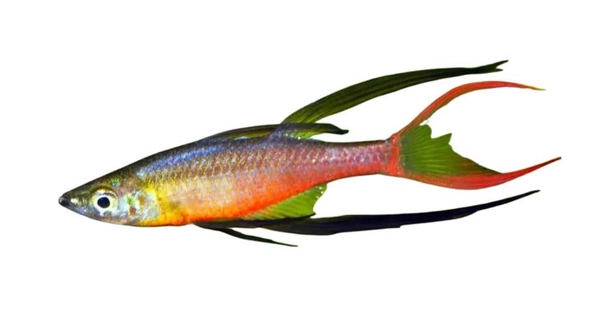
Do you enjoy keeping tropical fish but find yourself unsure about the best ways to house them? Threadfin Rainbowfish are known for their vibrant colors and active swimming, making them popular in home aquariums. Their delicate nature requires careful consideration.
Threadfin Rainbowfish are best kept in schools due to their social and schooling behavior. Maintaining groups of six or more individuals reduces stress, encourages natural activity, and promotes overall health, which is essential for their long-term survival in captivity.
Understanding proper group sizes, tank conditions, and behavioral needs will help you provide a thriving environment for your Threadfin Rainbowfish. This article will guide you through the key factors for their care.
Why Threadfin Rainbowfish Thrive in Schools
Threadfin Rainbowfish are naturally social and feel safest when surrounded by others of their kind. In small groups, they can become stressed, hide frequently, and display less vibrant colors. Keeping them in larger schools encourages natural swimming patterns, interaction, and reduces aggressive behavior. Observing a group of six or more swimming together can be calming, as they move in unison, exploring the tank and responding to each other. Stress is a major factor affecting their health, and schooling provides security and reassurance. Proper tank size, hiding spots, and water quality are essential to support a school effectively. When these fish are isolated, they often become sluggish or develop health issues. Feeding becomes more balanced in a school, as the fish establish minor social hierarchies that reduce competition. Maintaining consistent water temperature and filtration ensures their environment supports active schooling behavior. Overall, the social structure of Threadfin Rainbowfish directly contributes to their well-being and vibrant appearance in the aquarium.
Keeping at least six reduces stress and helps them maintain natural behaviors and vibrant colors.
Schooling not only prevents stress but also encourages healthy activity. A group will explore together, establish minor hierarchies, and feed more evenly. Providing a spacious tank with plants and open swimming areas enhances this behavior, ensuring they remain lively and visually appealing.
Tank Setup for Schooling Threadfin Rainbowfish
A proper tank setup supports healthy schooling behavior and reduces stress.
Threadfin Rainbowfish require a long tank with open swimming space and several hiding spots. Plants, smooth rocks, and driftwood provide shelter and break lines of sight, which prevents bullying and helps fish feel secure. A tank of at least 30 gallons is recommended for a school of six, with filtration strong enough to maintain water clarity but gentle enough to avoid strong currents. Regular water changes are critical, as these fish are sensitive to poor water quality. Substrate choice should allow easy cleaning while supporting live plants. Lighting should mimic natural conditions to maintain vibrant colors. Temperature and pH levels must be consistent, generally between 24–28°C and pH 6.5–7.5. Adding a few floating plants helps diffuse light and reduce stress. Proper tank mates are essential, as aggressive or territorial species can disrupt schooling behavior. Overall, a carefully designed tank ensures a safe, healthy, and visually appealing environment for a thriving school of Threadfin Rainbowfish.
Feeding Threadfin Rainbowfish in Schools
Feeding Threadfin Rainbowfish in groups requires careful portioning to ensure all fish receive adequate nutrition. Overfeeding can foul the water, while underfeeding may cause stress and aggression. Using small, frequent meals helps maintain water quality and supports active, healthy schooling behavior.
A varied diet is essential for Threadfin Rainbowfish. High-quality flake food, micro pellets, and occasional live or frozen foods like brine shrimp and daphnia provide balanced nutrition. Feeding small amounts multiple times daily encourages natural foraging and reduces competition among school members. Observing the group during feeding helps identify shy or weaker fish, ensuring all individuals get food. Avoid dropping excessive food, as uneaten portions decay quickly, impacting water quality. Combining plant-based and protein-rich options promotes vibrant colors and overall health. Maintaining consistency in feeding times strengthens the school’s routine and reduces stress, keeping fish active and displaying their natural behaviors.
Supplementing with occasional treats like finely chopped vegetables or frozen foods can enhance color and vitality. Rotating food types prevents nutritional gaps and keeps the school engaged during feeding times. Proper feeding techniques ensure a healthy, balanced group dynamic and maintain long-term health for all individuals in the tank.
Monitoring Health and Behavior in Schools
Regular observation helps detect early signs of stress or illness in Threadfin Rainbowfish schools. Changes in swimming patterns, color fading, or isolation may indicate environmental or health issues.
Maintaining water quality is critical for the health of a school. Frequent testing of pH, ammonia, nitrite, and nitrate levels ensures the tank remains within safe parameters. Observing interactions within the school helps identify dominant or aggressive individuals that may require intervention. Quarantining new fish before adding them to the main tank prevents disease introduction. Prompt treatment of any illness or injury keeps the entire school stable. In addition, maintaining consistent lighting, temperature, and filtration supports overall well-being. Paying attention to these factors allows for timely adjustments, minimizing stress and maximizing longevity. Monitoring food intake and waste production provides further insight into the group’s health.
Behavioral enrichment also plays a role in keeping Threadfin Rainbowfish active and alert. Rearranging plants, adding new hiding spots, or varying feeding locations encourages exploration and reduces boredom. Observing their schooling patterns can reveal subtle health changes, as lethargic or separated fish may need closer attention. Regular monitoring ensures a balanced social structure, prevents aggression, and promotes vibrant coloration and active movement throughout the school.
Breeding Threadfin Rainbowfish in Schools
Threadfin Rainbowfish breed more successfully in schools because social interaction stimulates natural spawning behaviors. A group environment encourages healthy pair bonding and reduces stress, increasing the likelihood of consistent egg laying and fry survival.
Providing flat surfaces or fine-leaved plants in the tank helps protect eggs. Schools will scatter eggs among plants, reducing predation risk. Maintaining stable water conditions and feeding a nutritious diet supports reproductive health. Observing the school during breeding allows careful monitoring of dominant pairs and ensures weaker fish are not excluded from feeding or shelter.
Tank Mates for Threadfin Rainbowfish
Choosing compatible tank mates is essential for a peaceful school. Avoid aggressive or territorial species that may stress the group. Small, non-aggressive community fish such as tetras, danios, or peaceful rasboras make suitable companions, maintaining harmony in the tank.
Common Challenges in Schooling
Managing a school of Threadfin Rainbowfish comes with specific challenges. Overcrowding can lead to stress, reduced water quality, and aggressive behaviors. Monitoring group size, tank space, and water parameters prevents these issues, ensuring the school thrives and displays natural schooling patterns.
Benefits of Maintaining a School
Keeping Threadfin Rainbowfish in schools encourages active swimming, social interaction, and natural behaviors. A well-maintained school results in healthier, more vibrant fish, enhancing both visual appeal and long-term health.
FAQ
How many Threadfin Rainbowfish should be kept together?
Threadfin Rainbowfish are schooling fish and do best in groups of six or more. Smaller numbers often cause stress, reduced activity, and dull coloration. Maintaining a proper school size encourages natural swimming patterns, social interaction, and overall health, allowing the fish to thrive in a home aquarium environment.
What size tank is needed for a school of Threadfin Rainbowfish?
A minimum of 30 gallons is recommended for a school of six fish. Longer tanks are preferred to provide ample swimming space. Adding plants, smooth rocks, and driftwood creates shelter and helps break lines of sight, reducing stress and aggression within the school. Proper filtration and water circulation are also necessary.
What type of water conditions do they require?
Threadfin Rainbowfish prefer stable water conditions. Ideal temperature ranges from 24–28°C, with a pH of 6.5–7.5. Ammonia, nitrite, and nitrate levels should be closely monitored. Frequent water changes and consistent filtration are essential to maintain healthy water quality, which supports vibrant colors and schooling behavior.
What should I feed a school of Threadfin Rainbowfish?
A varied diet keeps them healthy and colorful. High-quality flake food, micro pellets, and occasional live or frozen foods such as brine shrimp or daphnia are ideal. Feeding small amounts multiple times a day encourages natural foraging and prevents competition, ensuring all members of the school receive proper nutrition.
Can Threadfin Rainbowfish live with other fish?
Yes, they are peaceful and do well with other non-aggressive community fish. Suitable tank mates include tetras, rasboras, and small danios. Avoid large, aggressive, or territorial species, as they can disrupt schooling behavior, stress the group, and potentially injure the fish.
How can I tell if a fish is stressed?
Signs of stress include hiding, reduced activity, loss of color, or separation from the school. Observing their swimming patterns and behavior during feeding or daily activity helps identify individuals that may need closer attention or adjustments in tank conditions. Prompt action can prevent illness and improve overall school health.
How do I encourage breeding in a school?
A group environment stimulates natural spawning behavior. Providing fine-leaved plants or flat surfaces for eggs helps protect them. Stable water conditions, high-quality nutrition, and observing dominant pairs increase the chances of successful breeding. Schools spread eggs across the tank, reducing predation and improving fry survival rates.
What common problems occur with schools of Threadfin Rainbowfish?
Overcrowding, poor water quality, and incompatible tank mates are the main issues. These problems can lead to stress, aggression, and disease. Regular observation, proper tank maintenance, and monitoring school size prevent problems and ensure the group remains active, healthy, and visually appealing.
How do I maintain a balanced social structure?
Observing interactions within the school helps identify aggressive or dominant individuals. Providing sufficient space, hiding spots, and regular feeding reduces competition. Balanced social structures keep the group cohesive, minimize stress, and promote vibrant coloration, ensuring a healthy and lively school.
Can I keep Threadfin Rainbowfish alone?
Keeping them alone is not recommended. Isolated fish often become stressed, lethargic, or lose color. A school environment is essential for their mental and physical health, encouraging natural behaviors and a more active, visually engaging display in the tank.
This FAQ covers essential care, behavior, and maintenance considerations, ensuring that your school of Threadfin Rainbowfish thrives in a stable and healthy aquarium environment.
Final Thoughts
Threadfin Rainbowfish are lively, colorful, and social fish that thrive when kept in schools. Their natural behavior depends on being in groups of six or more, which allows them to swim actively, interact with each other, and display their full range of colors. Keeping them in smaller numbers or alone can cause stress, reduce activity, and even affect their health. Observing a well-maintained school is rewarding because the fish move together naturally, explore the tank, and show more vibrant coloration than isolated individuals. Providing proper space, hiding spots, and a balanced diet helps the school remain healthy and energetic. Tank size, water quality, and careful attention to feeding are all key to supporting a thriving group.
Maintaining water conditions is critical for the well-being of Threadfin Rainbowfish. They require stable temperatures, pH levels, and clean, filtered water to remain healthy. Ammonia, nitrite, and nitrate levels should be monitored regularly, and water changes should be done as needed to maintain optimal conditions. A long tank with open swimming areas, plants, and smooth decorations helps reduce stress and supports natural behaviors. Introducing new fish should always involve quarantine measures to prevent disease from spreading within the school. Selecting compatible tank mates ensures the group remains peaceful and avoids aggression that could disrupt schooling. A well-maintained environment not only promotes health but also enhances the natural beauty of the fish.
Feeding and observing the fish regularly is equally important. A varied diet of flake food, micro pellets, and occasional live or frozen foods such as brine shrimp provides balanced nutrition and keeps the school active. Observing their interactions during feeding helps identify shy or weaker fish, ensuring all members receive food. Providing enrichment, such as rearranging plants or adding hiding spots, encourages exploration and reduces boredom. Threadfin Rainbowfish also breed more successfully in schools, and proper conditions, including stable water, sufficient nutrition, and flat or fine-leaved surfaces for eggs, support reproduction. Overall, keeping a school of Threadfin Rainbowfish requires attention to detail, but the result is a healthy, vibrant, and engaging display that reflects their natural social behavior and adds life to any aquarium.

Hello,
If you enjoy the content that we create, please consider saying a "Thank You!" by leaving a tip.
Every little bit helps us continue crafting quality advice that supports the health, happiness, and well-being of pets around the world, for pets of all shapes, sizes, and species.
We really appreciate the kindness and support that you show us!