
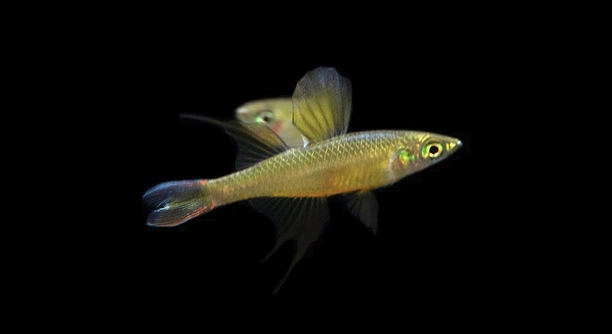
Do you ever find yourself noticing that your Threadfin Rainbowfish is not as bright and colorful as it once was? Subtle changes in appearance can feel worrying, especially when their colors seem to fade more each day.
Threadfin Rainbowfish often lose color due to stress, poor water quality, improper diet, illness, or unsuitable tank conditions. Identifying the root cause is essential, as color loss is usually an indicator of underlying environmental or health issues.
By understanding the most common reasons behind fading colors, you can take the right steps to restore your fish’s natural beauty and health.
Stress from the Environment
Stress is one of the most common reasons your Threadfin Rainbowfish may lose its color. These fish thrive in calm, stable conditions, and sudden changes can weaken their vibrancy. Loud noises, excessive tank activity, or aggressive tankmates can all contribute to heightened stress. Even something as simple as rearranging decorations too often can unsettle them. When fish feel unsafe, their body naturally conserves energy, often leading to duller colors. Providing plenty of hiding spots, maintaining a peaceful environment, and choosing compatible tankmates can help reduce stress. A calm and steady habitat is essential for keeping their colors bright.
Stress can be subtle, but it shows quickly in fading colors. By observing their environment closely, you can often find small stressors that make a big difference in their overall health and appearance.
Taking steps to reduce stress will not only help restore your fish’s colors but also improve their long-term well-being. Avoid overcrowding, give them space to swim freely, and ensure the lighting and water flow are balanced. These adjustments create a more secure setting, allowing your fish to express their natural colors fully. The goal is to establish a tank environment where your Threadfin Rainbowfish can feel consistently safe and comfortable.
Poor Water Quality
Poor water quality is another leading reason for fading colors. Fish rely on clean water with stable parameters, and even minor imbalances can cause them distress. Ammonia spikes, incorrect pH, and excess nitrates all reduce their vibrancy and weaken their health.
Maintaining excellent water quality requires regular monitoring and consistent care. Threadfin Rainbowfish are sensitive to changes, so parameters must stay within stable ranges. Weekly water changes are essential for preventing harmful buildups that can damage their health. Using a reliable testing kit ensures you can track ammonia, nitrite, nitrate, and pH accurately. Keeping water clean also supports their immune system, making them less vulnerable to illness. Good filtration helps oxygen levels stay balanced, while stable temperatures prevent additional stress. By paying attention to these factors, you protect your fish from fading colors and potential illness. Their vibrant appearance depends on the quality of the water they live in every day.
Improper Diet
A poor diet can cause your Threadfin Rainbowfish to lose color over time. These fish need a mix of high-quality flakes, pellets, and live or frozen foods rich in proteins and essential nutrients.
Feeding only one type of food limits the nutrients they receive, which weakens their coloration and overall health. A balanced diet with brine shrimp, daphnia, and bloodworms helps bring out their natural hues. Vegetables like spirulina also support vibrant colors and keep digestion healthy. Rotating their food ensures they get the variety needed to maintain energy and brightness, preventing dull or faded scales.
When planning meals, portion control matters as much as variety. Overfeeding leads to poor water quality, while underfeeding leaves your fish weak and stressed. Aim for small, regular feedings that are eaten within minutes. Consistent nutrition paired with moderation gives your Threadfin Rainbowfish the strength to thrive, making their colors rich and striking again.
Illness or Disease
Illness often reveals itself through fading colors. Threadfin Rainbowfish may look dull when battling infections, parasites, or internal issues. Common signs like clamped fins, lethargy, or unusual swimming patterns should never be ignored when color loss is also present.
Many diseases linked to poor water conditions can be prevented through clean water and proper care. Quarantining new fish before adding them to the tank lowers the risk of spreading infections. If illness develops, isolating the sick fish and treating it with the right medication is important. Early detection helps prevent severe health decline and gives the fish a chance to recover fully.
Inadequate Lighting
Lighting affects the way Threadfin Rainbowfish display their colors. Without proper light, their natural hues may fade, appearing duller over time. Balanced lighting that mimics daylight brings out their brightness and supports their overall health.
Too much or too little lighting creates stress. Excessive brightness can make fish hide, while dim conditions reduce their natural color expression. A consistent lighting schedule of 8–10 hours daily is ideal, allowing their colors to show fully without overwhelming their environment.
Aging
As Threadfin Rainbowfish age, their colors may naturally fade. This change is not always a sign of illness or poor care, but rather a normal part of their life cycle. Proper care can still keep them looking healthy and active.
Genetic Factors
Some Threadfin Rainbowfish are simply born with weaker coloration due to genetics. Even with excellent care, their colors may never appear as vibrant as others. This is natural variation and does not necessarily indicate poor health or stress.
FAQ
Why is my Threadfin Rainbowfish losing color suddenly?
Sudden color loss is usually a sign of stress or a rapid change in the environment. Common triggers include fluctuations in water temperature, poor water quality, aggressive tankmates, or recent tank rearrangements. Monitoring the tank closely and restoring stability often brings their colors back.
Can poor water quality cause fading colors?
Yes, poor water quality is one of the most frequent reasons for color loss. High ammonia, nitrite, or nitrate levels, fluctuating pH, and unclean water can all stress your fish. Regular water changes, testing, and proper filtration are key to maintaining vibrant coloration.
How does diet affect my fish’s colors?
A diet lacking variety and essential nutrients can dull a Threadfin Rainbowfish’s colors. Protein-rich foods, live or frozen options like brine shrimp, and occasional vegetable supplements support bright colors. Rotating food types ensures they get all necessary vitamins and minerals.
Could stress be the reason for fading colors?
Stress significantly impacts coloration. Factors like overcrowding, aggressive tankmates, excessive noise, or sudden changes in lighting can make fish hide or swim erratically. Providing hiding spots, compatible companions, and a calm environment helps reduce stress and restore color.
Is illness a common cause of fading colors?
Yes, illness often manifests as dull or faded colors. Parasites, bacterial infections, and other health issues can make fish appear washed out. Look for additional signs like clamped fins, unusual swimming, or loss of appetite. Early treatment and proper care are critical.
Does aging affect color intensity?
Threadfin Rainbowfish naturally lose some coloration as they age. Older fish may not be as vibrant, even under optimal conditions. Proper care, nutrition, and stable water conditions can help maintain a healthy and attractive appearance despite age-related fading.
Can lighting influence my fish’s colors?
Lighting plays a crucial role in how their colors appear. Inadequate or excessive lighting can dull their natural hues. Maintaining a balanced light cycle of around 8–10 hours per day helps display their colors fully while keeping them comfortable.
Are genetics a factor in color vibrancy?
Genetics can determine the intensity and range of colors. Some fish are naturally less vibrant, and even with ideal care, their colors may never reach the same brightness as others. This is normal and does not indicate poor health.
How can I help my fish regain color?
Focus on stable water parameters, a balanced diet, appropriate lighting, and a calm tank environment. Addressing stressors, treating illnesses promptly, and ensuring proper nutrition all contribute to restoring natural coloration over time.
How long does it take for colors to return?
Recovery depends on the cause and severity of color loss. Minor stress or dietary issues may improve in a few days to weeks. Illness-related fading might take longer, depending on treatment effectiveness. Consistent care is key for visible improvement.
Should I isolate a stressed or sick fish?
Yes, isolating a sick or stressed fish in a quarantine tank prevents disease spread and reduces stress from tankmates. It also allows targeted treatment and closer monitoring, improving recovery chances while protecting the main tank.
Are there preventive measures to avoid color loss?
Regular water testing, proper filtration, varied nutrition, appropriate lighting, and observing behavior consistently prevent most causes of fading colors. Maintaining a calm, clean, and stable environment ensures that Threadfin Rainbowfish remain vibrant and healthy long-term.
Can tank size affect their color?
Overcrowding reduces swimming space and increases stress, which can lead to color fading. Providing enough room for swimming, hiding spots, and proper territorial boundaries supports natural behavior and helps maintain bright colors.
Does temperature fluctuation impact coloration?
Yes, sudden changes in temperature stress fish and can dull their colors. Keeping a stable range, typically between 24–28°C (75–82°F), is important. Using a reliable heater and thermometer ensures consistency, reducing color loss caused by thermal stress.
Is it normal for colors to fade during molting or growth?
Some temporary dulling occurs during growth or minor scale shedding. This is normal, and colors usually return once the process is complete. Consistent care and stable conditions help your fish regain full vibrancy after these natural cycles.
Can tank decorations influence color expression?
Yes, bright or reflective surfaces, as well as lack of hiding spaces, can affect how fish display their colors. Natural plants, subdued backgrounds, and safe decorations allow fish to feel secure and show their best colors.
What role does water hardness play?
Water hardness influences stress levels and overall health. Threadfin Rainbowfish prefer moderately soft to slightly hard water. Extreme hardness or softness can affect their comfort and make colors appear duller over time. Maintaining stable conditions is essential.
How do I know if fading colors are serious?
If fading is accompanied by lethargy, loss of appetite, unusual swimming, or physical changes, it indicates a serious health or environmental problem. Immediate action, including testing water and consulting care guides, is necessary to prevent further decline.
Is it safe to use color-enhancing foods or supplements?
Yes, high-quality foods containing natural color enhancers like carotenoids can support brighter colors. However, they should complement a balanced diet, not replace it. Excessive supplementation may cause health issues, so moderation is important.
Can stress from tankmates be subtle but impactful?
Yes, even non-aggressive fish that are overly active or territorial can cause stress, leading to fading colors. Observing interactions carefully and rearranging the tank or selecting compatible species helps reduce ongoing stress and supports natural coloration.
Are water changes really necessary for color maintenance?
Absolutely. Regular water changes remove waste and toxins, maintain stable parameters, and reduce stress, all of which help preserve vibrant coloration. Even minor neglect can gradually dull colors, making consistent maintenance a key part of care.
How often should I check water parameters?
Weekly testing is recommended for ammonia, nitrite, nitrate, pH, and temperature. Frequent checks help catch issues early, preventing stress-related color loss and ensuring your Threadfin Rainbowfish remain healthy and vibrant.
Can poor filtration contribute to fading colors?
Yes, inefficient filtration reduces water quality, leading to stress and health problems that cause dull colors. Using a filter appropriate for your tank size and maintaining it regularly ensures water stays clean and safe for vibrant fish.
Do seasonal changes affect their colors?
Seasonal light variations or temperature fluctuations can subtly impact coloration. Maintaining consistent tank lighting and stable temperature helps prevent fading, keeping fish bright year-round despite changes in the external environment.
How can I tell if fading is temporary or permanent?
Temporary fading usually improves once stressors, illness, or diet issues are addressed. Permanent fading often relates to genetics or aging. Observing behavior, health, and environmental conditions over time helps determine the cause and expected recovery.
Are tankmates a cause of stress even if they are peaceful?
Yes, even peaceful fish can compete for food or space, subtly stressing Threadfin Rainbowfish. Monitoring interactions and ensuring enough space for all fish reduces stress and helps maintain bright colors.
Can my fish’s mood affect its coloration?
Fish do display mood-related color changes. Stress, fear, or discomfort often dull colors, while calm, healthy fish exhibit their natural vibrancy. Creating a secure and stable environment encourages positive behavior and better color expression.
Does light spectrum matter for showing colors?
Yes, full-spectrum lighting enhances natural coloration, while certain bulbs may mute their hues. Using lighting designed for freshwater aquariums helps Threadfin Rainbowfish show their colors fully without causing stress.
Can adding plants help with color maintenance?
Live plants improve water quality, provide hiding spots, and reduce stress, all of which contribute to maintaining vibrant colors. They create a natural environment where fish feel secure, encouraging them to display their full range of hues.
Is fading always reversible?
Not always. Fading caused by stress, diet, or illness is often reversible with proper care. Fading from genetics or age may be permanent. Identifying the cause is key to understanding whether color restoration is possible.
Can I prevent color loss from the start?
Yes. Stable water conditions, proper nutrition, suitable tankmates, appropriate lighting, and regular monitoring prevent most causes of color loss. Consistent care from the beginning supports vibrant, healthy Threadfin Rainbowfish over their lifetime.
Are there signs to watch for alongside fading colors?
Watch for clamped fins, lethargy, poor appetite, abnormal swimming, or spots. These signs often accompany health or environmental issues that cause fading, helping you identify and address problems early.
How important is tank size for color maintenance?
Tank size impacts stress and swimming freedom. Small or overcrowded tanks increase stress, which dulls colors. Providing enough space ensures fish can swim comfortably, maintain territory, and express natural coloration fully.
Can sudden changes in water chemistry be harmful?
Yes, rapid changes in pH, hardness, or temperature stress fish and cause fading. Gradual adjustments, along with consistent monitoring, protect their health and support natural, vibrant coloration.
Should I consult a vet if colors don’t return?
Yes. Persistent fading despite proper care may indicate an underlying health problem. Consulting a vet or aquatic specialist ensures accurate diagnosis and appropriate treatment, improving your fish’s chances of recovery.
Is it normal for males and females to differ in color?
Yes, males typically have brighter, more vibrant colors, while females may appear duller. This is natural sexual dimorphism and does not necessarily indicate stress or illness.
How does tank placement affect colors?
Placing a tank in direct sunlight or near heat sources can stress fish, leading to color loss. A stable, moderate-light location helps maintain consistent coloration and overall fish health.
Do temperature swings at night matter?
Yes, even small drops in temperature overnight can stress sensitive fish. Using a reliable heater and monitoring night temperatures prevents fading caused by thermal stress.
Can color fade indicate internal problems?
Yes, issues like organ dysfunction or parasite infestations may show first as dull colors. Observing behavior and appetite alongside color changes helps identify internal health concerns early.
Is it normal for juveniles to change colors as they grow?
Yes, young fish often develop brighter hues as they mature. Temporary dullness in juveniles is usually part of growth and does not indicate illness or poor care.
Do different fish species affect my Threadfin Rainbowfish’s color?
Aggressive or overly active species may stress your Rainbowfish, causing fading. Choosing compatible species and observing interactions ensures a calm tank and helps preserve natural coloration.
Can I use supplements safely to boost color?
Yes, supplements like carotenoids can enhance colors, but they should complement a balanced diet. Overuse may harm health, so moderation and careful selection of high-quality products are important.
Does tank decoration density matter?
Yes, cluttered tanks limit swimming space and increase stress. A well-arranged tank with adequate hiding spots allows fish to feel secure, helping them display full coloration naturally.
Can seasonal fish shedding affect colors?
Some shedding or minor scale replacement can temporarily dull colors. This is normal, and colors typically return once the process is complete, provided the fish is healthy and water conditions are stable.
How can I keep colors consistent year-round?
Maintaining stable water parameters, consistent lighting, balanced nutrition, and a calm environment helps ensure your Threadfin Rainbowfish retains vibrant colors throughout the year, regardless of seasonal or environmental changes.
What is the most effective long-term strategy for vibrant colors?
Consistent care, including stable water quality, proper diet, compatible tankmates, adequate lighting, and attentive observation, supports the long-term health and natural coloration of Threadfin Rainbowfish. Regular maintenance and preventive practices are essential for sustaining their beauty.
How do I know when color fading is serious enough to act immediately?
If fading occurs alongside lethargy, loss of appetite, unusual swimming, or visible spots, act immediately. Early intervention prevents further health decline and helps restore natural coloration.
Can introducing new fish affect colors?
Yes, new fish may introduce stress or disease. Quarantining newcomers and monitoring interactions helps protect your existing fish’s health and maintain vibrant coloration.
How much does water temperature stability matter?
Temperature stability is crucial. Fluctuations stress fish, dull colors, and can trigger health issues. Maintaining a consistent range, usually 24–28°C, supports vibrant coloration and overall well-being.
Are all color-enhancing foods equally effective?
No. Quality, ingredient composition, and variety determine effectiveness. Natural sources like carotenoids work best, while low-quality foods may have little impact or cause health problems. Balanced nutrition is always the priority.
How do I differentiate stress-induced fading from disease?
Stress-induced fading usually occurs after environmental changes and is reversible with adjustments. Disease-related fading comes with additional signs like clamped fins, lethargy, spots, or loss of appetite and requires treatment.
Can water hardness swings affect color?
Yes. Sudden changes in hardness create stress, leading to dull colors. Stable water chemistry, matched to the species’ preferences, prevents fading and supports healthy, vibrant fish.
Does tank lighting duration affect colors?
Yes. Too short or too long lighting periods reduce color expression. An 8–10 hour daily light cycle supports natural vibrancy while preventing stress and fatigue.
Is it normal for colors to appear different under various lights?
Yes, lighting type and spectrum can change the appearance of colors. Full-spectrum lights best show natural hues, while some bulbs may make them look muted. Proper lighting enhances visual vibrancy without stressing the fish.
Can water flow intensity influence coloration?
Yes. Strong currents can stress Threadfin Rainbowfish, reducing color expression. Gentle, moderate water flow that mimics natural conditions helps them remain calm and display full coloration naturally.
How does tank cleanliness impact colors?
Dirty tanks increase stress and disease risk, leading to dull colors. Regular cleaning, water changes, and proper filtration maintain a healthy environment where fish can display their natural vibrancy.
Can overstocking a tank cause color loss?
Yes, overcrowding increases stress and competition, leading to fading. Ensuring enough space for swimming and hiding helps fish maintain bright, healthy colors while reducing stress-related health issues.
Do stress and illness interact to affect color?
Yes. Stress weakens the immune system, making fish more prone to illness. Illness further dulls colors, creating a cycle that can only be broken with proper care, treatment, and a stable environment.
Is color loss reversible after illness?
Often, yes, if treatment is timely and water conditions are restored. Recovery depends on the severity of illness and the overall health of the fish. Maintaining supportive care encourages the return of natural colors.
How often should I monitor my fish for color changes?
Daily observation is best. Early detection of fading or other changes allows prompt action to address stress, illness, or environmental issues, preserving both health and coloration.
Do males and females respond differently to stress in terms of color?
Yes. Males often show more dramatic color changes under stress, while females may appear duller but less reactive. Both require stable conditions to maintain healthy coloration.
Can seasonal feeding variations affect colors?
Yes, seasonal changes in food availability or nutrient intake may impact vibrancy. Consistent, high-quality nutrition throughout the year ensures colors remain stable and bright.
Is gradual improvement normal after addressing fading causes?
Yes. Color restoration takes time, especially after stress or illness. Consistent care, proper nutrition, and stable conditions gradually bring colors back without sudden fluctuations, reflecting the fish’s recovery process.
Are certain tank backgrounds better for showing colors?
Neutral or dark backgrounds enhance visibility of natural hues. Bright or reflective surfaces may make colors appear muted. Choosing the right backdrop helps fish display their full vibrancy naturally.
Can stress from human activity impact coloration?
Yes, frequent tapping, sudden movements, or constant disturbances near the tank can stress fish, causing dull colors. A calm environment minimizes these effects and supports healthy color expression.
How do I know if my fish is recovering its colors properly?
Improvement in fin movement, activity, appetite, and gradual return of brightness indicates recovery. Monitoring behavior alongside coloration provides a clear picture of progress.
Are there long-term strategies to prevent color loss?
Maintaining consistent water quality, proper diet, balanced lighting, compatible tankmates, and regular monitoring is the most effective long-term approach. Proactive care ensures vibrant, healthy Threadfin Rainbowfish over their lifetime.
Can introducing hiding spots improve colors?
Yes, providing plants, caves, and other shelters reduces stress, giving fish security. Comfortable fish display brighter, more natural colors, showing their full vibrancy.
Does feeding frequency affect coloration?
Yes, consistent small feedings prevent stress and support optimal health. Irregular feeding or overfeeding can lead to dull colors, poor digestion, and weakened immune response, affecting overall vibrancy.
Can color-enhancing supplements replace a proper diet?
No. Supplements enhance colors but cannot replace balanced nutrition. They work best as part of a varied, high-quality diet to maintain health and natural vibrancy simultaneously.
Are all fading incidents reversible?
Not always. Causes like stress, poor diet, or illness are often reversible, while genetics or age-related fading may be permanent. Understanding the root cause helps set realistic expectations for recovery.
How critical is tank stability for color maintenance?
Tank stability in water parameters, lighting, temperature, and social dynamics is essential. Sudden changes cause stress and fading, while consistency promotes natural, long-lasting vibrancy in Threadfin Rainbowfish.
Do seasonal temperature shifts affect colors?
Yes. Sudden temperature drops or rises can stress fish, leading to dull colors. Stable heating and monitoring throughout the year minimize seasonal effects on coloration.
Can overfeeding lead to color loss?
Yes. Overfeeding increases waste and reduces water quality, causing stress and fading colors. Feeding controlled portions prevents water issues and maintains healthy, vibrant fish.
Does tank location influence coloration?
Yes. Direct sunlight or frequent disturbances can stress fish, dulling their colors. Placing the tank in a stable, moderate-light location supports consistent vibrancy and well-being.
How do I balance all factors to maintain color?
Focus on stable water quality, proper diet, suitable lighting, tankmates, and regular monitoring. Addressing all these areas simultaneously ensures Threadfin Rainbowfish remain bright, healthy, and vibrant.
Is temporary fading normal after stress?
Yes. Minor stress, like tank cleaning or mild environmental changes, may temporarily dull colors. Once conditions stabilize, natural vibrancy usually returns within days to weeks.
How long should I monitor for changes after adjusting care?
Observe daily for at least several weeks. Gradual improvement indicates the adjustments are effective, while persistent dullness may require reevaluation of care practices.
Can tankmate introduction cause long-term fading?
Yes, incompatible or aggressive new fish can cause ongoing stress and color loss. Monitoring interactions and making adjustments quickly prevents permanent fading.
**Does consistent
Final Thoughts
Watching a Threadfin Rainbowfish lose its color can be worrying, especially when you have invested time and care into maintaining a healthy aquarium. Fading colors are rarely random and usually indicate underlying issues. Stress, poor water quality, improper diet, illness, aging, genetics, and environmental factors all play significant roles in how your fish’s colors appear. Understanding these factors is the first step toward addressing the problem. It is important to pay attention to your fish daily, observing changes in behavior, appetite, and appearance. Often, subtle signs appear before the color loss becomes noticeable, allowing you to take corrective actions early. Regular observation combined with proper maintenance ensures that you can prevent many common causes of fading colors.
Consistency in care is essential for keeping Threadfin Rainbowfish vibrant. Stable water parameters, such as temperature, pH, hardness, and cleanliness, provide a foundation for their health. Proper nutrition with varied and high-quality foods supports energy levels and coloration. Environmental factors, including lighting, tank decorations, and suitable tankmates, also impact their appearance. Stress, whether from overcrowding, aggressive companions, or sudden changes in the tank, can quickly dull colors. By maintaining a calm and stable environment, you reduce the likelihood of stress-induced fading. Even with aging or genetic limitations, providing optimal care ensures your fish remain healthy, active, and as colorful as possible.
Addressing color loss requires a combination of observation, patience, and proactive measures. If the cause is stress or dietary, improvements may appear within days or weeks with consistent care. Illness requires prompt identification and treatment to prevent further deterioration. Some factors, such as genetics or natural aging, are beyond control, but understanding them helps set realistic expectations. Overall, maintaining a balanced, stable, and healthy aquarium environment is the most effective way to preserve the natural vibrancy of Threadfin Rainbowfish. Consistent attention to water quality, nutrition, lighting, and tank dynamics not only restores fading colors but also promotes long-term health and well-being. Caring for these fish involves a holistic approach that prioritizes their physical and emotional comfort, ensuring that they thrive and display their beautiful, characteristic colors.

Hello,
If you enjoy the content that we create, please consider saying a "Thank You!" by leaving a tip.
Every little bit helps us continue crafting quality advice that supports the health, happiness, and well-being of pets around the world, for pets of all shapes, sizes, and species.
We really appreciate the kindness and support that you show us!