
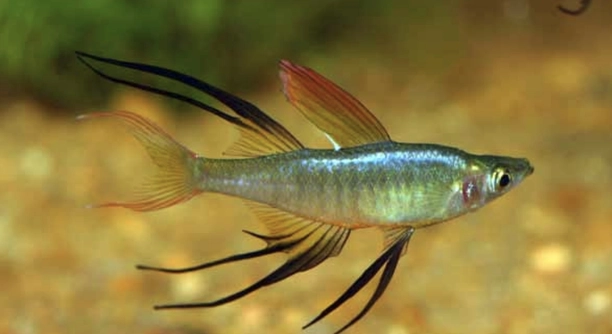
Do you ever find yourself worried when your threadfin rainbowfish seem less lively, showing odd behaviors or unusual changes in their appearance? These small signs often leave fish keepers feeling uncertain about their pets’ overall health.
Threadfin rainbowfish are prone to several common diseases, often caused by parasites, bacteria, or environmental stress. Recognizing symptoms early and applying the correct treatment is crucial. Proper care, clean water, and timely intervention significantly improve their chances of recovery.
By learning about these common health issues, you can protect your threadfin rainbowfish, ensuring they live vibrant, healthy lives in your aquarium.
Ich (White Spot Disease)
Ich is one of the most common diseases seen in threadfin rainbowfish. It is caused by a parasite that attacks the fish’s skin, gills, and fins. The main symptom is the appearance of small white spots resembling grains of salt. Infected fish may also scratch themselves against objects, breathe heavily, or lose their appetite. If left untreated, ich can spread quickly throughout the tank, affecting other fish and causing severe stress. Treatment usually involves raising the water temperature slightly and using an appropriate medication designed for ich. Early detection is key to stopping its progress.
This disease often spreads when new fish are added to the aquarium without proper quarantine. It thrives in stressful environments where fish are already weakened. Treating ich quickly is important, as the parasite reproduces rapidly and can overwhelm even healthy fish in a short time.
Regular water changes, maintaining stable conditions, and quarantining new fish are the most effective ways to prevent ich. While treatment is available, prevention saves your threadfin rainbowfish from unnecessary stress. Good care ensures they remain active, colorful, and free from discomfort. A clean and stable environment is always the strongest protection against parasites like ich.
Fin Rot
Fin rot is another common disease that affects threadfin rainbowfish. It is typically caused by bacterial infections that develop in poor water conditions. Symptoms include frayed or discolored fins that gradually deteriorate. Stress, injuries, or dirty tanks often contribute to this condition.
Treating fin rot requires improving water quality and administering antibacterial treatments. Start by testing the water to identify any imbalances, especially ammonia and nitrite levels. Clean the aquarium thoroughly, remove decaying food, and ensure the filter is functioning well. Medications designed to treat bacterial infections can help restore damaged fins, but recovery depends on early action. Providing a stress-free environment also speeds up healing. In severe cases, the disease may progress rapidly, leading to permanent damage. Prevention focuses on consistent maintenance, balanced feeding, and reducing overcrowding. With attentive care, your threadfin rainbowfish can recover well, and their fins will often grow back healthy and strong over time.
Columnaris
Columnaris is a bacterial disease that often attacks the gills, fins, and mouth of threadfin rainbowfish. It causes white or gray patches, frayed fins, and breathing difficulties. Stress, poor water conditions, and overcrowding make fish more vulnerable to this infection.
Treatment begins with isolating the sick fish to prevent spreading. Antibacterial medications specifically designed for columnaris are effective when started early. Water quality should be improved immediately by reducing ammonia and nitrite levels. Providing aeration and stable temperatures helps fish recover faster. Feeding high-quality food also strengthens their immune system, giving them a better chance at healing.
Preventing columnaris requires consistent maintenance and avoiding overcrowding. Quarantining new fish before introducing them into the main tank is also important. This disease can spread quickly, especially in stressed fish, so prevention is easier than treatment. Healthy environments, clean water, and reduced stress greatly lower the risk of bacterial outbreaks.
Velvet Disease
Velvet disease is caused by a parasite that creates a gold or rust-colored dust on a fish’s body. Infected threadfin rainbowfish may rub against surfaces, struggle to breathe, or show loss of appetite. It spreads quickly in unclean or stressful tank conditions.
Treatment involves using copper-based medications, which are highly effective when dosed correctly. Raising water temperature slightly may also help disrupt the parasite’s lifecycle. A darkened aquarium can slow its spread, as velvet parasites depend on light. Improving tank cleanliness and removing waste further limits the parasite’s ability to survive. Quarantining infected fish protects healthy ones from exposure.
Velvet is often deadly if left untreated, but quick action increases survival. Prevention is possible with stable water conditions, good nutrition, and strict quarantine practices. Keeping your tank stress-free and properly maintained reduces the risk of this parasite harming your threadfin rainbowfish.
Dropsy
Dropsy is a serious condition that causes swelling, raised scales, and bloating in threadfin rainbowfish. It usually signals internal organ failure from bacterial infection. Sadly, once symptoms appear, treatment is difficult, and survival chances are often low.
The best approach is to separate the sick fish, improve water quality, and try antibacterial medications. Adding aquarium salt may reduce stress, but prevention remains more effective. Clean tanks, balanced diets, and reducing stress are essential to avoid dropsy outbreaks.
Gill Flukes
Gill flukes are parasitic worms that attach to the gills, causing labored breathing, gasping near the surface, and rubbing against objects. They thrive in dirty water and quickly spread, stressing rainbowfish and weakening their immune systems. Treating them requires antiparasitic medications and immediate improvements in water quality.
Mouth Fungus
Mouth fungus appears as white, cotton-like growths around the mouth and head. It can make eating difficult and spread fast if ignored. Proper antibacterial treatments and improved water conditions are necessary for recovery, with prevention depending on cleanliness and low stress.
FAQ
How can I tell if my threadfin rainbowfish is sick?
Signs of illness include changes in behavior, appearance, or appetite. Lethargy, scratching against objects, frayed fins, heavy breathing, swelling, or visible spots are all possible symptoms. Any sudden difference in activity or feeding usually indicates that something is wrong.
What should I do first if my rainbowfish looks unwell?
Start by checking water quality. Test for ammonia, nitrites, nitrates, and pH. Poor conditions are often the main cause of stress and disease. Improving water quality quickly can make a difference before beginning any specific medication.
Are medications always necessary for treatment?
Not always. Sometimes correcting water conditions, lowering stress, and maintaining cleanliness may help fish recover naturally. However, bacterial, fungal, and parasitic infections often require targeted treatments. Choosing the right medication based on the disease improves recovery chances.
Can threadfin rainbowfish diseases spread to other fish?
Yes. Most diseases, especially parasitic and bacterial ones, can spread quickly throughout the tank. That is why isolation or quarantine of sick fish is recommended. Protecting healthy fish reduces losses and prevents recurring outbreaks in the aquarium.
How do I quarantine new rainbowfish before adding them to my tank?
Place new fish in a separate tank for at least two weeks. During this time, watch for unusual symptoms and maintain clean water. If no issues appear, they can be safely moved to the main tank.
What role does stress play in threadfin rainbowfish health?
Stress weakens the immune system, making fish more prone to infections. Overcrowding, unstable temperatures, poor water quality, and sudden changes in their environment all contribute. Reducing stress keeps fish stronger and less vulnerable to common diseases.
Are threadfin rainbowfish more sensitive than other species?
They are sensitive to changes in water conditions, but with proper care, they remain hardy and active. Clean water, a balanced diet, and stable temperatures are key. Like other small species, they need attentive care to stay healthy.
What foods help strengthen rainbowfish against disease?
A varied diet with high-quality flakes, pellets, and occasional live or frozen foods supports strong immunity. Protein-rich options like brine shrimp or daphnia help. Overfeeding should be avoided, as it causes water issues and increases disease risk.
How often should I clean my tank to prevent disease?
Weekly partial water changes are recommended. Removing uneaten food, cleaning the substrate, and maintaining the filter reduce harmful buildup. A consistent cleaning routine keeps water stable, preventing many health problems before they appear in your rainbowfish.
Is aquarium salt useful for treating sick rainbowfish?
Yes, in small amounts. Aquarium salt can reduce stress and help treat mild infections. It should not replace proper medications but can be supportive. Always follow dosage guidelines carefully, as excessive salt can harm sensitive species.
Why do some treatments fail to work?
Delays in recognizing illness, incorrect medications, or advanced disease stages often reduce effectiveness. Early treatment offers the best chance of recovery. Following directions closely and treating underlying causes, such as water quality, improves the success rate.
Can rainbowfish recover fully after illness?
Yes, if the disease is detected early and treated properly. Their fins may regrow, colors can return, and activity usually improves. Long-term damage may remain in severe cases, but many recover well with supportive care and stable tank conditions.
How can I prevent future outbreaks once treatment is complete?
Keep water quality stable, avoid overcrowding, quarantine new fish, and maintain a balanced diet. Preventive care is the strongest defense. Stress-free, clean environments drastically reduce the risk of disease returning to the aquarium.
Do medications harm the biological filter in my tank?
Some medications, especially strong antibacterial treatments, may impact beneficial bacteria. This can temporarily disrupt the nitrogen cycle. To minimize issues, monitor water parameters closely during treatment and be ready to adjust with partial water changes if necessary.
Should I remove activated carbon when treating my rainbowfish?
Yes. Activated carbon removes medications from the water, making treatments ineffective. It should be taken out during treatment and replaced once medication is complete. This ensures the fish get the full benefit of the treatment.
What if only one fish is sick?
It is best to isolate that fish in a hospital tank. This protects others and allows targeted treatment. Even if only one shows symptoms, monitoring the entire tank remains important, as diseases can spread quickly.
Can young threadfin rainbowfish get diseases more easily?
Yes, young fish are more vulnerable because their immune systems are still developing. They require stable water, gentle care, and good nutrition to thrive. Preventing stress and avoiding sudden changes helps protect younger rainbowfish from infections.
Why is early detection so important?
Most diseases progress rapidly and can become fatal within days. Early detection allows treatment before conditions worsen. Observing your rainbowfish daily helps you notice small changes, which makes treatment more effective and improves recovery chances.
How do I know if my fish has recovered fully?
Recovered rainbowfish will regain bright colors, swim actively, and eat normally. Damaged fins may regrow, and breathing should return to normal. If no symptoms reappear after treatment and water remains stable, recovery is usually complete.
Final Thoughts
Caring for threadfin rainbowfish can feel rewarding, but it also comes with responsibilities. These delicate fish are highly sensitive to their surroundings, which makes them more vulnerable to illness than some other species. Understanding the common diseases that affect them, such as ich, fin rot, columnaris, velvet, and others, helps fish keepers recognize problems early. Quick action, whether through treatment or improved water conditions, often makes the difference between recovery and loss. While treatments are available, it is always better to focus on prevention. A clean, stable, and stress-free tank environment will support their health and reduce the risk of recurring problems. Taking time to observe your fish daily and becoming familiar with their normal behaviors is one of the simplest ways to catch issues before they progress.
Prevention also depends heavily on the way an aquarium is managed. Regular water changes, filter maintenance, and careful monitoring of ammonia, nitrite, and nitrate levels are essential steps. Quarantining new fish before introducing them to the main tank provides an extra layer of protection against parasites or bacteria spreading to healthy rainbowfish. Feeding plays a major role as well. A balanced diet with high-quality foods ensures strong immunity, which helps them fight off potential infections. Avoiding overfeeding prevents leftover waste that can lead to harmful water conditions. Even something as simple as ensuring the tank is not overcrowded will make a big difference in keeping your rainbowfish healthy. When their environment is cared for properly, they are less likely to face health struggles.
Threadfin rainbowfish are admired for their graceful fins, soft colors, and calm presence in aquariums. Their beauty stands out most when they are healthy and stress-free. Keeping them well requires effort, but it is effort worth making. By combining knowledge of common diseases with proper tank care, you not only treat issues more effectively but also prevent many from ever occurring. Disease management is not only about responding to visible symptoms—it is about maintaining balance in the aquarium so your fish can thrive naturally. With patience, routine care, and careful attention, you can enjoy watching your threadfin rainbowfish live long, vibrant lives. Protecting their health ensures that their peaceful movements and delicate appearance remain a highlight in your aquarium for years to come.

Hello,
If you enjoy the content that we create, please consider saying a "Thank You!" by leaving a tip.
Every little bit helps us continue crafting quality advice that supports the health, happiness, and well-being of pets around the world, for pets of all shapes, sizes, and species.
We really appreciate the kindness and support that you show us!