
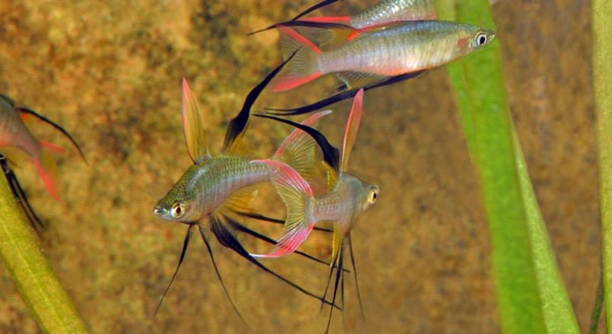
Threadfins are fascinating fish known for their slender bodies and delicate fins. Observing them after feeding reveals a curious behavior: they often retreat into hidden areas of their environment. This hiding can seem sudden and puzzling to many.
Threadfins hide after feeding primarily due to instinctive behaviors aimed at reducing predation risk. After consuming food, they become more vulnerable and seek cover in nearby structures or vegetation. Environmental stressors, social hierarchy, and water conditions also influence this hiding behavior.
Understanding why threadfins hide helps in managing aquariums and natural habitats. Their retreat after feeding is part of a broader survival strategy that ensures long-term well-being.
Predation Risk
Threadfins have a natural instinct to protect themselves after feeding. Their vulnerable state makes them an easy target for predators. In the wild, hiding immediately after eating increases survival chances. Even in aquariums, this instinct persists, prompting them to seek shelter behind rocks, plants, or other structures. Observing this behavior can teach us how sensitive these fish are to perceived threats. Environmental changes, like sudden movements or loud noises, can also trigger hiding. Over time, threadfins learn safe spots and develop routines around feeding times. They often prefer shaded areas or corners that provide both comfort and protection. Understanding these patterns helps in creating environments where they feel secure. Providing sufficient cover not only reduces stress but also encourages natural behavior. Fishkeepers often notice that threadfins gradually become more confident in well-structured tanks, moving less but remaining alert. Hiding is not a sign of illness but a healthy survival response.
This behavior shows that safety is a priority for threadfins after feeding. They instinctively move to sheltered areas.
Regularly observing their hiding habits can guide adjustments in tank layout. Ensuring proper shelter, maintaining consistent feeding times, and minimizing disturbances helps threadfins remain calm and display more natural behaviors. Overfeeding or crowding can also increase stress, making hiding more frequent. Carefully designed environments enhance well-being, allowing them to eat and rest with confidence.
Water Conditions
Threadfins are highly sensitive to water quality. Poor oxygen levels, high temperatures, or sudden chemical changes can make them retreat after feeding. They rely on stable conditions to digest properly and maintain energy levels. Fluctuations in pH, salinity, or hardness can trigger stress responses, prompting them to seek cover until the environment stabilizes. Even minor disturbances, such as tapping on glass or introducing new fish, may cause temporary hiding. Monitoring water parameters regularly ensures they remain within safe ranges. Proper filtration, aeration, and gentle water changes are essential. Providing hiding spots allows them to recover if conditions change. Observing behavior alongside water metrics helps identify subtle stress signs early. Maintaining consistent lighting and avoiding rapid temperature shifts reduces anxiety. Stress from water conditions can affect appetite and overall health, making consistent care crucial for thriving threadfins.
Water quality is a key factor influencing hiding behavior. Even small changes can trigger instinctive retreat.
Ensuring optimal water conditions requires careful attention to temperature, oxygenation, and chemical balance. Sudden shifts can stress threadfins, making them retreat repeatedly after feeding. Aquarists should test water parameters consistently, provide adequate aeration, and avoid overcrowding to promote calm behavior. Creating a stable environment allows threadfins to feed confidently, rest comfortably, and exhibit natural patterns without excessive hiding. Observing responses to changes in tank conditions helps refine care practices, fostering healthier, more active fish. Providing sufficient shelter and monitoring feeding routines further support their overall well-being, minimizing unnecessary stress while maintaining a balanced, peaceful habitat.
Overcrowding
Threadfins tend to hide when there are too many fish in the tank. Limited space increases stress, forcing them to seek quieter areas immediately after feeding.
Overcrowding creates competition for food and territory, making threadfins feel unsafe. When too many fish occupy the same environment, dominant individuals can chase or intimidate smaller ones. This stress often causes retreat behavior, even in well-fed fish. Hiding becomes a coping mechanism, allowing threadfins to avoid conflict and conserve energy. Adjusting stocking levels and ensuring enough space per fish reduces these behaviors and encourages more natural movement and feeding patterns.
Providing extra hiding spots alone is not enough if overcrowding persists. Threadfins may still remain in shelters out of fear, limiting interaction and exploration. Reducing tank population, rearranging décor, and maintaining calm feeding routines help them regain confidence. Proper spacing and social balance are essential for healthy behavior, preventing long-term stress or aggression. Consistent observation is key to understanding how each fish reacts in a crowded environment.
Feeding Times
Threadfins often hide if feeding times are inconsistent. Predictable schedules help them feel secure.
Irregular feeding can create stress and confusion, prompting retreat after eating. Fish rely on routine, and sudden delays or unexpected food can make them anxious. Establishing a set schedule provides stability, reducing the need to hide. It also ensures all fish receive adequate nutrition without competition or rushing.
Spacing out feedings and observing consumption patterns helps maintain calm behavior. Overfeeding or skipping meals can increase hiding frequency. Threadfins are sensitive to both the timing and method of feeding. Using slow-release or evenly distributed food allows all individuals to eat safely, minimizing stress. Gradual adjustments to feeding routines are more effective than abrupt changes. This careful management supports digestion, growth, and overall well-being while reducing instinctive retreat behavior. Consistency is essential for promoting confidence and maintaining natural activity levels.
Social Hierarchy
Threadfins often hide after feeding when dominant fish display aggression. Smaller or less dominant ones retreat quickly to avoid confrontation, especially during and after meals.
Even without visible chasing, subtle behaviors like blocking or nudging can intimidate weaker threadfins. These interactions push them into hiding immediately after eating.
Light Intensity
Strong lighting can make threadfins feel exposed and unsafe, especially after feeding when their movement slows. Providing dim areas or floating plants helps reduce this stress, allowing them to rest without feeling vulnerable in bright environments.
Sudden Disturbances
Loud noises, tapping on glass, or sudden movement around the tank can cause threadfins to retreat after meals. This instinctive response allows them to avoid perceived threats, even when the environment is otherwise safe and controlled.
FAQ
Why do threadfins hide more often after heavy meals?
Threadfins may retreat more after heavy meals because digestion slows their movements. In this slower state, they feel more vulnerable and instinctively seek cover. This behavior is natural, ensuring they remain safe while their bodies process the food consumed.
Can poor diet influence hiding behavior?
Yes, a poor diet can make threadfins feel weak or stressed. Low-quality food or overfeeding can upset digestion, causing discomfort. As a result, they may retreat more frequently to recover. A balanced, varied diet reduces stress and supports stronger, more confident behavior.
Is hiding always a negative sign in threadfins?
Hiding is not always negative. It often reflects natural instincts for safety. Threadfins may simply be cautious or resting after meals. Concern arises when hiding is excessive, paired with appetite loss, or linked to environmental stressors like overcrowding or poor water conditions.
Do tank mates affect threadfins hiding after feeding?
Yes, tank mates can significantly influence hiding. Aggressive or fast-feeding species may intimidate threadfins, pushing them into hiding more often. Peaceful, slow-moving companions create a calmer environment. Matching threadfins with compatible species helps maintain balance and reduces the need for retreat.
How does water temperature affect hiding behavior?
Sudden temperature changes can trigger stress in threadfins, making them hide after meals. Water that is too warm speeds metabolism, increasing vulnerability, while colder water slows digestion. Maintaining a stable, moderate temperature prevents unnecessary hiding and supports steady, healthy activity.
Why do threadfins hide even in tanks with many shelters?
Even with plenty of shelters, threadfins may hide due to other stressors. Overcrowding, poor feeding practices, or unsuitable water parameters can override environmental comfort. Providing shelter is essential, but addressing all care aspects ensures hiding remains natural rather than excessive.
Can threadfins stop hiding if conditions improve?
Yes, when stress factors are resolved, threadfins often become more active. Improvements in water quality, feeding routines, or tank arrangements can reduce hiding. However, they may still retreat at times, since this behavior is also instinctive and part of their natural rhythm.
Is hiding linked to breeding behavior in threadfins?
In some cases, yes. Threadfins may retreat to secluded areas after feeding when preparing for breeding or protecting territories. While less common, this instinct aligns with their need for security during vulnerable periods, showing that hiding is not always tied to stress.
Do lighting changes impact threadfins more after feeding?
Yes, lighting changes can strongly affect threadfins post-feeding. Sudden brightness or dimming can create stress, pushing them into hiding. Keeping consistent light cycles, with gradual transitions, supports calm behavior and allows threadfins to adjust without feeling exposed or threatened.
How can feeding techniques reduce hiding?
Feeding in smaller, consistent amounts helps threadfins feel more secure. Spreading food evenly prevents competition and stress. Using sinking or floating options matched to their preference ensures all fish eat comfortably, minimizing retreat behavior linked to unequal access or rushed feeding.
Why do threadfins sometimes hide for long periods after eating?
Extended hiding may signal stress or discomfort. Causes can include poor water quality, aggression, or dietary imbalance. If hiding lasts hours after every meal, it is important to review care practices. Correcting issues often reduces prolonged retreat and restores balance.
Do threadfins hide more when newly introduced to a tank?
Yes, new environments cause stress, making threadfins hide more after meals. As they adapt, confidence grows and hiding decreases. Providing shelters, gentle lighting, and stable conditions helps them adjust faster, encouraging a smoother transition and healthier feeding behaviors in the long term.
How do social structures affect hiding after meals?
Dominant fish often establish control during feeding. Submissive threadfins may retreat immediately after eating to avoid conflict. This is natural in group dynamics but can be reduced with proper tank space, balanced groups, and feeding methods that limit direct competition.
Should hiding after feeding be monitored closely?
Yes, observation is essential. While some hiding is natural, sudden increases or prolonged retreats may indicate stress or illness. Monitoring patterns alongside water conditions and diet ensures early detection of problems, helping threadfins maintain healthier, more active lifestyles overall.
Is it normal for hiding to increase with age?
Older threadfins may hide more often after meals as their activity levels decline. Aging fish conserve energy, and retreating helps them rest safely. This is natural and not usually concerning unless paired with visible illness or drastic behavioral changes.
Can sudden noise near the tank increase hiding after feeding?
Absolutely. Sudden noises or movements near the tank can startle threadfins, causing retreat after eating. Their instinctive response to threats makes them seek cover quickly. Reducing disturbances near the tank encourages calmer, more predictable behavior after meals, fostering stability.
How does filtration affect hiding behavior?
Strong currents from filtration can overwhelm threadfins, especially after meals when they are less active. They may retreat to sheltered areas to avoid excess flow. Adjusting filter strength or adding plants to break currents helps them feel more comfortable and secure.
Do threadfins hide more in community tanks or species-only tanks?
Community tanks with mixed species often increase hiding, especially if companions are aggressive or fast eaters. In species-only tanks, threadfins usually feel safer and show more natural feeding behaviors. Compatibility is key for reducing stress and balancing post-feeding activity.
What role does oxygen level play in hiding?
Low oxygen makes digestion harder and stresses threadfins, pushing them to rest in covered areas after meals. Maintaining proper aeration reduces hiding linked to oxygen deficiency. Observing gill movement and activity helps ensure oxygen is sufficient for healthy, balanced behavior.
Can hiding be completely prevented?
No, hiding cannot be fully prevented since it is instinctive. The goal is to reduce excessive or stress-related hiding. Balanced diets, stable water conditions, compatible tank mates, and predictable feeding routines help manage this behavior while supporting natural instincts for safety.
Final Thoughts
Threadfins are delicate fish with behaviors shaped by both instinct and environment. Their tendency to hide after feeding is not unusual, but rather a reflection of how they protect themselves in vulnerable moments. By looking closely at their actions, it becomes easier to understand that this retreat is not always a sign of trouble. Instead, it can be a normal part of their routine, a way to balance activity with rest. Paying attention to the reasons behind their hiding allows aquarists and caretakers to adjust conditions in a way that supports healthier and more confident fish. From stable water quality to consistent feeding schedules, the small details make a significant difference in reducing stress and encouraging natural behaviors.
Many factors play a role in shaping how often and how long threadfins choose to retreat after meals. Predation instincts, lighting, tank mates, and environmental stressors are all connected to this behavior. Even in safe aquarium setups, threadfins carry instincts from the wild that guide their choices. Overcrowding or aggressive companions can quickly turn feeding into a stressful event, while poor water conditions may force them to seek shelter more often. Recognizing these triggers is important for anyone who keeps threadfins, whether in small home tanks or larger community setups. Making careful adjustments, such as providing adequate shelter, avoiding sudden disturbances, and balancing social dynamics, helps ensure that hiding remains a natural and short-term behavior rather than a long-lasting response to stress.
Understanding threadfin behavior is ultimately about patience and observation. Hiding after feeding does not always require intervention, but it should never be ignored. Each fish may respond differently, and noticing patterns over time reveals much about their comfort and health. When aquarists remain attentive to these patterns, they can quickly identify whether the behavior is natural or linked to issues needing correction. This thoughtful approach creates a more stable, calm environment where threadfins can thrive. By respecting their instincts and addressing external factors that increase stress, caretakers ensure that threadfins maintain balance, eat well, and display the lively yet cautious behaviors that make them unique. Hiding will always be part of their nature, but with proper care, it becomes a healthy choice rather than a worrying sign.

Hello,
If you enjoy the content that we create, please consider saying a "Thank You!" by leaving a tip.
Every little bit helps us continue crafting quality advice that supports the health, happiness, and well-being of pets around the world, for pets of all shapes, sizes, and species.
We really appreciate the kindness and support that you show us!