
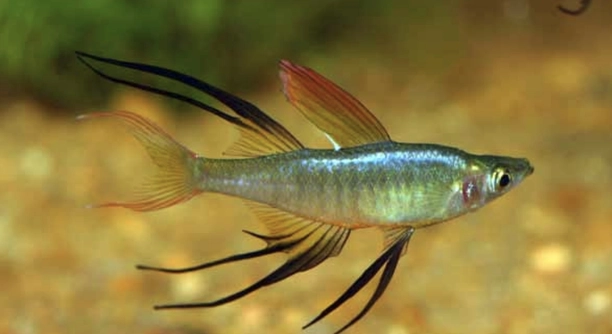
Do your threadfin rainbowfish seem uninterested in food, leaving you concerned about their health and well-being in the aquarium?
Threadfin rainbowfish may stop eating due to stress, poor water quality, illness, or unsuitable diet. Identifying the root cause is essential, as addressing it promptly ensures their recovery and prevents long-term health complications in your aquarium environment.
Understanding the reasons behind their behavior and learning effective solutions will help you restore their appetite and maintain a thriving aquatic setup.
Stress from Environmental Changes
Threadfin rainbowfish are sensitive creatures, and sudden changes in their environment often affect their appetite. Moving them to a new tank, adding new tank mates, or rearranging decorations can all create stress. Stress impacts their natural behavior, including their willingness to eat. Water parameters, lighting conditions, and overall aquarium stability also play a role. If these conditions fluctuate too quickly, your rainbowfish may retreat, lose interest in food, or remain near the bottom. It is important to recognize stress early, as prolonged discomfort can weaken their immune system. Maintaining stability will reduce stress and help your fish regain healthy eating habits.
Small adjustments, such as keeping a consistent light schedule or reducing noise around the aquarium, can help reduce stress. Minimizing unnecessary changes will provide your rainbowfish with the comfort they need.
To create a stable environment, always test the water before making changes. Introduce new tank mates carefully, ensure hiding spots are available, and provide gentle lighting. Acclimating new fish properly prevents shock and stress, making transitions smoother. If you must move decorations or plants, do so gradually rather than all at once. A calm environment allows threadfin rainbowfish to feel secure, regain confidence, and approach feeding without hesitation.
Poor Water Quality
Water quality is one of the most common reasons threadfin rainbowfish stop eating. Even slight imbalances in ammonia, nitrite, or nitrate levels can impact their appetite and overall health.
Clean, balanced water ensures fish thrive, and threadfin rainbowfish are no exception. Regular testing is essential, as these fish are highly sensitive to poor conditions. Elevated toxins, incorrect pH levels, or extreme temperatures quickly affect their ability to eat. A well-maintained filtration system helps control waste, while partial water changes keep the aquarium healthy. Aim to replace around 20–30% of the water weekly, avoiding large, sudden changes that could cause stress. Additionally, avoid overfeeding, as leftover food breaks down and releases harmful substances. If water conditions decline, appetite loss is usually one of the first signs. By taking proactive steps to maintain stable, clean water, you create a healthier environment where threadfin rainbowfish can feed comfortably and thrive over time.
Illness or Parasites
Illness often causes threadfin rainbowfish to lose their appetite. Common conditions such as internal parasites, bacterial infections, or fungal problems make eating uncomfortable or even painful, leading them to avoid food completely. Visible symptoms may accompany these issues, signaling a need for treatment.
Identifying illness requires close observation. Look for changes in color, clamped fins, white spots, or unusual swimming patterns. Internal parasites may cause weight loss despite reduced feeding. Bacterial infections can lead to swelling or ulcers, while fungal problems appear as cotton-like patches. Addressing these health issues quickly with appropriate medication improves recovery. Quarantining affected fish prevents the spread of disease to others. A balanced diet and stress-free environment help strengthen their immune system during and after treatment, ensuring they regain normal eating habits.
Effective treatment also includes maintaining pristine water conditions to support healing. Sick rainbowfish are more vulnerable to poor water, so frequent testing and water changes are necessary. Providing high-quality foods rich in nutrients helps them regain strength once they begin eating again. Avoid forcing food, as this may worsen stress. Instead, offer small, appealing options like live or frozen foods. Restoring health takes time, but with patience and consistency, your fish can recover and return to normal feeding.
Unsuitable Diet
A poor diet can cause threadfin rainbowfish to lose interest in food. These fish need variety, and offering the same flakes daily may not meet their nutritional needs. Limited or unbalanced diets eventually lead to appetite loss and health concerns.
Threadfin rainbowfish thrive on a diet that combines flakes or pellets with live or frozen foods such as brine shrimp, daphnia, and bloodworms. These foods mimic what they naturally eat in the wild and provide essential proteins, vitamins, and minerals. Feeding small amounts twice a day keeps them active without overloading the tank with waste. Rotating food options keeps them interested, reducing the chance of refusal. If they ignore one type, offering something different often sparks feeding again. Providing a balanced, varied diet ensures not only restored appetite but also better color, energy, and overall health for your rainbowfish in the long run.
Aggressive Tank Mates
Aggressive tank mates can intimidate threadfin rainbowfish, making them too stressed to approach food. Constant chasing or fin-nipping discourages natural feeding behavior, leaving them weaker over time. Choosing peaceful companions prevents unnecessary stress and helps rainbowfish feel safe while eating.
If aggression is unavoidable, consider adding more hiding spots and plants to reduce direct confrontation. Separating particularly aggressive fish into another tank can also restore balance. Once rainbowfish feel secure, their feeding response usually improves, and they return to regular eating patterns without hesitation.
Improper Feeding Schedule
Threadfin rainbowfish benefit from consistent feeding times. Irregular schedules can confuse them and reduce appetite. Feeding small amounts twice a day encourages steady eating habits while preventing leftover food from spoiling the tank environment.
Poor Lighting Conditions
Lighting affects rainbowfish behavior and feeding. Overly bright lighting can make them feel exposed, while dim conditions reduce activity. Balanced lighting creates a natural rhythm, encouraging them to feel secure and maintain regular feeding habits.
FAQ
Why is my threadfin rainbowfish not eating after moving to a new tank?
Stress from relocation is common among threadfin rainbowfish. Changes in water chemistry, lighting, and surroundings can cause temporary appetite loss. To help them adjust, maintain stable water parameters, provide hiding spots, and avoid overcrowding. Gradually introducing the fish to new tank mates also reduces stress and encourages normal feeding.
Can water quality really affect their appetite?
Yes, water quality directly impacts fish health and feeding behavior. High levels of ammonia, nitrites, or nitrates can make rainbowfish ill and uninterested in food. Regular testing, proper filtration, and partial water changes ensure a stable environment and help restore appetite.
What signs indicate my fish might be sick?
Look for clamped fins, faded colors, abnormal swimming patterns, white spots, ulcers, or rapid breathing. Internal parasites may cause weight loss despite appearing to eat little. Observing these signs early allows for quicker treatment and reduces the risk of spreading illness to other fish.
How can I treat loss of appetite due to illness or parasites?
Quarantine affected fish and use appropriate medication based on the diagnosed condition. Maintain clean water and a stress-free environment while feeding small portions of high-quality or live foods. Supporting immune function through balanced nutrition helps recovery. Avoid overfeeding during treatment to prevent water quality issues.
Could diet variety help my rainbowfish eat again?
Absolutely. Threadfin rainbowfish need a mix of flakes, pellets, and live or frozen foods like brine shrimp, daphnia, or bloodworms. Rotating food types keeps them interested and ensures they receive necessary nutrients. Offering small amounts multiple times a day prevents leftovers and encourages consistent feeding.
Do tank mates affect feeding behavior?
Yes. Aggressive or territorial fish can prevent rainbowfish from reaching food. Providing hiding places or separating aggressive individuals allows rainbowfish to eat comfortably. Peaceful companions and adequate space reduce stress, enabling healthier feeding patterns.
How does lighting influence feeding?
Proper lighting helps rainbowfish feel secure and active. Overly bright light can make them hide, while dim lighting can lower activity. Balanced light cycles mimic natural conditions, encouraging normal behavior and regular feeding. Using adjustable or timed lights helps maintain consistency.
Can overfeeding or irregular feeding schedules cause issues?
Yes. Overfeeding leads to leftover food, which degrades water quality and discourages fish from eating fresh portions. Irregular schedules confuse rainbowfish, reducing appetite. Feeding small amounts at consistent times twice a day maintains routine and helps them recognize feeding cues.
Is stress the main reason for appetite loss?
Stress is a major factor but not the only one. Environmental changes, poor water quality, illness, unsuitable diet, aggressive tank mates, and improper lighting can all contribute. Identifying the exact cause allows for targeted solutions, helping restore appetite quickly.
How long does it take for rainbowfish to start eating again?
Recovery depends on the cause. Minor stress may resolve in a few days, while illness or dietary adjustments can take one to two weeks. Providing a calm environment, nutritious food, and proper care accelerates the process. Patience and observation are essential to monitor progress effectively.
Are there foods that encourage eating during recovery?
Yes. Live or frozen foods like brine shrimp, daphnia, and bloodworms are more appealing and easier to digest than dry flakes. Offering small, frequent portions stimulates appetite without overwhelming them. Warming frozen foods slightly can also make them more attractive.
Should I change water parameters immediately if my fish stops eating?
Sudden changes can increase stress. Test the water first, then adjust parameters gradually. Stabilizing temperature, pH, and chemical levels ensures a safe environment, encouraging rainbowfish to resume feeding while minimizing additional stress.
Can hiding spots improve feeding behavior?
Providing plants, rocks, or decorations gives rainbowfish security. When they feel safe, they are more likely to leave hiding and approach food. A well-structured tank reduces anxiety from tank mates or environmental changes, supporting consistent feeding.
Is it normal for rainbowfish to skip meals occasionally?
Occasional fasting can happen, especially after environmental changes or minor stress. However, prolonged refusal to eat signals a problem. Monitoring water quality, diet, and health ensures that brief fasting doesn’t lead to nutritional deficiencies or weakened immunity.
What preventive steps can I take to avoid appetite issues?
Maintain stable water conditions, feed a varied diet, monitor tank mates, and keep stress low. Regular observation for early signs of illness or behavioral changes helps prevent prolonged appetite loss. Consistency and proactive care are key to keeping threadfin rainbowfish healthy and eating reliably.
This FAQ provides a thorough guide to understanding and addressing feeding issues in threadfin rainbowfish, ensuring healthier fish and a balanced aquarium.
Final Thoughts
Threadfin rainbowfish are sensitive fish that require careful attention to thrive. Appetite loss is often the first noticeable sign that something is off in their environment or health. Changes in water quality, stress from tank mates, improper feeding schedules, or illness can all affect their willingness to eat. Monitoring these factors regularly allows you to spot problems early, preventing more serious issues. Maintaining consistent water parameters, providing a balanced and varied diet, and ensuring the tank is a calm and secure environment are essential steps in promoting healthy feeding behavior. Even small adjustments, like adding hiding spots or moderating lighting, can make a significant difference in how comfortable your fish feel and how readily they eat.
Addressing feeding problems requires both patience and observation. While some causes, like minor stress or temporary changes in environment, may resolve within a few days, other factors such as illness or parasitic infections require more careful intervention. Observing your rainbowfish closely for physical signs of illness, such as changes in color, fins, or swimming patterns, helps you determine whether treatment is needed. Quarantining sick fish and administering appropriate medications, while keeping the water clean and stable, supports recovery. Feeding small amounts of high-quality live or frozen foods during this time can encourage appetite without overwhelming your fish or worsening water quality. Understanding the specific needs of threadfin rainbowfish and taking proactive measures ensures they remain healthy and vibrant, with a consistent feeding routine.
Prevention and consistency are key for long-term success. Avoiding sudden changes in water parameters, introducing new tank mates carefully, and sticking to a regular feeding schedule reduces stress and supports overall well-being. A varied diet, combined with proper nutrition, helps maintain their energy levels and enhances natural coloration, keeping the fish active and engaged. By taking the time to create a stable, low-stress environment, you give your threadfin rainbowfish the best chance to thrive and maintain healthy feeding habits. Long-term observation and care not only prevent appetite issues but also build a stronger, more resilient aquarium ecosystem. With attention to these details, your rainbowfish are more likely to eat consistently, remain healthy, and display the lively behavior that makes them such appealing additions to any tank.

Hello,
If you enjoy the content that we create, please consider saying a "Thank You!" by leaving a tip.
Every little bit helps us continue crafting quality advice that supports the health, happiness, and well-being of pets around the world, for pets of all shapes, sizes, and species.
We really appreciate the kindness and support that you show us!