
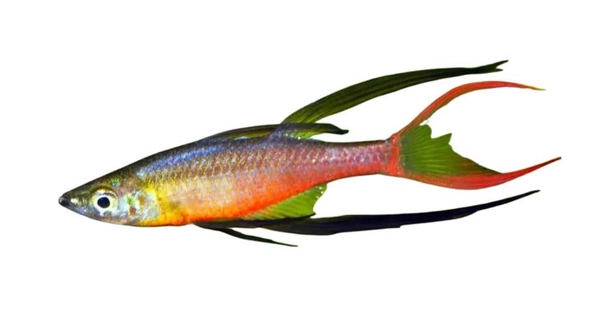
Do your freshwater tanks sometimes feel too quiet, with only fish swimming around? Threadfin Rainbowfish are lively and colorful, bringing energy to any aquarium. Their interactions with other tank inhabitants can be surprising and worth exploring.
Threadfin Rainbowfish can coexist with most snail species without conflict. Their diet does not typically include snails, and they show minimal aggression toward slow-moving invertebrates. Proper tank size and hiding spaces further support harmonious cohabitation.
Understanding how these fish interact with snails helps maintain a balanced tank. Observing behaviors and tank dynamics ensures both species remain healthy and stress-free in shared environments.
Tank Compatibility of Threadfin Rainbowfish and Snails
Threadfin Rainbowfish are generally peaceful fish that adapt well to community tanks. They do not actively hunt or harm snails, which makes cohabitation possible. Most freshwater snails, such as Nerite or Mystery snails, can thrive alongside these fish. Proper tank conditions, including stable temperature and clean water, are essential to maintain harmony. Hiding spaces, plants, and decorations allow snails to avoid stress while the fish explore freely. It is important to monitor feeding habits, as Threadfin Rainbowfish primarily eat flakes, pellets, and small live foods. Snails contribute to cleaning the tank by consuming algae and leftover food, which benefits overall tank health. While interactions are usually peaceful, sudden changes in the tank, overcrowding, or poor water conditions may trigger unexpected behavior. Ensuring a well-maintained environment will reduce stress and promote coexistence. With proper care, both species can live together comfortably for extended periods without conflict.
Cohabitation is mostly successful when tank size and hiding spaces are sufficient for snails.
Providing a stable environment requires attention to water parameters, tank size, and diet. Snails need calcium to maintain healthy shells, while Threadfin Rainbowfish require high-quality protein for vibrant colors and growth. Observing interactions over time is important, as individual fish may show slight variations in behavior. Avoid sudden changes in temperature or water chemistry, as these can stress both fish and snails. Decorations and plants offer protection and stimulation, giving snails places to hide and fish areas to explore. Cleaning routines should consider both species, gently removing debris without harming snails. Feeding schedules should balance the needs of fish and snails, ensuring neither is deprived. Maintaining these factors consistently allows both species to thrive together, minimizing stress and conflict while supporting long-term health.
Common Issues to Watch For
Snails may reproduce rapidly if overfed, potentially overcrowding the tank.
Excessive reproduction can lead to increased waste, which impacts water quality. Overfeeding Threadfin Rainbowfish may also cause uneaten food to accumulate, creating a similar problem. Keeping track of both populations is necessary. Regular water changes and monitoring help maintain balanced conditions. Tank size should be appropriate to accommodate growing snail numbers without restricting fish movement. Some snails may become inactive if stressed or if water parameters fluctuate. Observing behavior and shell health gives clues about overall tank stability. Adjusting feeding, cleaning, and population control as needed ensures both species remain healthy. Proper care reduces the risk of conflicts or stress-related behaviors, allowing the aquarium to remain visually appealing and functional. Over time, you can achieve a self-sustaining environment that benefits both the Rainbowfish and snail populations.
Feeding Considerations for Threadfin Rainbowfish with Snails
Threadfin Rainbowfish eat flakes, pellets, and small live foods, which rarely overlap with snail diets. Snails mainly consume algae and plant matter, making competition minimal in a well-maintained tank.
Balancing feeding is essential to prevent overfeeding and maintain water quality. Excess fish food can settle on the substrate, leading to bacterial growth that stresses both snails and fish. Offering appropriate portions ensures that Rainbowfish receive enough protein while snails can forage naturally. Supplementing snails with calcium or algae wafers supports shell health. Observing feeding behavior daily helps adjust quantities and prevents leftovers from accumulating. Feeding routines should consider species-specific needs, ensuring harmony and healthy growth for both fish and snails.
Monitoring nutrient intake over time is important. Threadfin Rainbowfish thrive on varied diets that enhance color and growth, while snails need steady access to calcium and plant matter. Uneaten fish food should be removed quickly to avoid water quality issues. Both species benefit from clean, stable environments with consistent feeding schedules. Adjusting portions gradually allows for fine-tuning without stressing either species. Attention to feeding details reduces the risk of health problems, supports shell integrity in snails, and maintains Rainbowfish vitality. Proper feeding practices create a balanced tank ecosystem that sustains both populations comfortably.
Tank Setup for Harmony
A spacious tank with hiding spots and plants reduces stress for both species.
Plants and decorations provide snails with shelter and surfaces to graze, while fish enjoy open swimming areas. A minimum of 20 gallons is recommended to accommodate active Threadfin Rainbowfish and multiple snails. Proper filtration ensures water remains clean, supporting overall health. Substrate should allow snails to move freely and encourage natural behaviors. Maintaining stable temperature and pH levels reduces stress and prevents aggressive interactions. Providing both vertical and horizontal spaces accommodates species-specific activity, keeping fish active and snails secure.
Positioning plants, rocks, and other decorations strategically allows fish to swim freely while snails explore without obstruction. Filtration should prevent strong currents that could disturb snails but still maintain water clarity. A soft, sandy substrate prevents damage to snail shells while allowing Rainbowfish to forage naturally. Lighting should support plant growth without overheating the tank. Regular maintenance, including gentle cleaning of decorations and substrate, helps sustain a healthy environment. Monitoring water chemistry, particularly calcium levels, ensures snails maintain strong shells. Thoughtful placement of hiding spots encourages natural behaviors, reduces stress, and promotes peaceful coexistence between the Rainbowfish and snails.
Behavior of Threadfin Rainbowfish Around Snails
Threadfin Rainbowfish are naturally peaceful and curious. They may swim near snails but rarely interact aggressively. Their activity does not disturb slow-moving snails when the tank is spacious and well-planted.
Observing behavior is important, as individual fish may show slight differences. Most interactions are harmless, with snails continuing their grazing routine without stress.
Cleaning Dynamics
Snails help control algae and leftover food, contributing to a cleaner tank. They reduce the need for constant manual cleaning while benefiting from natural foraging opportunities.
Maintaining water quality is critical, as uneaten food can accumulate and harm both species. A regular cleaning schedule, combined with snail activity, keeps the tank stable. Threadfin Rainbowfish add movement and vitality, creating a balanced ecosystem. Both species rely on consistent filtration and care to thrive. Monitoring tank conditions ensures algae does not overgrow and that both fish and snails remain healthy. Proper cleaning routines support coexistence and prevent stress or disease.
Snail Reproduction Considerations
Snails can reproduce rapidly in optimal conditions, which may lead to overcrowding. Monitoring population growth ensures tank balance and avoids excess waste buildup.
FAQ
Can Threadfin Rainbowfish eat snails?
Threadfin Rainbowfish are primarily omnivores that feed on flakes, pellets, and small live foods. They rarely eat snails, especially adult ones, as snails’ hard shells make them difficult to consume. Juvenile snails may be at slight risk in rare cases, but overall, snails are safe with these fish.
Will snails bother my Threadfin Rainbowfish?
Snails are slow and peaceful, so they do not disturb or stress Rainbowfish. Their grazing activity is mostly confined to the substrate or decorations, leaving fish free to swim and explore. Proper tank size and hiding spaces for snails further prevent accidental interactions or crowding.
How many snails can I keep with Rainbowfish?
Population depends on tank size and filtration. A 20-gallon tank can comfortably house a small group of snails with a school of Threadfin Rainbowfish. Overcrowding should be avoided, as too many snails may increase waste and strain water quality, which could stress both species.
Do snails help with tank cleanliness?
Yes. Snails consume leftover food, algae, and some detritus, reducing buildup and helping maintain water quality. However, they are not a replacement for regular cleaning or proper filtration. Consistent maintenance ensures both Rainbowfish and snails remain healthy.
Are there snails that are unsafe for Threadfin Rainbowfish?
Most common freshwater snails are safe, but some aggressive species, like Assassin snails, may pose a risk if you also have smaller snails as tank mates. Choosing peaceful snail species such as Nerite or Mystery snails ensures harmony with Rainbowfish.
How do I prevent snails from overpopulating?
Controlling food amounts and removing excess snails or eggs manually helps manage population growth. Regular observation is key. Snails reproduce faster in nutrient-rich, clean environments, so keeping the balance of feeding and tank maintenance prevents overcrowding.
Can Threadfin Rainbowfish and snails share hiding spaces?
Yes, but it is not required. Snails prefer surfaces and substrate for grazing, while Rainbowfish enjoy open water. Providing both vertical and horizontal spaces allows natural behaviors for both species without competition for shelter.
Do snails need extra care when kept with Rainbowfish?
Snails may need calcium supplementation for strong shells. Threadfin Rainbowfish do not interfere with snail feeding, but ensuring snails receive enough nutrients is important. Maintaining stable temperature, pH, and clean water benefits both species simultaneously.
Will Rainbowfish damage snail shells?
Rainbowfish are non-aggressive toward snails. Shell damage is unlikely unless there is extreme stress, overcrowding, or poor water conditions. Gentle handling during tank cleaning and proper environment setup prevents accidental harm.
How do I monitor interactions between Rainbowfish and snails?
Observe feeding and swimming behavior regularly. Snails should graze calmly, and Rainbowfish should swim actively without chasing or nudging snails. Any changes in activity or shell condition can indicate stress or environmental issues that need attention.
Is tank size important for keeping both together?
Yes. A minimum of 20 gallons is recommended for a small group of Rainbowfish and snails. Sufficient space reduces stress, allows natural behaviors, and ensures adequate hiding areas for snails while giving Rainbowfish room to swim freely.
Can snails escape from a Rainbowfish tank?
Snails may climb tank walls or decorations, but Threadfin Rainbowfish do not encourage escape. Covering the tank and providing enough substrate and surfaces inside reduces the risk of snails leaving the water environment.
Do Rainbowfish and snails require different water parameters?
Both species thrive in similar freshwater conditions. Maintaining stable temperature, pH, and clean water supports growth and health. Rainbowfish prefer slightly neutral to slightly alkaline water, which is also suitable for most common freshwater snails.
How often should I feed snails with Rainbowfish?
Feed snails as needed with algae wafers or calcium-rich supplements, depending on the tank’s natural algae and leftover fish food. Rainbowfish feeding schedules do not negatively impact snails, but monitoring both species ensures no one is underfed.
What signs indicate stress in snails or Rainbowfish?
Snails may retreat into shells, show slow movement, or have eroded shells. Rainbowfish may become lethargic, hide excessively, or show loss of color. These signs often indicate poor water quality, overcrowding, or insufficient nutrition. Prompt adjustments restore balance.
Can I keep multiple snail species with Rainbowfish?
Yes, peaceful snail species can coexist with Threadfin Rainbowfish and with each other. Avoid aggressive or predatory snails to prevent conflict. Observing behavior ensures no single species dominates resources or space.
Are snails compatible with juvenile Rainbowfish?
Juvenile Threadfin Rainbowfish are equally peaceful toward snails. Smaller snails may be at a slightly higher risk if extremely tiny, but standard aquarium snails remain safe. Adequate hiding spaces help protect both young fish and snails.
Do Rainbowfish stress snails at night?
Threadfin Rainbowfish are diurnal and rest at night, causing minimal disturbance. Snails are nocturnal feeders and are generally active while fish are resting, which reduces interaction stress. Stable lighting and consistent day-night cycles benefit both species.
How long can snails and Rainbowfish live together?
With proper care, snails and Threadfin Rainbowfish can coexist for several years. Regular maintenance, balanced feeding, and monitoring tank conditions ensure long-term health and peaceful interactions between both species.
Are there special considerations for breeding Rainbowfish with snails?
Snails do not interfere with Rainbowfish breeding. However, they may consume eggs if not separated, so careful observation or protective breeding tanks help prevent accidental loss of offspring.
Can algae overgrowth affect Rainbowfish and snails?
Yes, excessive algae can deplete oxygen, create waste buildup, and stress fish and snails. Regular cleaning and appropriate feeding prevent algae from overwhelming the tank, maintaining a healthy balance for both species.
Do Rainbowfish nibble on snail eggs?
Threadfin Rainbowfish rarely consume snail eggs, but some curiosity may lead to accidental nibbling. Monitoring eggs and separating them if necessary ensures snail populations are maintained while protecting Rainbowfish health.
How do I introduce snails to a Rainbowfish tank?
Acclimate snails gradually to the tank’s water conditions. Rinse shells and place them carefully in areas with hiding spots. Rainbowfish generally accept new snails without aggression, but monitoring initial interactions ensures smooth integration.
What tank decorations are best for both species?
Plants, rocks, and driftwood provide grazing surfaces for snails and swimming areas for Rainbowfish. Dense plants create hiding spots, while open spaces allow fish to swim freely. Choosing smooth or rounded decorations prevents shell damage and promotes safe exploration.
How often should I check water quality?
Test water weekly for ammonia, nitrites, nitrates, and pH. Both species are sensitive to poor water conditions, and consistent monitoring helps prevent stress, disease, and behavioral changes in Rainbowfish and snails.
Are Threadfin Rainbowfish compatible with other invertebrates?
Yes, they can coexist with other peaceful invertebrates like shrimp or small snails. Aggressive species should be avoided, as they may stress or harm delicate invertebrates in the tank. Observing behavior ensures safe multi-species environments.
Do snails require light cycles similar to fish?
Snails benefit from natural day-night cycles, though they are primarily nocturnal. Consistent lighting helps maintain plant growth and algae levels, indirectly supporting both Rainbowfish activity and snail grazing.
Can sudden changes in water harm snails or Rainbowfish?
Yes, rapid fluctuations in temperature, pH, or hardness can stress or kill both species. Gradual adjustments and careful monitoring are essential for long-term tank stability and coexistence.
What is the ideal pH for Rainbowfish and snails?
A slightly neutral to slightly alkaline pH, around 6.8–7.8, supports the health of both Threadfin Rainbowfish and most freshwater snails. Stable parameters are more important than minor variations, which can cause stress if sudden.
How do I maintain calcium levels for snails?
Adding crushed coral, cuttlebone, or specialized supplements ensures snails have enough calcium for strong shells. Rainbowfish do not interfere with supplementation, and proper dosing prevents excessive buildup in water.
Can Threadfin Rainbowfish damage snail shells accidentally?
Accidental nudges may occur, but Rainbowfish are non-aggressive. Providing ample space, hiding areas, and smooth substrate prevents shell damage and ensures snails remain safe.
Are certain foods toxic to snails but safe for Rainbowfish?
Some foods with high copper content can harm snails while being tolerated by Rainbowfish. Avoid medications or foods containing copper or heavy metals to protect invertebrates in the tank.
Do snails compete for food with Rainbowfish?
No significant competition occurs, as Rainbowfish eat floating or sinking food while snails graze on algae and detritus. Balanced feeding ensures both species receive adequate nutrition without conflict.
Can overcrowding cause Rainbowfish to stress snails?
Yes. Overcrowding reduces swimming space and hiding spots, increasing stress for both species. Maintaining proper tank size and stocking levels ensures peaceful coexistence and prevents aggressive or defensive behavior.
How can I tell if snails are healthy?
Healthy snails are active, have smooth and intact shells, and graze consistently. Shell damage, discoloration, or inactivity can indicate stress, poor water quality, or nutrient deficiencies, requiring attention to tank conditions.
Do Threadfin Rainbowfish need special care when kept with snails?
No special care is needed beyond standard feeding, water maintenance, and monitoring. Ensuring adequate space, proper filtration, and compatible tank mates allows Rainbowfish to thrive alongside snails naturally.
What signs indicate the tank is balanced?
Both Rainbowfish and snails display natural behaviors: active swimming, grazing, and shell growth. Water quality remains stable, algae is controlled, and neither species shows stress, lethargy, or signs of malnutrition. Consistent observation confirms a healthy, balanced ecosystem.
Can I add snails to an established Rainbowfish tank?
Yes, introducing snails to a mature, stable tank is generally safe. Gradual acclimation and observation of initial interactions ensure smooth integration without stressing existing Rainbowfish populations.
Are there any long-term risks of keeping snails with Rainbowfish?
With proper care, risks are minimal. Overpopulation, water quality decline, or poor nutrition are the main concerns, but regular maintenance prevents these issues and supports long-term coexistence.
How often should I monitor snail shells?
Weekly inspection is sufficient. Look for cracks, erosion, or discoloration. Addressing water parameters, calcium supplementation, or diet adjustments maintains healthy shells and prevents stress to both snails and Rainbowfish.
Do Rainbowfish interact with snails during feeding?
Interactions are usually limited. Rainbowfish focus on flakes or pellets, while snails graze on substrate and decorations. Minimal interaction prevents stress, allowing both species to feed effectively.
Can snails survive without algae if kept with Rainbowfish?
Snails can survive if supplemented with algae wafers, vegetables, or calcium-rich foods. Rainbowfish leftovers may provide minor contributions, but dedicated snail nutrition ensures shell strength and overall health.
Are juvenile Rainbowfish safe with snails?
Yes. Juvenile Rainbowfish are generally non-aggressive. Tiny snails may be vulnerable, but standard aquarium snails remain safe. Hiding spaces further protect both young fish and invertebrates.
Do Threadfin Rainbowfish change behavior when snails are added?
Most do not. They continue normal swimming and feeding patterns. Minor curiosity may occur, but aggression or disruption is rare in a properly maintained tank.
Is it necessary to quarantine snails before adding them to a Rainbowfish tank?
Quarantining helps prevent disease, parasites, or unwanted hitchhikers from entering the tank. A short observation period ensures snails are healthy before introducing them to Rainbowfish.
Can Threadfin Rainbowfish coexist with other invertebrates besides snails?
Yes, they can live with other peaceful invertebrates, such as shrimp. Aggressive or predatory invertebrates should be avoided to prevent stress or injury. Observation ensures compatibility.
Do snails contribute to oxygen levels in the tank?
Indirectly. By consuming algae and waste, snails reduce decomposition, which helps maintain water quality and oxygen balance. They do not produce oxygen directly like plants, but their presence supports a healthier tank environment.
How do I prevent snails from escaping the tank?
Provide enough substrate, plants, and surfaces to discourage climbing. A tightly fitting lid prevents accidental escapes while maintaining airflow and proper tank conditions.
What are the most compatible snail species for Rainbowfish?
Mystery snails, Nerite snails, and Ramshorn snails are highly compatible. They are peaceful, non-aggressive, and coexist well with Threadfin Rainbowfish without stressing the fish or competing for food.
Do I need to adjust water hardness for snails and Rainbowfish?
Both species prefer moderately hard water. Maintaining stable hardness supports snail shell growth and Rainbowfish health. Sudden changes in water hardness can stress both species.
Can Rainbowfish disturb snails while resting?
Threadfin Rainbowfish rest at night, minimizing disturbances. Snails are nocturnal and active when fish are less active, reducing stress from interactions. Stable day-night cycles further support coexistence.
Are there special tank maintenance tips for mixed tanks?
Regular water changes, substrate cleaning, and monitoring feeding routines are key. Removing uneaten food prevents waste buildup. Providing hiding spots and monitoring snail health ensures both species thrive long-term.
Do snails require light for survival in a Rainbowfish tank?
Light is not essential for snails but supports plant growth, which indirectly benefits them by providing grazing surfaces and shelter. Proper lighting maintains a balanced environment.
Can Rainbowfish eat snail eggs by accident?
Yes, small eggs may be eaten out of curiosity. Monitoring and separating eggs if needed protects snail populations while keeping Rainbowfish safe and well-fed.
How do I know if the tank environment is suitable for both species?
Signs include active swimming, grazing, healthy shells, stable water parameters, and minimal stress behaviors. Consistent observation ensures both Rainbowfish and snails thrive together.
Are there medications safe for both Rainbowfish and snails?
Only medications that are invertebrate-safe should be used. Many fish treatments contain copper, which is toxic to snails. Always check labels and dosage guidelines before treatment.
Do Rainbowfish and snails require similar water temperatures?
Yes, both species prefer 72–78°F (22–26°C). Stable temperatures prevent stress, promote feeding, and support natural behaviors for both fish and snails.
How do I acclimate snails to a Rainbowfish tank?
Float snails in a bag or container, gradually mixing tank water over 20–30 minutes. Then place them gently in areas with hiding spots. Monitor initial interactions to ensure comfort for both species.
Can Threadfin Rainbowfish coexist with shrimp and snails together?
Yes, as long as shrimp are peaceful species. Provide hiding spots for invertebrates to prevent accidental predation. Observation ensures all species coexist without stress.
How do I manage algae growth in a mixed tank?
Regular cleaning, controlling feeding, and introducing algae-eating snails help maintain balance. Excessive algae can harm water quality, affecting both Rainbowfish and snails.
Are Threadfin Rainbowfish aggressive toward other invertebrates?
They are generally peaceful and non-aggressive toward snails and other slow-moving, small invertebrates. Individual temperaments may vary, but aggression is uncommon with proper care.
Do snails help reduce fish waste in the tank?
Snails consume leftover food and some detritus, reducing organic buildup. They do not eliminate all waste but contribute to maintaining cleaner conditions for Rainbowfish.
How often should I observe Rainbowfish and snails?
Daily observation helps detect stress, illness, or unusual behavior early. Monitoring feeding, movement, and interactions ensures both species remain healthy and compatible.
Are there signs of overpopulation among snails?
Rapid increases in snail numbers, excessive waste, and substrate coverage indicate overpopulation. Controlling food supply and manually removing excess individuals prevents tank imbalance and water quality issues.
Can Threadfin Rainbowfish coexist with large snail species?
Yes. Larger snails are even less vulnerable to accidental interactions. They coexist peacefully, requiring minimal special care beyond standard tank maintenance.
Do snails affect water chemistry for Rainbowfish?
Snails influence water chemistry minimally. Excess population may increase waste, slightly affecting ammonia or nitrate levels. Regular monitoring and cleaning prevent negative impacts.
Can I introduce snails after adding Rainbowfish?
Yes, gradual introduction with careful acclimation ensures snails adapt without causing stress to the existing Rainbowfish population.
Are there any seasonal considerations for keeping both together?
Stable indoor conditions prevent seasonal fluctuations from affecting either species. Consistent temperature, lighting, and feeding schedules maintain a healthy environment year-round.
Do Rainbowfish nibble on snail shells?
No, Rainbowfish do not actively nibble on hard snail shells. Proper tank conditions and sufficient space further minimize accidental contact.
How do I handle sick snails or Rainbowfish?
Isolate the affected individual, check water parameters, and provide appropriate treatment. Monitor recovery closely to prevent stress or disease from spreading to other tank inhabitants.
Can Threadfin Rainbowfish coexist with exotic snail species?
Yes, as long as the snail species are peaceful and freshwater compatible. Aggressive or predatory exotic snails should be avoided to maintain tank harmony.
Do snails help prevent algae overgrowth?
Yes. Snails graze on algae, reducing buildup on decorations and substrate. This helps maintain a cleaner environment for Rainbowfish while providing food for the snails.
Are there signs of stress specific to Rainbowfish?
Loss of color, lethargy, hiding excessively, or erratic swimming indicate stress. Addressing water quality, tank size, and diet prevents prolonged negative effects.
Do snails require quarantine before adding to a Rainbowfish tank?
Quarantining for a few days helps detect parasites, disease, or pests. It ensures the main tank remains safe and maintains the health of Rainbowfish and existing snails.
Can Threadfin Rainbowfish share a tank with multiple snail species?
Yes, multiple peaceful snail species can coexist. Monitor for resource competition, but Rainbowfish generally remain non-aggressive toward all snail types.
How do I maintain tank balance long-term?
Regular feeding, cleaning, population control, and monitoring water parameters sustain a healthy environment. Observing both Rainbowfish and snails ensures stress-free, long-term coexistence.
Is there a risk of disease transmission between snails and Rainbowfish?
Minimal risk exists if both are healthy and introduced properly. Quarantine new sn
Threadfin Rainbowfish and freshwater snails can coexist peacefully in the same tank when proper care is taken. These fish are naturally peaceful and curious, and most common snail species, like Nerite or Mystery snails, do not pose a threat to them. By maintaining a clean and stable environment, the two species can share space without conflict. Hiding spots, plants, and decorations give snails places to explore and retreat, while fish have enough room to swim freely. Proper tank size is essential, as overcrowding can stress both fish and snails, potentially leading to unusual behavior or health problems. Observing the interactions between these species over time helps ensure that the environment remains balanced and that both thrive.
Feeding habits are straightforward but require attention to avoid water quality issues. Threadfin Rainbowfish primarily eat flakes, pellets, and small live foods, which rarely overlap with snail diets. Snails feed on algae, detritus, and occasionally leftover food, which means competition for food is minimal. Providing calcium supplements or algae wafers ensures snails maintain strong shells, while a varied diet supports the health and coloration of the Rainbowfish. Uneaten food should be removed promptly to prevent ammonia buildup, which can affect both species. A well-planned feeding schedule keeps both Rainbowfish and snails healthy while supporting the overall ecosystem in the tank. Observing feeding behavior allows adjustments to portions and supplements to suit both species’ needs.
Maintaining stable water parameters is key for long-term success. Both Threadfin Rainbowfish and snails thrive in freshwater with moderate temperature, neutral to slightly alkaline pH, and consistent water hardness. Regular water testing and partial water changes prevent the buildup of harmful substances, supporting the health of all tank inhabitants. Snails help with algae control and substrate cleaning, which can reduce manual maintenance but does not replace it entirely. Decorations and plants provide necessary structure, stimulation, and shelter for snails and fish alike. Attention to these details ensures both species live comfortably together. By combining proper feeding, careful population management, and consistent maintenance, you can create a peaceful and healthy environment where Threadfin Rainbowfish and snails coexist successfully for years.

Hello,
If you enjoy the content that we create, please consider saying a "Thank You!" by leaving a tip.
Every little bit helps us continue crafting quality advice that supports the health, happiness, and well-being of pets around the world, for pets of all shapes, sizes, and species.
We really appreciate the kindness and support that you show us!