
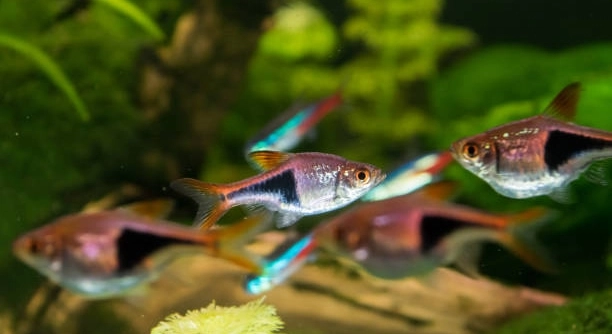
Have you ever noticed how Rasboras react when the light in their tank changes suddenly, creating a brief moment of uncertainty for them?
When light changes suddenly, Rasboras often exhibit a startle response, quickly darting or scattering to perceived safe areas. This behavior is a natural instinct to avoid potential threats and can last for several seconds before normal swimming resumes.
This reaction is more than just a simple reflex, offering insight into their natural instincts and the importance of stable lighting in aquariums.
Why Rasboras React to Sudden Light Changes
Rasboras are naturally alert fish, and sudden light changes can trigger a startle reflex. In their natural habitat, rapid changes in lighting may signal danger, such as a predator passing overhead or sudden environmental shifts. When this occurs in an aquarium, the fish interpret it as a potential threat. Their reaction is immediate—darting to cover, hiding among plants, or swimming quickly to the bottom. This behavior helps them avoid predators in the wild, but in a home aquarium, it can cause unnecessary stress. Sudden changes also disrupt their sense of safety and stability, which is vital for their overall health. Understanding this instinctive behavior is important for aquarists. It helps them create a calmer, more secure environment by controlling lighting conditions. Gradual transitions between light and dark mimic natural conditions, making Rasboras feel less threatened and more comfortable in their surroundings, which ultimately supports better long-term well-being.
Reducing sudden lighting changes can prevent unnecessary stress and keep Rasboras from associating their environment with danger.
For many aquarists, using timers or adjustable light settings helps mimic the natural sunrise and sunset. This approach minimizes stress, reduces the frequency of startling reactions, and promotes a consistent, calm environment for Rasboras to thrive. It also prevents stress-related issues such as loss of appetite, fading colors, or reduced activity levels. These small adjustments make a significant difference in their daily comfort. By prioritizing gradual light changes, aquarists help ensure their Rasboras maintain a steady routine and remain active, healthy, and less fearful. This practice also allows the fish to display natural behaviors more freely, making the aquarium both healthier and more visually engaging.
Signs Your Rasbora Is Stressed by Light Changes
A stressed Rasbora may hide more often, swim erratically, or avoid certain areas of the tank after a sudden light shift.
Prolonged exposure to sudden light changes can have lasting effects on Rasboras, both physically and behaviorally. Stress weakens their immune system, making them more vulnerable to disease. In some cases, you may notice duller colors or decreased feeding activity. They may also become less social, spending more time alone instead of schooling with others. In severe cases, chronic stress can shorten their lifespan. Observing your Rasboras carefully can help you identify these signs early and make changes before their health declines. Installing gradual dimming systems, using ambient room light before turning aquarium lights on or off, and ensuring a consistent schedule can reduce stress significantly. Additionally, providing hiding spots with plants or décor helps them feel secure, even if lighting changes occur. Maintaining stable lighting not only protects their health but also encourages natural, active behavior.
How to Prevent Stress from Light Changes
Gradual lighting transitions are the most effective way to prevent stress in Rasboras. Sudden shifts can be avoided by using timers, dimmers, or adjusting ambient room light before switching the aquarium light on or off.
Consistency in lighting schedules helps Rasboras feel secure. Using programmable LED lights with built-in sunrise and sunset modes allows for smooth transitions that mimic natural conditions. Avoid placing the tank where sunlight changes drastically during the day, as this can create unpredictable lighting patterns. A steady routine ensures the fish adapt comfortably, reducing the startle response. Regularly observing your Rasboras’ behavior during light changes helps identify any stress signs early, giving you time to adjust settings before issues develop. Stable lighting not only improves their comfort but also encourages them to display more natural and relaxed swimming patterns throughout the day.
Providing adequate hiding spaces offers a backup when light changes still occur. Dense plants, driftwood, and caves give Rasboras a place to retreat, helping them feel safe until they adjust. This reduces the duration of their startled state and allows them to return to normal activity sooner. Over time, a combination of gradual light changes and accessible hiding spots creates an environment where stress responses are minimal, and the fish remain consistently healthy and active.
The Role of Tank Setup in Light Sensitivity
A well-planned tank layout can reduce light sensitivity for Rasboras. Dense planting, floating plants, and shaded areas soften sudden brightness, giving the fish a safer and calmer space to navigate during changes.
Aquascaping with shaded zones provides constant refuge regardless of lighting conditions. Floating plants such as water lettuce or frogbit filter and diffuse overhead light, preventing harsh transitions. Combining these with mid-level plants creates a layered environment where Rasboras can choose their comfort level. Driftwood and rock structures also help break up bright areas, reducing sudden exposure when lights change. This setup not only supports stress reduction but also encourages natural exploration. By providing multiple layers of cover and light intensity, Rasboras gain more control over their environment, which improves both their activity and overall well-being. A thoughtful tank design works alongside gradual lighting changes to create a balanced, stable habitat.
Behavioral Changes to Watch For
Erratic swimming after lights change is a clear stress sign. Rasboras may dart, scatter, or remain motionless before cautiously returning to normal swimming patterns.
Loss of appetite can occur if lighting changes happen too abruptly or too often. This may lead to reduced energy and weaker immune health over time.
How Lighting Affects Group Dynamics
Lighting changes can influence how Rasboras interact with each other. In dimmer, stable light, they are more likely to school closely, showing coordinated movements that reflect safety and comfort. Sudden brightness can scatter them, temporarily breaking this formation and making them appear more skittish. Long-term disruption of group cohesion may cause increased competition for hiding spots and reduce social interaction. Stable lighting conditions not only help maintain their natural schooling patterns but also support a more harmonious tank environment. This encourages healthier relationships within the group and reduces stress-related aggression or territorial behavior.
Importance of Observation
Regularly watching Rasboras during light changes helps identify early stress signs. This allows adjustments to be made before their health or behavior declines further.
FAQ
Why do Rasboras dart around when the light changes suddenly?
Rasboras dart when light changes suddenly because their instincts interpret it as a potential threat. In nature, sudden changes in brightness can mean a predator is nearby or that environmental conditions have shifted quickly. This reflex helps them avoid danger by seeking cover or scattering. In aquariums, the same reaction occurs even though no real threat exists. Their rapid movements are a protective response, meant to increase their chances of survival. Over time, repeated sudden light changes can cause ongoing stress, so gradual transitions are better for their overall comfort and well-being.
Can sudden light changes harm Rasboras in the long term?
Yes, long-term exposure to sudden light changes can cause ongoing stress, which impacts their health. Stress in Rasboras weakens the immune system, making them more vulnerable to disease and reducing their ability to recover from illness. Chronic stress can also dull their coloration, reduce appetite, and lower activity levels. In some cases, it may shorten their lifespan. Maintaining stable lighting conditions and minimizing abrupt changes can help protect them from these effects. Consistency is key to keeping them healthy and encouraging natural, relaxed behavior in the tank.
What is the best way to reduce lighting stress in Rasboras?
The most effective way to reduce lighting stress is to create gradual transitions between light and dark. Programmable aquarium lights with sunrise and sunset settings are ideal for this purpose. If such lights are unavailable, turning on a dim room light before the aquarium light and switching it off afterward can help ease the transition. Keeping a consistent lighting schedule also plays an important role in helping Rasboras feel secure. In addition, providing plenty of plants and hiding spots gives them safe areas to retreat to when they feel startled.
Do Rasboras adapt to sudden lighting changes over time?
Rasboras may become slightly less reactive to minor changes if they are small and infrequent, but they generally do not fully adapt to abrupt shifts. Their startle response is instinctive and deeply rooted in survival behavior. While some individuals may appear calmer in certain tanks, sudden, bright changes are still likely to trigger darting or hiding. This is why it’s important to maintain predictable, gentle lighting transitions. Even if they seem to adjust, avoiding abrupt changes prevents unnecessary stress and keeps their environment stable.
Does tank setup affect how Rasboras respond to light changes?
Yes, the layout of the tank significantly affects their response. Tanks with dense planting, floating plants, and shaded areas soften the impact of light changes, giving Rasboras more visual comfort. These shaded areas also provide quick hiding spots, which reduce the duration of stress after sudden brightness. Aquariums without adequate cover leave Rasboras feeling more exposed, making them more reactive. Combining a thoughtful tank layout with gradual lighting changes offers the best environment for keeping them calm.
How many hours of light do Rasboras need each day?
Rasboras typically do best with 8 to 10 hours of light per day. This amount supports both their natural activity patterns and plant growth in planted tanks. Too much light can cause algae problems, while too little can affect their behavior and feeding habits. Using a timer ensures a consistent schedule, which helps reduce stress caused by irregular lighting patterns. Keeping the duration steady each day is just as important as managing how the lights turn on and off.
Should I leave a night light on for Rasboras?
A low-level night light is not necessary for Rasboras but can be useful in certain setups. If the room becomes completely dark at night, a faint light can prevent startle reactions when something moves near the tank. It can also help them navigate if disturbed. However, the light should be dim enough not to interfere with their resting period. Constant bright light can disrupt their natural rhythm, so if a night light is used, it should mimic moonlight rather than daylight intensity.
Can other fish in the tank influence how Rasboras react to light changes?
Yes, tank mates can affect their response. If other fish are calm during light changes, Rasboras may feel more secure. However, if other species panic or dart around, this can trigger the Rasboras to react similarly. The presence of calm, peaceful tank mates helps maintain a stable environment. On the other hand, aggressive or hyperactive species can make them more jumpy, especially during lighting transitions. Choosing compatible tank mates is an important part of keeping their stress levels low.
Final Thoughts
Sudden lighting changes can seem like a small detail in aquarium care, but for Rasboras, they have a big impact. These fish rely heavily on stability in their environment, and light plays a major role in how secure they feel. When brightness shifts abruptly, their instincts tell them danger could be near, prompting a startle response that might look harmless but can actually cause stress over time. By understanding this behavior, it becomes easier to see why consistent and gentle lighting is not just a matter of aesthetics—it is an important part of their health and comfort. Whether you have a single group of Rasboras or a community tank, recognizing the role of lighting in their daily life is an essential step in responsible care.
Providing an environment that prevents unnecessary stress should always be a priority. Gradual transitions between light and dark are one of the most effective ways to keep Rasboras calm. This can be achieved with programmable aquarium lights or by manually controlling the brightness through ambient room lighting. The goal is to avoid sudden contrasts that trigger their instinctive fear response. Equally important is the physical setup of the tank. Plants, driftwood, and floating vegetation not only enhance the look of the aquarium but also offer shaded areas where the fish can retreat if they feel exposed. These details work together to make Rasboras feel safer, allowing them to behave more naturally, maintain healthy colors, and stay active throughout the day.
Long-term care for Rasboras means considering both their physical needs and their instinctive behaviors. Lighting may seem like a small factor compared to feeding or water quality, but it shapes their daily patterns, social interactions, and overall stress levels. A calm Rasbora is more likely to school closely with others, explore the tank confidently, and feed regularly. In contrast, one that is startled often may hide more, eat less, and appear less vibrant. This is why creating a consistent lighting routine, supported by a thoughtfully designed tank, makes such a noticeable difference. By controlling the light environment, you are not only preventing unnecessary stress but also promoting a healthier, more active, and visually appealing aquarium. Caring for Rasboras in this way ensures they can live in conditions that match their instincts, leading to a longer and more fulfilling life in your care.

Hello,
If you enjoy the content that we create, please consider saying a "Thank You!" by leaving a tip.
Every little bit helps us continue crafting quality advice that supports the health, happiness, and well-being of pets around the world, for pets of all shapes, sizes, and species.
We really appreciate the kindness and support that you show us!