
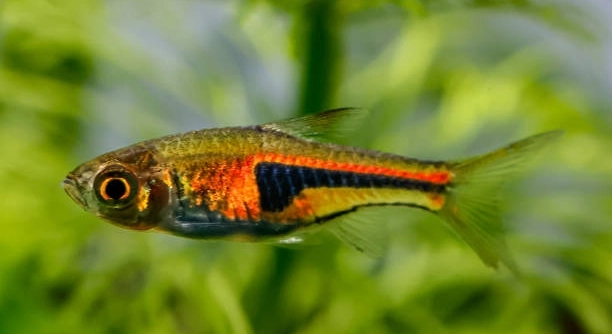
Rasboras are small, peaceful fish often kept in home aquariums. Many owners notice these fish can be shy and hide a lot. Understanding their behavior helps create a calm environment where they feel safe.
To make rasboras less shy, it is essential to provide them with plenty of hiding spots, maintain stable water conditions, avoid sudden movements or loud noises, and gradually introduce yourself as a non-threatening presence in the tank.
Improving your rasbora’s comfort can make watching them more enjoyable and help them display their natural colors and behavior.
Creating a Comfortable Environment
Rasboras need a peaceful tank to feel at ease. Providing plenty of plants, both floating and rooted, offers natural hiding spots. This mimics their natural habitat and helps reduce stress. Soft lighting also makes a big difference. Bright, harsh lights can scare them, so using a dimmer or placing the tank away from direct sunlight is best. Keeping water clean and stable is another key factor. Frequent water changes and testing for ammonia, nitrites, and nitrates help maintain good quality. A well-filtered tank prevents sudden changes in water chemistry, which can make rasboras anxious. Avoid overcrowding the tank, as this can lead to aggressive behavior and more hiding. Gentle tankmates that won’t chase or stress the fish are ideal companions. When the tank environment is calm and secure, rasboras will be more willing to explore and show their true colors.
A comfortable space encourages rasboras to swim openly and interact more with their surroundings, reducing their shyness over time.
Creating the right environment is the first step toward building trust with your fish. Adding plants like java moss or floating species such as duckweed offers shaded areas where rasboras can retreat if they feel threatened. Consistency in tank conditions avoids surprises that might cause fear. Also, controlling noise and vibrations around the tank can help, since sudden sounds make fish hide quickly. By carefully setting up their habitat, you give rasboras the chance to feel safe and relaxed, which encourages natural, less shy behavior.
Building Trust Through Interaction
Patience is essential when helping rasboras become less shy. Approaching the tank slowly and quietly reduces their fear. Avoid tapping on the glass or making sudden movements. Over time, they start recognizing you as a non-threat. Feeding at regular times also builds positive associations. Using feeding tools or offering food by hand can encourage interaction. Gradually, rasboras may swim closer during feeding, showing trust. Be consistent in your behavior, and avoid overcrowding around the tank during these moments. Watching their responses helps you learn when they are comfortable. Small, gentle actions over days and weeks make a big difference.
Regular, calm interaction allows rasboras to adjust and become more confident around people.
Developing a connection with your rasboras takes time, but steady effort pays off. Each approach to the tank should be slow and predictable to avoid triggering stress responses. Consistent feeding routines provide reassurance and help fish associate your presence with something positive. Sometimes using a small mirror outside the tank can encourage natural schooling behavior, helping them feel safer in numbers. As they grow more comfortable, they may swim out more often, showing curiosity instead of fear. Understanding their cues and giving them space when needed helps build mutual trust. The relationship strengthens when you respect their pace and environment.
Feeding Habits and Shyness
Rasboras often become less shy when feeding times are consistent and calm. Sudden movements or loud noises during feeding can scare them away. Feeding small amounts more frequently encourages natural behavior and reduces stress around food.
Offering live or frozen foods can boost their confidence. Foods like brine shrimp or daphnia mimic their natural diet, making feeding more engaging. When food is easy to find and appealing, rasboras are more likely to swim openly. Avoid overfeeding, which can dirty the water and increase stress. Watching their feeding habits also helps gauge their comfort level. When they eat confidently, it’s a sign they feel safe.
Slowly hand-feeding or using feeding tongs helps rasboras associate your presence with positive experiences. It reduces their instinct to hide and strengthens trust. Over time, this gentle interaction makes them bolder in the tank.
Tank Mates and Social Behavior
Rasboras feel safer and less shy when kept in groups of at least six or more. Being in a school provides comfort and reduces stress. Small, peaceful tank mates help create a harmonious environment without competition or aggression.
Choosing compatible fish like small tetras or peaceful bottom dwellers encourages calm interactions. Avoid aggressive or large fish that may intimidate rasboras. Tank mates that have similar water requirements prevent sudden changes in water chemistry, which can cause stress. Watching their behavior together reveals if the group is balanced and peaceful. Social interaction helps rasboras build confidence and reduces hiding. When tank mates swim calmly and do not chase each other, it sets the tone for a relaxed atmosphere that benefits everyone.
Water Temperature and Comfort
Rasboras feel more secure in stable water temperatures between 74°F and 78°F. Sudden temperature changes can cause stress and increase their shyness. Maintaining this range helps keep their activity steady and reduces hiding behavior.
Using a reliable heater and thermometer ensures consistent warmth. Avoid placing the tank near drafts or heating vents.
Gentle Lighting Effects
Soft lighting creates a calm atmosphere for rasboras. Bright lights can overwhelm them, making them retreat to hiding spots. Using dimmable LED lights or adding floating plants helps diffuse light.
Adjusting lighting gradually prevents sudden changes that might startle the fish. A relaxed light environment encourages more natural swimming and socializing.
Avoiding Loud Noises
Rasboras are sensitive to loud sounds. Noise from nearby speakers, conversations, or household appliances can cause them to hide or dart nervously. Minimizing noise near the tank helps them feel safe and lowers stress levels.
Providing Plenty of Hiding Places
Rasboras need spaces to retreat when they feel threatened. Plants, rocks, and decorations create hiding spots that make them feel secure and reduce shyness.
FAQ
How long does it take for rasboras to become less shy?
Rasboras usually start showing less shy behavior within a few weeks of consistent care. Their comfort depends on the tank environment, feeding routine, and your interaction. Some fish take longer, especially if they were stressed before. Patience and steady habits are key to helping them feel safe.
Can I tame my rasboras to come near me?
Yes, you can encourage rasboras to swim closer by feeding them regularly at the same spot and time. Using feeding tongs or hand-feeding helps build trust. They won’t become tame like pets, but they can learn to associate you with food and safety, making them bolder around your presence.
What kind of plants help rasboras feel less shy?
Floating plants like duckweed and water lettuce create shaded areas that reduce bright light. Rooted plants such as java fern, anubias, and moss provide natural hiding spots. These plants offer security and mimic the rasboras’ natural environment, making them feel more comfortable to swim freely.
Is it okay to keep rasboras alone?
Rasboras are schooling fish and feel safer in groups of six or more. Keeping them alone can increase their stress and shyness, as they rely on social cues for confidence. A group helps them feel protected, which reduces hiding and promotes natural behavior.
How do I know if my rasboras are stressed?
Signs of stress include hiding for long periods, loss of color, erratic swimming, and refusal to eat. Stressed rasboras may also stay near the bottom or gasp at the surface. Monitoring their behavior closely helps catch stress early so you can adjust care and environment.
What foods help rasboras become more active?
Live or frozen foods like brine shrimp, daphnia, and bloodworms boost activity and confidence. These foods stimulate natural hunting behavior. High-quality flakes or pellets work too but supplementing with live foods encourages more movement and reduces shyness during feeding.
Can tank mates make rasboras more or less shy?
Tank mates influence rasbora behavior greatly. Peaceful, small fish like neon tetras help create a calm tank and reduce fear. Aggressive or large fish cause stress, making rasboras hide more. Choose compatible tank mates to support a relaxed social environment.
How often should I clean the tank to keep rasboras comfortable?
Regular water changes of about 20-30% weekly maintain clean water and stable conditions. Dirty water stresses rasboras and makes them shy. Proper filtration is important, but water changes prevent buildup of harmful chemicals and keep fish healthy and confident.
Does lighting schedule affect rasbora shyness?
Yes, a consistent lighting schedule helps rasboras adjust to their environment. Around 8-10 hours of gentle light daily mimics natural cycles. Sudden changes or too much bright light cause stress and hiding. Using timers keeps lighting steady and comfortable for the fish.
What should I avoid to reduce rasbora shyness?
Avoid sudden tank movements, loud noises, overfeeding, and overcrowding. Rapid changes in water conditions also cause stress. Keeping a calm environment with stable conditions and gentle interactions is best. These factors help rasboras feel safe and less shy in their home.
Rasboras are naturally a bit shy, but with the right care, they can become more confident and easier to watch. Creating a calm and comfortable environment is the foundation. This includes keeping stable water conditions, providing plenty of plants and hiding places, and controlling lighting and noise. When their tank feels safe, rasboras are more likely to swim openly and show their natural colors. Small changes like adding floating plants or softening bright lights can make a big difference in their comfort level.
Building trust with rasboras takes time and patience. Approaching the tank slowly, feeding at regular times, and avoiding sudden movements help them feel less threatened. Using feeding tongs or offering food by hand encourages interaction and helps them connect your presence with positive experiences. It’s important to respect their pace and not rush the process. Over time, these gentle actions make rasboras more comfortable around people and reduce their shyness.
Finally, paying attention to their social needs and tank mates is essential. Rasboras are schooling fish and thrive in groups, which makes them feel safer and less anxious. Choosing peaceful companions and avoiding overcrowding keeps the tank peaceful and stress-free. Regular tank maintenance, including water changes and careful feeding, also supports their health and confidence. With consistent care and a supportive environment, rasboras can grow less shy and become a lively, beautiful part of your aquarium.

Hello,
If you enjoy the content that we create, please consider saying a "Thank You!" by leaving a tip.
Every little bit helps us continue crafting quality advice that supports the health, happiness, and well-being of pets around the world, for pets of all shapes, sizes, and species.
We really appreciate the kindness and support that you show us!