
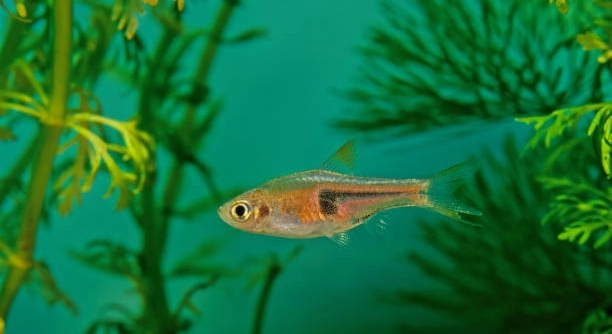
Many aquarium enthusiasts notice rasboras often hover in the water instead of swimming actively like other fish. This behavior can seem unusual at first glance. Understanding why rasboras hover can improve how we care for them and their environment.
Rasboras hover rather than swim constantly due to their natural adaptation for energy conservation and predator awareness. Hovering allows them to maintain position in water currents while monitoring surroundings, aiding survival in their native habitats where movement can attract predators.
This behavior reveals important insights into rasbora biology and tank setup. Recognizing these patterns helps ensure their well-being in captivity.
Why Rasboras Prefer Hovering Over Constant Swimming
Rasboras naturally prefer to hover because it helps them save energy in their typical environments. In the wild, they often live in slow-moving waters where constant swimming is unnecessary. Instead of swimming long distances, they maintain their position in one area by gently moving their fins, which requires less effort. This hovering also helps them stay alert to predators and changes around them without drawing too much attention. It’s a clever way to balance movement with safety. In an aquarium, mimicking this environment by providing calm water and plenty of plants can encourage healthy behavior. It also helps reduce stress for the fish, making them feel more secure and comfortable. Watching rasboras hover calmly creates a peaceful aquarium scene, and knowing why they do it helps with their care.
Hovering lets rasboras stay aware of their surroundings while minimizing energy use. This behavior suits their needs well.
Understanding these habits is key to providing the right tank conditions and ensuring the fish thrive. Proper tank flow, hiding spots, and gentle water movement support this natural behavior. When conditions are right, rasboras hover more often, showing they feel safe and relaxed. This balance also helps with their feeding and social interactions. It’s a subtle behavior but very important for their well-being.
How Tank Setup Affects Rasbora Behavior
A calm and well-planted tank encourages rasboras to hover comfortably. Water flow should be gentle and not too strong.
Tank conditions influence how rasboras behave and whether they hover or swim actively. Strong currents can force them to swim more to maintain position, which can cause stress and exhaustion. Providing plenty of plants and hiding spots creates a sense of security, reducing the need for constant movement. Soft lighting also helps, as bright or harsh light can make them uneasy. Ideally, the tank replicates their natural habitat with slow water movement and ample places to rest. Watching them hover peacefully in such an environment is a sign they are adapting well. Adjusting flow and adding decorations can make a noticeable difference in their activity levels and overall health. Keeping these factors balanced helps rasboras live longer and display more natural behaviors.
Energy Conservation in Rasboras
Rasboras conserve energy by minimizing unnecessary swimming. Hovering allows them to stay stable without tiring themselves out.
This energy-saving behavior is essential for their survival, especially in the wild. Constant swimming would use too much energy, leaving less available for feeding, reproduction, and escaping predators. By hovering, rasboras can maintain a low activity level while still monitoring their environment. This balance helps them stay healthy and alert. In captivity, where food is abundant and threats are minimal, this natural tendency remains. Observing them hover shows they are comfortable and not stressed. It also means they are adapting well to their tank conditions, conserving energy for when it’s really needed.
Hovering is more than just resting; it’s a survival strategy. By using minimal movement, rasboras keep their energy focused on important activities, helping them thrive in both natural and home environments.
The Role of Sensory Awareness
Rasboras hover to stay aware of their surroundings. This position allows them to quickly notice changes or potential threats.
Their sensory systems are tuned to detect vibrations and movements in the water. By hovering, rasboras reduce distractions from swimming motions and focus on signals from their environment. This heightened awareness helps them respond faster to danger or food. It also supports social behavior, as they keep an eye on other fish in the group. In a tank, this means they will often hover near plants or decorations that offer good visibility and safety. This behavior strengthens their chance of survival and creates a calm, balanced community in the aquarium. Understanding this helps aquarists create environments that respect these natural instincts.
Impact of Water Temperature
Water temperature affects rasbora activity levels. Cooler water encourages less movement, leading to more hovering behavior.
At lower temperatures, rasboras slow down their metabolism, which reduces the need for constant swimming. Warmer water tends to increase their activity, but if too warm, it can cause stress. Maintaining stable, moderate temperatures helps rasboras feel comfortable and hover naturally without excessive energy use.
Social Behavior and Hovering
Rasboras often hover together as a group. This behavior helps them stay coordinated and safe.
Hovering in schools allows them to watch for predators and communicate subtly. It also reduces stress and promotes a healthy social environment. Recognizing this helps in creating better tank setups.
Feeding Patterns
Rasboras typically feed near the surface or mid-water while hovering. This allows quick access to food with minimal movement.
Water Flow and Hovering
Gentle water flow supports natural hovering behavior. Strong currents force rasboras to swim more actively, disrupting their energy balance.
FAQ
Why do rasboras hover instead of swim constantly?
Rasboras hover to conserve energy and stay alert to their surroundings. Constant swimming would tire them quickly and make them more noticeable to predators. Hovering helps them maintain position in the water with minimal effort, which suits their natural habits in slow-moving streams and rivers.
Is hovering a sign that my rasboras are stressed or sick?
Not necessarily. Hovering is often normal behavior for rasboras. However, if they are hovering near the surface gasping for air or showing other signs of distress, it may indicate water quality or health issues. In a healthy tank, hovering usually means they are relaxed and comfortable.
How can I create the best environment for rasboras to hover naturally?
Provide a tank with gentle water flow, plenty of plants, and hiding spots. Soft lighting and stable water temperature also help. These conditions mimic their natural habitat and encourage normal hovering behavior, reducing stress and promoting their well-being.
Do all rasbora species hover, or is it specific to certain types?
Most rasbora species exhibit hovering behavior, especially those adapted to slow-moving waters. The degree of hovering can vary, but it is a common trait across many types, such as the Harlequin Rasbora and Chili Rasbora, which prefer calm water environments.
Can I encourage my rasboras to swim more instead of hovering?
Encouraging more swimming isn’t usually necessary since hovering is part of their natural behavior. However, increasing gentle water movement and providing open swimming areas can promote more activity if desired. Avoid strong currents, as this causes stress rather than healthy swimming.
How does tank size affect rasbora hovering behavior?
In smaller tanks, rasboras may hover more because space is limited and energy conservation is key. Larger tanks with open swimming areas allow them to be more active. Still, they will often hover near plants or decorations where they feel safe.
What role does feeding play in rasbora hovering?
Rasboras tend to hover near feeding areas to conserve energy while staying ready to dart for food. Feeding small amounts several times a day encourages natural feeding behavior and reduces stress. They prefer to eat small insects and flakes that settle near mid-water or surface.
Are there any signs that hovering behavior is abnormal?
If rasboras remain motionless for long periods, isolate themselves, or show signs of physical distress, hovering might be a symptom of illness. Normal hovering includes gentle fin movement and alertness. Sudden changes in behavior or appetite warrant checking water conditions and health.
Does water temperature influence how much rasboras hover?
Yes. Cooler water slows their metabolism, making them hover more and swim less. Warmer water increases activity but can cause stress if too high. Maintaining a stable, moderate temperature supports natural behavior and healthy energy levels.
Is it better to keep rasboras in groups for their hovering behavior?
Rasboras are schooling fish, and hovering together improves their safety and comfort. Groups allow them to watch for threats and communicate through movement. Keeping at least six together helps reduce stress and promotes natural behavior, including synchronized hovering.
Can strong water currents harm rasboras’ natural hovering?
Strong currents force rasboras to swim constantly, which can cause exhaustion and stress. It disrupts their natural energy balance and may lead to health issues. A gentle, steady flow is ideal, allowing them to hover calmly and maintain position without overexertion.
How can I tell if my rasboras are happy in their tank?
Happy rasboras hover gently, swim smoothly, and interact with their group. They show clear eyes, vibrant colors, and healthy fins. They respond to feeding times and explore their environment without signs of panic or hiding excessively.
Does tank decoration influence hovering behavior?
Yes. Plants, rocks, and hiding spots provide comfort and reduce stress, encouraging rasboras to hover naturally. Decorations mimic their wild environment, giving them places to rest and watch for threats. Sparse tanks with little cover may make them restless or stressed.
Should I adjust feeding if rasboras hover a lot?
No special adjustment is needed just because they hover. Offer small, frequent meals that match their natural diet. Proper feeding supports their energy needs and encourages healthy behavior whether they are hovering or swimming actively.
Can lighting affect rasbora hovering habits?
Bright or harsh lighting can make rasboras uneasy and less likely to hover comfortably. Soft, diffused lighting creates a calm environment, encouraging natural behavior and reducing stress. Simulating a natural day-night cycle also helps regulate their activity patterns.
What water parameters support natural hovering behavior?
Stable water conditions with appropriate pH (6.5–7.5), temperature (72–78°F), and clean water support rasbora health and natural behaviors. Regular water changes and good filtration help keep the environment safe, allowing them to hover calmly without signs of distress.
This FAQ covers common questions about why rasboras hover and how to support this behavior. Understanding these details helps provide the right care and environment for these peaceful fish.
Rasboras’ tendency to hover rather than swim constantly is a natural behavior rooted in their need to conserve energy and stay alert to their surroundings. This hovering helps them maintain a stable position in slow-moving waters, where they live in the wild. Instead of wasting energy by swimming nonstop, they gently move their fins to stay in place. This behavior also helps them avoid attracting predators, as too much movement can draw unwanted attention. Understanding this aspect of rasbora behavior is important for anyone caring for them in an aquarium. It helps explain why they might seem less active compared to other fish and highlights the importance of creating a calm and comfortable tank environment that supports their natural habits.
The environment you provide in the tank plays a big role in encouraging rasboras to hover naturally. Gentle water flow, plenty of plants, and soft lighting help mimic their natural habitat. When these conditions are met, rasboras feel safe and relaxed, showing more natural behaviors like hovering in groups near plants or decorations. Tank size also affects how much they swim or hover. Smaller tanks may limit their movement, so they hover more to save energy. Larger tanks give them more space to swim, but even then, hovering remains a key behavior. Paying attention to water temperature, proper feeding routines, and tank decorations will improve their comfort and well-being. These simple adjustments can reduce stress and promote healthier, longer lives for your fish.
Overall, rasboras hovering is a sign they are adapting well to their environment and conserving energy wisely. This behavior is not a cause for concern unless accompanied by signs of illness or distress. Recognizing and respecting their natural instincts makes it easier to care for them properly. When you create the right environment and maintain stable conditions, rasboras will display this hovering behavior with ease, contributing to a peaceful and balanced aquarium. Observing their calm presence can be a rewarding part of keeping fish, reminding us that sometimes less movement means a healthier, more content life beneath the water’s surface.

Hello,
If you enjoy the content that we create, please consider saying a "Thank You!" by leaving a tip.
Every little bit helps us continue crafting quality advice that supports the health, happiness, and well-being of pets around the world, for pets of all shapes, sizes, and species.
We really appreciate the kindness and support that you show us!