
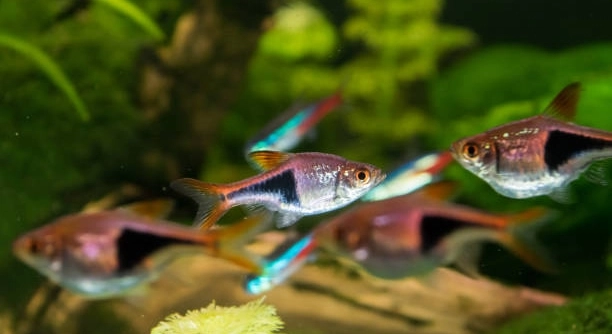
Rasboras are small, colorful fish that many people keep in home aquariums. They are active swimmers and often move in groups. Observing their behavior, including how they rest, can be interesting for fish enthusiasts.
Rasboras do not sleep all at once as a group. Instead, individual fish rest at different times, maintaining some activity within the school. This staggered resting helps them stay alert to potential threats while still getting needed rest.
Knowing how rasboras rest can improve how you care for them and create a healthier environment. Learning more about their behavior will help you understand their needs better.
Understanding Rasbora Resting Patterns
Rasboras do not have a strict sleeping schedule like humans do. Instead, they tend to rest in short periods throughout the day and night. These fish often remain alert even when resting, flicking their fins gently or floating quietly in one spot. Since they live in groups, some members stay active while others rest, ensuring the school is never completely still. This behavior helps them stay safe from predators by maintaining some movement at all times. The lighting and environment in the tank also influence their resting habits. Dimmer lights often encourage more resting periods, while bright lights keep them more active. Observing these small shifts in activity can give you clues about when your rasboras are resting. Recognizing these patterns will help you create a comfortable environment that supports their natural behavior, promoting healthier fish overall.
Rasboras rest by staying partially alert, which allows the group to stay safe while individuals recover energy.
Creating a balanced environment with proper lighting and minimal disturbances helps rasboras rest naturally. Avoid sudden changes in their tank, and try to mimic their natural light cycles to encourage healthy rest habits.
Signs Your Rasboras Are Resting
When rasboras rest, you might notice they slow down or hover near the bottom or sides of the tank. Their movements become gentle and less frequent, but they rarely lie completely still. They keep their eyes open and respond quickly to sudden changes around them. This behavior is different from illness or stress, where fish may isolate or stop moving altogether. Resting rasboras maintain their group formation but appear calmer and less active than usual. Understanding these subtle signs can help you tell when your fish are resting versus when they might need attention or care. By paying attention to their behavior, you can ensure their habitat remains peaceful and supportive.
Rasboras’ resting behavior involves reduced activity but constant awareness, keeping them safe while conserving energy.
It is important to distinguish resting from signs of distress, such as erratic swimming, hiding, or loss of appetite. Regularly watching your fish will make it easier to notice changes that could indicate health issues. Keep the tank clean, maintain stable water conditions, and provide proper nutrition to support their well-being. Ensuring your rasboras have a quiet and stable environment will help them rest properly, leading to happier and healthier fish.
How Much Sleep Do Rasboras Need?
Rasboras do not require long continuous sleep periods. Instead, they take many short rest breaks throughout the day and night. These brief rests help them stay alert and ready to react.
Their resting times can add up to several hours in total, but these are spread across many intervals. Unlike mammals, fish don’t enter deep sleep stages; they remain partially aware of their surroundings. This allows them to respond quickly to danger. In a well-maintained aquarium, rasboras rest naturally by slowing their movements and reducing activity, especially during low-light periods. Creating a stable environment with consistent day-night cycles supports this behavior, helping the fish rest well without stress or interruption.
Rasboras also benefit from peaceful tank conditions. Loud noises, sudden movements, or strong light changes can disrupt their rest. Ensuring a calm environment encourages healthy resting habits and keeps the fish comfortable.
Creating a Rest-Friendly Environment
Lighting is a key factor in helping rasboras rest properly. They prefer dim or natural light during their resting periods. Using a timer for aquarium lights helps mimic natural daylight cycles, signaling when it’s time to be active or rest.
Stable water conditions also contribute to restful behavior. Sudden temperature or pH changes can stress fish, making it hard for them to rest. Regular maintenance and monitoring keep the tank environment steady and comfortable. Adding plants or decorations provides hiding spots where rasboras feel safe during rest. This reduces anxiety and promotes natural behavior. A quiet space around the aquarium, away from heavy traffic or loud sounds, also supports their well-being.
By paying attention to these details, you create a peaceful habitat that encourages healthy resting patterns and overall fish health.
Group Behavior During Rest
Rasboras do not all rest at the same time. Some fish stay active while others slow down or hover quietly. This keeps the group alert and safer from threats.
This behavior is natural and helps maintain constant vigilance. The group balance between rest and activity is important for their survival.
Nighttime Activity
At night, rasboras reduce their movement but rarely become completely still. They hover near plants or decorations, using these as safe spots. Their eyes remain open, and they respond quickly to disturbances. This light rest allows them to conserve energy while staying aware.
Rest and Health
Rest is vital for rasboras’ health. Lack of proper rest can cause stress and weaken their immune system. Providing a calm, stable environment supports their natural rest cycles and overall well-being.
Common Misunderstandings
Rasboras’ subtle resting behavior is often mistaken for illness. Knowing their normal patterns helps avoid unnecessary worry and supports better care.
FAQ
Do rasboras sleep like humans do?
No, rasboras do not sleep like humans. They don’t have deep sleep phases or long continuous sleep. Instead, they rest in short, frequent periods while staying partly alert. This means they slow down and reduce movement but remain aware of their surroundings to respond quickly if needed.
How can I tell if my rasboras are resting or sick?
Resting rasboras move slowly, hover calmly, and keep their eyes open. They don’t hide away or stop eating. Sick fish often isolate themselves, show erratic movements, lose appetite, or display physical signs like discoloration. Observing behavior over time helps you tell the difference.
Do rasboras all rest at the same time?
No, they rest at different times within the group. While some are resting, others stay active. This staggered resting keeps the group alert and safer from potential threats. It’s normal to see some fish swimming while others are calmer or still.
What is the best environment to help rasboras rest well?
A stable tank with consistent light cycles is important. Use a timer to mimic natural day and night. Keep water conditions steady by regularly testing and maintaining temperature, pH, and cleanliness. Adding plants and decorations offers hiding spots, helping fish feel secure and relaxed.
Can bright light affect rasboras’ rest?
Yes, bright or sudden lighting can stress rasboras and disturb their rest. They prefer dimmer light during rest periods. Using adjustable lighting or turning off tank lights at night helps them maintain natural rest habits.
How much rest do rasboras need each day?
Rasboras rest several hours a day but in many short breaks instead of one long sleep. These brief rests allow them to conserve energy while staying alert. The total rest time can vary depending on tank conditions and their activity level.
Is it normal for rasboras to hover near the bottom when resting?
Yes, hovering near the bottom or close to plants is common during rest. It helps them feel protected and less exposed. However, if a fish stays at the bottom all the time and shows signs of distress, it may need attention.
Do rasboras close their eyes when resting?
No, fish including rasboras don’t have eyelids, so they keep their eyes open even while resting. They rely on their awareness of surroundings to avoid danger.
Can stress affect rasboras’ resting behavior?
Stress can disrupt normal resting patterns. Loud noises, rapid movements around the tank, poor water quality, or overcrowding can make rasboras more restless or inactive. Reducing stress by creating a calm, clean environment improves their ability to rest.
Should I change the tank setup to encourage better rest?
Yes, creating a peaceful environment helps rasboras rest better. Adding plants and hiding spots gives them comfort. Avoid placing the tank in noisy or high-traffic areas. Maintaining good water quality and proper lighting cycles also supports their natural resting behavior.
Are there signs that rasboras are not resting enough?
Signs include constant darting or frantic swimming, pale colors, or decreased appetite. These may indicate stress or poor rest. Improving tank conditions and reducing disturbances can help restore normal rest.
How do I know if my rasboras are healthy overall?
Healthy rasboras are active during the day, eat regularly, show bright colors, and rest calmly in short periods. Consistent behavior and good appetite are positive signs. Watch for changes that might suggest illness or stress.
Can other fish in the tank affect rasboras’ rest?
Yes, aggressive or overly active tank mates can disturb rasboras. Keeping compatible fish together and providing enough space reduces stress and allows rasboras to rest properly.
Do rasboras need total darkness to rest?
They don’t require total darkness but benefit from dim or low light during rest periods. Too much light can keep them active and reduce rest quality. Mimicking natural light cycles with gradual dimming works best.
Is it okay to turn off aquarium lights at night?
Yes, turning off lights at night helps replicate natural conditions and signals rest time. Using a timer for automatic light control makes this easier and more consistent.
How often should I check on my rasboras’ resting behavior?
Regular observation during different times of the day helps you understand their rest patterns. Noticing changes early can help address any health or environment issues before they worsen.
Rasboras have a unique way of resting that is different from how humans sleep. They do not all rest at once but take many short breaks throughout the day and night. During these breaks, they slow down and stay calm but remain aware of their surroundings. This helps keep the group safe while each fish can recover energy. Understanding this behavior is important for anyone keeping rasboras in an aquarium. It helps create a better environment that supports their natural habits and keeps them healthy.
Creating a comfortable environment for rasboras plays a big role in how well they rest. Proper lighting that mimics natural day and night cycles is very helpful. Using a timer for aquarium lights can provide a consistent schedule that signals when it is time to be active and when to rest. Stable water conditions, such as regular temperature and pH levels, also reduce stress and encourage normal resting behavior. Adding plants and decorations gives rasboras places to hide and feel safe. These simple steps make a big difference in helping rasboras relax and maintain their natural rhythms.
Paying attention to how rasboras rest can also help spot any health problems early. Resting fish move slowly and stay in groups, while sick or stressed fish may act differently. They might hide, lose appetite, or swim erratically. Knowing what normal rest looks like makes it easier to tell when something is wrong. Taking good care of their environment and watching their behavior closely will support your rasboras’ well-being. A calm and stable tank helps them rest well, stay healthy, and live longer.

Hello,
If you enjoy the content that we create, please consider saying a "Thank You!" by leaving a tip.
Every little bit helps us continue crafting quality advice that supports the health, happiness, and well-being of pets around the world, for pets of all shapes, sizes, and species.
We really appreciate the kindness and support that you show us!