
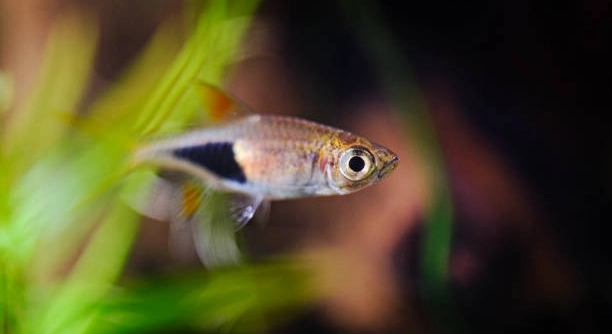
Do Rasbora recognize the person feeding them is a question many fish owners consider. These small, active fish often seem to respond when food is involved. Observing their behavior may reveal interesting interactions between fish and their caretakers.
Rasbora can recognize the person feeding them through repeated exposure and association. They learn to identify their feeder by cues such as movement and routine, demonstrating a form of simple memory and conditioned response.
Understanding how Rasbora react to feeding routines offers insight into their behavior and strengthens the bond between owner and fish. This knowledge helps create a more engaging and enjoyable aquarium experience.
How Rasbora Learn to Recognize Their Feeder
Rasbora are capable of learning to recognize the person who feeds them through repeated interactions. When feeding time happens regularly, they start to associate certain cues with food. These cues include the appearance of the feeder, the movement near the tank, and even specific sounds. Over time, Rasbora can respond by swimming closer or becoming more active when they see their feeder approach. This behavior shows they are not just reacting randomly but have formed a connection between the person and the food source. The recognition process is similar to basic conditioning found in other animals, where repeated pairing of a stimulus with a reward creates a learned response. However, their recognition is limited and tied to consistent signals, so irregular feeding may reduce their ability to identify the feeder.
This learning ability helps Rasbora adapt to their environment and interact with their caretakers in a meaningful way.
Regular feeding schedules improve their response, encouraging Rasbora to be more social and less shy in the tank.
Signs Rasbora Recognize You
Rasbora often swim toward the side of the tank where they expect food. When they recognize their feeder, their swimming becomes more lively and directed. They may gather near the surface or follow the person’s hand as it approaches. These actions indicate that the fish remember previous feeding experiences and anticipate food. This recognition is a form of learned behavior based on routine and consistent cues, rather than an understanding of individual identity as humans experience it. Rasbora also tend to stop hiding and show more confidence around the person they recognize, which suggests a level of trust built through feeding interactions.
Encouraging Recognition in Rasbora
Creating a strong recognition bond with Rasbora depends on consistency and patience. Feeding the fish at the same time and place each day helps them associate specific patterns with feeding. Using gentle movements and minimizing sudden disturbances allows Rasbora to feel safe and notice the feeder’s presence more easily. Talking softly or tapping lightly on the tank before feeding can also become signals that prepare the fish to expect food. Over weeks, this routine strengthens their ability to recognize who provides their meals.
In addition to feeding, maintaining clean water and a healthy environment encourages natural behavior, which includes responsive feeding habits. A calm setting helps Rasbora focus on their surroundings and the cues given by their feeder. While they may not recognize faces like mammals, they do respond to the habits and actions of their caretakers.
For those who spend time observing their aquarium, these learned responses add a rewarding dimension to fishkeeping. Recognition makes daily interactions more engaging and highlights the intelligence of Rasbora as more than just decorative pets.
Factors Affecting Recognition
Several factors influence how well Rasbora recognize their feeder. Consistency in feeding time and manner is crucial. Sudden changes in routine can confuse them. The environment also plays a role; a quiet, stable tank encourages better interaction. Stress or poor health may reduce their responsiveness.
The size of the tank impacts recognition as well. In smaller tanks, Rasbora are more likely to notice their feeder’s approach because of limited space. Larger tanks may make it harder for fish to connect feeding with a particular person, especially if multiple people care for the aquarium. Lighting conditions also matter since clear visibility helps fish identify movement and shapes outside the tank.
The type of food offered can influence how quickly Rasbora respond. They tend to recognize feeders more readily when given their preferred food, which motivates them to pay attention. Variety in diet can maintain their interest but should not disrupt the feeding schedule.
Improving Interaction With Rasbora
To improve interaction, establish a predictable feeding routine that Rasbora can learn. Feeding at the same time every day and from the same side of the tank helps build recognition. Use slow, deliberate hand movements to avoid startling the fish. Speaking softly nearby can also become a familiar cue that signals feeding time.
Positive reinforcement strengthens the bond with your fish. Observing their responses and adjusting feeding practices accordingly shows attentiveness to their behavior. Patience is key, as recognition develops gradually over weeks. Avoid abrupt changes to keep Rasbora comfortable and responsive. Clean water and a healthy environment support their natural instincts, making them more likely to engage during feeding.
Spending regular time near the tank outside feeding sessions also encourages fish to become accustomed to your presence. This makes the feeding moment less stressful and more interactive, fostering recognition and trust over time.
Common Misunderstandings About Rasbora Recognition
Rasbora recognition is often mistaken for simple food-seeking behavior. Their movement toward the feeder does not always mean they identify a specific person. It is usually a response to learned signals rather than emotional bonding.
Some owners expect Rasbora to recognize them as humans do, which is unlikely. Their recognition is limited to consistent cues related to feeding and environment.
Visual and Sensory Abilities of Rasbora
Rasbora rely heavily on their vision to detect movement and shapes around the tank. Their eyesight helps them notice the feeder’s approach. They also use their lateral line system to sense vibrations in the water, aiding recognition of nearby activity.
How Feeding Time Impacts Behavior
Regular feeding times create a sense of predictability for Rasbora. This reduces stress and encourages active behavior. When feeding is inconsistent, fish may become shy or less responsive.
The Role of Environment in Recognition
A calm, clean environment allows Rasbora to focus on feeding cues. Stressful conditions hinder their ability to recognize routine signals. Maintaining water quality is essential for healthy behavior.
How do Rasbora recognize the person feeding them?
Rasbora recognize their feeder mainly through repeated exposure to consistent signals. They learn to associate specific movements, feeding times, and locations with food. This process is a form of conditioning, where the fish respond to familiar cues rather than recognizing the person’s face. Over time, they become more alert and active when the feeder approaches the tank.
Can Rasbora distinguish between different people?
Rasbora are unlikely to differentiate between individuals like humans do. They respond to patterns such as hand movements or the sound of food being prepared. If multiple people feed them regularly and in similar ways, the fish may not show preference for one person over another. Consistency in routine matters more than who does the feeding.
How long does it take for Rasbora to recognize their feeder?
Recognition develops gradually, usually over several weeks of consistent feeding. Regular timing and similar actions help the fish learn the association faster. Irregular feeding schedules can delay this learning process. Patience and routine are key to encouraging recognition.
What behaviors show that Rasbora recognize their feeder?
Common signs include swimming toward the feeder, gathering near the surface, and increased activity when the person approaches. They may stop hiding and become more confident. These responses indicate the fish associate the feeder with food and feel comfortable in their presence.
Does feeding frequency affect recognition?
Yes, consistent feeding frequency improves recognition. Feeding at the same time every day builds a routine that the fish learn to expect. Irregular or infrequent feeding can confuse Rasbora and weaken their conditioned response.
Can Rasbora remember their feeder after a break?
If there is a long break in feeding by the same person, Rasbora may lose the association. Their memory is limited and depends on regular reinforcement. However, reintroducing a consistent routine usually restores recognition within a few days or weeks.
Does the type of food affect recognition?
Preferred food can motivate Rasbora to respond more quickly to their feeder. If they enjoy a specific type of food, they are more likely to notice and react to feeding cues. Offering a variety of foods can keep them interested, but the feeding routine remains the primary factor.
Are Rasbora recognizing their feeder the same as bonding?
No, recognition is a learned response to routine cues, not emotional bonding. While Rasbora may show trust by being less shy, their behavior is driven by conditioning rather than affection or social attachment like mammals.
How can I improve Rasbora’s recognition of me?
Feed at the same time and place daily using slow, consistent movements. Avoid sudden actions that startle them. Talking softly near the tank or tapping lightly can become feeding signals. Maintaining a clean, calm environment also helps Rasbora focus and respond better.
Do environmental changes affect recognition?
Yes, changes like poor water quality, loud noises, or sudden tank rearrangements can stress Rasbora and reduce their responsiveness. A stable, quiet environment supports natural behavior, making recognition more reliable.
Can Rasbora recognize other pets or family members?
Recognition depends on routine and cues related to feeding. If other pets or family members regularly feed the fish using similar patterns, Rasbora might respond to them equally. They do not identify individuals by appearance but by predictable behavior linked to food.
Is it normal for some Rasbora to not respond to the feeder?
Yes, individual differences exist. Some Rasbora are naturally shy or less active and may take longer to recognize or react to feeding cues. Ensuring a stress-free environment and consistent routine encourages participation from all fish.
What should I avoid to not disrupt recognition?
Avoid sudden changes in feeding schedule, erratic hand movements, or loud noises near the tank. Do not switch feeders frequently without maintaining a consistent routine. These disruptions can confuse the fish and weaken the association with their feeder.
Does the size of the tank impact recognition?
Smaller tanks make it easier for Rasbora to notice and respond to the feeder’s presence because of limited space. Larger tanks can reduce visibility and make it harder for fish to link a specific person with feeding, especially if multiple people are involved in care.
How does stress affect Rasbora’s ability to recognize their feeder?
Stress reduces fish responsiveness. When Rasbora are stressed by poor water conditions, overcrowding, or aggressive tank mates, they become less active and hide more. This makes recognition harder, as they are less likely to respond to feeding cues.
Can I train Rasbora to recognize feeding signals besides the feeder?
Yes, feeding signals like tapping the tank, turning on a light, or a specific sound can become cues associated with feeding. Over time, Rasbora learn to respond to these signals, helping them anticipate food even before the feeder appears.
Are there signs that Rasbora do not recognize their feeder?
If the fish show little reaction to your presence or feeding attempts, avoid the area, or hide frequently, they may not have formed a recognition link. This often indicates inconsistency in feeding routines or stressful tank conditions that prevent learning.
What is the role of the lateral line system in recognition?
The lateral line helps Rasbora detect water vibrations and nearby movement. This sensory system allows them to sense a feeder’s approach even if they cannot see clearly. It supports their ability to respond quickly during feeding time.
Can Rasbora recognize their feeder without visual cues?
While vision is primary, Rasbora can use other senses such as detecting vibrations and sounds associated with feeding. These cues contribute to their recognition, especially when visual contact is limited.
How important is patience in building recognition with Rasbora?
Patience is essential. Recognition does not happen instantly and requires weeks of consistent routine. Rushing or changing feeding patterns often interrupts learning. Steady, calm interactions build the strongest responses over time.
Final thoughts on whether Rasbora recognize the person feeding them highlight the importance of routine and environment. These fish learn to associate specific signals, such as the movement of a hand or the timing of feeding, with food. This recognition is not based on identifying individual humans but on repeated patterns that the fish come to expect. Over time, consistent feeding habits help Rasbora respond more actively and confidently when their feeder approaches. This simple form of learning shows that even small fish can adapt their behavior to their surroundings and caretakers.
Maintaining a calm and stable environment is essential for encouraging Rasbora to recognize their feeder. Stressful conditions, such as poor water quality or sudden changes in the tank, can reduce their responsiveness and make it harder for them to learn. Quiet surroundings and a clean habitat allow the fish to focus on feeding cues and develop predictable responses. Feeding at the same time and place each day strengthens this connection and helps the fish feel secure. Small actions like slow hand movements or soft sounds near the tank can become signals that Rasbora learn to associate with feeding, improving their reaction over time.
It is important to remember that recognition in Rasbora is different from bonding seen in mammals or birds. Their response is driven by routine and conditioning rather than emotional attachment. Some owners may expect their fish to show affection or personal preference, but the fish’s behavior mainly reflects learned associations with feeding. Patience and consistency are key to building this recognition. Observing these subtle changes in behavior can make caring for Rasbora more rewarding, offering insight into how these small fish perceive and interact with their environment. Understanding this helps create a better experience for both the fish and their caretaker.

Hello,
If you enjoy the content that we create, please consider saying a "Thank You!" by leaving a tip.
Every little bit helps us continue crafting quality advice that supports the health, happiness, and well-being of pets around the world, for pets of all shapes, sizes, and species.
We really appreciate the kindness and support that you show us!