
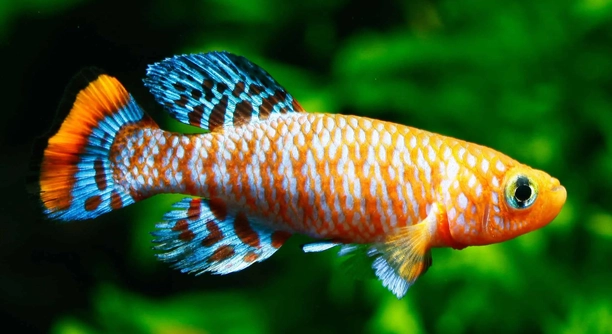
Using rainwater for killifish tanks is an idea some aquarists consider to provide a natural water source. Rainwater can be free from many chemicals found in tap water, which might benefit sensitive fish like killifish. However, its use requires careful attention to water quality and safety.
Rainwater can be used for killifish tanks if it is collected and stored properly to avoid contaminants. It should be tested and treated to ensure it does not contain harmful substances or pathogens that could stress or harm the fish.
Understanding how to safely use rainwater can help maintain a healthy environment for your killifish. This article will guide you through the important factors to consider before using rainwater in your aquarium.
Collecting and Storing Rainwater for Killifish Tanks
Collecting rainwater requires using clean containers placed in an open area where water can flow freely without touching contaminants like dust, leaves, or bird droppings. It’s best to avoid collecting rainwater directly from roofs or gutters, as these can carry pollutants. A simple rain barrel with a fine mesh cover works well to keep debris out. Once collected, the water should be stored in a sealed container to prevent mosquitoes and other insects from breeding. Keep the container in a cool, shaded area to reduce algae growth. Before using the rainwater in your killifish tank, it’s important to let it sit for at least 24 hours, which allows some impurities to settle at the bottom. Regularly cleaning your collection and storage system is key to maintaining water quality over time.
Storing rainwater properly helps ensure the water stays clean and safe for your fish. It minimizes the risk of contamination and harmful bacteria growth.
Testing rainwater before adding it to your killifish tank is a smart step. You can use simple test kits to check pH, hardness, and nitrates. This helps you know if the water is suitable or needs treatment. If needed, treat the water by aerating it or adding beneficial bacteria. Keeping track of your tank’s water parameters will help your killifish thrive.
Potential Risks of Using Rainwater
Using rainwater without testing can introduce unwanted chemicals or microorganisms into your tank. Rainwater might absorb pollutants from the air, such as dust or chemical particles. It could also carry bacteria or parasites harmful to killifish if the collection system is not clean.
Regular testing and treatment reduce these risks. Always check for changes in your fish’s behavior or health, as these can signal water quality problems. Using rainwater cautiously, combined with proper care, can keep your killifish healthy and safe in their environment.
Preparing Rainwater for Killifish Tanks
Before adding rainwater to your tank, it must be conditioned to match the needs of your killifish. Raw rainwater often has low minerals, which can affect fish health. Adjusting parameters like pH and hardness is essential for a stable environment.
To prepare rainwater, start by testing its pH, hardness, and nitrate levels using aquarium water test kits. If the water is too soft or acidic, add buffering agents or remineralizers designed for aquariums. Aerate the water by pouring it between containers or using an air stone to increase oxygen levels and reduce harmful gases like carbon dioxide. This step also helps stabilize pH. Let the water sit for at least 24 hours before use to allow chlorine or other volatile compounds to dissipate if present.
Using a water conditioner made for fish tanks can also neutralize any residual toxins or metals in rainwater. This is especially helpful if you collect rainwater from urban or industrial areas, where pollution can affect quality. Proper preparation supports killifish health and reduces stress in their environment.
Benefits of Using Rainwater
Rainwater can be a good source of soft, slightly acidic water, which suits many killifish species well. Its natural purity often lacks chlorine and chloramine found in tap water, which need special treatment to remove. This can make it gentler on sensitive fish.
Additionally, rainwater can help replicate the killifish’s natural habitat, especially for species from tropical rainforests or seasonal pools. Using rainwater allows you to maintain lower hardness and pH levels without expensive additives. It can also reduce buildup of certain chemicals that tap water sometimes introduces. However, it requires proper care to ensure safety. When managed well, rainwater can be a cost-effective and natural way to maintain a healthy tank environment.
Risks of Using Untreated Rainwater
Untreated rainwater may contain harmful bacteria, viruses, or parasites that can stress or infect killifish. It can also carry pollutants from the atmosphere, making it unsafe for aquarium use without proper treatment.
Using untreated rainwater increases the risk of sudden changes in water chemistry. These fluctuations can be harmful to your fish’s health and tank stability.
Testing Rainwater Quality
Regular testing of rainwater is crucial before adding it to your killifish tank. Test for pH, hardness, ammonia, nitrites, nitrates, and possible contaminants using reliable aquarium test kits. This helps ensure the water is safe and stable for your fish. Tracking these parameters allows you to adjust water conditions as needed and avoid potential health issues in your killifish.
Water Treatment Options
Treat rainwater with aeration, filtration, and water conditioners to make it safe for your killifish. Aeration removes gases and stabilizes pH, while filtration reduces particles and microorganisms. Water conditioners can neutralize harmful substances and add essential minerals.
FAQ
Can I use rainwater directly from the collection container for my killifish tank?
Using rainwater straight from the collection container is not recommended. It may contain contaminants like dust, debris, or microorganisms that can harm your fish. Always let rainwater settle, aerate it, and test for water parameters before adding it to the tank. Treating the water helps avoid sudden changes in water quality.
How do I test rainwater quality for my killifish?
You can use aquarium test kits to check key factors like pH, hardness (GH and KH), ammonia, nitrites, and nitrates. These kits are easy to use and provide quick results. Testing ensures the rainwater is safe and suitable for your killifish’s needs. If values are off, adjustments with conditioners or buffers might be necessary.
Is rainwater better than tap water for killifish?
Rainwater can be better because it usually lacks chlorine, chloramine, and other chemicals found in tap water. Many killifish prefer soft, slightly acidic water, which rainwater naturally provides. However, rainwater requires careful collection, testing, and treatment to avoid contaminants and maintain a stable environment.
What are the risks of using untreated rainwater?
Untreated rainwater can carry harmful bacteria, viruses, or parasites. It might also contain pollutants from the air or collection surfaces. These risks can lead to fish stress, illness, or death. Proper testing and treatment are essential before adding rainwater to your killifish tank.
How should I store rainwater before using it?
Store rainwater in a clean, sealed container to prevent contamination and mosquito breeding. Keep the container in a cool, shaded place to limit algae growth. Avoid collecting water from rooftops or gutters to reduce pollutants. Proper storage maintains water quality and safety.
Can I use rainwater for all types of killifish?
Most killifish species thrive in soft, slightly acidic water, which rainwater often provides. However, some species prefer different water conditions. Always research your specific killifish species’ needs and test rainwater to ensure it matches their requirements.
Do I need to add minerals to rainwater before using it?
Rainwater is usually low in minerals, which can affect fish health. Adding aquarium-safe remineralizers helps maintain proper hardness and mineral balance. This supports your killifish’s biological functions and strengthens their immune system.
How often should I test the rainwater and tank water?
Test rainwater each time before use, especially if it’s stored for a while. Regularly check your tank water—at least once a week—to monitor stability and detect problems early. Consistent testing helps maintain a healthy environment.
What water treatments are safe for rainwater?
Use water conditioners that neutralize chlorine, chloramine, and heavy metals. Aerate rainwater to increase oxygen and remove gases like carbon dioxide. Adding beneficial bacteria products can help establish a healthy biological filter. Always choose products labeled safe for freshwater fish.
Can rainwater cause algae growth in the tank?
Rainwater itself doesn’t cause algae, but nutrients and organic matter from collection containers can encourage algae growth. Proper cleaning of collection systems and storage containers reduces this risk. Maintaining balanced lighting and regular tank maintenance also helps prevent algae issues.
Using rainwater for killifish tanks can be a helpful way to provide water that is soft and slightly acidic, which many killifish prefer. It often lacks the chemicals found in tap water, like chlorine and chloramine, making it gentler on sensitive fish. However, using rainwater requires careful attention to collection, storage, and treatment. Simply collecting rainwater and putting it directly into the tank can lead to problems because it may contain harmful bacteria, pollutants, or parasites. Taking steps to properly prepare and test the water ensures a safer environment for your killifish.
It is important to always test rainwater before adding it to your tank. Testing helps you check the water’s pH, hardness, and the presence of ammonia or nitrates. These factors affect how well your killifish will do in their tank. If the water isn’t balanced, you may need to adjust it by adding minerals or using water conditioners designed for aquariums. Aerating the rainwater can also improve its quality by increasing oxygen levels and helping harmful gases escape. These simple steps can reduce the risk of stress and illness in your fish.
In summary, rainwater can be a useful and natural water source for killifish tanks when handled correctly. Proper collection methods, good storage practices, and regular water testing and treatment are all essential. By following these guidelines, you help create a stable, healthy home for your killifish. This care not only supports their well-being but also makes your aquarium more enjoyable to maintain. Remember that every tank and fish species may have different needs, so always research and monitor your killifish closely.

Hello,
If you enjoy the content that we create, please consider saying a "Thank You!" by leaving a tip.
Every little bit helps us continue crafting quality advice that supports the health, happiness, and well-being of pets around the world, for pets of all shapes, sizes, and species.
We really appreciate the kindness and support that you show us!