
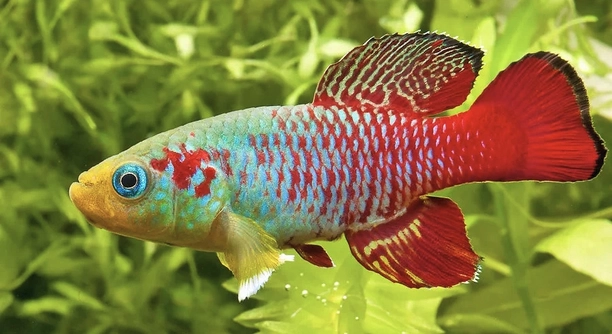
Have you ever noticed your killifish spending most of their time in the darker corners of the tank instead of swimming in open light?
Killifish prefer shaded areas because these spaces replicate their natural habitat, providing shelter, reducing stress, and helping them avoid predators. The dim environment also supports healthier behavior and encourages more natural activity patterns in aquarium settings.
Understanding their need for shade can help you create a healthier, more comfortable space for your fish to thrive in every day.
Natural Habitat and Instincts
In the wild, killifish are often found in slow-moving or still waters like ponds, streams, and swamps. These areas naturally have lots of overhanging vegetation, fallen leaves, and murky spots that create shade. Shaded environments protect them from direct sunlight, help them avoid predators, and offer quiet places to rest or search for food. Instinctively, they feel safer in darker areas where visibility is low. When kept in aquariums, they carry those same instincts. Bright lights or fully open tanks can make them feel exposed or uncomfortable. Providing shaded spaces, like using floating plants or decorations, allows them to behave more naturally and feel more secure. If your killis are always hiding, it’s likely because they’re seeking that sense of cover they’re used to. Creating an environment that mirrors their natural habitat is essential for their comfort and well-being. It helps reduce stress and encourages more active, healthy behavior.
Killifish often choose dim corners or plant-covered areas over bright, exposed spots. It’s simply how they’re wired.
You don’t need to build an elaborate setup. Just a few floating plants or a carefully placed rock cave can make a difference. The goal is to provide safe zones without overcrowding the tank.
Stress and Light Sensitivity
Too much light can overwhelm killifish and make them more anxious in their environment. Some types of artificial lighting used in tanks are too strong for these small fish. In nature, the light they’re used to is often filtered through layers of plants and debris, so direct brightness can feel unnatural. When exposed to it constantly, they may stop eating or become less active. This stress affects their immune system and can make them more vulnerable to illness. Adding shaded areas in your tank helps them regulate their activity and rest when needed. Using plants, rocks, or dim corners helps recreate the light-dappled conditions they prefer. It’s not about keeping them in total darkness, but about giving them control over their exposure. A relaxed fish is a healthier fish. Being able to move between shaded and lit areas keeps them balanced and comfortable. It also brings out more natural movement and behavior.
Creating the Right Shade Balance
Too much shade can limit a killifish’s movement and affect their feeding habits. The goal is to create balance—enough cover for security, but still enough light for activity and plant health in the aquarium.
Start by observing where your killifish naturally spend their time. If they cluster in one shaded area, consider expanding it slightly using floating plants like Amazon frogbit or water lettuce. These plants offer shade without blocking all the light. Avoid covering the entire tank, as this can make the environment too dark and discourage normal swimming patterns. Try using decorations like driftwood or rock arches to provide varied shelter. This encourages exploration and prevents your fish from becoming too sedentary. Also, make sure the shaded zones aren’t too tight or crowded, so water circulation stays healthy. Good shade gives your killis options—to rest, to hide, or to swim freely when they feel safe.
Lighting should mimic natural conditions as closely as possible. Use softer, adjustable LED lights and create a gradual day-night cycle. This helps reduce stress and gives your fish time to adapt. Position light fixtures off-center or partially shielded to prevent harsh glare across the entire tank. Let your killis control their exposure.
Choosing Tank Mates Carefully
Some fish are too active or aggressive, which can drive killifish deeper into hiding. Choosing peaceful, slow-moving tank mates reduces tension and allows your killifish to use both shaded and open areas comfortably.
Fish like small rasboras, corydoras, or peaceful tetras are usually calm enough to coexist with killifish. Avoid nippy or fast-swimming species like tiger barbs or danios, which may intimidate or outcompete your killis. Overcrowding the tank also adds stress, pushing your fish to seek more shade than they normally would. A relaxed environment gives killifish the confidence to explore beyond cover. When tank mates respect their space, your killifish will become more visible and active. Choosing compatible fish is just as important as the plants and lighting you provide. It shapes how your killis interact with their surroundings, and how often they need to hide. A balanced tank helps them thrive without fear.
Plant Types That Work Best
Floating plants are one of the easiest ways to add shade without making the tank feel crowded. Try options like duckweed, water lettuce, or Amazon frogbit for light cover and natural appeal.
Rooted plants also help, especially taller ones like hornwort or water wisteria. These grow upward and break up the lighting gently.
Water Quality Matters Too
Killifish prefer clean, stable water with gentle flow. Poor water conditions can lead to stress, pushing them to hide even more. Make sure filtration is adequate but not too strong, as heavy currents can drive them into shaded areas for relief. Regular water changes and careful monitoring of ammonia, nitrite, and nitrate levels help maintain comfort. Floating plants also assist in improving water quality by absorbing excess nutrients and offering surfaces for beneficial bacteria. When combined with clean conditions, these shaded areas become peaceful zones instead of hiding spots out of necessity. Water quality and lighting work hand in hand to shape killifish behavior.
Avoid Overcrowding the Tank
Too many fish lead to more stress, more waste, and less space. Overcrowding forces killifish to retreat more often, making shaded areas their only escape from pressure and competition.
FAQ
Why do killifish hide in shaded areas more than other fish?
Killifish naturally come from environments with dense vegetation and low light. They rely on shaded spots for safety and comfort. Unlike some fish that tolerate open water easily, killifish feel more secure when they can quickly retreat to darker places. Their instincts make them prefer shade to reduce stress and avoid predators, even in a home aquarium.
Can too much light harm killifish?
Yes, excessive lighting can stress killifish. In the wild, they experience filtered or dim light, not bright, constant illumination. Harsh or direct lighting can cause anxiety, reduce their appetite, and make them less active. Providing areas where they can escape bright light helps keep them calm and encourages natural behavior.
What are the best plants to provide shade for killifish?
Floating plants such as duckweed, water lettuce, and Amazon frogbit work well. They cover the water surface partially, creating soft shade without blocking all light. Tall rooted plants like hornwort or water wisteria also help by breaking up light and adding vertical cover. Using a mix of both types offers balanced shade options for killifish.
Should I worry if my killifish spends most of its time hiding?
Not always. Killifish naturally prefer shaded areas, so some hiding is normal. However, if they stay hidden constantly or stop eating, it could indicate stress, illness, or poor tank conditions. Check water quality, lighting, tank mates, and space. Improving these factors often helps killifish become more active and comfortable.
How do tank mates affect killifish behavior?
Aggressive or fast-moving tank mates can scare killifish, causing them to hide more often. Peaceful, slow fish such as corydoras or small tetras coexist better and reduce stress. Overcrowding also increases competition and tension, pushing killifish into shaded areas for refuge.
Can I use artificial shade instead of plants?
Yes, decorations like driftwood, rock caves, or PVC tubes can provide shaded spots. These structures create hiding places and break up open water areas. Artificial shade can be helpful if live plants are difficult to maintain, but combining both offers the best environment.
How important is water quality for killifish’s preference for shade?
Water quality is crucial. Poor water conditions increase stress, pushing killifish to hide more. Clean water with stable parameters makes fish feel safe and healthy. Proper filtration, regular water changes, and monitoring ammonia, nitrite, and nitrate levels keep the tank comfortable and reduce excessive hiding.
Do killifish need a day-night light cycle?
Yes, simulating a natural light cycle helps regulate their behavior and reduces stress. Gradual changes from light to dark mimic sunrise and sunset, allowing killifish to adjust comfortably. Constant or sudden lighting changes can confuse or frighten them.
Is it okay if my killifish only swims in shaded areas?
It’s normal for killifish to spend a lot of time in shade. However, they should occasionally explore open water and feed normally. If they never leave shaded spots, review tank conditions to ensure they feel safe and healthy.
Can providing shade improve killifish breeding success?
Yes, shaded and secure areas encourage breeding. Killifish often lay eggs in plants or shaded hiding places in the wild. Recreating this in captivity helps them feel safe to spawn and care for eggs. Floating plants and dense vegetation are especially useful during breeding periods.
Final Thoughts
Killifish naturally prefer shaded areas because these spaces give them a sense of safety and comfort. In the wild, they live in slow-moving waters full of plants and debris, which create a naturally dim environment. This helps protect them from predators and reduces stress. When kept in an aquarium, killifish carry the same instincts and seek out shaded spots to feel secure. Providing these areas is important for their health and well-being. It allows them to behave more naturally and reduces anxiety that can come from being exposed to bright, open spaces.
Creating the right balance of light and shade in the tank is key. Too much light can overwhelm killifish and cause stress, while too much shade can limit their movement and affect feeding. Using floating plants or decorations to break up the light helps killifish feel comfortable and safe. It also encourages them to explore and stay active. Watching how your killifish react to different parts of the tank can help you adjust the environment to meet their needs. Soft, adjustable lighting and natural hiding spots work best to create a peaceful aquarium.
Water quality and tank mates also play important roles in how much killifish rely on shaded areas. Clean water with stable conditions reduces stress and keeps your fish healthy. Tank mates should be peaceful and calm to avoid scaring the killifish into hiding. Overcrowding the tank adds pressure and makes them retreat even more. When these factors are balanced, your killifish will feel safer and more likely to swim freely. Understanding their preference for shade helps you create a more natural, comfortable home for your fish. This, in turn, promotes their long-term health and happiness.

Hello,
If you enjoy the content that we create, please consider saying a "Thank You!" by leaving a tip.
Every little bit helps us continue crafting quality advice that supports the health, happiness, and well-being of pets around the world, for pets of all shapes, sizes, and species.
We really appreciate the kindness and support that you show us!