
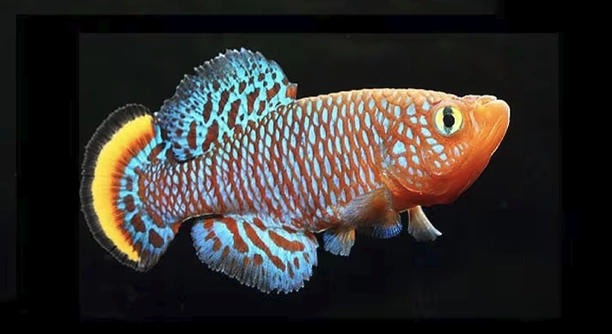
Hatching annual killifish eggs requires careful attention to their unique needs. These fascinating fish lay eggs that need special conditions to develop properly. Following a clear process can help ensure successful hatching.
The key to hatching annual killifish eggs lies in mimicking their natural dry and wet seasonal cycles. This involves preparing the eggs in a moist but not submerged substrate, storing them correctly, and then flooding them with clean water under controlled conditions to trigger hatching.
Understanding these steps can help you care for your killifish eggs with confidence and improve your chances of success. This guide will walk you through each important phase clearly.
Collecting and Preparing the Eggs
Once your annual killifish have spawned, it’s important to collect the eggs carefully. The eggs are often laid in peat moss or similar substrate. Gently remove the substrate and inspect it closely. You want to separate the parts with eggs from the rest. Be sure to handle the eggs delicately, as they can be fragile. Wash your hands before touching the substrate to avoid contamination. After collection, place the eggs in fresh, moist peat moss to keep them from drying out completely. Maintaining the right moisture level is critical to prevent mold or damage. Store the eggs in a cool, dark place, ideally around 22°C (72°F), to allow the embryos to develop properly. Regularly check the substrate to ensure it stays moist but not soaking wet. This balance supports healthy development until it’s time to hatch.
Storing the eggs in moist peat moss simulates their natural environment, which is crucial for their development and survival.
Before moving to hatching, it’s helpful to monitor the eggs for any signs of fungus or decay. Removing affected parts quickly helps maintain healthy eggs overall. Patience is key, as incubation can last several weeks depending on the species and temperature.
Triggering the Hatch
When the eggs have matured enough, the next step is to encourage them to hatch. This involves flooding the eggs with clean, dechlorinated water at the right temperature, typically around 24-26°C (75-79°F). The sudden change from dry to wet conditions signals the embryos to hatch, just like in their natural rainy season. It’s best to use a shallow container to avoid overcrowding the fry. Oxygenate the water gently to keep the environment healthy but avoid strong currents that could harm the tiny fish. Keep the water clean by performing regular partial changes. Feeding the fry small amounts of infusoria or commercially prepared fry food will support their growth during these early days. Maintaining stable water conditions is essential for their survival and development after hatching.
Monitoring the Eggs During Incubation
Keep a close eye on the eggs while they incubate to catch any problems early. Regularly check for mold or fungal growth and remove affected areas quickly. Keep the peat moss moist but not soaked, as too much water can harm the eggs.
Maintaining the right humidity and temperature is crucial during incubation. If the environment becomes too dry, the eggs may dry out and fail to develop. On the other hand, excessive moisture can cause mold growth. Using a transparent container can help you monitor the eggs without disturbing them. Make sure the storage area is stable in temperature, ideally between 20-24°C (68-75°F). Avoid sudden temperature changes, which could stress the developing embryos.
It’s also important to keep the incubation container in a low-light area. Too much light can affect egg development negatively. Keeping the environment quiet and stable will give your eggs the best chance to grow strong until hatching time.
Caring for Newly Hatched Fry
Newly hatched killifish fry need gentle care and attention. The first few days are critical for their survival. Feeding them very small live foods or specialized fry food helps support early growth. Keep water quality high to avoid stress and disease.
Water conditions must be stable for the fry’s development. Frequent small water changes prevent waste buildup but avoid strong currents that can harm the fragile fry. Use a sponge filter or gentle aeration to provide oxygen without disturbing them. Feeding tiny amounts multiple times a day will keep them healthy without fouling the water. Monitor their growth closely and separate any weak fry to improve survival rates. Proper care during these early stages sets the foundation for healthy adult fish.
Identifying Fertile Eggs
Fertile killifish eggs are usually round and clear or slightly amber in color. Unfertile eggs tend to be cloudy or shriveled and may develop fungus quickly. Removing unhealthy eggs helps protect the healthy ones.
Regularly inspecting eggs during incubation prevents the spread of mold. Healthy eggs darken slightly as embryos develop, which is a good sign.
Maintaining Proper Water Conditions
Stable water parameters are essential once the eggs hatch. Keep temperature, pH, and hardness within species-specific ranges. Sudden changes can stress or kill the fry. Use clean, dechlorinated water and avoid overcrowding to promote healthy growth.
Handling Common Problems
Mold growth is a frequent issue with killifish eggs. To prevent it, keep the substrate moist but not wet, and remove infected eggs immediately. If mold spreads, lightly mist the eggs with a mild antifungal solution designed for fish eggs.
Preparing for Transfer
When fry grow larger, prepare a separate tank for them. This reduces competition and stress. Make sure the new tank is stable and well-filtered before moving the young fish.
FAQ
How long does it take for annual killifish eggs to hatch?
The hatching time varies depending on the species and environmental conditions. Typically, eggs take between 2 to 4 weeks to hatch after flooding with water. Cooler temperatures can slow development, while warmer temperatures speed it up. Patience is important during this stage.
Can I hatch killifish eggs directly in the breeding tank?
It’s usually better to remove the eggs from the breeding tank and incubate them separately. This reduces the risk of eggs being eaten by adults or affected by water quality issues. Using moist peat moss for incubation mimics natural conditions more closely.
What temperature is best for incubating killifish eggs?
A stable temperature between 20-24°C (68-75°F) is ideal during incubation. Temperatures that are too high or too low can harm the embryos or delay hatching. Avoid sudden temperature changes to prevent stress on developing eggs.
How do I prevent mold from growing on the eggs?
Mold thrives in overly wet or stagnant environments. Keep the substrate moist but not soaked. Regularly check and remove any eggs that show signs of fungus. Using clean tools and maintaining proper humidity helps minimize mold growth.
What do killifish fry eat after hatching?
Newly hatched fry need very small live foods like infusoria or specialized liquid fry food. After a few days, you can introduce newly hatched brine shrimp or finely crushed flakes. Feeding small amounts frequently promotes healthy growth.
Can I use regular aquarium water for hatching eggs?
No, it’s important to use clean, dechlorinated water for flooding the eggs. Tap water often contains chlorine or chloramine, which are harmful to eggs and fry. Using aged water or a water conditioner ensures safety.
Is it necessary to keep the eggs in darkness during incubation?
Yes, keeping eggs in a dim or dark environment helps prevent stress and supports proper development. Direct light exposure can negatively affect the embryos. Storing eggs in a covered container or a shaded area works well.
What should I do if some eggs do not hatch?
Not all eggs will hatch; some may be infertile or fail during development. Remove unhatched eggs after a reasonable incubation period to avoid mold spreading. Keep monitoring the rest carefully to protect healthy eggs.
How often should I check on the eggs during incubation?
Checking every few days is sufficient. Frequent handling or disturbance can damage eggs. Use gentle observation to monitor moisture, temperature, and signs of fungus without disrupting the incubation environment.
When can I move fry to a larger tank?
Once the fry grow large enough to swim freely and handle crushed food easily, usually after a few weeks, transfer them to a larger, well-filtered tank. This helps reduce stress and improves survival rates by providing more space.
Hatching annual killifish eggs takes patience and careful attention. Each step, from collecting the eggs to caring for the fry, is important to ensure success. Following the right conditions during incubation and hatching helps the eggs develop properly. It is important to keep the environment clean, moist, and stable. Handling the eggs gently and keeping them free from mold or fungus improves their chances of survival. With consistent care, the eggs will hatch into healthy fry ready for the next stage of life.
Once the eggs hatch, the work continues with caring for the fry. They need clean water and the right food to grow strong. Feeding small amounts frequently is important, and water quality must be maintained to avoid stress and disease. Keeping the fry in a calm environment with gentle filtration helps them adjust to their new surroundings. Over time, the fry will grow and become more independent. Paying close attention to their needs during this stage will improve their chances of reaching adulthood.
Hatching annual killifish eggs may seem challenging at first, but with practice, it becomes easier to understand and manage. Being patient and careful will lead to better results. Remember that each species may have small differences in care, so it’s helpful to learn about the specific killifish you are working with. By providing the right conditions and following the key steps, you can successfully hatch and raise these unique fish. This process can be rewarding and offers a great way to enjoy keeping annual killifish.

Hello,
If you enjoy the content that we create, please consider saying a "Thank You!" by leaving a tip.
Every little bit helps us continue crafting quality advice that supports the health, happiness, and well-being of pets around the world, for pets of all shapes, sizes, and species.
We really appreciate the kindness and support that you show us!