
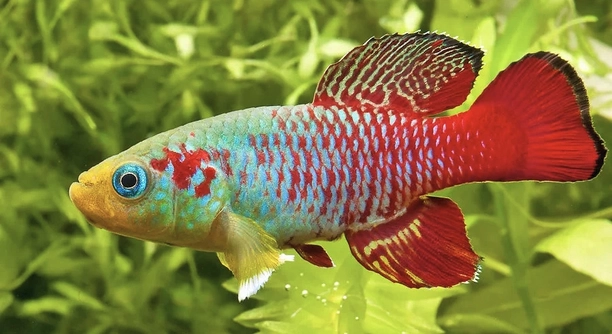
Killi fish are small, colorful freshwater fish known for their unique behaviors. One interesting action they often display is flaring their gills. This natural behavior can catch the attention of many aquarium enthusiasts.
Killi fish flare their gills primarily as a response to stress, territorial displays, or to communicate with other fish. This behavior helps them appear larger and more intimidating, which can protect their space or signal dominance in their environment.
Understanding why killi fish flare their gills can help you better care for them and recognize their needs in a home aquarium setting. Observing these behaviors offers insight into their natural instincts and well-being.
Why Killi Fish Show Their Gills
Killi fish flare their gills mostly when they feel threatened or need to protect their space. This behavior is a way to make themselves look bigger and stronger to other fish. It helps them avoid fights by warning others to stay away. Sometimes, they flare their gills when they are curious or excited, but it usually happens during moments of stress or competition. In their natural environment, showing off their gills can be a way to signal dominance or to attract mates. Watching this behavior closely gives a good idea of how your killi fish is feeling. If they flare their gills often, it might mean they are uncomfortable or stressed by something in their tank. Adjusting their environment or tank mates can reduce this behavior and help the fish feel safer.
This gill flaring is normal but should not happen constantly, as it may indicate stress. Monitoring this can improve fish health.
Noticing when your killi fish flare their gills can be useful. It tells you when they are trying to protect themselves or communicate. Keeping an eye on their behavior can help you create a better tank environment and avoid conflicts.
How to Respond to Gill Flaring in Your Killi Fish
When killi fish flare their gills, it is important to observe what might be causing it. Often, crowded tanks, aggressive neighbors, or poor water conditions lead to this behavior. Make sure the tank is large enough and that water quality is well maintained. Removing or separating aggressive fish can help reduce stress. Providing plenty of hiding spots allows your killi fish to feel secure and lowers the need to display defensive behavior. Sometimes, flaring happens during feeding or mating, which is normal. However, if the gill flaring seems frequent and intense, it is worth checking the overall health of your fish. Regular water tests and tank cleanings prevent many problems and keep your fish happy.
Adjusting tank conditions can often reduce gill flaring and improve your fish’s comfort.
Addressing the reasons behind gill flaring means creating a calm and healthy environment. Make sure your tank meets all the needs of your killi fish. Keep the water clean, temperature stable, and avoid overcrowding. Adding plants and decorations can give your fish safe spaces to retreat. If aggression persists, try rearranging the tank or separating fish that don’t get along. Watching your fish closely will help you spot changes early and act fast. This care helps your killi fish stay peaceful and reduces stressful gill flaring displays.
Signs That Gill Flaring Means Stress
Gill flaring can be a clear sign that your killi fish is stressed. If it happens often or lasts a long time, it may indicate discomfort or danger. Stress should be addressed quickly to keep your fish healthy.
Stress in killi fish shows in several ways besides gill flaring. They may become less active or hide more often. Loss of appetite or changes in color can also occur. Poor water quality or aggressive tank mates are common stress factors. If you notice these signs together, it is time to check your tank setup and make changes to improve conditions.
Keeping the tank clean, stable, and well-planted helps reduce stress. Avoid sudden changes in water temperature or chemistry. Providing hiding spots allows your killi fish to feel safe. Sometimes, adjusting the number of fish or rearranging decorations can stop aggressive encounters that cause stress. Watching your fish closely helps catch problems early and improves their well-being.
How to Improve Your Killi Fish’s Environment
A well-maintained environment is key to preventing unnecessary gill flaring. Start with clean, filtered water and regular water changes. Stable temperature and pH levels make a big difference in your fish’s comfort.
Adding plants and hiding places gives killi fish a sense of security. They feel safer when they have spots to retreat to. Choose peaceful tank mates and avoid overcrowding. Each fish needs enough space to swim and claim its own territory. Observing your tank’s social dynamics helps prevent fights and stress. A calm environment encourages natural behaviors and reduces the need for defensive gill flaring. With these steps, your killi fish can live a healthy, peaceful life.
When Gill Flaring Is Normal
Gill flaring is sometimes part of normal killi fish behavior. It can happen during mating displays or when establishing territory without real aggression. This behavior is usually brief and not harmful.
In calm tanks with proper care, gill flaring is a natural way for killi fish to communicate. Recognizing normal flaring helps avoid unnecessary worry and lets you focus on true stress signs.
Feeding and Gill Flaring
Killi fish may flare their gills during feeding as a way to compete or show excitement. This behavior often happens when food is limited or when they want to claim their share.
Monitoring Your Fish’s Health
Regular observation helps catch early signs of illness linked to frequent gill flaring. Changes in breathing, color, or activity levels often accompany health issues.
FAQ
Why do killi fish flare their gills so often?
Frequent gill flaring usually means your killi fish feels stressed or threatened. It can happen when the tank is overcrowded, water quality is poor, or when aggressive fish are nearby. Sometimes, it’s a response to sudden changes in the environment. If flaring happens too much, it’s a sign to check the tank conditions and reduce stress factors.
Is gill flaring dangerous for killi fish?
Gill flaring itself is not harmful if it happens occasionally. It is a natural behavior used to communicate or defend territory. However, if the fish flare their gills constantly, it can cause stress and weaken their immune system. Long-term stress can lead to illness, so it’s important to address the causes quickly.
How can I tell if my killi fish is stressed or just communicating?
Look for other signs alongside gill flaring. Stressed fish may hide a lot, stop eating, or have faded colors. If the gill flaring happens only during interactions with other fish or short periods, it’s likely communication. Persistent flaring with other stress signs means your fish needs a better environment.
Can tank size affect gill flaring?
Yes, small or crowded tanks increase stress and aggressive behavior, causing more gill flaring. Killi fish need enough space to swim and establish territories. Providing a tank size appropriate for the number of fish helps reduce this behavior and improves overall health.
Does water quality influence gill flaring?
Poor water quality is a common cause of stress that leads to gill flaring. High levels of ammonia, nitrites, or sudden changes in pH can irritate the fish’s gills. Regular water testing and changes are essential to keep the environment healthy and minimize gill flaring caused by discomfort.
Should I separate fish that cause gill flaring?
If one or more fish are aggressive and cause frequent gill flaring in your killi fish, separating them may be necessary. Aggression leads to stress, which harms your fish’s health. Try rearranging decorations or using tank dividers if separation is needed without removing fish completely.
Do killi fish flare their gills during mating?
Yes, gill flaring can be part of mating behavior. Males often display this to attract females or compete with other males. This kind of flaring is usually short-lived and not harmful. It’s part of their natural reproductive cycle.
Can diet affect gill flaring behavior?
A poor diet can weaken your killi fish and increase stress, making gill flaring more frequent. Feeding a balanced diet rich in nutrients supports their immune system and reduces stress. Overfeeding or sudden diet changes can also cause discomfort and lead to more gill flaring.
What should I do if my killi fish flares its gills constantly?
Start by testing the water quality and checking tank conditions. Remove any aggressive fish or overcrowding issues. Provide hiding spots and maintain stable temperature and pH. If the behavior continues, watch for illness signs and consider consulting a vet or fish expert.
Can environmental changes trigger gill flaring?
Yes, sudden changes like new tank mates, decorations, or water chemistry can cause gill flaring. Killi fish need time to adjust to new surroundings. Making changes slowly and carefully helps prevent stress and reduces gill flaring caused by uncertainty.
Is gill flaring common in other fish species?
Many fish species use gill flaring as a way to communicate or defend territory. It’s not unique to killi fish but may look different depending on the species. Understanding the reasons behind this behavior in your fish helps you provide the best care possible.
How long does gill flaring usually last?
Normal gill flaring lasts a few seconds to a couple of minutes. Prolonged flaring is a warning sign of stress or poor conditions. If you notice your killi fish flaring its gills for extended periods, it’s time to investigate what might be causing discomfort.
Can adding plants reduce gill flaring?
Plants create hiding spots and reduce aggression by breaking up sight lines between fish. This makes killi fish feel safer and lowers stress levels. Adding live or artificial plants to the tank is a simple way to reduce gill flaring caused by territorial disputes or fear.
Is it okay if my killi fish flares its gills when I approach the tank?
Some killi fish flare their gills when they see movement near the tank. This is often a defensive response, not necessarily stress. However, if this behavior is frequent or combined with other stress signs, it might be worth reviewing their environment for improvements.
Does temperature affect gill flaring in killi fish?
Extreme or unstable temperatures can stress killi fish and cause gill flaring. Keeping water temperature steady within their preferred range helps avoid unnecessary stress. Sudden drops or rises in temperature often lead to increased defensive behaviors, including gill flaring.
Are there medical conditions linked to gill flaring?
Gill flaring can indicate health issues like gill parasites, infections, or poor oxygen levels in water. If your fish flares its gills and shows labored breathing or lethargy, a health problem might be present. In such cases, water quality checks and veterinary advice are important.
Gill flaring in killi fish is a natural behavior that helps them communicate and protect themselves. It can happen for many reasons, such as stress, showing dominance, or during mating. Understanding why your killi fish flare their gills can help you better care for them and create a comfortable environment. It is important to remember that occasional gill flaring is normal and not something to worry about. However, if it happens often or seems intense, it may signal that something needs to be changed in their tank.
A healthy tank environment is key to reducing unnecessary gill flaring. Keeping the water clean and maintaining stable temperature and pH levels helps keep your killi fish calm. Providing enough space and adding plants or hiding spots can make your fish feel safe and less likely to display stress behaviors. Avoiding overcrowding and aggressive tank mates also lowers the chances of frequent gill flaring. By paying attention to these details, you support your fish’s health and well-being.
Regular observation of your killi fish’s behavior is important. Watching for changes in activity, appetite, or color can help you spot problems early. If you notice persistent gill flaring along with other signs like labored breathing or lethargy, it might be a sign of illness or poor water quality. Acting quickly by testing the water and adjusting tank conditions can prevent serious health issues. Taking good care of your killi fish means understanding their behaviors, including gill flaring, and responding with care and attention.

Hello,
If you enjoy the content that we create, please consider saying a "Thank You!" by leaving a tip.
Every little bit helps us continue crafting quality advice that supports the health, happiness, and well-being of pets around the world, for pets of all shapes, sizes, and species.
We really appreciate the kindness and support that you show us!