
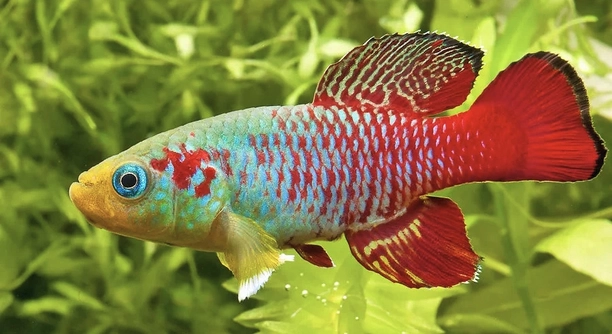
Is your killi fish tank showing signs of trouble that might be linked to water hardness? Many hobbyists find it challenging to maintain the right water conditions for their killis. Water hardness plays a crucial role in the health and well-being of these delicate fish.
Water hardness refers to the concentration of minerals like calcium and magnesium in the water, which directly impacts killi fish. Excessively hard water can cause stress, reduce breeding success, and affect their overall health, leading to visible signs such as faded colors or lethargy.
Recognizing these signs early helps maintain a suitable environment, ensuring your killis thrive and stay vibrant in their aquatic home.
Understanding Water Hardness and Its Impact on Killis
Water hardness measures the amount of dissolved minerals, mainly calcium and magnesium, in your aquarium water. These minerals affect the water’s chemistry and, in turn, influence your killi fish’s health. Killis naturally come from soft to moderately hard water environments, so too much hardness can create a stressful habitat. When water is too hard, minerals can build up on the fish’s skin and gills, making it harder for them to breathe and maintain balance. Over time, this stress can weaken their immune system and reduce their lifespan. Adjusting water hardness to match the natural conditions of killis is important for their comfort and vitality.
Testing your water regularly is the best way to keep hardness in check. Water test kits are affordable and easy to use, giving you clear readings to guide your adjustments.
Monitoring water hardness consistently helps prevent issues before they escalate. Small, gradual changes to your water can keep your killis healthy without shocking their system.
Common Signs of Too Hard Killi Water
Hard water can cause several noticeable symptoms in killis. Their colors may fade or appear dull. They may become less active, hiding more than usual. Breathing might look labored, and they could show physical signs such as clamped fins or damaged scales.
One key sign is a drop in breeding activity, as hard water disrupts their reproductive cycle.
Stress from hard water makes killis more vulnerable to infections. The mineral buildup can irritate their skin and gills, leaving them prone to bacterial and fungal diseases. If you notice your killis behaving unusually or showing any of these signs, testing and adjusting water hardness should be a priority. Softening the water gradually, through partial water changes with softer water or using reverse osmosis water, can improve their condition. Avoid sudden shifts in water hardness to prevent additional stress. Keeping the water parameters stable will support their health and encourage natural behaviors like breeding and active swimming. Regular maintenance and monitoring are essential to prevent water hardness from becoming a persistent problem.
Effects of Hard Water on Killi Behavior
Killis in hard water often show signs of stress through their behavior. They may swim less actively or hide frequently. This change can indicate discomfort caused by unsuitable water conditions.
When water hardness is too high, killis may become lethargic and lose interest in food. Their usual playful or curious nature diminishes as they conserve energy. Stress can also lead to erratic swimming patterns or isolation from other fish. These behavioral changes signal that the environment is not ideal, and adjustments are needed to improve their well-being. Correcting water hardness helps restore normal activity levels, encouraging healthier and more natural behavior in your killis.
Increased stress due to hard water reduces killis’ ability to interact and thrive. Over time, this can affect their growth and reproduction, making it crucial to maintain balanced water conditions that reflect their natural habitat.
How to Adjust Water Hardness Safely
Softening hard water requires careful steps to avoid shocking your killis. The best approach is gradual water changes with softer water or using a water conditioner designed to reduce hardness.
Introduce changes slowly over days or weeks. Sudden shifts in water chemistry can harm your fish more than hard water itself. Using reverse osmosis (RO) water mixed with tap water is an effective way to lower hardness levels precisely. Regular testing before and after changes ensures water remains stable and safe. Patience is key—small adjustments allow your killis to adapt comfortably without added stress.
Avoid using harsh chemicals or treatments that claim to fix hardness quickly. These can disrupt the entire tank ecosystem. Instead, focus on steady, controlled changes that mimic natural water softness and maintain a healthy environment for your killis.
Monitoring Water Hardness Regularly
Regularly checking water hardness helps keep your killi tank healthy. Consistent testing detects changes early, allowing timely adjustments before problems arise.
Using simple test kits provides accurate readings at home. Keeping a log of results helps track trends and identify issues.
Signs of Mineral Build-Up in the Aquarium
Mineral deposits can form on tank surfaces and equipment when water is too hard. These white or chalky residues affect the aquarium’s appearance and may harm filtration systems if left untreated.
Choosing the Right Test Kit
Select a test kit that measures both general hardness (GH) and carbonate hardness (KH). Accurate kits provide reliable information to maintain balanced water conditions for killis.
Importance of Patience During Adjustments
Allow time for killis to adjust when changing water hardness. Gradual changes prevent stress and support long-term health.
How do I know if my killi water is too hard?
Signs include faded colors, lethargy, clamped fins, and reduced breeding activity. Mineral buildup on the fish or inside the tank is also a clue. Regular water testing helps confirm if hardness levels are higher than recommended for killis.
What is the ideal water hardness for killis?
Killis prefer soft to moderately hard water, typically between 2 to 10 dGH (degrees of General Hardness). Maintaining this range supports their health, natural behavior, and breeding success. Hardness above this range can cause stress and health problems.
Can I soften hard water without replacing all the water?
Yes. Partial water changes with softer or reverse osmosis water help reduce hardness gradually. Avoid replacing all the water at once to prevent shocking your killis. Gradual changes give fish time to adapt safely.
Are there products to soften water quickly?
Some conditioners claim to soften water fast, but these can upset the tank’s balance or harm fish. It’s best to rely on natural methods like mixing RO water or partial water changes for a stable environment.
How often should I test water hardness?
Test water hardness at least once a week, especially when keeping killis. Frequent monitoring helps catch changes early and prevents stress caused by unsuitable conditions.
Can hard water cause diseases in killis?
Hard water itself doesn’t cause diseases but can stress fish, weakening their immune system. This makes them more vulnerable to infections, including bacterial and fungal illnesses. Maintaining proper hardness supports their natural defenses.
What equipment do I need to test water hardness?
A simple GH and KH test kit is enough. These kits are affordable, easy to use, and provide accurate readings. They help track both general hardness and carbonate hardness, essential for maintaining water quality.
Is hard water harmful to all fish or just killis?
While many fish tolerate hard water, killis prefer softer conditions. Each species has different requirements, so it’s important to research the needs of your specific fish before adjusting water hardness.
How long does it take for killis to adjust to new water hardness?
Adjustment varies but usually takes several days to a few weeks. Gradual changes minimize stress and allow killis to adapt. Sudden shifts in hardness can be harmful and should be avoided.
Can I use tap water for killis?
Tap water can be used if its hardness matches the needs of your killis or if properly treated. Many tap waters are too hard, so testing and adjusting are necessary before use. Using RO or distilled water mixed with tap water is often recommended.
Does water hardness affect breeding in killis?
Yes, hardness levels influence breeding success. Killis typically breed better in softer water with stable parameters. Hard water can reduce egg production and lower fry survival rates.
What happens if I ignore hard water signs in my killi tank?
Ignoring signs can lead to chronic stress, poor health, reduced lifespan, and failure to breed. Mineral buildup may damage tank equipment and reduce water quality, creating a harmful environment for your fish.
Can plants help with water hardness?
Some aquatic plants can slightly soften water by absorbing minerals, but their effect is limited. Plants mainly improve oxygen levels and tank aesthetics rather than significantly altering hardness.
Is distilled water safe for killis?
Distilled water is very soft and can be used to dilute hard water. However, it lacks essential minerals, so it should be mixed with mineral-rich water or supplemented to maintain balanced water chemistry.
What are the easiest ways to maintain proper hardness?
Regular testing, partial water changes with RO or softened water, and avoiding overuse of mineral supplements help keep hardness balanced. Stability is more important than aiming for perfect numbers.
Can water hardness fluctuate on its own?
Yes. Factors like evaporation, adding new water, or substrate materials can change hardness. Keeping consistent maintenance routines prevents sudden fluctuations that stress fish.
Are there any natural materials to soften aquarium water?
Peat moss and driftwood release tannins that soften water and lower pH slightly. They also add beneficial compounds that mimic natural killifish habitats, but effects are gradual and mild.
How does water hardness affect fish behavior?
Hard water stress can make killis less active, reduce feeding, and increase hiding. It disrupts their natural behavior patterns, making it important to maintain proper hardness for normal activity levels.
What should I do if my killis seem sick and water hardness is high?
Test water immediately. Begin gradual softening through partial changes with softer water. Monitor fish closely and consider consulting a vet if symptoms worsen. Improving water quality often helps recovery.
Is it necessary to adjust hardness for every killi species?
Most killis thrive in soft to moderately hard water, but specific needs can vary. Research the particular species you keep and adjust water parameters accordingly for the best results.
Maintaining the right water hardness is important for the health and happiness of your killi fish. Hard water can cause stress and several physical and behavioral problems. When the minerals in the water are too concentrated, it affects how your killis breathe, move, and even reproduce. Recognizing the signs early—such as faded colors, lethargy, or mineral buildup—can help you take action before serious damage happens. Regular testing of your water hardness is a simple and effective way to keep track and ensure the water stays within the right range for your killis.
Adjusting water hardness is best done gradually to avoid shocking your fish. Sudden changes can cause more harm than hard water itself. Using partial water changes with softer water or reverse osmosis water is a reliable method to reduce hardness slowly. Avoid quick fixes or harsh chemicals that claim to soften water instantly, as these can disrupt the balance of your aquarium and harm your fish. Patience is key when making any changes, as killis need time to adapt to new conditions. Consistent monitoring and slow adjustments provide a stable environment where your fish can thrive and exhibit their natural behavior.
Ultimately, keeping your killi tank’s water hardness in check helps support your fish’s overall well-being. A balanced environment encourages healthy activity, vibrant colors, and successful breeding. Understanding and managing water hardness is part of responsible fishkeeping that improves the life quality of your killis. By paying attention to these details and making careful adjustments when necessary, you create a space where your fish can live comfortably and stay healthy over the long term.

Hello,
If you enjoy the content that we create, please consider saying a "Thank You!" by leaving a tip.
Every little bit helps us continue crafting quality advice that supports the health, happiness, and well-being of pets around the world, for pets of all shapes, sizes, and species.
We really appreciate the kindness and support that you show us!