
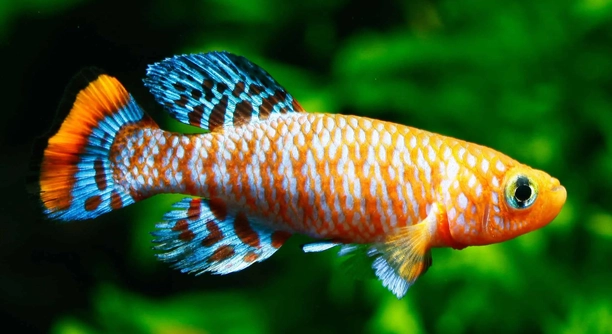
Are your killifish breeding efforts not going as smoothly as you’d hoped? Many hobbyists look for affordable and practical ways to encourage spawning at home. DIY spawning mops have become a popular solution in the fish-keeping community.
DIY killi spawning mops can be effective if made properly, providing a suitable surface for egg laying and easy maintenance. However, their success depends on the materials used, mop density, and regular cleaning to prevent fungal growth and ensure healthy fry development.
Understanding the right construction and care of spawning mops can improve your breeding results and make the process less stressful for your fish. Let’s explore the key points to help you decide if these mops are worth the effort.
What Are DIY Killi Spawning Mops?
DIY killi spawning mops are simple tools made to help killifish lay their eggs easily. They usually consist of strips of yarn or fabric tied to a base, creating a soft surface where the female can deposit her eggs. These mops imitate the natural environment where killifish prefer to spawn, such as plants or roots. Many keepers make their own mops because store-bought options can be expensive or not exactly suited for their tank size. By choosing the right materials—soft yarn that won’t harm the eggs—and creating the proper density, these mops become effective spawning spots. They also allow for easy removal of eggs when the time comes, reducing stress on both the fish and the breeder. Proper maintenance, like rinsing and drying the mops, prevents mold and fungal issues that could harm the eggs.
Most DIY mops use acrylic or cotton yarn tied securely to a frame or floating base.
Creating your own spawning mop gives you control over size and material, which can improve egg survival rates. It also allows you to replace or clean the mop without disturbing the fish too much. Choosing softer yarn prevents damage to the delicate eggs, and denser mops offer more places for eggs to attach. The mop’s design also makes it easier to transfer eggs to a separate hatching container if needed. Regular cleaning keeps the environment healthy and reduces the chance of fungus, which is common in killifish eggs. Overall, a well-made DIY spawning mop can be a practical and budget-friendly addition to killifish breeding setups.
Benefits of Using DIY Spawning Mops
DIY spawning mops offer a cost-effective way to create a suitable environment for killifish spawning.
One big advantage is the ability to customize the mop’s size and material to fit your tank’s needs. Store-bought mops might be too large, too small, or use yarn that holds too much debris. Making your own lets you choose soft, natural-feeling yarn that’s safe for eggs. It also gives you the chance to replace or clean mops regularly without disrupting the fish too much. Another benefit is easier egg collection—removing a mop with eggs is simpler than picking eggs off plants. This reduces stress on the fish and improves egg survival chances. While it takes some time to make and maintain, many breeders find the control and flexibility worth the effort. The mop also simulates natural spawning surfaces better than bare tanks or artificial plants, encouraging healthier spawning behavior.
Common Challenges with DIY Spawning Mops
DIY spawning mops can sometimes develop mold or fungus if not cleaned regularly. This can harm the eggs and reduce hatch rates.
If the mop is too dense or made from the wrong material, water flow can be restricted, causing poor oxygen circulation around the eggs. This increases the risk of fungal infections. Additionally, some yarn types may shed fibers that irritate fish or damage eggs. Cleaning the mop too roughly or too infrequently can also stress the fish or damage developing eggs. Finding a balance between cleanliness and gentle care is important to maintain a healthy breeding environment.
Proper maintenance involves rinsing the mop regularly and drying it between uses. Avoid using harsh chemicals that could harm the fish or eggs. Swapping the mop frequently and using softer, non-shedding yarn helps reduce common problems and keeps eggs safe until they hatch.
Tips for Making Effective DIY Spawning Mops
Use acrylic or cotton yarn to make spawning mops, as these materials are soft and less likely to shed fibers.
Cut yarn strips about 4-6 inches long and tie them tightly to a plastic ring or another sturdy base. Avoid using yarn that is too thick or rough, as it may harm the eggs or discourage fish from spawning. Keep the mop density moderate—not too dense to block water flow, but dense enough to offer plenty of egg-laying spots. Position the mop in an area with gentle water movement to provide oxygen without stressing the fish.
Regularly rinse the mop in tank water to remove debris and avoid fungus buildup. Dry the mop between uses to prevent mold growth. Changing the mop every few weeks or after a successful spawn helps maintain a clean environment and encourages ongoing spawning activity. These simple steps improve the chance of healthy egg development and reduce risks for the fish.
When to Replace Your DIY Spawning Mop
Replacing your DIY spawning mop regularly helps prevent mold and fungal growth that can harm eggs. It also keeps the spawning surface fresh and attractive to the fish.
A worn-out mop may trap debris and reduce water flow, lowering egg survival rates. Changing it every few weeks or after a spawning event is ideal.
Signs Your Spawning Mop Is Working
Healthy eggs attached to the mop indicate it is effective. Fish behavior such as frequent visits and egg-laying on the mop also show success.
If you see no eggs or the fish avoid the mop, it might be time to adjust the mop’s placement or materials.
Cleaning Your DIY Spawning Mop
Rinse the mop gently with tank water to remove debris and prevent fungus. Avoid using soap or chemicals that can harm eggs or fish.
Allow the mop to air dry completely between uses to prevent mold buildup and keep the environment safe.
Materials to Avoid
Avoid wool or fuzzy yarn, which can trap debris and cause fungus. Synthetic fibers that shed too much can irritate eggs or fish.
FAQ
What materials work best for DIY killi spawning mops?
Acrylic and cotton yarn are the best choices. They are soft, don’t shed too much, and hold up well in water. Avoid wool or fuzzy yarn because they trap debris and encourage mold growth. Choose yarn that feels gentle to protect the delicate eggs.
How often should I clean my spawning mop?
Cleaning your mop once a week is usually enough. Rinse it gently with tank water to remove dirt and prevent fungus. Avoid using soap or chemicals since these can harm the eggs or fish. After rinsing, let the mop dry completely before putting it back in the tank.
Can I reuse spawning mops?
Yes, but only if you clean and dry them well between uses. Mold and fungus can develop if the mop stays wet too long or isn’t cleaned properly. If the mop starts to smell or looks dirty despite cleaning, it’s time to replace it.
What if my fish don’t use the spawning mop?
Try moving the mop to a different spot in the tank where water flow is gentle but steady. Killifish prefer calm areas with good oxygen circulation. Also, check if the yarn feels too rough or the mop is too dense—adjusting the materials or size might help.
How dense should the spawning mop be?
The mop should have enough yarn strips to provide good places for eggs, but not so dense that water flow is blocked. Too much density can lead to poor oxygen circulation and encourage fungus. Aim for moderate density that lets water move freely.
Is it necessary to remove eggs from the mop?
It depends on your breeding setup. Some keepers leave eggs on the mop in the tank, but this risks fungus spreading. Many prefer to carefully remove the mop with eggs and place it in a separate hatching container to improve survival.
Can I make spawning mops without a ring?
You can, but having a sturdy base like a plastic ring or mesh frame helps keep the mop together and makes it easier to remove from the tank. Without a base, the yarn may float loosely and be less effective for egg attachment.
How long do killifish eggs take to hatch on spawning mops?
Eggs usually hatch in 10 to 14 days, depending on the species and water conditions. Keep the mop clean and maintain proper temperature and oxygen levels to support healthy development.
Will spawning mops work for all killifish species?
Most killifish species accept spawning mops because they mimic natural surfaces like plants or roots. However, some species have specific preferences, so it’s good to research your fish’s natural breeding habits and adjust mop design accordingly.
Can I use spawning mops in community tanks?
Yes, but be aware that other fish might eat the eggs. If you want to protect the eggs, consider using a separate breeding tank or a spawning mop in a tank with only the breeding pair. This increases the chances of successful hatching.
DIY killi spawning mops offer a practical and affordable way to encourage killifish to lay eggs in your tank. They provide a soft, natural-like surface that many killifish find comfortable for spawning. When made with the right materials and cared for properly, these mops can improve your breeding success by giving the eggs a safe place to attach. This method allows you to manage egg collection more easily, which can reduce stress for both the fish and the eggs.
However, DIY spawning mops do require some attention and maintenance. Keeping the mop clean and dry between uses is important to prevent mold and fungus, which can be harmful to eggs. Choosing the right yarn, usually acrylic or cotton, makes a difference in how well the mop works. The mop should be dense enough to hold eggs but not so thick that it blocks water flow. Regularly replacing the mop after spawning events or a few weeks of use helps maintain a healthy environment. While it takes some effort, many breeders find that these steps improve hatch rates and support the overall health of the fry.
In the end, whether a DIY spawning mop is worth it depends on your goals and how much time you want to spend on care and upkeep. For those who want a low-cost, customizable option, making your own mop can be very rewarding. It gives you control over the materials, size, and placement, which can be adjusted based on your killifish’s behavior. Although it is not a perfect solution for every breeder or species, many find that with patience and care, DIY spawning mops can be a helpful tool in successful killifish breeding.

Hello,
If you enjoy the content that we create, please consider saying a "Thank You!" by leaving a tip.
Every little bit helps us continue crafting quality advice that supports the health, happiness, and well-being of pets around the world, for pets of all shapes, sizes, and species.
We really appreciate the kindness and support that you show us!