
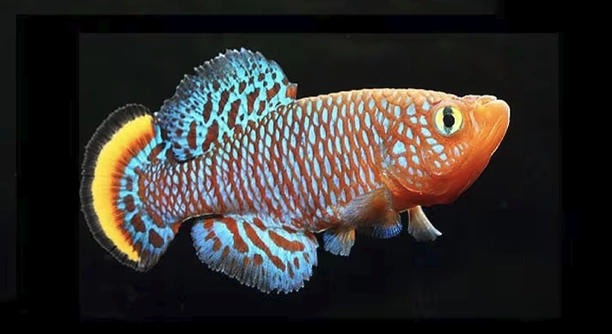
Are your killifish breeding attempts falling short, even with the right tank setup and water conditions in place?
Improving your killi breeding rate involves optimizing several key factors including diet, temperature, spawning materials, and water quality. Using the right tools helps create a stable and encouraging environment for successful spawning.
Each of these tools plays a small but vital role in supporting healthy fry development and encouraging frequent egg-laying behavior.
Use Spawning Mops for Easy Egg Collection
Spawning mops are one of the easiest tools to encourage killifish to breed. These artificial fibers mimic aquatic plants, giving fish a safe and familiar place to lay their eggs. Killifish prefer to scatter their eggs in fine-leaved plants or similar materials, making mops ideal. You can make your own using acrylic yarn or purchase pre-made ones. Either way, mops reduce egg loss by keeping them in a controlled area. Once eggs are laid, they can be gently removed and transferred to a separate container. This method helps prevent adult fish from eating the eggs. Cleaning and drying the mops between uses also supports better hygiene. You’ll also find it easier to count, inspect, and monitor the eggs closely. This tool is simple, low-cost, and practical for both beginners and experienced breeders.
Spawning mops are a gentle option that encourages natural behavior while also simplifying the collection and care of killifish eggs.
They give your fish a clear spot to spawn, making it easier for you to manage and protect their eggs during the early stages.
Maintain Water Parameters Consistently
Stable water parameters are essential when trying to improve your killifish breeding success.
Killifish can be sensitive to even minor changes in their environment, especially during breeding. Parameters like pH, temperature, and hardness should stay within the ideal range for the specific species you are breeding. Temperature typically needs to remain between 72–78°F for many types. Use a reliable heater and thermometer to avoid fluctuations. A pH range of 6.0–7.0 works well for most, but it’s best to research the needs of your particular strain. Hardness should remain soft to slightly moderate. Regular water changes using dechlorinated water help maintain quality and avoid the build-up of waste or harmful substances. Testing water weekly with accurate test kits helps you stay on track. Even subtle changes in ammonia or nitrite levels can interfere with spawning behavior. A clean, consistent environment not only supports egg production but also improves the hatching rate and health of fry.
Use Indian Almond Leaves for Better Egg Health
Indian almond leaves naturally release tannins that improve water quality and mimic the conditions killifish thrive in. They lower pH slightly, have mild antibacterial properties, and create a more comfortable, natural breeding environment. These benefits lead to healthier eggs and stronger fry.
Once added to the tank, almond leaves slowly break down and release tannins, tinting the water slightly brown. This creates a calm, dark environment that reduces stress and supports spawning behavior. The leaves also inhibit fungal growth on eggs, which can otherwise ruin entire batches. Just a single leaf in a small tank can have noticeable effects, but it’s important not to overdo it. Replace them every few weeks or once they fully break down. While they might look messy, the impact on egg survival is worth it. They’re especially useful if your water is harder or more alkaline than what killifish naturally prefer.
In addition to protecting eggs, the leaves help fry hide and feel secure during their early development. The soft, shaded water feels more like their native habitat. Fry are less likely to be stressed and more likely to feed actively. This small change leads to better breeding outcomes with minimal effort or cost.
Feed High-Quality Live Foods
Live foods like baby brine shrimp and micro worms stimulate natural feeding and trigger spawning behavior in adults. These foods are rich in nutrients and easier for killifish to digest, which improves health, color, and reproductive activity.
Feed live foods at least once a day during breeding periods. Baby brine shrimp are especially effective because they’re small, active, and packed with protein. Microworms and vinegar eels are also good choices, especially for smaller species. Make sure not to overfeed—excess food can decay quickly and harm water quality. Rotate live foods with high-quality dry options to maintain a balanced diet. Feeding this way strengthens both males and females, making egg production more frequent and reliable. Healthier parents produce healthier eggs, which leads to stronger fry. Live food is one of the most effective, natural ways to boost breeding success across nearly all killifish types.
Use a Separate Hatching Container
Moving eggs to a separate hatching container protects them from adult fish that may eat them. It also makes it easier to monitor water quality, adjust temperature, and keep the environment clean and fungus-free during incubation.
A small plastic container or breeding box works well. Use aged tank water and maintain gentle aeration to keep the eggs healthy.
Add Gentle Aeration to Improve Oxygen Flow
Killifish eggs need oxygen to develop properly. Adding gentle aeration helps improve water circulation and keeps oxygen levels steady, especially in still containers. Use a sponge filter or air stone with a low flow setting. Avoid strong currents, as they can disturb or displace delicate eggs.
Monitor Eggs for Fungus Growth
Fungal infections can spread quickly and destroy entire batches. Remove any white or fuzzy-looking eggs using tweezers to protect the healthy ones.
FAQ
How often should I change the water during breeding?
Regular water changes are important to keep water quality high. Changing 20–30% of the water once a week is usually enough. Use dechlorinated, temperature-matched water to avoid stressing the fish. Frequent small changes are better than infrequent large ones, as stability helps encourage spawning.
What is the best temperature for killifish breeding?
Most killifish breed best between 72°F and 78°F (22°C–26°C). Maintaining a stable temperature within this range encourages spawning and improves egg development. Sudden temperature changes can stress the fish and reduce breeding success, so use a reliable heater and thermometer.
Can I keep males and females together year-round?
It’s better to keep males and females separated or only together during breeding periods. Continuous cohabitation can cause stress and aggression, especially from dominant males. Controlled pairing helps reduce injuries and improves breeding outcomes by managing when and how often they spawn.
How long does it take for killifish eggs to hatch?
Hatching time varies by species but typically ranges from 10 days to 3 weeks. Temperature influences development speed—warmer water generally speeds up hatching, while cooler water slows it. Check your specific species to understand their typical incubation period.
Should I remove adults after spawning?
Yes, removing adults after spawning protects the eggs from being eaten. Many killifish will eat their own eggs if given the chance. Keeping adults separate also prevents stress and potential harm to the fry once they hatch.
What should I feed killifish fry?
Fry need very small, nutritious food like infusoria or newly hatched baby brine shrimp. These foods are easy to digest and provide essential nutrients for growth. As fry grow, you can introduce microworms and finely crushed flakes or pellets.
Is it necessary to use Indian almond leaves every breeding cycle?
While not strictly necessary, Indian almond leaves improve egg survival and water quality. Their tannins reduce fungal infections and create a natural environment that supports healthy breeding. Many breeders find them beneficial, especially for species that prefer soft, slightly acidic water.
How do I prevent fungal infections on killifish eggs?
Good water quality, proper aeration, and using Indian almond leaves help prevent fungal infections. Removing infected eggs promptly limits spread. Some breeders use antifungal treatments specifically made for aquarium use, but these should be used carefully to avoid harming fry.
Can I use synthetic spawning mops instead of plants?
Yes, synthetic spawning mops are a popular, low-maintenance alternative to live plants. They provide a safe place for egg laying and are easy to clean and reuse. They reduce the risk of parasites or algae and simplify egg collection.
What is the best way to store killifish eggs if I can’t hatch them immediately?
Some killifish eggs can be stored by drying them slightly and keeping them in a cool, dark place, mimicking seasonal drying in nature. This technique requires specific knowledge of the species and is generally for advanced breeders. Otherwise, keeping eggs in water with proper conditions is best.
How can I tell if my killifish eggs are fertile?
Fertile eggs usually appear clear or slightly opaque with a visible embryo developing inside. Unfertilized eggs often become cloudy or white and may develop fungus. Monitoring eggs daily helps identify which ones to keep and which to remove.
Does lighting affect killifish breeding?
Moderate lighting that mimics natural day and night cycles helps maintain healthy fish behavior. Avoid overly bright or constant light, as this can stress fish and reduce spawning. Using a timer to control lighting duration supports a stable environment.
How soon after spawning can I expect fry to swim freely?
Fry typically absorb their yolk sacs within a few days after hatching and begin swimming actively shortly after. This timing varies by species and temperature but usually occurs within 3 to 7 days.
Are there any special tank setups for killifish breeding?
Breeding tanks should be small, well-covered, and decorated with spawning mops or fine-leaved plants. Soft, slightly acidic water and gentle filtration or aeration create ideal conditions. Separating breeding pairs from community tanks reduces stress and competition.
The process of improving your killifish breeding rate involves paying attention to several small but important details. Using the right tools and maintaining proper conditions can make a big difference in how successful your breeding efforts are. From providing suitable spawning materials like mops and Indian almond leaves to keeping water quality stable, each step supports healthier eggs and stronger fry. Even simple changes, such as adding gentle aeration or feeding live foods, contribute to creating an environment where killifish feel safe and ready to breed. Consistency is key, as killifish respond best when their environment remains steady and free of sudden changes.
Breeding killifish can require patience and care, especially when learning what works best for your specific species. Some may take more time to spawn or need slightly different conditions, so observing and adjusting your setup helps improve outcomes. Removing adults after spawning to protect eggs, monitoring for fungus, and separating eggs into a dedicated hatching container all add layers of protection and care. These actions may seem small individually but together create a more controlled and supportive environment. Feeding the adults a nutritious diet of live foods helps keep them healthy and active, which in turn improves breeding success. Over time, using these tools and methods regularly can lead to more frequent spawning and higher survival rates of fry.
It’s important to approach killifish breeding with steady care and attention to detail. Avoid rushing the process or making drastic changes quickly. Instead, focus on maintaining clean, stable water and providing the right spawning conditions. Tools like spawning mops, almond leaves, and live foods are effective aids but work best when paired with good tank maintenance and consistent monitoring. Paying attention to the needs of your fish and adjusting your methods as you learn will improve your breeding results. With patience and care, you can create a healthy environment that supports successful killifish breeding and the growth of strong, vibrant fry.

Hello,
If you enjoy the content that we create, please consider saying a "Thank You!" by leaving a tip.
Every little bit helps us continue crafting quality advice that supports the health, happiness, and well-being of pets around the world, for pets of all shapes, sizes, and species.
We really appreciate the kindness and support that you show us!