
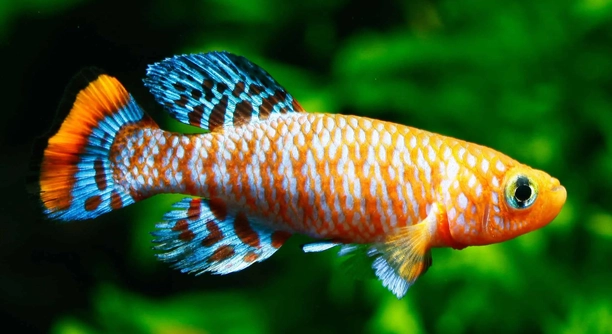
Is your colorful killi tank looking a little quiet lately, with just one fish out and about while the others seem to hide?
The most common reason only one killi appears active in the tank is stress or environmental imbalance. Factors such as water quality, tank mates, lighting, or lack of hiding spots can impact the behavior and activity of killifish.
Understanding what makes your killifish feel safe and active can help restore balance in your tank and improve their overall wellbeing.
Understanding Why Only One Killi Is Active
Killifish are sensitive to their environment, and even small changes can affect how they behave. If only one killi is active while the others stay hidden, it’s often because the tank setup isn’t quite right. They need stable water conditions, places to hide, and compatible tank mates to feel secure. Poor lighting, strong currents, or frequent disturbances can stress them out. Sometimes, one dominant fish will become more active and claim space, causing the others to stay away. It’s also important to remember that killifish have different personalities, and some may naturally be more outgoing than others.
Make sure the tank has soft lighting and calm areas where all your killifish can feel safe. Add plants or decorations to help reduce stress and create hiding spots.
Watch how they interact during feeding times or when lights go on. It helps to notice patterns and spot signs of stress or bullying early.
Steps to Help the Other Killifish
Check your water parameters first. Ammonia, nitrites, and fluctuating pH can all impact fish behavior quickly.
Once you’ve confirmed that the water is clean and stable, focus on the tank layout. Add more plants, rocks, or driftwood to give each fish its own space. Killifish don’t like bright light, so tone it down if needed. Also, observe the active killi to ensure it’s not chasing or stressing the others. If you notice aggression, try rearranging the tank or separating the dominant fish temporarily. Sometimes feeding in multiple spots or adjusting the feeding schedule can also encourage more movement. Lastly, keep an eye on temperature and avoid sudden changes. Consistency is key to keeping killifish happy and active.
Environmental Factors That Influence Activity
Poor water conditions can quickly lead to stress and inactivity in killifish. Even if one seems fine, others may react differently to the same environment, especially if they are more sensitive or already weakened.
Temperature plays a big role in how active your killifish are. If the water is too cold or too warm, some may become sluggish while others try to adapt. Aim for a steady range between 72–75°F. Lighting also matters. Bright lights without any shaded areas can make shy killifish retreat. Use floating plants or decorations to create darker zones where they feel secure. Check the flow of your filter as well—too much current can wear out smaller or weaker fish, leading them to hide more often.
Water quality is just as important. Elevated ammonia or nitrites will make fish stressed, even if symptoms aren’t visible right away. Perform regular water changes and use a test kit weekly to ensure everything stays balanced. Killifish also prefer slightly acidic to neutral water, so try to keep pH between 6.5 and 7.2. Adding leaf litter or using a soft water source can help maintain this range. The more stable and natural the conditions, the more likely all your fish will stay active.
Social Dynamics Within the Tank
Sometimes one killi becomes dominant and chases the others away from the open spaces. This kind of behavior usually happens in tanks with too few hiding places or when the tank is too small. Territorial fish like to claim areas, especially if they feel cramped.
A tank that’s at least 10 gallons for a small group of killifish helps reduce tension. Make sure the layout allows for broken lines of sight—use rocks, driftwood, and live or fake plants. This helps each fish feel like it has a place to retreat without being seen constantly by the dominant one. If aggression continues, you may need to separate the most active killi for a few days and rearrange the tank to reset territory claims. Adding more fish of the same size and type can also help spread out aggression, but only if the tank is large enough. Careful observation is key to keeping everyone safe.
Feeding and Daily Routine
Feeding habits can affect how active your killifish are. If food is only dropped in one area, the dominant fish may control it while the others hang back. Spread the food out to give everyone a fair chance.
Stick to a regular feeding schedule. Random feeding times can make shy fish stay hidden longer.
Health and Physical Condition
Illness can keep some killifish from swimming around like they normally would. Look for signs like clamped fins, pale color, or floating near the bottom. These might point to infections, parasites, or internal issues. Even if one fish looks fine, others could be quietly sick. Try feeding them live or frozen food to see who eats and who doesn’t. Watch closely for subtle changes in movement or posture. Quarantine any fish that seem off and treat with the right medication if needed. A healthy killifish is more likely to be curious and active, especially in a well-maintained tank.
Final Thoughts
Making small adjustments to your tank setup and routine can help all your killifish feel more comfortable and active.
FAQ
Why is only one killi active while the others hide?
This usually happens because of stress or imbalance in the tank. Water quality, lighting, or tank layout might not meet the needs of all fish. Sometimes, one fish is more confident and explores while others prefer to stay hidden until they feel safer.
Can tank size affect killi activity?
Yes. A tank that is too small can cause stress and territorial behavior. Killifish need enough space to swim and places to hide. Providing at least 10 gallons for a small group reduces aggression and encourages activity.
How often should I feed my killifish?
Feed your killifish once or twice daily, offering small amounts each time. Consistent feeding helps fish feel secure and supports regular activity. Avoid overfeeding, as leftover food can reduce water quality.
What kind of food is best for killifish?
Killifish thrive on live or frozen foods like daphnia, brine shrimp, or bloodworms. These foods boost their health and encourage natural hunting behaviors. Pellets or flakes can be used but should not be the only diet.
How can I improve the environment for shy killifish?
Add plants, rocks, or driftwood to create hiding spots and reduce open swimming areas. Soft lighting and gentle water flow also help shy fish feel comfortable and more likely to come out.
Is it normal for killifish to be inactive sometimes?
Yes, killifish may rest or stay still for periods, especially during the night or after feeding. However, long-term inactivity usually signals stress, illness, or poor tank conditions.
What signs show a killifish is stressed?
Signs include hiding excessively, clamped fins, loss of color, rapid breathing, or erratic swimming. Stress often results from poor water quality, aggressive tank mates, or inadequate hiding places.
Should I separate the dominant killi?
If one fish constantly chases others or causes hiding, temporary separation can help. Rearranging the tank during separation can reset territories. Reintroduce fish slowly and observe their behavior.
How often should I test the water?
Test water weekly for ammonia, nitrites, nitrates, and pH levels. Stable and clean water is vital for killifish health and activity. Regular maintenance keeps conditions optimal.
Can lighting affect killifish activity?
Yes, bright lighting can make shy killifish hide. Use dim or natural lighting with shaded areas. Floating plants or decorations can create soft light zones to reduce stress.
Why does one killi eat more than the others?
Dominant fish may get first access to food, causing others to eat less. Feeding in multiple spots and spreading food can help all fish get enough to eat.
How long do killifish usually live?
Most killifish live 2 to 3 years in captivity with proper care. Their lifespan depends on good water quality, diet, and tank conditions.
Can killifish live with other species?
Killifish can live with peaceful, small fish, but avoid aggressive or fast swimmers. Tank mates should not stress or outcompete them for food or space.
What is the best temperature range for killifish?
Keep the tank between 72°F and 75°F. Sudden temperature changes can cause stress and reduce activity. Use a heater and thermometer to maintain stability.
How can I tell if my killifish is sick?
Look for changes in behavior, appetite, or appearance. Floating at the surface, gasping for air, or visible spots and wounds indicate illness. Prompt treatment improves recovery chances.
Do killifish need a special substrate?
While not required, fine sand or smooth gravel works best. Rough substrates can injure delicate fins or skin. Substrate can also help mimic their natural environment and reduce stress.
Can water changes affect killi behavior?
Yes, sudden or large water changes may stress fish. Perform regular small changes to maintain water quality and keep fish comfortable. Always match water temperature and parameters.
Why do some killifish stay near the bottom?
Fish may stay low if they feel unsafe or sick. It can also be normal rest behavior. Monitor other signs to decide if action is needed.
What role do plants play in killifish tanks?
Plants provide hiding spots, reduce light, and help maintain water quality by absorbing nitrates. They create a comfortable environment that encourages killifish activity.
How important is tank maintenance for killifish?
Regular cleaning and monitoring are essential. Removing waste, testing water, and trimming plants keep the tank healthy. Healthy environments support active and happy fish.
Final Thoughts
Keeping your killifish active and healthy depends a lot on how well their environment matches their needs. When only one fish is moving around while the others hide, it usually means something in the tank isn’t quite right for everyone. It might be the water quality, tank setup, lighting, or even the behavior of other fish. Small changes can make a big difference. By paying close attention to their surroundings and habits, you can create a space where all your killifish feel comfortable enough to swim and explore.
It’s important to remember that killifish are sensitive creatures. They don’t like sudden changes, strong currents, or bright lights without places to hide. They need calm water with steady temperatures and soft lighting. Adding plants and decorations is not just for looks—it helps break up the space, giving each fish its own spot to rest and feel safe. Watching how your fish interact can tell you a lot about their comfort level. If one fish seems too active and others keep hiding, consider rearranging the tank or giving the shy ones more hiding places.
Regular care and maintenance also play a big role. Testing the water often, feeding balanced food, and keeping a steady routine all help your killifish stay healthy and less stressed. If a fish looks sick or stops eating, taking quick action can prevent problems from spreading. With patience and attention, you can improve the balance in your tank. When your killifish feel secure and their needs are met, you will see more activity and a livelier aquarium overall.

Hello,
If you enjoy the content that we create, please consider saying a "Thank You!" by leaving a tip.
Every little bit helps us continue crafting quality advice that supports the health, happiness, and well-being of pets around the world, for pets of all shapes, sizes, and species.
We really appreciate the kindness and support that you show us!