
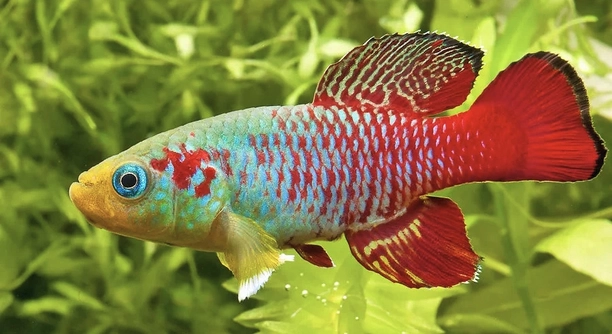
Do you ever find yourself setting up a peaceful aquarium only to notice your fish behaving in surprising ways? Killi fish are small, colorful, and often full of energy, making them fun to watch.
Yes, Killi fish can jump out of the aquarium. This behavior is linked to their natural instinct to escape small or shallow waters in the wild. Without a proper tank cover, they are at risk of jumping and injuring themselves.
Understanding their behavior can help prevent accidents and create a safer environment for your fish. Let’s take a closer look at why this happens and how you can stop it.
Why Killi Fish Jump Out of the Aquarium
In the wild, Killi fish often live in shallow or temporary bodies of water. When these dry up, the fish may jump to find a new spot with better conditions. This instinct doesn’t go away in captivity. Even in a well-maintained tank, a Killi fish may still try to jump if it feels stressed or uncomfortable. Some common causes include poor water quality, sudden changes in lighting or temperature, and overcrowded conditions. Without a secure lid on the tank, a startled Killi fish might leap out quickly and unexpectedly. Loud noises or fast movements near the aquarium can also trigger this behavior. It’s a survival response, not random or playful. Once outside the tank, the fish is unlikely to survive without immediate help. That’s why it’s important to understand their behavior and take simple steps to keep them safe. A few adjustments can make a big difference.
Always make sure the tank has a secure lid. Even small gaps can lead to accidents with active fish like Killis.
Aside from covering the tank, keep the water clean and stable. Test levels often and avoid sudden shifts in temperature. Calm surroundings and hiding spots inside the tank can also help reduce stress. When fish feel safe, they are less likely to jump. Lighting should follow a consistent schedule, as irregular light changes may startle them. Adding floating plants or soft cover near the surface can also make the fish feel more secure. Another helpful tip is to place the tank in a quieter part of your home. Constant noise or activity can raise stress levels in sensitive fish. If you’re introducing new tank mates, do it gradually to avoid tension. Watching your fish and learning their habits will also help. If one seems restless or agitated, check the conditions right away. These small habits help prevent accidents and keep your Killi fish healthy and safe.
What to Do If Your Killi Fish Jumps Out
If your Killi fish jumps out, act quickly. Gently pick it up with wet hands and return it to the tank.
Time is critical in this situation. Killi fish can survive a short time out of water, but only if you respond fast. Once the fish is back in the tank, monitor its behavior closely. You may notice it gasping, swimming oddly, or hiding. These signs usually mean the fish is stressed or hurt. To help it recover, keep the tank quiet and dim for a few hours. Avoid feeding or disturbing the fish right away. You’ll also want to check the water parameters and ensure everything is stable. If the fish continues to show signs of distress, consider separating it into a smaller recovery tank for observation. Soft plants and low lighting in this space can reduce stress. Recovery can take a few days, depending on how long the fish was out of the tank and how quickly you responded.
Signs Your Killi Fish May Be Planning to Jump
You might notice your Killi fish swimming near the surface more often than usual. They may also seem restless, darting quickly or acting skittish when lights turn on or someone walks by the tank.
Watch for pacing along the glass or sudden bursts of movement. These can be signs your fish is feeling stressed or unsafe. They may even bump into decorations or swim erratically near corners. Sometimes, they hang out near the lid or poke their noses through small gaps. These are clear signs your Killi fish is looking for a way out. Loud noises, sharp lighting changes, or unfamiliar tank mates can cause these behaviors. Even minor disruptions can lead to a jump. Spotting these habits early gives you time to make adjustments before an accident happens.
Reducing stress is key. Keep the tank calm and quiet, and avoid moving things around too often. Dim lighting during sudden changes—like turning on a room light at night—can prevent startling your fish. Adding more hiding spots, like plants or small caves, helps the fish feel safer. When Killi fish feel secure, they’re much less likely to act out or leap. Try not to overfeed or overcrowd the tank. A peaceful, stable setup keeps them calm and lowers the chances of jumping.
Simple Ways to Prevent Jumping
Use a snug, secure lid that fits your tank well. Mesh tops or hinged covers are good options, as long as there are no gaps.
Also, make sure the water stays clean and consistent. Sudden changes in temperature or water quality often cause stress. Use a gentle filter that won’t cause too much current. Avoid sharp lighting changes and create a steady light cycle. Place the tank in a quieter area of your home, away from constant noise and foot traffic. Offer natural cover with floating plants or tall decorations so the fish feel protected near the surface. Add hiding spots at different levels in the tank to give them options. If your Killi fish shares the space with others, watch for signs of bullying or stress. A peaceful tank makes a huge difference in behavior and safety. Keeping everything calm, clean, and stable goes a long way in preventing jumps.
Common Mistakes That Lead to Jumping
Leaving the tank uncovered, even slightly, gives your Killi fish an easy escape path. These fish are quick and can slip through very small openings without warning.
Changing water temperature too fast or skipping regular tank maintenance can also stress the fish. Stress is one of the main causes of jumping.
What to Use as a Safe Tank Cover
A glass lid with a tight fit works well, especially if it has a small feeding door. You can also use mesh covers, but be sure the openings are too small for a fish to pass through. Some people use plastic wrap or netting in a pinch, but these options are not reliable long-term. If you use a custom lid, check that it fits snugly around filters and cords. Even the tiniest gaps can become a way out for an active fish. Be sure to secure any loose parts and double-check the cover after maintenance or cleaning to avoid accidents.
Final Tip to Keep in Mind
Stay consistent with tank care and pay attention to how your fish behave. The more stable their environment, the less likely they are to jump.
FAQ
Can Killi fish survive if they jump out of the tank?
Killi fish can survive only for a short time outside of water—usually a few minutes. Their skin and gills need to stay moist to function properly. If they are quickly returned to the tank, they may recover without lasting harm. However, prolonged exposure to air can cause serious stress, injury, or death. Always try to prevent jumping to avoid this risk.
Why do Killi fish jump more than other aquarium fish?
Killi fish come from shallow, temporary waters in the wild where jumping helps them find new habitats. This natural behavior is stronger in Killis compared to many other fish. Their small size and active nature also make them more likely to explore the tank’s surface and jump if conditions feel unsafe.
Is it normal for Killi fish to jump even with a lid?
Yes, it can happen if the lid isn’t secure or if the fish is stressed. Even a small gap between the lid and tank edge can let a fish jump through. Stress from poor water conditions or tank mates can also increase jumping attempts. Always check that lids fit tightly and address any stress factors.
How do I know if my tank conditions are causing my Killi fish to jump?
Look for signs like erratic swimming, hiding more than usual, or sudden bursts of speed near the surface. Testing water quality is important—check temperature, pH, ammonia, nitrite, and nitrate levels. If any are out of safe ranges, it could cause stress that leads to jumping. Consistent tank maintenance reduces this risk.
What type of tank setup helps reduce jumping?
A tank with calm water flow, plenty of hiding spots, and stable water parameters helps keep Killi fish calm. Floating plants or decorations near the surface give them security. Avoid overcrowding, and maintain a quiet environment with steady lighting to reduce stress.
Can I train my Killi fish to stop jumping?
Fish don’t learn like pets such as dogs or cats, but they respond to a comfortable environment. By reducing stress and providing a secure, stable tank, you can lower the chances of jumping. Consistent care is the best way to prevent this behavior.
What should I do if I notice my Killi fish trying to jump frequently?
First, check water quality and tank conditions immediately. Improve hiding spots and reduce any sources of stress, like loud noises or aggressive tank mates. Make sure the lid is secure and consider adjusting the lighting schedule to avoid sudden changes.
Are there certain species of Killi fish more prone to jumping?
Some Killi species are more active or bold than others, but most share the instinct to jump. Species like the Blue Panchax and Golden Wonder Killifish are known for their energetic behavior. Regardless of species, precautions should always be taken.
Can tank mates cause Killi fish to jump?
Yes, aggressive or bullying tank mates can stress Killi fish and trigger jumping. Killis prefer peaceful companions or sometimes being alone. Avoid placing them with larger or territorial fish that may chase or nip at them.
How often should I check my tank to prevent jumping?
Daily observation is best to catch early signs of stress or jumping behavior. Weekly water testing keeps conditions stable. Regular maintenance, like water changes and filter cleaning, prevents sudden shifts that upset your fish. Staying on top of care helps keep your Killi fish safe.
Killi fish are lively and interesting pets, but their natural behavior to jump can be a real challenge for aquarium owners. Understanding why they jump helps a lot in preventing accidents. These fish come from shallow, changing environments where jumping helps them survive. Even in a well-kept tank, this instinct can cause them to leap out, especially if they feel stressed or uncomfortable. Paying attention to their behavior and tank conditions is important to keep them safe. When you notice signs like restlessness or frequent visits to the water surface, it’s a good idea to check the tank setup and water quality.
Creating a secure environment is the best way to stop your Killi fish from jumping. A tightly fitting lid is essential because even small gaps can be a problem. Beyond just a cover, keeping water clean and stable helps reduce their stress. Adding plants and hiding places gives your fish spots to feel safe. Consistent lighting and a quiet space also support calm behavior. If the fish feel secure and comfortable, they are much less likely to try to escape. Watching your fish daily and keeping the tank stable goes a long way toward preventing jumping and keeping them healthy.
If a Killi fish does jump out, acting quickly is critical. Gently putting them back in the water and reducing stress around the tank can help the fish recover. Regular tank care and creating a peaceful home will minimize the chances of it happening again. While it can be worrying to see a fish jump, with the right steps, you can keep your Killi fish safe and happy in their aquarium. Taking the time to learn their habits and meet their needs makes all the difference.

Hello,
If you enjoy the content that we create, please consider saying a "Thank You!" by leaving a tip.
Every little bit helps us continue crafting quality advice that supports the health, happiness, and well-being of pets around the world, for pets of all shapes, sizes, and species.
We really appreciate the kindness and support that you show us!