
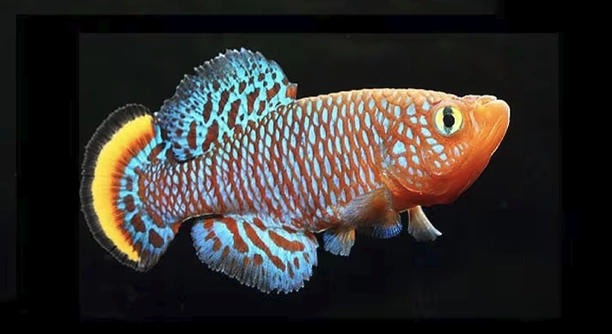
Do you ever find yourself drawn to the idea of keeping a small, colorful fish tank on your desk but feel unsure about which species would thrive in such a limited space?
Killi fish can be kept in desktop tanks, provided their basic needs are met, including stable water parameters, adequate space, and regular maintenance. Proper planning and species selection are crucial to their health and well-being.
There’s more to keeping killi fish in compact tanks than meets the eye, and understanding their care needs can make all the difference.
Understanding the Needs of Killi Fish
Killi fish are small, colorful freshwater fish known for their peaceful nature and adaptability. While some species are easier to care for than others, they all need stable water conditions, a secure lid, and proper diet. These fish prefer soft, slightly acidic water and thrive at temperatures between 72°F and 78°F. When keeping them in a desktop tank, it’s essential to use a reliable heater and filter. Many killi fish also enjoy planted tanks, as plants offer hiding spots and help maintain water quality. Regular water changes and tank cleaning are necessary to keep them healthy. Desktop tanks should be at least 5 gallons for one or two fish. It’s also important to research the specific type of killi fish, as their needs can vary slightly. Some species are better suited for smaller tanks, while others require more space. Always avoid overcrowding and provide a peaceful tank environment.
Killi fish do not need much space, but they require stable conditions and attentive care. A desktop tank setup must meet their specific needs to keep them comfortable and safe.
Tank lids are especially important, as killi fish are known jumpers. Without a cover, it’s easy for them to escape, even from low tanks.
Choosing the Right Setup
A desktop tank should not be chosen based only on size. Shape, material, and accessibility all affect maintenance and fish comfort. Avoid tanks under 5 gallons, as they make it hard to maintain stable water parameters. Look for tanks with built-in filtration and lighting if possible.
The filter you choose should offer gentle flow. Killi fish are not strong swimmers and can become stressed with powerful currents. Sponge filters or adjustable flow filters are good options. Live plants such as java moss or anubias can help reduce stress and improve water quality. Lighting should not be too intense, especially if you’re using low-light plants. Keep the tank away from direct sunlight to prevent temperature swings and algae growth. Test the water regularly for ammonia, nitrites, nitrates, and pH levels. Feed small amounts of high-quality food once or twice a day, and remove any uneaten food. Avoid adding other fish unless you’re sure they’ll be compatible, and never add aggressive tank mates.
Common Mistakes to Avoid
Overfeeding is a common mistake in small tanks. Uneaten food quickly affects water quality and stresses the fish. It’s best to feed small portions and observe their eating habits closely.
Using an uncycled tank is another issue. Killi fish are sensitive to ammonia and nitrite spikes, which often occur in tanks that haven’t been properly cycled. Cycling the tank means establishing a stable colony of beneficial bacteria to break down fish waste. This process usually takes a few weeks and should be done before introducing any fish. In a desktop setup, even small imbalances can become dangerous quickly, so patience is key. Another frequent mistake is ignoring evaporation, which affects water chemistry in small tanks. Topping off with dechlorinated water regularly helps keep parameters stable. Lastly, avoid sudden changes in temperature or lighting, as these can lead to stress and illness.
Neglecting regular water changes also leads to problems. Desktop tanks collect waste fast, and weekly partial water changes are essential. Use a small siphon to remove debris and replace 20–30% of the water. Always match the temperature of new water to avoid shocking the fish. Monitoring water quality weekly with test kits will help you catch issues before they become serious. Clean filter sponges gently in tank water to keep beneficial bacteria intact.
Best Species for Desktop Tanks
Some killi species do better in compact environments than others. The best choices are usually small, hardy, and peaceful. Golden wonder, clown killi, and gardneri are commonly recommended for smaller setups due to their size and calm behavior.
Clown killi fish, also called banded panchax, are a popular pick for desktop tanks. They grow to about 1.5 inches and are generally peaceful. Males are colorful and active, while females are more subtle in color. They prefer floating plants and subdued lighting, which help them feel secure. Gardneri killi fish are another great choice. They’re slightly larger, around 2.5 inches, and come in various color patterns. They adapt well to small tanks if conditions remain stable. Golden wonder killifish can reach about 4 inches but may still work in a well-maintained 5-gallon tank, though a larger one is better. These fish tend to be peaceful but should not be housed with very small tank mates.
Breeding in Small Tanks
Some killi fish can breed in desktop tanks, but conditions must be stable and stress-free. Soft water, steady warmth, and plenty of cover help create a safe space for spawning. Floating plants and spawning mops are commonly used to collect eggs.
Raising fry in the same tank is risky. Adult killi fish often eat their own eggs or newly hatched fry. If you plan to breed them, it’s better to move the eggs to a separate container or have a well-planted tank that provides hiding spots for the fry.
Lighting and Temperature Needs
Killi fish do best with consistent temperatures between 72°F and 78°F. A small adjustable heater helps keep things stable, especially in cooler rooms. Avoid placing the tank near windows or vents. For lighting, low to moderate light works well and helps support live plants without stressing the fish.
Final Thoughts on Compatibility
Killi fish are usually peaceful, but they can be territorial, especially males. In small tanks, it’s best to keep one male with one or two females or house them alone. Avoid mixing with nippy or overly active fish that might cause stress.
FAQ
Can killi fish live alone in a desktop tank?
Yes, many killi fish can live alone, especially males. They do not require tank mates to thrive and often prefer having their space. A single killi fish in a well-maintained desktop tank can live a healthy and active life. In fact, keeping them alone helps reduce territorial behavior and stress. If you do choose to add more, make sure the tank is large enough, and stick to peaceful combinations such as one male and one or two females. Always avoid overcrowding in small tanks.
Do killi fish need a filter in a small tank?
Yes, a filter is important, even in a small tank. It helps maintain clean water by removing waste and promoting healthy bacteria. Killi fish prefer gentle filtration, so sponge filters or filters with adjustable flow are ideal. Strong filters can stress them and disrupt their environment. Clean the filter media gently during water changes using old tank water, not tap water, to keep the beneficial bacteria alive. A stable, filtered tank will help prevent disease and support long-term health in desktop setups.
How often should I clean a desktop tank with killi fish?
Weekly maintenance is recommended. Perform partial water changes of 20–30% once a week. This helps keep ammonia and nitrate levels safe. Wipe down the glass if algae starts to form, and remove any uneaten food or plant debris. Desktop tanks get dirty faster because of their small volume, so regular care is essential. Use a gravel vacuum or siphon during water changes to remove waste from the substrate. Monitor water parameters weekly using test kits to ensure the water stays within safe levels for your fish.
What is the best food for killi fish?
Killi fish do well on a varied diet. High-quality flake food, micro pellets, and frozen or live foods such as brine shrimp, daphnia, and bloodworms are all good choices. They often prefer food that floats or sinks slowly. Feed them small portions once or twice a day, only as much as they can eat in a couple of minutes. Remove uneaten food right away to keep the water clean. Mixing their diet helps them get all the nutrients they need and keeps them active and colorful.
Can I use tap water in a desktop tank for killi fish?
Yes, but only if it’s treated. Tap water usually contains chlorine or chloramine, which can harm fish. Use a water conditioner to remove these chemicals before adding the water to the tank. It’s also helpful to test the pH and hardness of your tap water, as killi fish prefer slightly acidic and soft water. If your tap water is too hard or alkaline, consider mixing it with distilled or RO (reverse osmosis) water. Always match the temperature of the new water before adding it to the tank.
Are desktop tanks too small for killi fish to thrive long-term?
Not necessarily. Many small killi fish species can thrive in desktop tanks if the setup is stable and well-maintained. Water changes, proper feeding, and regular monitoring are key. A tank of at least 5 gallons is preferred for most species. Keep stocking levels low and avoid mixing with incompatible fish. Desktop tanks require more attention to detail, but they can support healthy killi fish when done correctly. Long-term success depends on consistency and making sure the environment stays safe and comfortable.
Do killi fish sleep?
Yes, killi fish do sleep, though not in the same way humans do. They become less active and often rest near the bottom or among plants. During this time, their colors may fade slightly, and they stop swimming. It’s important to give them a day-night cycle using a tank light on a timer. Keeping the room dark at night and avoiding sudden changes in lighting helps reduce stress. A peaceful, quiet environment allows your killi fish to rest and stay healthy over time.
Final Thoughts
Killi fish can do well in desktop tanks when their needs are met. These colorful and interesting fish are often chosen for their small size and peaceful nature. However, a small tank does not mean less work. In fact, smaller setups can be harder to maintain because changes in water quality happen quickly. A stable environment is the most important factor in keeping killi fish healthy. This means keeping a regular schedule for water changes, feeding, and testing the water. Adding live plants, using a gentle filter, and keeping the tank away from drafts or direct sunlight can also help provide the right conditions.
Before setting up a desktop tank, it’s important to plan ahead. Not all killi fish species are suited for small tanks, so choosing the right one makes a big difference. Clown killi and gardneri are often the best options for beginners. If you’re interested in breeding, be prepared to separate the eggs or fry from the adults. Think carefully about tank size, temperature, and filtration. Take your time during setup, and avoid rushing to add fish before the tank is fully ready. Always cycle the tank before introducing your killi fish. These small details help avoid common mistakes and support long-term care.
Keeping killi fish in a desktop tank can be rewarding with the right approach. Watching their behavior and color changes can bring a sense of calm and enjoyment to your day. They do not need much space, but they do need attention. If you’re consistent with care and keep their setup stable, these fish can live for several years in a small, well-maintained tank. A desktop tank is not just decoration—it’s a small ecosystem that needs balance and care. With patience and a little planning, it’s possible to create a peaceful and healthy space where your killi fish can thrive.

Hello,
If you enjoy the content that we create, please consider saying a "Thank You!" by leaving a tip.
Every little bit helps us continue crafting quality advice that supports the health, happiness, and well-being of pets around the world, for pets of all shapes, sizes, and species.
We really appreciate the kindness and support that you show us!