
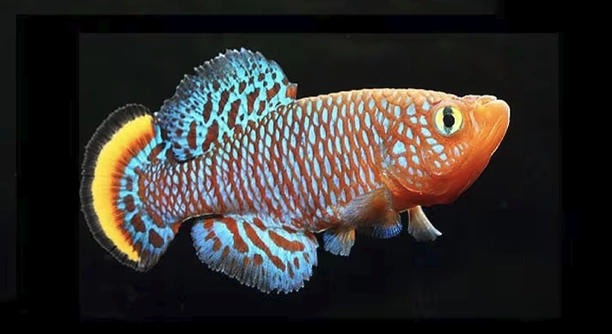
Have you ever looked at a Killi fish and wondered what makes them so unique compared to other small aquarium fish?
Killi fish are a diverse group of freshwater fish known for their short lifespans, vibrant colors, and fascinating breeding habits. They inhabit a range of environments, from temporary puddles to permanent streams, and display impressive adaptability and resilience.
From unusual survival strategies to their role in scientific research, these tiny fish hold more surprises than their size suggests.
They Can Survive in Dried-Up Puddles
Killi fish have a unique way of surviving in extreme environments. Many species live in temporary water sources like puddles or shallow pools that dry up during certain seasons. To deal with this, they lay eggs that can survive without water for months. These eggs enter a state called diapause, pausing their development until the rains return. Once the water comes back, the eggs hatch and the cycle begins again. This allows Killi fish to thrive in places where most fish would never survive. It’s a fascinating adaptation that shows how nature finds a way to keep going.
This survival technique makes Killi fish ideal for studying how animals respond to tough environmental conditions.
Understanding this behavior helps researchers learn more about species adaptation, especially in areas affected by climate changes. The ability of Killi fish to pause and resume life based on water availability is not just interesting—it’s also valuable. Scientists use these eggs in research related to developmental biology and environmental stress. Because their eggs can be stored and hatched at different times, researchers have more control over the timing of studies. This flexibility is hard to find in other fish species. It makes Killi fish especially useful for experiments involving growth, aging, and genetic testing.
Some Live Less Than a Year
Killi fish are known for having very short lifespans, with some species living just a few months.
Many annual Killi fish species complete their life cycle in less than a year. After hatching, they grow quickly, reproduce, and die—often all within 6 to 9 months. This fast-paced life is linked to the environments they live in, such as seasonal rain pools that dry up quickly. Their bodies are built for speed: fast growth, early reproduction, and a natural end not long after. These fish don’t waste time. As soon as conditions are right, they focus entirely on growing and laying eggs before the water disappears. Their brief lives may seem unfortunate, but it’s a natural and effective way to ensure their population survives. These rapid life cycles also make them a useful model in labs for studying aging and development since their entire lifespan can be observed in a short period.
Their Colors Change Based on Mood and Light
Killi fish can change color depending on their surroundings, lighting, and emotional state. Bright colors may fade when they’re stressed or scared, while good conditions bring out their vibrant tones. Lighting in their tank also affects how their colors appear.
In brightly lit environments, their natural patterns and vivid colors stand out, especially during mating. Males often display stronger colors when trying to attract females. Stress, illness, or poor water quality can cause the colors to dull. These changes are not permanent but are signs that something in their environment has shifted. It’s one way to observe their health and mood without interfering. Tank owners can monitor these shifts as helpful clues for care. The right lighting, stable temperatures, and low-stress conditions help maintain their color. It’s also common for Killi fish to show more intensity during feeding or territorial displays, especially in smaller spaces with other males.
If a Killi fish starts losing its color, it often signals discomfort or a need for changes in the tank. Sudden shifts in water quality, lighting, or tank mates can all play a role. It’s helpful to keep a regular check on ammonia, nitrate levels, and temperature. If their stress level drops, their coloring usually returns. These color shifts are subtle but meaningful. Some species, like the Nothobranchius, can appear washed-out when inactive but transform into bold shades when excited. This reaction isn’t just physical—it’s a communication tool for social behavior and survival. For those keeping Killi fish at home, watching their color is a simple but useful way to understand how they’re feeling.
They’re Found on Nearly Every Continent
Killi fish are widely spread across the globe, with species native to Africa, Asia, Europe, and the Americas. Only Australia and Antarctica do not have any native Killi fish populations. This makes them one of the most adaptable freshwater fish.
Their wide distribution is partly due to their ability to live in harsh or changing environments. Some Killi fish inhabit mountain streams, while others live in warm savannah pools or dense rainforest areas. Each species has adapted to local conditions, which explains the huge variety in appearance and behavior. African annual Killi fish, for example, evolved to survive dry seasons through egg diapause. In South America, species like Rivulus can even jump out of the water and move across damp land to escape predators or find new homes. Their flexible biology and quick reproductive cycles support survival across continents. This global reach also gives scientists a large genetic pool to study evolutionary changes in isolated regions.
Some Species Can Jump Out of the Water
Killi fish are excellent jumpers. They use this skill to escape predators, find food, or even move between small pools. It’s a survival trait that helps them adapt in unstable environments with shrinking or changing water sources.
Owners should always keep tanks covered. These fish can leap unexpectedly, especially when startled or chasing food near the surface. Even small gaps in the lid can lead to accidents. Regular checks for secure coverings can help prevent escape and injury.
They’re Used in Scientific Research
Killi fish are valuable for research because of their short lifespans and quick development. Their fast growth allows scientists to study aging, gene function, and environmental effects in a short time. The turquoise killifish, in particular, is often used in labs for aging studies. Researchers can observe an entire life cycle in just a few months. Their embryos are also easy to store and transport. Because of their adaptability and clear genetic markers, they’re ideal for lab testing. This has helped researchers understand more about age-related diseases, cell regeneration, and stress responses in vertebrates.
They Require Specific Water Conditions
Killi fish need stable water temperatures and soft, slightly acidic water. Regular water changes, low current, and consistent lighting support their health and behavior. Poor water conditions can quickly affect their color, appetite, and lifespan.
FAQ
What do Killi fish eat?
Killi fish are carnivores that mainly eat small live or frozen foods. They prefer insects, larvae, and tiny crustaceans. In captivity, they often enjoy brine shrimp, daphnia, and bloodworms. Some will accept high-quality flake or pellet food, but live or frozen foods keep them healthiest and most active. Feeding small amounts twice a day works well. Overfeeding can lead to poor water quality and health issues.
How big do Killi fish get?
Most Killi fish are small, usually growing between 1 and 2 inches in length. Some species may reach up to 3 inches, but that is rare. Their compact size makes them great for smaller tanks or community setups with peaceful fish.
Can Killi fish live with other fish?
Killi fish can live with other peaceful species, but males can be territorial with their own kind or similar fish. Avoid aggressive or larger fish that might bully or eat them. Providing plenty of plants and hiding spots helps reduce stress and aggression.
How often should I change the water?
Regular water changes are important for Killi fish health. Changing 25–30% of the water once a week is usually enough. Avoid sudden changes in water temperature or chemistry. Keeping water clean helps maintain their color, activity, and lifespan.
What is the ideal tank size for Killi fish?
A 10-gallon tank is suitable for a small group of Killi fish. Males should have enough space to avoid fighting. Taller tanks are better because many species prefer swimming in the middle and upper water levels.
How do Killi fish breed?
Killi fish lay eggs among plants or substrate. Some species scatter eggs freely, while others attach them to surfaces. Eggs often enter diapause, pausing development until conditions improve. Breeding pairs may show brighter colors and active courtship behavior. Separate the eggs to hatch safely, as adults can eat them.
What water parameters do they need?
Killi fish thrive in soft, slightly acidic water with a pH between 6.0 and 7.0. Water temperature should be stable, usually between 72°F and 78°F (22°C–26°C). Avoid hard or alkaline water, as it stresses them and reduces their lifespan.
Are Killi fish good for beginners?
They can be kept by beginners but need careful attention to water quality and diet. Their small size and unique behaviors make them rewarding but slightly more demanding than common beginner fish. Learning their needs early helps keep them healthy.
Why do Killi fish change color?
Color changes reflect mood, stress, health, and lighting. Bright, vibrant colors often mean a healthy, unstressed fish, while dull colors signal discomfort or illness. Lighting in the tank also affects how their colors show.
Do Killi fish jump out of tanks?
Yes, they are known to jump, especially when startled or hunting near the surface. Keeping a tight-fitting lid on the tank is essential to prevent escapes.
How long do Killi fish live?
Lifespans vary by species, but many live less than a year in the wild. In captivity, with good care, some can live up to two years. Annual species have naturally short lives linked to their environment.
Can Killi fish survive dry periods?
Certain species lay eggs that survive dry periods through diapause. This helps them survive when pools or puddles dry out. The eggs hatch when water returns, continuing the cycle.
What is diapause in Killi fish?
Diapause is a state where eggs pause development during dry or unfavorable conditions. It allows survival until the environment is suitable again. This is common in annual Killi fish species.
How can I tell if my Killi fish is healthy?
Healthy Killi fish swim actively, eat well, and show bright colors. Avoid lethargy, loss of appetite, or faded colors, which can indicate stress or illness. Clear eyes and smooth scales are also signs of good health.
What tank mates are best for Killi fish?
Peaceful, small fish like small tetras, rasboras, or snails can be good tank mates. Avoid large, aggressive, or fast fish that might bully or eat Killi fish. Plants and hiding spots improve community harmony.
Do Killi fish need special lighting?
Moderate lighting that mimics their natural habitat works best. Too bright or direct light can stress them, while too dim light may reduce color vibrancy. Adjustable lighting helps create the right balance.
Are Killi fish endangered?
Some species are threatened due to habitat loss and pollution. Conservation efforts are underway to protect certain wild populations. Responsible aquarium keeping and breeding help reduce pressure on wild stocks.
Can Killi fish live in cold water?
Most prefer warmer water between 72°F and 78°F. Some species tolerate cooler water but sudden drops can be harmful. Stable temperature is more important than the exact degree.
How do I prevent diseases in Killi fish?
Maintain clean water, feed a balanced diet, avoid overcrowding, and quarantine new fish. Regular observation helps catch problems early. Many common diseases result from stress or poor water conditions.
What makes Killi fish unique compared to other aquarium fish?
Their ability to survive dry seasons through diapause, rapid life cycles, and bright color changes set them apart. Their diverse habitats and behaviors offer a window into survival strategies not seen in many other fish.
This FAQ covers the essential facts and care tips to help understand and enjoy these fascinating little fish.
Killi fish are remarkable creatures that offer a lot to those interested in aquatic life. Their small size and bright colors make them appealing, but it is their unique behaviors and adaptations that truly stand out. From their ability to survive in temporary water pools to their short lifespans and fascinating breeding habits, these fish provide insight into nature’s resilience. Understanding their needs and characteristics is important for anyone who wants to keep them healthy and happy. Their quick development and colorful displays also make them interesting subjects for study and observation. Caring for Killi fish requires attention to water quality, diet, and tank conditions, but the effort is rewarding.
These fish are not just beautiful but also valuable for scientific research. Their short lifespans allow scientists to study aging and development over a brief period, making them useful in many fields of biology. The eggs’ ability to pause development during dry seasons is another remarkable feature that helps them survive in challenging environments. This ability to adapt to harsh conditions highlights the complexity of life cycles in aquatic species. Killi fish show how living organisms can find ways to thrive even in places where conditions are unpredictable or extreme. Their resilience and adaptability are lessons in survival and evolution.
Keeping Killi fish at home can be a satisfying experience if their specific needs are met. They require stable water conditions, proper diet, and protection from stress to show their best colors and behaviors. Their tendency to jump means secure tank lids are essential. Watching these fish change color with their mood or environment adds an extra level of connection between the keeper and the fish. For anyone willing to learn about their unique lifestyle, Killi fish offer an opportunity to appreciate a small but fascinating part of aquatic life. They remind us how diverse and adaptable fish can be, even in the smallest and simplest forms.

Hello,
If you enjoy the content that we create, please consider saying a "Thank You!" by leaving a tip.
Every little bit helps us continue crafting quality advice that supports the health, happiness, and well-being of pets around the world, for pets of all shapes, sizes, and species.
We really appreciate the kindness and support that you show us!