
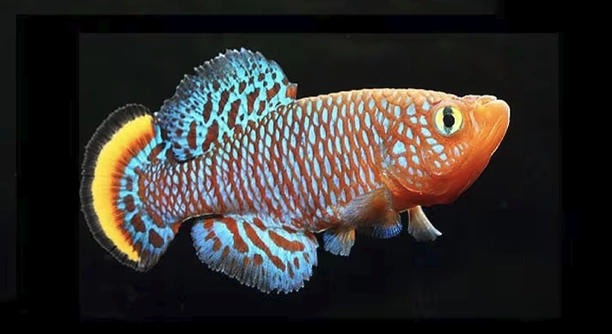
Killi fish are small, colorful freshwater fish often kept in home aquariums. Many owners enjoy adding decorations to their tanks to create a lively environment. Moving decorations can add motion, but their effect on killi fish behavior is worth understanding.
Killi fish generally do not react strongly to moving decorations but may show mild curiosity or avoidance depending on the speed and type of movement. Their response varies with individual temperament and the tank setup.
Knowing how killi fish interact with moving objects can improve aquarium design and fish well-being. This article explores their behavior to help create a balanced, engaging habitat for these delicate fish.
How Killi Fish Respond to Moving Decorations
Killi fish are naturally curious but cautious creatures. When a moving decoration is placed in their tank, they often take time to observe it before reacting. Some may swim closer to inspect the motion, while others might keep their distance. The speed and type of movement play a big role in their response. Slow, gentle motions tend to attract their attention without causing stress. Fast or erratic movements, however, can startle them, leading to hiding or erratic swimming. It is important to introduce any moving element gradually, allowing killi fish to adjust. Tank size and the presence of hiding spots also influence their comfort level. A well-planned tank environment helps maintain a healthy balance between stimulation and safety. Monitoring fish behavior after adding decorations can provide insight into their comfort and well-being.
Killi fish prefer calm environments but will explore new elements carefully. Their reactions help gauge stress levels in the tank.
Adjusting decoration movement and placement can reduce stress and promote natural behavior. Observing fish responses allows for better tank customization and improved fish health.
Choosing the Right Moving Decorations
Selecting appropriate moving decorations is key to keeping killi fish comfortable. Decorations that move slowly and smoothly are less likely to cause stress. Small bubbles, gentle water currents, or softly swaying plants are good options. Avoid bright flashing lights or decorations that move quickly and unpredictably. The material should be safe and non-toxic, as killi fish are sensitive to chemicals. The size of the decoration should match the tank and the fish’s size to prevent overcrowding or injury. Moving decorations that mimic natural underwater movement tend to encourage exploration and reduce boredom. It’s helpful to observe how your fish react initially and make changes if any signs of stress appear.
Creating a balanced environment requires careful choice and placement of moving elements.
Moving decorations that resemble natural conditions encourage positive interaction. Careful selection and gradual introduction are essential to maintain a calm, engaging aquarium for killi fish.
Effects of Moving Decorations on Killi Fish Health
Moving decorations can influence killi fish health by affecting their stress levels. Excessive or sudden movement may cause anxiety, leading to weakened immune response or erratic behavior. Moderate, gentle motion is usually harmless and can even stimulate natural activity.
Stress from inappropriate decorations often shows as loss of appetite, hiding, or rapid gill movement. These signs mean it’s time to adjust the tank setup. Providing adequate hiding spots and avoiding constant movement helps fish feel secure. Balanced stimulation supports mental and physical health.
Some killi fish adapt quickly to moving elements, while others remain sensitive. Regular observation ensures decorations promote well-being. Making gradual changes reduces negative impacts and maintains a healthy aquarium environment.
Tips for Introducing Moving Decorations
Start by introducing one moving decoration at a time to avoid overwhelming killi fish. Observe their reaction closely for several days before adding more. Gradual introduction helps fish adjust without excessive stress.
Place moving decorations away from usual resting or feeding areas. This reduces interference with daily routines and allows fish to explore on their own terms. Consider timing as well—introducing new elements during feeding or low activity periods can lower stress.
Maintain consistent water conditions and monitor fish behavior regularly. Adjust movement speed or remove decorations if stress signs appear. This approach supports a calm, engaging environment where killi fish can thrive naturally.
Observing Behavior Changes
Watch for any sudden changes in swimming patterns or social interactions after adding moving decorations. Increased hiding or erratic movement may indicate discomfort or stress.
Positive signs include curiosity and regular activity around the decorations. This means the fish feel secure and interested without feeling threatened.
Adjusting Decoration Movement
If killi fish seem uneasy, reduce the speed or frequency of decoration movement. Slower, less frequent motion helps them acclimate better and reduces stress.
Test different movement settings to find what works best. Some fish tolerate gentle, constant movement, while others prefer occasional or very slow motion.
Common Mistakes to Avoid
Avoid placing moving decorations too close to resting or breeding areas. This can disrupt natural behaviors and cause stress in killi fish.
FAQ
Do killi fish enjoy moving decorations?
Killi fish do not necessarily enjoy moving decorations like some other fish species might. They are more cautious by nature, so slow, gentle movement tends to be tolerated better than fast or unpredictable motion. Some killi fish may show mild curiosity, but most prefer calm environments. Decorations that mimic natural water movement usually create a more comfortable atmosphere for them.
Can moving decorations stress killi fish?
Yes, moving decorations can stress killi fish if the motion is too fast or erratic. Sudden movements may cause the fish to hide or swim erratically, which are signs of stress. To avoid this, it is best to introduce moving elements slowly and observe the fish’s reaction. Keeping the movement smooth and infrequent helps maintain a stress-free environment.
What types of moving decorations are best for killi fish tanks?
Gentle water currents, air bubbles, and soft, swaying plants are among the best choices. These decorations create natural-looking movement without overwhelming the fish. Avoid decorations with flashing lights or rapid spinning parts. It’s important to pick materials safe for freshwater tanks and that won’t release harmful substances into the water.
How do I know if my killi fish are stressed by decorations?
Signs of stress include hiding more than usual, loss of appetite, rapid gill movement, or erratic swimming patterns. If you notice these behaviors after adding moving decorations, it’s a sign they might be uncomfortable. Adjusting or removing the decorations and providing more hiding spaces can help reduce stress.
Should moving decorations be placed in specific parts of the tank?
Yes, avoid placing moving decorations near resting or breeding areas. Killi fish need safe zones where they can retreat without disturbance. Position decorations so they provide stimulation but do not interfere with the fish’s daily routines or cause excessive movement in these safe areas.
How quickly do killi fish adapt to moving decorations?
Adaptation varies among individuals. Some killi fish adjust within a few days, while others may take weeks. Gradual introduction is key to helping them feel secure. Monitoring behavior closely helps you decide if the current setup is working or needs modification.
Is it necessary to remove moving decorations at night?
It’s not necessary but can be beneficial. Killi fish are less active at night and prefer calm surroundings for rest. Removing or turning off decorations that create movement or light can help maintain a natural day-night cycle and reduce stress during rest periods.
Can moving decorations affect breeding behavior?
Yes, excessive movement or disturbances near breeding sites can disrupt spawning. Killi fish prefer quiet, stable areas for laying eggs and caring for fry. Moving decorations placed away from these sites help ensure breeding activities are not disturbed.
Are there any health risks linked to moving decorations?
Health risks mainly arise from stress caused by inappropriate movement. Stress can weaken the immune system, making fish more susceptible to illness. Additionally, decorations made of unsafe materials may release toxins. Always choose aquarium-safe decorations and observe fish behavior to avoid health problems.
How often should moving decorations be cleaned or maintained?
Regular cleaning is important to prevent algae buildup and maintain water quality. Clean moving parts carefully according to manufacturer instructions to avoid damage. Neglecting maintenance can lead to mechanical failure or water contamination, which may affect fish health. Regular checks ensure decorations function properly and safely.
Final Thoughts
Moving decorations can add a dynamic element to a killi fish tank, but their impact on the fish varies. Killi fish are naturally cautious and prefer calm environments, so not all types of movement are suitable. Gentle, slow-moving decorations tend to be better accepted than those with rapid or erratic motion. Watching the fish’s behavior after introducing any moving element is important to ensure they remain comfortable and stress-free. Understanding the fish’s natural tendencies helps in making choices that support their well-being.
The key to a successful aquarium with moving decorations is balance. Decorations should add interest and stimulation without overwhelming the fish or disturbing their routines. Providing hiding places and quiet zones is essential so killi fish can retreat when needed. Movement that mimics natural water currents or the gentle sway of plants usually creates a positive effect. Gradual introduction and careful observation make it easier to adjust the setup if the fish show signs of discomfort. This approach helps maintain a healthy and engaging environment.
Ultimately, creating the right conditions for killi fish involves attention to detail and patience. Moving decorations are just one factor to consider alongside water quality, tank size, and companion species. When chosen and placed thoughtfully, moving elements can enhance the tank’s appearance and encourage natural behaviors. The goal is to keep the fish safe, healthy, and at ease while offering enough stimulation to prevent boredom. Taking time to learn and respond to the fish’s needs ensures a peaceful and balanced aquatic home.

Hello,
If you enjoy the content that we create, please consider saying a "Thank You!" by leaving a tip.
Every little bit helps us continue crafting quality advice that supports the health, happiness, and well-being of pets around the world, for pets of all shapes, sizes, and species.
We really appreciate the kindness and support that you show us!