
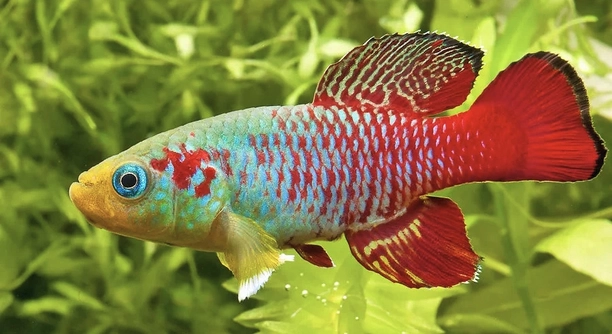
Killi fish are small, colorful pets that brighten up any aquarium. Sometimes, these lively fish suddenly start hiding more than usual. Understanding why they do this can help keep them healthy and happy.
Killi fish hide due to stress, poor water conditions, lack of proper hiding spots, illness, or sudden changes in their environment. Identifying and addressing these causes is essential to restore their natural behavior and well-being.
Knowing the reasons behind your killi fish’s hiding will help you create a better home for them and enjoy their vibrant presence again.
Stress and Anxiety
Killi fish can get stressed by many things, such as loud noises, sudden movements, or overcrowded tanks. Stress makes them feel unsafe, so they hide more to protect themselves. If your fish’s tank is near a busy area, moving it to a quieter place might help. Also, sudden changes like introducing new fish or rearranging decorations can upset them. It is important to keep their environment calm and stable. Stress can weaken their immune system and lead to illness, so reducing it is key for their health. Watching how they behave can give clues about what might be bothering them. Making sure the tank has enough plants or hiding spots helps the fish feel secure. Over time, a peaceful environment encourages your killi fish to be more active and visible again.
When fish feel safe, they are less likely to hide. Stress-free tanks lead to happier, healthier killi fish.
To help your killi fish, keep the tank quiet and avoid sudden changes. Provide places for them to hide but also space to swim freely. Consistent care lowers stress and improves their behavior.
Water Quality Problems
Poor water quality is a major reason killi fish hide. Dirty water causes discomfort and can harm their health. High levels of ammonia, nitrites, or nitrates are toxic to fish. These chemicals build up quickly if the tank isn’t cleaned regularly or if the filter isn’t working well. Temperature fluctuations also stress the fish. Killi fish need stable, clean water to thrive. Testing the water regularly is necessary to catch problems early. Changing part of the water every week helps keep conditions good. If you notice cloudy water or a bad smell, it’s a sign something is wrong. Dirty tanks make fish feel unsafe, pushing them to hide more. Keeping water clean supports your fish’s energy and natural behavior.
Proper water care helps prevent hiding by creating a healthy environment. A well-maintained tank encourages killi fish to explore and stay active.
Lack of Hiding Spots
Killi fish need places to hide because it helps them feel safe. Without enough hiding spots, they become stressed and hide more often. Adding plants, rocks, or small decorations can give them the security they need.
Providing adequate hiding spaces mimics their natural habitat, which is full of plants and crevices. When your tank lacks these, killi fish may feel exposed and vulnerable. This often leads them to retreat to corners or under decorations. Adding live or artificial plants, caves, or tunnels gives them comfortable spots to rest and hide when they want privacy. These spots reduce stress and encourage natural behavior. You will notice your fish swimming more confidently once they have places to retreat to when needed.
Make sure hiding spots are not too crowded or blocking swimming space. Balanced decoration creates a comfortable environment where killi fish feel secure yet free to explore and stay visible.
Illness or Injury
If your killi fish is hiding more than usual, illness or injury might be the cause. Sick fish tend to hide to conserve energy and avoid threats.
Signs of illness include faded color, sluggish swimming, or damaged fins. Parasites, bacterial infections, or poor diet can weaken them. Injuries from sharp decorations or aggressive tank mates may also cause hiding. Monitoring your fish closely is important for early detection. Treating illness quickly with proper medication and improving water quality supports recovery. Remove aggressive fish or sharp objects to prevent further harm. When fish heal and feel better, they become active and curious again. Paying attention to these signs protects your fish’s health and happiness.
Sudden Changes in Environment
Killi fish are sensitive to sudden changes like moving their tank or changing water temperature quickly. These changes make them feel unsafe and cause them to hide more.
Keeping a stable environment is important. Avoid sudden moves or drastic changes to water conditions to keep your fish calm and comfortable.
Tank Mates Stress
Aggressive or overly active tank mates can stress killi fish, making them hide to avoid conflict. It’s important to choose peaceful companions.
Observing interactions between fish helps identify if tank mates cause stress. Separating aggressive fish or providing enough space reduces hiding caused by fear or bullying.
Lighting Issues
Bright or harsh lighting can make killi fish uncomfortable and cause hiding. Dim or soft lighting works better to keep them relaxed.
Adjust lighting intensity or use floating plants to diffuse light. This creates a natural, soothing environment that encourages fish to swim openly rather than hide.
FAQ
Why is my killi fish hiding all the time?
Your killi fish might be hiding due to stress, poor water quality, lack of hiding spots, illness, or uncomfortable tank conditions. When they feel unsafe or unwell, hiding is their natural way to protect themselves. Checking water parameters, providing places to hide, and keeping the environment stable usually helps.
How can I reduce stress for my killi fish?
Reduce loud noises and sudden movements near the tank. Keep the water clean and temperature steady. Avoid overcrowding and provide plenty of plants or decorations for hiding. A calm environment helps your fish feel secure and lowers stress levels.
What water conditions are best for killi fish?
Killi fish thrive in clean, well-filtered water with a temperature around 72–78°F (22–26°C). Keep pH between 6.0 and 7.5. Regular water changes and testing for ammonia, nitrites, and nitrates are important to maintain healthy water.
How often should I clean my killi fish tank?
Partial water changes of about 20–30% should be done weekly. Clean the filter as needed but avoid removing all bacteria at once. Removing uneaten food and waste daily also keeps the water quality good.
What are good hiding spots for killi fish?
Live plants, smooth rocks, driftwood, and small caves or tunnels work well. Make sure the hiding spots do not overcrowd the tank, allowing enough open swimming space. Providing these helps your fish feel safe without restricting their movement.
Can tank mates cause my killi fish to hide?
Yes, aggressive or overly active tank mates can stress killi fish. They may hide to avoid being chased or bullied. Choose peaceful species and monitor interactions. If needed, separate aggressive fish to reduce stress.
How do I know if my killi fish is sick?
Signs include faded colors, loss of appetite, sluggish swimming, clamped fins, or visible injuries. Sick fish often hide more to rest and protect themselves. Early detection and treatment are important to prevent serious illness.
What should I do if my killi fish is injured?
Remove sharp objects from the tank to prevent further injury. Keep the water clean to avoid infections. If possible, isolate the injured fish in a hospital tank and treat with appropriate medication. Provide gentle care until healed.
Does lighting affect killi fish behavior?
Yes, bright or harsh lighting can cause discomfort and hiding. Use dim or indirect lighting or add floating plants to soften the light. This creates a more natural and comfortable environment for your fish.
How can I help my killi fish come out of hiding?
Improve water quality and tank conditions first. Add hiding spots so the fish feels secure. Maintain a stable environment and avoid sudden changes. Give your fish time and patience; they will gradually become more active and visible.
Final Thoughts
Killi fish are delicate creatures that rely on a calm and stable environment to feel safe. When they start hiding frequently, it usually means something in their surroundings is bothering them. It could be stress from sudden changes, poor water quality, or even a lack of proper hiding places. Paying attention to these signs helps you understand what your fish need to feel comfortable again. Small adjustments, like cleaning the tank regularly or adding plants, can make a big difference. Killi fish respond well to steady care and a peaceful setting, which encourages them to show their natural, lively behavior.
Keeping water clean and stable is one of the most important parts of caring for killi fish. They need fresh water with the right temperature and proper pH levels to stay healthy. Poor water quality can cause stress or illness, making them hide more than usual. Testing the water often and doing partial water changes help keep the tank safe for your fish. It is also important to watch out for any signs of sickness or injury, as these can cause hiding too. Early treatment and good tank care are key to helping your fish recover and feel safe again.
Providing enough hiding spots in the tank is essential for your killi fish’s well-being. These fish naturally like to have places where they can retreat and rest when they feel threatened or tired. Without these safe spaces, they can feel exposed and stressed, which increases hiding behavior. Adding decorations like plants, caves, or smooth rocks gives your fish comfort and security. Also, it’s important to keep the tank environment stable by avoiding sudden changes or aggressive tank mates. By creating a balanced, calm habitat, your killi fish will feel more confident and spend more time swimming openly, making your aquarium lively and enjoyable.

Hello,
If you enjoy the content that we create, please consider saying a "Thank You!" by leaving a tip.
Every little bit helps us continue crafting quality advice that supports the health, happiness, and well-being of pets around the world, for pets of all shapes, sizes, and species.
We really appreciate the kindness and support that you show us!