
Have you ever watched your killifish hover near the tank bottom and wondered if it’s getting ready to spawn?
Killifish show distinct behaviors and physical changes when preparing to spawn. These include increased coloration, chasing or dancing motions, and frequent visits to spawning sites like mops or substrates.
Observing these subtle signs can help you provide the right conditions and support for a successful breeding experience.
Bright and Bold Colors
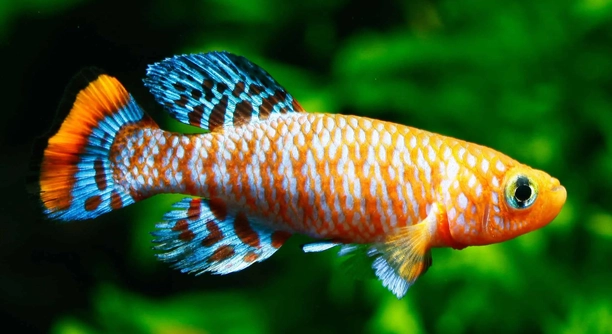
When a killifish is ready to spawn, one of the first things you’ll notice is a change in its coloration. Males especially become more vibrant, showing off bold reds, blues, or yellows. This color boost is a natural part of the breeding cycle and helps attract the female’s attention. Females may also become slightly more colorful, though usually in a more subtle way. These color changes usually happen quickly and can be more intense during the day. If your killifish suddenly looks brighter and more active, it’s often a strong sign that spawning is close. It’s helpful to keep a close watch during this time, as the colors can come and go based on the fish’s mood, lighting, and environment. Providing a calm and steady routine helps keep them in peak condition, making it easier to catch these visual clues when they appear.
Bright colors usually mean the male is showing off to the female.
This behavior signals that your fish are comfortable in their surroundings and ready to breed. A healthy, stress-free tank plays a big role in helping these colors come through. Keep the water clean and stable, and make sure lighting isn’t too harsh. If you’re trying to breed your killifish, watch how the male reacts around the female. He may begin showing off more than usual, swimming in front of her with flicking motions or positioning himself to be seen clearly. This stage is often brief, so it’s best to act quickly if you plan to collect eggs. Providing a spawning mop or soft substrate gives them a place to lay eggs and makes cleanup easier for you. Noticing these color changes is an early but reliable clue that spawning may happen soon.
Chasing and Quick Movements
The male killifish may start to chase the female around the tank in short, fast bursts.
This is not aggression, but rather a way to keep her attention and lead her toward the spawning site. These bursts of chasing are often quick and repeated, with the male circling or darting toward the female and then pulling away. Sometimes, both fish will display short flicking or vibrating motions during these interactions. While it may look rough, this is a normal part of the process. The male is testing whether the female is ready to spawn and trying to get her in the right spot for laying eggs. If the female is interested, she’ll follow along and stay near the spawning area. If not, she might swim away and hide. Watching how often this chasing happens, and whether the female seems stressed or comfortable, can tell you a lot. If both fish are active but calm, it’s usually a good sign.
Frequent Visits to Spawning Mop
When killifish are ready to spawn, they’ll often return to the spawning mop many times throughout the day. The male may lead the female to it or hover near it, encouraging her to lay eggs.
These visits are not random. The spawning mop gives the fish a soft, safe place to deposit their eggs, mimicking the plants they’d use in the wild. The male may swim through it first, brushing against the threads, and then the female follows. If she’s ready, she’ll stay near the mop, occasionally rubbing against it or positioning herself in the strands. This interaction can last just a few seconds or stretch into repeated visits over several hours. The more often they return, the more likely it is that egg laying is happening. Keeping a close eye during these periods will help you collect eggs at the right time without disturbing the fish.
Sometimes, only one fish will linger near the mop. If it’s the male, he’s usually waiting for the female to come closer. If it’s the female, she may be testing the mop or simply resting. Either way, regular interest in the mop is a solid sign that spawning is on the horizon. If you don’t have a mop in the tank, soft plants can also work well. But a mop makes collecting and checking for eggs much easier. Always rinse your hands before checking the mop to avoid contaminating the water or harming the eggs. Observation during these quiet moments can be just as important as during the more active chasing.
Subtle Shakes and Body Vibrations
Killifish often show brief shaking or vibrating movements when spawning is about to happen. These motions are most common when the fish are close together.
These tiny shakes usually come from the male and are directed at the female when he’s close to her side. It’s a sign that he’s ready and trying to trigger a response. Sometimes, both fish will show these movements at the same time, especially when they’re near a spawning mop. This behavior is short and easy to miss if you aren’t watching closely. It’s different from general swimming or fast darting—it looks more like a soft, steady tremble that lasts for a few seconds. These motions may be repeated a few times throughout the day and often increase as spawning gets closer. If you see this along with other signs like chasing and mop visits, it’s likely that egg laying will happen soon.
Change in Female’s Belly Shape
A female killifish getting ready to spawn will often look slightly rounder in the belly. This change can be subtle but becomes more noticeable as her body fills with eggs.
The belly will appear fuller but still soft-looking, not swollen or bloated. This roundness usually goes away after egg-laying.
Calm Behavior After Activity
Once the chasing and spawning motions slow down, both fish may rest near each other. This calm behavior often means spawning has already happened.
They might stay near the spawning mop or at the bottom of the tank. It’s a good time to check the mop for eggs gently.
Decreased Interest in Food
Just before and during spawning, killifish may eat less than usual. This doesn’t always happen, but it’s a noticeable shift if your fish normally have strong appetites.
A short dip in feeding is normal and usually corrects itself after spawning is over. Make sure to keep offering food without overfeeding.
FAQ
How often do killifish spawn?
Killifish can spawn quite frequently, depending on the species and tank conditions. Some will spawn daily if kept in the right environment, while others may need a rest period between spawns. Most egg-laying killifish are short-lived and breed regularly to ensure their offspring survive. If the tank is well-maintained with clean water, stable temperature, and a good food supply, you can expect regular spawning activity. Providing a spawning mop or soft plants encourages more consistent egg laying. Removing eggs regularly also helps the fish keep spawning over time without stress or risk of eating their own eggs.
Do I need to separate the parents after spawning?
Yes, it’s a good idea to separate the adults after spawning if you want to protect the eggs. Most killifish will eat their eggs if given the chance, especially in smaller tanks with little cover. Once you notice frequent visits to the spawning mop or signs that eggs have been laid, remove the mop and place it in a separate container with water from the main tank. If possible, move the adults to a different tank as well. This keeps the eggs safe while giving the adults time to rest. It also prevents them from becoming overly stressed or aggressive.
What do killifish eggs look like?
Killifish eggs are small, round, and clear or slightly yellowish. They’re about the size of a pinhead and may stick to the spawning mop or fall into the substrate. If you look closely, you might see a tiny black dot forming inside the egg within a few days. This dot is the developing embryo. Healthy eggs will stay firm and slightly shiny. If they turn white or fuzzy, they may be infertile or developing fungus. You can remove bad eggs with a pipette or gently pick them off with clean fingers or tweezers. Keeping eggs in clean water helps prevent fungus.
How long does it take for the eggs to hatch?
Hatch time depends on the species, water temperature, and storage method. Some annual killifish eggs need to dry out and rest for weeks or months before hatching, while non-annual species may hatch in 10–21 days if kept in water. For most hobbyists breeding non-annual species, keeping the eggs in water around 72–75°F speeds up the process. During this time, avoid sudden temperature or pH changes. Once the fry start to wiggle inside the eggs or you notice movement, hatching usually follows within a few days. Be ready with infusoria or powdered fry food once they emerge.
What should I feed killifish before spawning?
Before spawning, offer a protein-rich diet to get both male and female in strong condition. Live or frozen foods like brine shrimp, daphnia, and bloodworms are ideal. Dry food can work too, but make sure it’s high in quality. Feed small amounts twice a day and remove leftovers to keep the water clean. A well-fed pair is more likely to breed successfully and produce healthy eggs. Good nutrition also reduces stress and improves coloration, which plays a big role in courtship. Avoid overfeeding, especially in small tanks, as it can lead to water problems and poor egg survival.
Can killifish spawn in a community tank?
Yes, but it’s harder to manage. In a community tank, eggs may get eaten quickly by other fish or even snails. Killifish might also be less likely to display natural spawning behavior if they feel stressed or crowded. If you want to breed them successfully, it’s best to move a pair to a separate breeding tank with a spawning mop or fine plants. This setup lets you monitor their behavior more closely and gives the eggs a better chance of surviving. Even if spawning happens in a community tank, collecting and protecting the eggs will be more difficult.
Why aren’t my killifish spawning?
If your killifish aren’t spawning, check their environment first. Water quality, temperature, and light all play a big role. Dirty water or unstable parameters can stop spawning behavior altogether. Make sure the male and female are healthy and well-fed. If the female isn’t full-bodied or the male isn’t showing color, they may need more time to condition. A lack of hiding spots or spawning materials can also cause hesitation. Adding a spawning mop and keeping the tank calm and quiet often helps. Some species are seasonal breeders and may respond better with small temperature or lighting changes.
Final Thoughts
Breeding killifish can be a simple and rewarding experience when you know what to look for. These fish show clear signs when they’re ready to spawn, and learning to spot those signs can help you prepare the tank and care for the eggs. From changes in color and body shape to specific behaviors like chasing and vibrating, each clue tells you the fish are entering their breeding phase. The more time you spend observing them, the easier it becomes to notice these details. Once you understand their habits, it becomes more natural to step in and support the process.
Providing the right setup also plays a big part in successful spawning. Clean water, a stable temperature, and a proper spawning site like a mop or soft plant are all simple things that make a big difference. Keeping the tank quiet and stress-free helps both the male and female feel more secure. Feeding them well before breeding keeps them strong and encourages better egg quality. After spawning, it’s important to remove either the eggs or the adults to prevent them from being eaten. With just a few small changes, you can greatly improve your chances of getting healthy fry.
Watching killifish go through the spawning process can be interesting and relaxing. It helps you connect more with your fish and learn about their natural behavior. Each step—from bright colors to calm resting—offers useful information. Even if you’re new to fishkeeping, breeding killifish doesn’t have to be hard. It just takes patience and a little attention to detail. Over time, you’ll get better at recognizing the early signs and responding in a way that supports the fish and protects the eggs. Whether you want to raise just a few fry or keep a breeding pair long-term, these small moments make the effort worth it.

Hello,
If you enjoy the content that we create, please consider saying a "Thank You!" by leaving a tip.
Every little bit helps us continue crafting quality advice that supports the health, happiness, and well-being of pets around the world, for pets of all shapes, sizes, and species.
We really appreciate the kindness and support that you show us!