
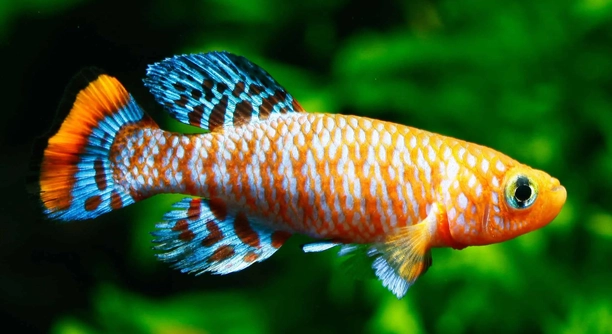
Killifish are popular aquarium fish known for their bright colors and unique behaviors. Many fish owners wonder about their killifish’s social needs and whether these small creatures can feel lonely. Understanding their behavior is important for proper care.
A killifish shows signs of loneliness through decreased activity, loss of appetite, and unusual hiding. These behaviors indicate stress or discomfort, often caused by isolation or improper tank conditions. Recognizing these signs helps maintain their well-being and social balance.
Observing your killifish carefully can reveal important clues about its emotional state and health. This knowledge helps ensure a happier and healthier environment for your fish.
Signs That Your Killifish May Be Lonely
Killifish that are lonely often show clear changes in behavior. They may swim less and spend more time hiding than usual. You might notice they stop eating or eat less, which can lead to health problems. Their colors may also become duller, as stress affects their appearance. Sometimes, a lonely killifish will seem restless, swimming frantically or pacing the tank edges. These signs usually mean the fish needs social interaction or an improved environment. It’s important to check the tank setup, water quality, and whether other compatible fish are present. Proper tank conditions and companionship can help reduce loneliness and keep your killifish active and healthy. Paying attention to these behaviors early can prevent more serious issues.
Lonely killifish often lose interest in their surroundings and become less interactive. This change is an important signal for owners.
Understanding these signs can help you act promptly to improve your killifish’s well-being. Adjusting tank mates, adding hiding spots, or improving water conditions are practical steps. Killifish are naturally social, so providing company can reduce stress and encourage normal behaviors. Sometimes, simply rearranging the tank or offering live food can also stimulate your fish’s activity. Monitoring changes regularly is key. If you notice prolonged lethargy or hiding, consider consulting an aquatic specialist. Early intervention improves the chances of restoring your killifish’s health and happiness. Consistency in care and attention to social needs are essential for their long-term comfort.
How to Help a Lonely Killifish
A simple way to help a lonely killifish is to provide suitable tank mates. Choose species that are peaceful and compatible with killifish to avoid aggression. Social interaction helps reduce stress and stimulates natural behaviors.
Introducing a companion can improve your killifish’s mood and health significantly. It is important to research the species to avoid overcrowding. If adding other fish is not possible, increasing enrichment in the tank is another option. Adding plants, decorations, and places to hide creates a more stimulating environment. This reduces boredom and encourages exploration. Changing the tank layout occasionally can also keep your killifish engaged. Feeding live or frozen foods can boost their activity and interest. Overall, attention to social and environmental needs will help your killifish thrive and prevent loneliness.
Tank Environment and Its Impact on Loneliness
A poorly set up tank can increase a killifish’s feelings of loneliness. Lack of hiding places and enrichment often leads to stress. Killifish need a balanced environment with plants and decorations for comfort.
Proper tank setup includes live plants and structures that mimic their natural habitat. These features provide shelter and reduce stress. A tank with proper lighting and clean water supports their health. Without enough cover, killifish may feel exposed and vulnerable, leading to hiding or lethargy. Adjusting the environment by adding plants, rocks, or driftwood creates a more engaging space. These changes encourage exploration and reduce signs of loneliness by making the fish feel secure. Regular maintenance to keep water quality high is also essential, as poor water can worsen stress and loneliness symptoms.
Tank size matters too. A cramped tank limits movement and social interaction, causing frustration. Ideally, provide enough space for swimming and companionship. Also, keep water parameters stable. Sudden changes in temperature or pH can increase stress. Keeping the environment calm and familiar supports your killifish’s mental health. Overall, a well-maintained and enriched tank helps prevent loneliness and promotes natural behavior.
Observing Social Behavior in Killifish
Killifish show social behavior through interaction and activity levels. Isolated fish tend to become less active and more withdrawn, which signals loneliness.
In social settings, killifish often swim together and display curiosity. They may follow tank mates or respond to movement. Lack of these behaviors can indicate distress. Monitoring how your killifish interacts with others gives insight into its emotional state. Pay attention to changes in activity and appetite, as these are early warning signs. By providing a supportive environment and social opportunities, you can encourage healthy social behavior and prevent isolation. Observing these patterns helps tailor care to each fish’s needs, ensuring a better quality of life.
Introducing New Tank Mates
Adding compatible tank mates can reduce loneliness in killifish. Choose peaceful species that won’t compete aggressively for food or territory.
Avoid overcrowding, as too many fish cause stress and poor water quality. Properly introduced companions encourage natural social behaviors without causing conflict.
Feeding and Interaction
Feeding live or frozen foods stimulates activity and interest in the tank. Interactive feeding encourages your killifish to be more alert and engaged with its environment.
Regular interaction through tank maintenance or gentle movement near the tank helps your killifish stay accustomed to human presence, reducing stress and promoting social behavior.
Monitoring Behavior Changes
Watch for shifts in swimming patterns, appetite, or color. These signs can indicate stress or loneliness needing attention.
Promptly addressing behavior changes prevents long-term health issues and supports your killifish’s well-being.
Consistency in Care
Maintaining a consistent care routine stabilizes your killifish’s environment. Predictability reduces stress and promotes comfort.
Regular feeding, cleaning, and observation build trust and support healthy behavior.
FAQ
How can I tell if my killifish is lonely?
Loneliness in killifish often shows through reduced activity, loss of appetite, and increased hiding. They may swim less and show duller colors. These changes suggest stress, often due to isolation or poor tank conditions. Observing your fish daily helps catch these signs early.
Can killifish live alone, or do they need companions?
Killifish can survive alone, but they usually thrive better with companions. Social interaction reduces stress and encourages natural behaviors. If kept alone, providing an enriched environment with plenty of plants and hiding spots is essential to prevent loneliness.
What are good tank mates for killifish?
Peaceful, non-aggressive species that share similar water requirements make good tank mates. Small tetras, rasboras, or peaceful livebearers often work well. Avoid aggressive or territorial fish that may stress or harm your killifish.
How important is tank size for killifish?
Tank size is very important. A small tank limits swimming space and can increase stress and loneliness. At least 10 gallons is recommended for a single killifish, with more space needed if adding companions. More room supports healthier, more natural behavior.
How does the tank environment affect killifish loneliness?
A tank without enough plants, hiding places, or stimulation can make killifish feel exposed and stressed. Adding decorations, live plants, and structures mimics their natural habitat, providing comfort and reducing loneliness.
What should I feed my killifish to keep it active?
Live or frozen foods like brine shrimp, daphnia, and bloodworms encourage natural hunting behaviors and activity. High-quality pellets can be used but supplementing with live food keeps your killifish stimulated and engaged.
How often should I clean the tank to help my killifish’s wellbeing?
Regular tank maintenance is key. Partial water changes of 20-30% weekly or biweekly keep water quality high and reduce stress. A clean environment supports better health and lowers the risk of loneliness-related behaviors.
Can changes in water parameters cause killifish to seem lonely?
Yes, sudden or extreme changes in temperature, pH, or hardness can stress killifish and lead to hiding or lethargy. Keeping stable water conditions is important to avoid additional stress that may mimic loneliness.
What can I do if my killifish shows signs of loneliness but I cannot add tank mates?
Focus on enriching the environment with plants, decorations, and hiding spots. Increase interaction by gently moving near the tank or offering live food. Rearranging the tank layout occasionally can also stimulate curiosity and reduce boredom.
Is it normal for killifish to hide a lot?
Some hiding is normal, especially during rest or after feeding. However, excessive hiding combined with reduced activity or appetite can indicate stress or loneliness. Evaluating tank conditions and social factors helps address the problem.
How long does it take for killifish to adjust to new tank mates?
Adjustment can take several days to a few weeks. During this time, monitor behavior closely to ensure no aggression occurs. Gradual introductions and adequate space help reduce stress and promote peaceful socialization.
Are there signs that killifish prefer solitude?
Some killifish species are more territorial and may prefer limited companionship. Signs include aggressive chasing or refusal to swim near others. In such cases, providing enough space and hiding places is crucial to prevent conflict.
Can loneliness cause health problems in killifish?
Yes, prolonged loneliness and stress can weaken the immune system, making killifish more susceptible to disease. Maintaining social balance and a healthy environment helps prevent illness linked to emotional stress.
How can I encourage natural social behavior in killifish?
Providing companions, a well-decorated tank, and varied food encourages natural interaction. Observing your killifish’s responses and adjusting conditions supports healthy social behavior and reduces signs of loneliness.
What is the best way to introduce new fish to prevent stress?
Quarantine new fish before introduction to avoid disease. Introduce them slowly using a divider or by floating the new fish’s bag in the tank to acclimate. Watch for signs of aggression and remove fish if necessary.
Can killifish recognize their owners or respond to human interaction?
Killifish can become accustomed to their owners’ presence. They may show increased activity during feeding or when the owner approaches the tank. Regular, gentle interaction helps build familiarity and reduces stress.
What should I do if my killifish stops eating?
Loss of appetite can signal loneliness, illness, or poor water conditions. Check tank parameters, observe for other symptoms, and consider adding live food to stimulate feeding. If appetite does not improve, consult an aquatic specialist.
How can I reduce stress in a lonely killifish?
Improving tank conditions, adding companions, and providing enrichment all reduce stress. Stable water quality and routine care also help your killifish feel secure and less isolated.
Are some killifish species more social than others?
Yes, social tendencies vary by species. Some prefer groups, while others are more solitary or territorial. Research your killifish species to provide the best social environment for its needs.
What role does lighting play in killifish behavior?
Proper lighting mimics natural day and night cycles, supporting healthy activity patterns. Too much or too little light can cause stress or disrupt behavior, which might be mistaken for loneliness. Adjust lighting based on species needs.
Understanding whether a killifish is lonely involves paying attention to its behavior and environment. Changes such as decreased activity, hiding more often, or losing interest in food can be signs that the fish is stressed or feeling isolated. These behaviors are important signals that should not be ignored, as loneliness can impact the overall health and well-being of your killifish. Providing a balanced tank environment with appropriate companions, plants, and hiding places can help reduce these signs and improve the fish’s quality of life.
The tank setup plays a crucial role in the emotional state of killifish. A tank that mimics their natural habitat offers comfort and security, reducing stress and promoting natural behaviors. Keeping the water clean and stable also supports their health and reduces anxiety. In cases where adding other fish is not possible, enrichment through decorations and interactive feeding can help prevent boredom and feelings of loneliness. These small adjustments can have a significant impact on your killifish’s daily activity and social behavior.
Maintaining consistent care is essential for the long-term well-being of your killifish. Regular observation allows you to notice any changes in behavior early, so you can address issues before they worsen. Whether it involves adding tank mates, improving the environment, or adjusting feeding routines, taking timely action supports your fish’s emotional and physical health. Overall, understanding and responding to the social and environmental needs of your killifish helps ensure a healthier, more active, and less stressed pet.

Hello,
If you enjoy the content that we create, please consider saying a "Thank You!" by leaving a tip.
Every little bit helps us continue crafting quality advice that supports the health, happiness, and well-being of pets around the world, for pets of all shapes, sizes, and species.
We really appreciate the kindness and support that you show us!