
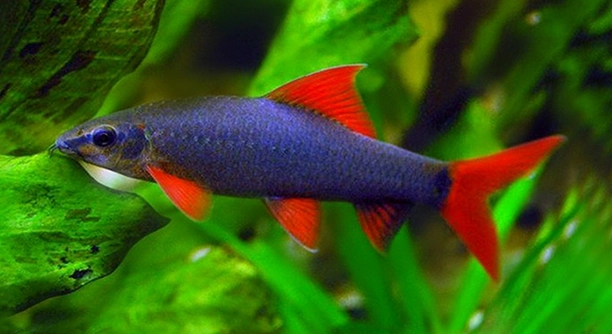
Introducing a Rainbow Shark to your aquarium can be exciting but also requires some preparation. These colorful fish have specific needs that affect their well-being and how they interact with other tank mates. Knowing what to expect helps create a healthy environment.
Rainbow Sharks require a spacious tank with clean, well-oxygenated water and hiding places to thrive. They are semi-aggressive and need compatible companions to avoid stress and fighting, making proper planning essential before introducing them.
Understanding these key points will make your experience with Rainbow Sharks smoother and more enjoyable. Learning about their care can prevent common problems and keep your fish healthy.
Tank Size and Environment
Rainbow Sharks need enough space to swim freely and feel comfortable. A tank of at least 30 gallons is recommended for one Rainbow Shark. They prefer a well-filtered tank with steady water flow and good oxygen levels. Decorations such as rocks, plants, and caves provide hiding spots where they can rest and feel safe. Avoid overcrowding the tank, as it can cause stress and aggression. Maintaining clean water with regular changes is essential because these fish are sensitive to poor water conditions. Monitoring temperature between 72°F and 79°F will keep them healthy.
Keeping these factors in check helps Rainbow Sharks settle well into their new environment.
Setting up a proper tank from the beginning saves time and trouble later. It also supports the fish’s natural behavior, reducing stress and promoting long-term health. Taking the time to create a suitable habitat shows respect for the fish’s needs and helps prevent common health problems.
Behavior and Compatibility
Rainbow Sharks can be semi-aggressive, especially toward similar species or smaller fish. They may chase or nip at tank mates, so choosing companions carefully is important. Ideal tank mates are peaceful but sturdy fish that can hold their own without provoking the Rainbow Shark. Avoid keeping them with very small or slow-moving fish.
To reduce aggression, provide plenty of hiding spaces and keep the tank well-maintained.
Compatibility is about balance. Rainbow Sharks often do well with fish like barbs, danios, and larger tetras. Monitoring their behavior after introduction is important to catch early signs of bullying or stress. If issues arise, separating the fish or adjusting the tank setup can help. Understanding these behavior traits before adding a Rainbow Shark will help maintain harmony in the aquarium.
Feeding and Diet
Rainbow Sharks are omnivores that eat a variety of foods. They enjoy flakes, pellets, and live or frozen foods like bloodworms and brine shrimp. A balanced diet keeps them healthy and colorful.
Feeding should be done once or twice daily in small amounts. Overfeeding can pollute the tank and harm the fish. Include plant-based foods like algae wafers or blanched vegetables to support their digestive health. Variety in their diet helps prevent nutritional deficiencies and boredom.
Make sure to remove uneaten food to keep the water clean. Watching their eating habits can also indicate their health. Healthy Rainbow Sharks are active and eager during feeding times. Feeding well is key to a vibrant and thriving fish.
Health and Common Issues
Rainbow Sharks are generally hardy but can face problems if conditions are poor. Common health issues include fin rot, ich, and swim bladder problems caused by stress, bad water, or poor diet.
Maintaining stable water quality is essential. Regular testing for ammonia, nitrite, and nitrate levels prevents toxic buildup. Keeping the tank clean and performing partial water changes helps reduce disease risk. Quarantine new fish before adding them to the tank to avoid spreading infections.
Stress from overcrowding or aggressive tank mates can weaken their immune system. Observing behavior and appearance regularly helps catch illness early. Prompt treatment with proper medication and improved tank conditions supports recovery and keeps Rainbow Sharks healthy over time.
Tank Maintenance
Regular tank maintenance is crucial for Rainbow Sharks. Perform partial water changes of 20-30% weekly to keep the environment stable and clean.
Cleaning the substrate and removing debris prevents harmful buildup. Use a good filter and check it regularly to ensure proper functioning and water flow.
Lighting Requirements
Rainbow Sharks do not need intense lighting. Moderate lighting that mimics a natural day-night cycle helps reduce stress and supports plant growth in the tank.
Avoid bright lights that can cause the fish to hide or become stressed. Providing shaded areas with decorations creates a comfortable environment.
Breeding Challenges
Breeding Rainbow Sharks in home aquariums is difficult due to their territorial nature and specific breeding requirements. They need separate breeding tanks with controlled conditions and plenty of hiding spots to reduce aggression.
Spawning usually occurs in dim lighting, and the female lays eggs on flat surfaces. The parents often become aggressive, so removing adults after spawning improves fry survival. Success requires careful monitoring and experience.
Choosing the Right Tankmates
Selecting tankmates that can coexist peacefully with Rainbow Sharks is important. Avoid slow or timid fish that might be bullied.
Ideal companions are fast swimmers or larger, peaceful fish that can handle the shark’s temperament.
FAQ
How big do Rainbow Sharks grow?
Rainbow Sharks typically grow to about 6 inches in length. Their size means they need a reasonably large tank to swim comfortably. Keeping them in tanks smaller than 30 gallons can cause stress and limit their movement, which may lead to health issues over time.
Are Rainbow Sharks aggressive?
Yes, Rainbow Sharks show semi-aggressive behavior, especially toward fish that look similar or invade their territory. They can chase or nip other fish but usually won’t harm much larger or very fast tank mates. Providing hiding spots and enough space helps reduce aggressive encounters.
Can Rainbow Sharks live with other fish?
Rainbow Sharks can live with other fish, but choosing the right tank mates is important. Ideal companions are peaceful yet active fish such as barbs, danios, and larger tetras. Avoid small, slow-moving, or long-finned fish, as they may be targets for aggression.
What do Rainbow Sharks eat?
Rainbow Sharks are omnivores. They eat flakes, pellets, and enjoy live or frozen foods like bloodworms or brine shrimp. Including vegetables or algae wafers in their diet helps meet their nutritional needs. Feeding should be done once or twice daily in small portions to prevent water pollution.
How often should I change the water in my Rainbow Shark’s tank?
A weekly partial water change of 20-30% is recommended to maintain water quality. Regular water changes prevent the buildup of harmful chemicals and keep the tank environment stable. Always use a water conditioner to remove chlorine and chloramine from tap water before adding it to the tank.
Why is my Rainbow Shark hiding all the time?
Hiding can be a sign of stress, illness, or poor tank conditions. Check water parameters, tank mates, and feeding habits. Providing plenty of hiding places helps them feel secure, but if hiding persists, it may indicate illness or bullying from other fish.
Can Rainbow Sharks jump out of the tank?
Yes, Rainbow Sharks are known to jump occasionally. Make sure the tank has a tight-fitting lid to prevent escapes. This behavior often occurs if the fish is stressed or the water quality is poor.
How do I know if my Rainbow Shark is healthy?
Healthy Rainbow Sharks are active, have vibrant colors, and respond eagerly during feeding. Watch for clear eyes, intact fins, and smooth scales. Signs of illness include lethargy, faded color, clamped fins, or unusual swimming patterns. Early detection and care are crucial.
Is it possible to breed Rainbow Sharks at home?
Breeding Rainbow Sharks is challenging due to their territorial nature. They need a separate breeding tank with controlled conditions and plenty of hiding spots. After spawning, parents should be removed to protect the eggs and fry. Breeding requires experience and patience.
What is the ideal temperature for a Rainbow Shark tank?
The preferred temperature range is between 72°F and 79°F. Maintaining stable temperatures within this range supports their metabolism and immune system. Sudden changes can cause stress and increase vulnerability to disease. Use a reliable heater and thermometer to monitor the tank temperature.
How large of a tank do I need for multiple Rainbow Sharks?
For more than one Rainbow Shark, a tank of at least 55 gallons is recommended. Larger tanks reduce territorial disputes and allow enough space for each fish to establish its own area. Adding decorations and hiding spots further helps keep peace in a multi-shark tank.
What water conditions do Rainbow Sharks need?
Rainbow Sharks prefer slightly acidic to neutral water with a pH between 6.5 and 7.5. They thrive in clean, well-oxygenated water with moderate hardness. Regular testing and maintenance of these parameters are important to keep them healthy and stress-free.
Can Rainbow Sharks live with bottom-dwelling fish?
They can coexist with some bottom dwellers like Corydoras catfish or Plecos, which occupy different areas of the tank. This separation helps reduce conflict, but it’s important to ensure enough space and hiding places for all species to avoid stress.
What should I do if my Rainbow Shark gets sick?
If illness is suspected, test water quality immediately and improve tank conditions. Quarantine the sick fish if possible, and use appropriate medication based on the symptoms. Prompt action and clean water are key to recovery. Consult a specialist if symptoms persist.
How long do Rainbow Sharks live?
With proper care, Rainbow Sharks can live up to 5 to 7 years. Good water quality, a balanced diet, and a stress-free environment contribute to their longevity. Regular monitoring and maintenance help ensure a long and healthy life for your fish.
Final Thoughts
Taking care of a Rainbow Shark requires some preparation and attention to detail. These fish need enough space, clean water, and a balanced diet to stay healthy and happy. Setting up the right tank environment from the start is important. A tank that is too small or overcrowded can cause stress and lead to health problems. Keeping the water clean with regular changes and good filtration helps prevent illness. Providing hiding spots makes the Rainbow Shark feel safe and reduces aggressive behavior. Overall, the right tank setup makes a big difference in how well your Rainbow Shark will do.
Feeding your Rainbow Shark properly is another key part of their care. They need a mix of foods, including flakes, pellets, and live or frozen treats like bloodworms. Adding plant-based foods like algae wafers or vegetables helps keep their digestion healthy. It’s best to feed them small amounts once or twice a day and avoid overfeeding. Removing leftover food prevents water quality problems and keeps the tank clean. Watching how your fish eat and behave during feeding times can also help you notice any early signs of illness or stress.
Rainbow Sharks can live peacefully with the right tank mates, but their semi-aggressive nature means you need to choose companions carefully. Avoid small, slow, or long-finned fish that might be bullied. Instead, select fish that are active and can handle the Rainbow Shark’s temperament. Keeping an eye on their behavior will help you catch any signs of fighting or stress early. With proper care, good tank conditions, and careful planning, Rainbow Sharks can be a colorful and interesting addition to your aquarium for many years.

Hello,
If you enjoy the content that we create, please consider saying a "Thank You!" by leaving a tip.
Every little bit helps us continue crafting quality advice that supports the health, happiness, and well-being of pets around the world, for pets of all shapes, sizes, and species.
We really appreciate the kindness and support that you show us!