
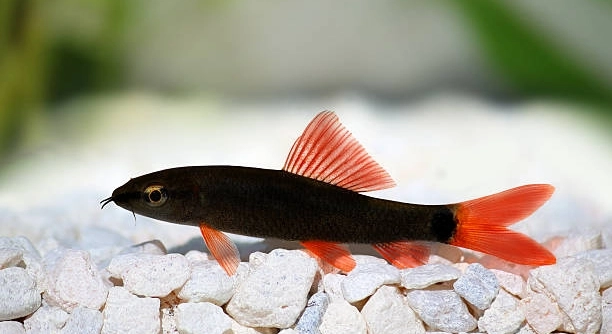
Do you ever find yourself worrying that your rainbow shark might be feeling a little too alone in its tank? These vibrant fish can add a unique flair to your aquarium, but their social needs are often misunderstood.
Rainbow sharks are territorial by nature and typically prefer solitude, but they can still suffer from stress if their environment lacks stimulation or proper structure. Ensuring the right tank setup is essential for their well-being.
Creating a peaceful environment for your rainbow shark can be simple once you understand what makes them feel safe and secure in their space.
Choose the Right Tank Size
A rainbow shark needs plenty of space to feel secure. A small tank can lead to stress and aggression, especially if the fish feels crowded. A minimum of 55 gallons is best, even for a single shark. This gives it enough room to swim and claim its territory without feeling threatened. The extra space also helps prevent boredom. Larger tanks allow you to add hiding spots, plants, and decorations that can stimulate your shark and keep it engaged. Crowded tanks increase territorial behavior, which can cause unnecessary tension. Always prioritize swimming space over excessive tankmates or decorations.
A tank that’s too small can make your rainbow shark feel constantly on edge. When it has enough room, it becomes more active, displays natural behavior, and tends to be calmer.
A rainbow shark can become territorial, even when alone. But when it has space to move freely, it can burn energy, explore its surroundings, and feel more secure. Giving it space is one of the easiest ways to reduce loneliness. A larger tank doesn’t just improve behavior—it also opens up options for future additions like peaceful bottom-dwellers or tankmates that won’t invade the shark’s space. Space provides freedom, and freedom helps lower stress.
Add Hiding Spots and Plants
Hiding spots offer a sense of security and reduce anxiety. When a rainbow shark feels hidden, it is less likely to act out.
Use caves, rocks, and driftwood to break up the tank visually. This creates sections where the shark can retreat when it feels overwhelmed. Live or artificial plants are also useful, especially tall ones like java fern or anubias that add vertical cover. A well-decorated tank helps your fish feel less exposed, which can reduce pacing and aggression. The rainbow shark will choose its preferred hideaway and return to it regularly. These areas mimic the fish’s natural habitat, making it feel safer and more relaxed. When the shark feels comfortable, it is more likely to explore peacefully and interact with its surroundings. Try placing plants and décor in a way that blocks direct sightlines, which helps minimize territorial stress. With more hiding options, your fish won’t feel as isolated, even if it’s alone in the tank.
Keep Tankmates Peaceful and Minimal
Rainbow sharks are territorial and often don’t tolerate overly active or aggressive tankmates. Choose species that stay near the surface or are peaceful bottom dwellers. Avoid other sharks or similar-looking fish to reduce stress and aggression.
A few good tankmates include cherry barbs, rainbowfish, or zebra danios. These fish are active but usually stay out of the shark’s way. Bottom dwellers like kuhli loaches or corydoras can also work if the tank is large enough. Avoid housing them with red-tailed sharks, bala sharks, or aggressive cichlids. Too many fish in the tank can lead to stress, even if they are peaceful. It’s best to keep the tank calm and not too crowded. Introduce tankmates slowly and monitor the shark’s behavior. If your rainbow shark becomes more aggressive or territorial, consider removing the new fish before it becomes a bigger issue.
Adding tankmates is not always necessary. A rainbow shark can live alone and still thrive if its environment is properly enriched. However, if you want to add company, the tank should be at least 75 gallons with plenty of hiding spots and visual barriers. Introduce only one or two peaceful species at a time. Watch for signs of stress such as hiding, chasing, or refusal to eat. Each fish is different—some rainbow sharks do better alone. It’s important to observe and adjust based on your shark’s reactions. A peaceful tank helps your rainbow shark stay active without feeling threatened or lonely.
Maintain a Regular Feeding Routine
Feeding your rainbow shark on a regular schedule gives it structure and reduces anxiety. Try feeding at the same time each day, with balanced portions. Overfeeding can create waste and health issues.
Rainbow sharks are omnivores and need a mix of plant and protein-based foods. A balanced diet may include algae wafers, bloodworms, brine shrimp, and quality sinking pellets. Feed small portions once or twice daily, depending on your shark’s activity level. Uneaten food should be removed after a few minutes to keep the water clean. Avoid feeding only one type of food, as this can cause nutritional gaps. A variety keeps the fish interested and better nourished. A consistent feeding schedule helps your rainbow shark know what to expect, which can lower stress and help it feel more secure in its environment. Healthy fish are more active and respond better to interaction and stimulation.
Keep the Tank Clean and Stable
A clean tank helps reduce stress and supports healthy behavior. Poor water quality can lead to illness and low activity. Change 20–30% of the water weekly and test for ammonia, nitrites, and nitrates regularly.
Avoid sudden changes in temperature or pH. Keep the water temperature between 75°F and 80°F. Use a filter strong enough for the tank size, but not so powerful it creates harsh currents.
Offer Enrichment Through Movement
Add gentle currents with an air stone or water pump to create more movement in the tank. This encourages your rainbow shark to swim more and stay active. Swimming against light currents gives the shark something to do and reduces boredom. Moving decorations, like plants that sway, also help stimulate natural behavior. Rearranging tank items occasionally can create new paths and hiding spots for your shark to explore. Even small changes in the layout can provide enrichment and keep it from feeling too lonely in the same setup. Active environments make a big difference in your fish’s mood.
Limit Sudden Noise and Disruption
Rainbow sharks are sensitive to vibrations and loud sounds. Try to keep the tank away from TVs, speakers, or high-traffic areas. Quiet surroundings help them stay calm and comfortable.
FAQ
How do I know if my rainbow shark is lonely?
Loneliness in rainbow sharks often shows through unusual behaviors like constant hiding, pacing the tank, or excessive aggression. Some sharks become very shy and stay in one spot for long periods. Others might nip at tankmates or show signs of stress like faded colors or loss of appetite. Observing your fish daily helps catch these signs early. If your rainbow shark seems inactive or overly aggressive, it might be feeling stressed or bored. These behaviors can also be linked to poor water quality or tank conditions, so ruling those out first is important.
Can rainbow sharks live with other fish?
Yes, but tankmates must be chosen carefully. Rainbow sharks are territorial and can become aggressive, especially toward similar-looking fish. Peaceful species that occupy different levels of the tank, like schooling fish near the surface or small bottom dwellers, are usually better options. Avoid other sharks or fish with bright red fins, which can trigger aggression. It’s important to have plenty of hiding spaces and visual barriers to reduce conflicts. Sometimes, even with good tankmates, a rainbow shark prefers to be alone, so watch its behavior closely and adjust as needed.
How big should my tank be for a rainbow shark?
A minimum tank size of 55 gallons is recommended for a single rainbow shark. They are active swimmers and need room to establish territory and explore. Larger tanks help reduce stress by providing space and enough hiding spots. Crowded or small tanks often lead to aggressive behavior and poor health. When housing more than one shark or adding tankmates, increase tank size accordingly. A spacious tank improves water quality and gives your fish a more natural environment, which supports better overall well-being.
What is the best diet for a rainbow shark?
Rainbow sharks are omnivores, meaning they eat both plant and animal matter. Their diet should include algae wafers, sinking pellets, and occasional protein treats like bloodworms or brine shrimp. Including some fresh vegetables like zucchini or cucumber slices can provide extra nutrition. Feeding small amounts once or twice daily is best. Avoid overfeeding, which can pollute the tank and harm your fish. Variety in diet keeps your shark healthy and interested in food. A balanced diet supports vibrant colors and good energy levels.
How often should I clean the tank?
Perform water changes of about 20-30% weekly to maintain good water quality. Regularly test water parameters such as ammonia, nitrites, and nitrates to ensure they are within safe limits. Clean filters as needed but avoid removing all beneficial bacteria at once. Remove uneaten food and waste during water changes to keep the tank clean. A clean environment reduces stress and disease risk for your rainbow shark. Consistency in cleaning habits helps your fish feel secure and thrive.
Can a rainbow shark live alone?
Yes, rainbow sharks can live alone and often do well this way. Because of their territorial nature, some prefer solitude. If the tank is well-maintained and enriched with hiding spots and enough swimming space, a single rainbow shark can be happy. Adding tankmates isn’t always necessary unless the tank is large and designed to accommodate multiple species peacefully. Observing your fish’s behavior will help decide if companionship is beneficial or causes stress.
What kind of plants work best with rainbow sharks?
Hardy plants like java fern, anubias, and amazon sword are good choices. These plants tolerate a wide range of conditions and can withstand a fish that likes to swim near or hide around them. Tall plants create vertical cover, while broad-leaf varieties offer hiding spots. Avoid delicate or soft-leaf plants that may get damaged easily. Plants improve water quality and provide stimulation, making the tank more comfortable for your rainbow shark.
How can I reduce aggression in my rainbow shark?
Providing plenty of space and hiding places reduces territorial fights. Avoid keeping multiple rainbow sharks or similar-looking fish together unless the tank is very large. Choose calm, peaceful tankmates that don’t compete for the same territory. Maintaining stable water conditions and a proper feeding schedule also lowers stress, which helps reduce aggression. Rearranging tank décor occasionally can break up established territories and prevent fights. Monitoring behavior regularly allows you to catch issues before they escalate.
What temperature is best for a rainbow shark?
Keep the water temperature between 75°F and 80°F. Consistent temperature helps maintain metabolism and reduces stress. Sudden changes can cause illness or aggressive behavior. Use a reliable heater and thermometer to monitor and adjust temperature as needed. Stable water conditions are crucial for the health and happiness of your rainbow shark.
Why does my rainbow shark hide so much?
Hiding is natural for rainbow sharks, especially during the day or when they feel threatened. Excessive hiding, however, can indicate stress, poor water quality, or illness. It may also mean the fish is uncomfortable with tankmates or lacks sufficient hiding places. Improving tank conditions, adding plants or caves, and checking water quality often reduce excessive hiding. If hiding continues, consider health problems and consult a specialist if needed.
Taking care of a rainbow shark involves understanding its unique needs and behaviors. These fish are territorial and prefer having space and places to hide. Making sure your tank is large enough and has plenty of decorations helps your rainbow shark feel safe. When it has a comfortable environment, it is less likely to become stressed or lonely. Stress can lead to health problems and aggressive behavior, so creating a peaceful space is very important for your fish’s well-being.
Choosing the right tankmates is also key to keeping your rainbow shark happy. Peaceful fish that don’t compete for the same space work best. It’s important to avoid overcrowding and aggressive species that may cause tension. Even though rainbow sharks can live alone, some enjoy the company of calm fish. Watching how your rainbow shark interacts with others helps you understand what it prefers. Feeding your fish on a regular schedule with a balanced diet adds to its overall health and activity. A well-fed and well-cared-for rainbow shark is less likely to feel lonely or bored.
Lastly, keeping the tank clean and maintaining stable water conditions supports your rainbow shark’s happiness. Regular water changes and testing keep harmful chemicals at safe levels. Consistent temperature and proper filtration make a big difference in reducing stress. Small changes in tank décor or adding gentle water movement can also stimulate your fish and prevent boredom. Paying attention to your rainbow shark’s behavior allows you to spot problems early. With proper care, your rainbow shark can live a long, healthy life, and you can enjoy watching its colorful and active personality every day.

Hello,
If you enjoy the content that we create, please consider saying a "Thank You!" by leaving a tip.
Every little bit helps us continue crafting quality advice that supports the health, happiness, and well-being of pets around the world, for pets of all shapes, sizes, and species.
We really appreciate the kindness and support that you show us!