
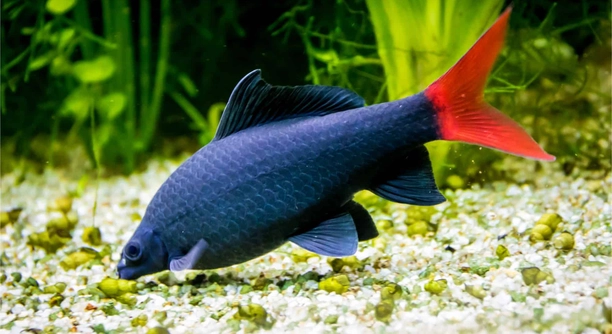
Creating a comfortable environment for your rainbow shark is essential for its well-being and vibrant colors. Many fish owners want to ensure their aquarium mimics natural conditions to keep their rainbow shark healthy and active. This guide focuses on setting up the ideal habitat for these striking freshwater fish.
To create the perfect habitat for your rainbow shark, maintain a tank size of at least 30 gallons with clean, well-filtered water. Provide hiding spots and moderate lighting, and keep the water temperature between 75-80°F to simulate their natural environment.
Proper care and the right setup will help your rainbow shark thrive and display its best colors over time. The following sections will offer detailed steps to support your fish’s health and happiness.
Tank Size and Setup
A tank of at least 30 gallons is necessary for a rainbow shark to swim comfortably and grow properly. These fish are active swimmers and need plenty of space. The tank should be long rather than tall to allow horizontal movement. Use a substrate of fine gravel or sand, as rainbow sharks like to explore the bottom. Adding rocks, driftwood, and live plants will create hiding spots and reduce stress. Be sure to leave open swimming areas for exercise. Proper filtration is important to keep the water clean and oxygenated. Avoid strong currents, as rainbow sharks prefer gentle water flow. Regular water changes of 25% weekly help maintain water quality. Lighting should be moderate to support plant growth without stressing the fish. The tank’s environment should mimic a natural freshwater river habitat for the best results.
Maintaining these conditions supports your fish’s physical and mental health over time.
A well-set tank reduces aggressive behavior and encourages natural activity. Consistent water parameters and hiding places keep your rainbow shark calm and vibrant. The right setup helps prevent diseases linked to stress and poor water quality.
Water Conditions and Temperature
Water quality is crucial for your rainbow shark’s survival. They thrive in clean water with a pH between 6.5 and 7.5, which is slightly acidic to neutral. The temperature should stay steady between 75°F and 80°F. Sudden changes in temperature or chemistry can cause stress and illness. Use a reliable heater and thermometer to monitor the tank. Ammonia, nitrite, and nitrate levels need to be tested regularly and kept as close to zero as possible. Efficient filtration and frequent water changes control these toxins. Avoid overcrowding the tank, as it leads to poor water quality and aggressive behavior. Proper aeration is also important because rainbow sharks need oxygen-rich water. Keeping these conditions stable ensures your fish stays healthy and active.
Regular monitoring and maintenance of water parameters prevent common health issues in rainbow sharks. Adjusting the water to meet these standards protects them from infections and promotes their natural behavior. Clean, well-oxygenated water supports their immune system and longevity.
Feeding Your Rainbow Shark
Rainbow sharks eat a variety of foods, including pellets, flakes, and live or frozen treats. Providing a balanced diet ensures good health and vibrant colors.
Feeding should happen once or twice daily, offering only what they can consume in a few minutes. Overfeeding can pollute the water and harm the fish. Include protein-rich foods like bloodworms or brine shrimp occasionally. Vegetables such as zucchini or spinach can also be offered to supplement their diet. Variety helps meet nutritional needs and prevents boredom. Monitoring their eating habits will help you adjust portions as needed.
Avoid feeding exclusively on flakes or pellets, as this may cause deficiencies. Using different food types promotes strong growth and bright coloration. Fresh or frozen treats support their natural carnivorous diet. Remember, a balanced diet supports your rainbow shark’s overall well-being and activity level.
Tank Mates and Behavior
Rainbow sharks can be territorial, especially in smaller tanks. Choose tank mates carefully to prevent conflicts.
Ideal tank mates are peaceful fish that prefer different swimming levels, like tetras or danios. Avoid slow-moving or long-finned fish that might be bullied. Providing ample hiding spots reduces aggression and helps fish establish territories. Monitor interactions and separate fish if fights occur. Keep the tank size appropriate for the number of inhabitants to minimize stress. Social species that swim actively help balance tank dynamics. Understanding your rainbow shark’s behavior allows better community tank management. Proper planning prevents injuries and creates a peaceful environment.
Lighting and Decor
Moderate lighting suits rainbow sharks well. Too bright can stress them, while too dim limits plant growth. Use natural or LED lights with a timer for consistent day-night cycles.
Decorate with smooth rocks, driftwood, and live plants. These provide hiding spots and break up open spaces, making the tank feel secure for your fish.
Tank Maintenance
Regular cleaning keeps the environment healthy. Change 25% of the water weekly to remove waste and toxins. Use a gravel vacuum to clean the substrate without disturbing beneficial bacteria.
Common Health Issues
Rainbow sharks may suffer from fin rot, ich, or stress-related illnesses. Keep water clean and stable to reduce risks. Quarantine new fish before adding them to the tank.
Behavior Observation
Watch your fish daily for changes in activity or appearance. Early detection of problems makes treatment easier and prevents serious illness.
FAQ
How often should I feed my rainbow shark?
Feeding your rainbow shark once or twice a day is enough. Give only as much food as it can eat within three to five minutes. Overfeeding leads to poor water quality and health issues. Include a mix of pellets, flakes, and occasional live or frozen foods for variety.
Can rainbow sharks live with other fish?
Yes, but choose tank mates carefully. Rainbow sharks can be territorial, especially in smaller tanks. Peaceful, fast-swimming fish like tetras, danios, or barbs make good companions. Avoid slow or long-finned fish, as they may be harassed.
What water temperature is best for rainbow sharks?
Keep the water temperature steady between 75°F and 80°F. Sudden fluctuations can stress the fish and cause illness. Use a reliable heater and thermometer to maintain a consistent temperature.
How big should my tank be?
A minimum of 30 gallons is recommended. Rainbow sharks are active swimmers and need space to move freely. A longer tank is better than a tall one because they prefer horizontal swimming space.
What kind of substrate should I use?
Fine gravel or sand works best. Rainbow sharks like to explore the bottom of the tank, so a smooth substrate prevents injury. Avoid sharp or rough materials that could damage their fins or body.
Do rainbow sharks need hiding places?
Yes, hiding spots are important to reduce stress and aggression. Use rocks, driftwood, and live plants to create shelters. These also help break up the tank visually and allow your fish to feel secure.
How do I keep the water clean?
Regular water changes, about 25% weekly, help keep the water clean and safe. Use a good filtration system to remove waste and toxins. Test water regularly for ammonia, nitrites, and nitrates, and keep levels as low as possible.
Why is my rainbow shark hiding a lot?
Hiding can be normal, especially if the fish is new or stressed. It may also mean poor water conditions or illness. Check water quality and tank setup, and ensure the fish isn’t being bullied by tank mates.
What signs indicate my rainbow shark is sick?
Look for faded colors, clamped fins, erratic swimming, or loss of appetite. White spots or torn fins also suggest illness. Early treatment is important, so monitor your fish closely and act quickly if symptoms appear.
Can rainbow sharks live with plants?
Yes, many live plants work well in their tank. Plants provide shelter and improve water quality. Choose sturdy species like Java fern or Anubias, which are less likely to be uprooted by the fish.
How long do rainbow sharks live?
With proper care, rainbow sharks can live 5 to 8 years or more. Good water quality, a balanced diet, and a stress-free environment contribute to their lifespan.
Should I keep only one rainbow shark per tank?
Generally, yes. Rainbow sharks are territorial and may fight if kept together in small tanks. If your tank is very large, multiple rainbow sharks can sometimes coexist with plenty of hiding places and space.
What should I do if my rainbow shark is aggressive?
Check tank size and setup first. Increasing hiding spots and rearranging decorations can reduce aggression. Avoid overcrowding and keep compatible tank mates. If aggression continues, separating the fish may be necessary.
Is it necessary to quarantine new fish?
Yes, quarantining new fish helps prevent disease outbreaks. Keep new arrivals in a separate tank for two to four weeks, monitoring for illness before adding them to the main tank.
Can I breed rainbow sharks at home?
Breeding rainbow sharks is difficult and not common in home aquariums. They need specific conditions and a large tank. Most owners keep them as pets without breeding efforts.
What is the best lighting for a rainbow shark tank?
Moderate lighting supports plant growth without stressing the fish. Too bright lighting can cause stress, while too dim can affect plants. Use a timer for consistent day and night cycles.
This FAQ covers common concerns and helps maintain a healthy habitat for your rainbow shark. Keeping your fish’s needs in mind ensures a long, vibrant life.
Creating the perfect habitat for your rainbow shark requires attention to several important factors. The size of the tank, water quality, and temperature all play crucial roles in keeping your fish healthy. Providing enough space allows your rainbow shark to swim freely and behave naturally. Maintaining stable water conditions helps prevent stress and disease. It is important to monitor water parameters regularly and perform routine cleaning to keep the environment safe. Simple steps like using a reliable heater, good filtration, and regular water changes make a big difference in the fish’s overall well-being.
Feeding is another key part of caring for rainbow sharks. A balanced diet that includes pellets, flakes, and occasional live or frozen foods supports their growth and coloration. Overfeeding can cause water problems, so offering only what they can eat within a few minutes is best. Setting up hiding spots with decorations and plants provides your rainbow shark with a sense of security and helps reduce aggressive behavior. Choosing compatible tank mates also creates a peaceful environment, which is important since these fish can be territorial.
By following these guidelines, your rainbow shark will be more likely to thrive and show its natural beauty. The combination of proper tank setup, water maintenance, diet, and compatible companions creates a healthy habitat. Observing your fish regularly allows you to spot any changes in behavior or health early on. This careful attention helps ensure your rainbow shark lives a long and active life. Taking time to provide the right conditions shows how much you care and makes the experience rewarding.

Hello,
If you enjoy the content that we create, please consider saying a "Thank You!" by leaving a tip.
Every little bit helps us continue crafting quality advice that supports the health, happiness, and well-being of pets around the world, for pets of all shapes, sizes, and species.
We really appreciate the kindness and support that you show us!