
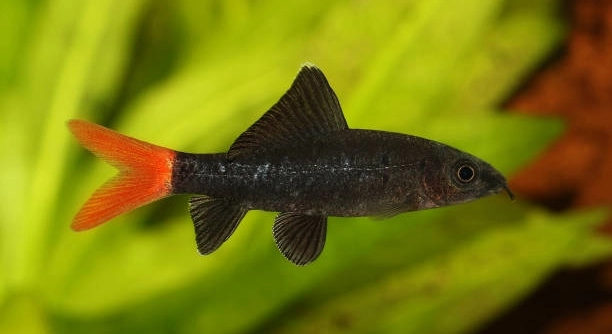
Is your rainbow shark looking a little sluggish or more stressed than usual, even though its tank conditions seem just fine?
The most effective way to boost your rainbow shark’s immune system is by maintaining stable water quality, providing a varied and nutrient-rich diet, and minimizing environmental stress. These three elements significantly influence the fish’s long-term health.
Understanding these immune-boosting methods can help your rainbow shark stay active, healthy, and better equipped to fight off illness in its freshwater home.
Keep the Water Clean and Stable
Maintaining clean and stable water is one of the most important steps you can take for your rainbow shark’s immune health. Use a reliable filter, perform weekly partial water changes, and regularly check for ammonia, nitrite, and nitrate levels. Sudden shifts in water parameters can stress your fish, making it more prone to infections. Stick to a consistent maintenance schedule to avoid fluctuations. A heater is also essential for keeping the temperature steady, especially in cooler climates. Rainbow sharks prefer temperatures between 75°F and 80°F, and even a slight drop can weaken their immune response. Avoid overcrowding the tank, as it leads to more waste, which affects water quality. A properly cycled tank and stable environment will reduce stress and help your rainbow shark stay healthy and active.
Good water conditions reduce stress and protect against infections, giving your fish a stronger defense against bacteria, parasites, and fungi.
Test the water weekly, remove uneaten food, and vacuum the gravel to stop waste from building up. Your fish depends on a clean and balanced environment to stay healthy and thrive. Stability is key, so keep everything as consistent as possible, from water changes to feeding times and temperature. Small efforts lead to better health.
Provide a Balanced and Varied Diet
Feeding your rainbow shark high-quality food helps support its immune system and energy levels.
A varied diet is essential to avoid nutritional gaps that could lead to a weak immune system. Rainbow sharks are omnivores and do best when fed a mix of protein-rich and plant-based options. You can offer sinking pellets, algae wafers, and frozen or live foods like bloodworms or brine shrimp a few times a week. Supplement with blanched vegetables such as zucchini, spinach, or cucumber slices to support gut health. Avoid overfeeding, as uneaten food can rot and affect water quality, which impacts immune strength. Feeding small amounts once or twice a day is better than giving one large meal. If your fish shows signs of stress or decreased appetite, double-check your feeding routine and consider rotating food types. A healthy digestive system improves nutrient absorption, which directly supports immune response. Choose trusted brands that list whole ingredients and avoid those filled with fillers or byproducts.
Reduce Tank Stressors
Avoiding stress is key to keeping your rainbow shark’s immune system strong. Too much noise, tank overcrowding, or incompatible tank mates can lead to constant tension, making your fish more likely to get sick or stop eating altogether.
Rainbow sharks are territorial and need space to feel secure. Avoid keeping them with other bottom dwellers or aggressive fish. A tank size of at least 55 gallons helps give them enough room to claim a territory. Add hiding spots using caves, driftwood, or plants to help your fish feel safe. Limit sudden changes in lighting or loud movements around the tank, which can startle them. Handle routine tasks like water changes slowly to avoid spooking your fish. Stress causes a drop in immune function, so keeping the environment calm is essential for long-term health and disease prevention.
Pay attention to their behavior, especially when introducing new fish or making tank changes. If your rainbow shark hides more, loses color, or stops eating, it might be stressed. Separate aggressive tank mates and ensure there are no sharp decorations that could injure them. A peaceful, consistent setup helps them feel secure and boosts their ability to fight off infections. Consistency always makes a difference with sensitive fish like these.
Add Immune-Boosting Supplements
Supplements like garlic extract, probiotics, or vitamin-enriched foods can support your rainbow shark’s immune response. These extras help improve digestion and protect against bacteria, especially during stressful periods or after changes to the tank.
Garlic extract added to food can encourage appetite and boost immunity. It’s especially useful if your fish has been under stress or recently introduced to a new environment. Probiotic-rich products improve gut health, which supports nutrient absorption. You can also find commercial foods fortified with vitamins C and E, which help with overall immunity. Use supplements as part of a rotation rather than a daily routine to avoid overuse. Always follow dosing instructions carefully, especially with liquid additives. Look for brands made specifically for aquarium use, as human supplements may contain ingredients that are unsafe for fish. When used properly, these additions can give your rainbow shark an extra layer of protection against illness.
Quarantine New Tank Additions
Quarantining new fish or plants before adding them to your main tank helps prevent the spread of disease. A separate quarantine tank allows you to observe for signs of illness and treat any problems without risking your rainbow shark’s health.
Keep new fish isolated for at least two weeks. Watch for signs like white spots, fin damage, or unusual behavior. Even healthy-looking fish can carry parasites or bacteria. Use this time to treat for potential infections if needed. This step is simple but highly effective in keeping your tank safe.
Maintain Proper Oxygen Levels
Low oxygen levels can weaken your rainbow shark’s immune system. Make sure there’s good water circulation in the tank and enough surface movement to allow for gas exchange. You can add an air stone or adjust the filter outflow to keep oxygen levels steady, especially in warmer water or stocked tanks.
Monitor for Early Signs of Illness
Catching health issues early helps prevent larger problems. Watch for changes in color, behavior, or appetite. If your rainbow shark starts hiding more, breathing heavily, or swimming oddly, it could mean something’s wrong. Isolating a sick fish early gives you more control over treatment and recovery.
FAQ
How can I tell if my rainbow shark is sick?
Look for signs like faded color, torn fins, loss of appetite, or odd swimming behavior. A sick rainbow shark might hide more than usual, breathe rapidly, or show white spots on its body. Sudden changes in behavior are often the first sign something’s wrong.
What food helps boost a rainbow shark’s immune system?
A mix of high-quality sinking pellets, algae wafers, and protein sources like brine shrimp or bloodworms works well. You can also include vegetables like blanched spinach or zucchini. Vitamin-enriched foods and those containing garlic or probiotics can support immunity and digestion.
Can stress really make my rainbow shark sick?
Yes, stress lowers the immune system, making your fish more vulnerable to illness. Stress can come from poor water quality, overcrowding, aggressive tank mates, or sudden changes in temperature. Reducing stress helps your rainbow shark stay healthy and fight off disease more effectively.
Is it okay to treat the whole tank if one fish gets sick?
If only one fish shows symptoms, it’s best to isolate it and treat in a separate tank. Treating the main tank can affect the healthy fish and beneficial bacteria. Only treat the main tank if the illness has already spread or if you can’t set up a quarantine.
How often should I change the water?
Change 20–30% of the water weekly. This helps remove waste and keep the water parameters stable. Regular water changes reduce ammonia and nitrate buildup, which protects your rainbow shark’s immune system and prevents stress-related health problems.
What should the water temperature be?
Keep the temperature between 75°F and 80°F. Use a heater and thermometer to maintain it consistently. Sudden drops or fluctuations in temperature can cause stress and weaken your rainbow shark’s immune response, so stability is more important than aiming for a perfect number.
Do rainbow sharks need live plants to stay healthy?
Live plants aren’t required, but they help create a calm, natural environment. Plants can reduce stress, improve water quality, and provide hiding spots. Choose hardy plants like Java fern or Anubias that don’t require strong lighting and won’t be easily uprooted by active fish.
What tank mates are safe for rainbow sharks?
Choose peaceful, mid-to-top-dwelling fish like barbs, danios, or rasboras. Avoid other bottom dwellers, especially those with a similar shape or color. Rainbow sharks can become territorial, so giving them space and the right tank mates helps avoid stress and aggression.
Should I turn off the lights at night?
Yes, give your fish a consistent light and dark cycle. Turn off the lights at night to let your rainbow shark rest. Use a timer if needed. Constant lighting can cause stress and disrupt their natural rhythm, which can weaken the immune system over time.
What size tank is best for a rainbow shark?
A minimum of 55 gallons is recommended. This gives your rainbow shark enough room to establish territory and reduces the chance of aggressive behavior. A larger tank also makes it easier to maintain water quality, which helps support immune health.
Can I use aquarium salt to boost immunity?
Aquarium salt can be used occasionally and in small doses to help with gill function or recovery from illness. However, rainbow sharks don’t need salt in their regular setup. Always research the proper dosage and avoid long-term use unless treating a specific condition.
How do I keep the tank calm during cleaning?
Move slowly and gently during water changes. Avoid loud noises or quick movements. Don’t remove all decorations at once, as it can confuse or stress your fish. Use a gravel vacuum carefully and return items to the same spot when possible.
Is it normal for my rainbow shark to chase other fish?
Some chasing is normal due to their territorial nature, especially if other fish enter their space. If the chasing becomes constant or aggressive, your tank may be too small, or the tank mates may not be compatible. Rearranging decorations can help reset territorial boundaries.
What should I do if my rainbow shark stops eating?
Check the water parameters first. Poor quality can affect appetite. Try offering a different type of food, like frozen bloodworms or garlic-soaked pellets. If the behavior continues, your fish may be stressed or ill and might need to be quarantined for treatment.
Final Thoughts
Taking care of your rainbow shark’s immune system doesn’t require complicated steps. It mostly comes down to consistency. Clean water, a balanced diet, low-stress surroundings, and regular observation can make a big difference. These are simple habits that, when followed regularly, help your fish stay strong and active. The key is to maintain a stable environment and pay attention to any early signs of change. Your rainbow shark will benefit the most when conditions stay predictable and clean, and when its needs are met without sudden shifts in food, lighting, or tankmates.
Feeding a mix of quality foods is important too. Your rainbow shark needs both protein and plant matter to meet its nutritional needs. Skipping variety or using low-quality options can weaken the immune system over time. It’s also helpful to add supplements occasionally, especially when your fish is stressed or recovering from illness. Products like garlic extract, probiotics, and vitamin-rich foods can support gut health and help prevent disease. Just be sure to use aquarium-safe options and follow the directions closely. While these products aren’t required every day, they can be a helpful boost when used correctly.
Preventing illness is easier than treating it. Quarantining new fish, maintaining good oxygen levels, and reducing tank stress all help prevent common health issues. Rainbow sharks are sensitive to changes, so simple actions like avoiding overcrowding or handling tank cleanings with care really do matter. Keep an eye on your fish without overthinking it—daily observation will help you spot anything unusual right away. If you stay consistent and keep the tank in good shape, your rainbow shark will have a better chance of living a healthy and stable life. It doesn’t have to be perfect—just steady, clean, and well-monitored.

Hello,
If you enjoy the content that we create, please consider saying a "Thank You!" by leaving a tip.
Every little bit helps us continue crafting quality advice that supports the health, happiness, and well-being of pets around the world, for pets of all shapes, sizes, and species.
We really appreciate the kindness and support that you show us!