
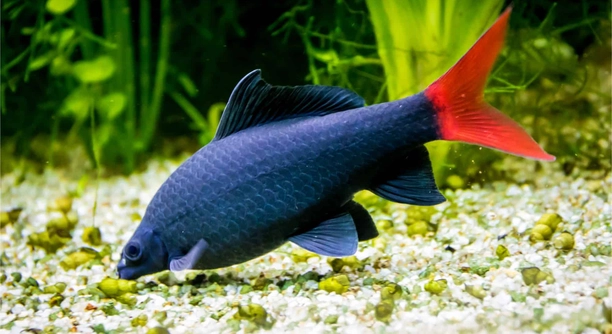
Do you ever wonder about the best kind of tank for your rainbow sharks? These lively fish need the right space to swim and thrive. Knowing whether a long or tall tank suits them better can make a big difference.
Rainbow sharks prefer long tanks over tall ones because they need ample horizontal swimming space. Their natural behavior involves cruising along the bottom and sides, which a longer tank accommodates better than height does.
Understanding the right tank shape will help you create a comfortable home for your rainbow sharks and support their healthy activity.
Why Rainbow Sharks Need Space to Swim Horizontally
Rainbow sharks are active fish that spend most of their time swimming along the bottom and sides of their tanks. Because of this, they need a tank that offers plenty of horizontal room to move freely. A long tank allows them to establish territories and reduces aggression between fish. Tall tanks don’t provide enough space along the bottom, which can make the fish feel cramped and stressed. When rainbow sharks don’t have enough room to swim sideways, they may become more territorial and display aggressive behaviors. Also, their natural habitats in rivers and streams are wide and shallow, so replicating this environment helps keep them comfortable. Providing enough horizontal space supports their natural swimming patterns and contributes to their overall well-being.
A longer tank supports better water flow and surface area, which is also beneficial for rainbow sharks.
The horizontal swimming space is essential because it encourages natural behavior and reduces stress. If the tank is too tall but short in length, the fish may feel trapped. This can lead to less activity and poorer health. So, prioritizing a longer tank shape matches their instincts better than a tall one. This setup creates a more balanced environment where they can thrive physically and mentally.
Tank Size Recommendations for Rainbow Sharks
A minimum tank length of 36 inches is ideal for one rainbow shark.
In tanks shorter than 36 inches, the fish may become stressed due to limited swimming space. If you plan to keep multiple rainbow sharks, a longer tank is even more important to prevent fights and overcrowding. In addition to length, the tank should be at least 12 inches deep to provide some vertical space, but length remains the priority. Consider the number of fish and their size when choosing the tank size. Bigger tanks also help maintain better water quality, which is key to the fish’s health.
A long, moderately deep tank is the best choice for keeping rainbow sharks happy and healthy. It allows them to swim naturally, establish territories, and reduces stress-related issues. If you want a peaceful tank with active, vibrant fish, focusing on tank length will help you achieve that. Tall tanks might look impressive but are not practical for this species. Your rainbow sharks will show more natural behavior and stay healthier when given enough horizontal space.
Tank Shape and Fish Behavior
The shape of the tank affects how rainbow sharks behave and interact. Long tanks provide more room to swim side to side, which they prefer.
When rainbow sharks have enough horizontal space, they are less likely to become aggressive. They use the length of the tank to establish territories without constant conflict. In shorter tanks, the lack of space can lead to increased stress and fighting. A long tank mimics their natural environment better, allowing them to swim naturally and stay active. This promotes healthier fish and a calmer tank atmosphere overall.
A tall tank restricts their swimming patterns, forcing them to stay in a small area near the bottom. This can make them feel trapped and stressed, which affects their behavior negatively. It is better to prioritize length over height for rainbow sharks to thrive.
Water Quality and Tank Size
Proper water quality depends on having enough tank volume, which is easier with a larger, longer tank.
A long tank holds more water, which helps maintain stable conditions. This is important because rainbow sharks are sensitive to changes in water chemistry. Larger tanks dilute waste and toxins better, keeping the environment safer. This reduces stress and disease risk for the fish. Smaller or taller tanks might have less water volume, making it harder to keep water clean and balanced. Choosing a longer tank gives more surface area for oxygen exchange, which benefits all tank inhabitants.
Maintaining good water quality supports the fish’s health and reduces maintenance time. A longer tank is a practical choice for easier care and happier rainbow sharks.
Choosing Tank Decorations
Providing hiding spots and open swimming areas is key for rainbow sharks.
Use smooth rocks, driftwood, and plants to create territories. Avoid overcrowding the tank so fish can swim freely.
Lighting Considerations for Rainbow Sharks
Moderate lighting works best for rainbow sharks. Bright lights may stress them, while dim lighting can make them inactive. Using adjustable or soft lighting helps mimic their natural environment. This balance encourages natural behavior and keeps the fish comfortable throughout the day.
Feeding Habits and Tank Setup
Rainbow sharks are omnivores and need a varied diet to stay healthy.
Feeding sinking pellets, vegetables, and occasional live or frozen food supports their nutrition and activity.
FAQ
Do rainbow sharks need a heater in their tank?
Yes, rainbow sharks are tropical fish and require a stable temperature between 74°F and 80°F (23°C to 27°C). A heater helps maintain this temperature, especially in cooler rooms. Sudden temperature changes can stress them, so using a reliable heater with a thermostat is important.
Can rainbow sharks live in a tall tank if it is big enough?
While a big tank can provide more water volume, rainbow sharks still prefer horizontal swimming space. Tall tanks limit their movement along the bottom and sides, so even if the tank is large, a long shape is better for their behavior and comfort.
How many rainbow sharks can I keep in one tank?
It’s best to keep one rainbow shark per tank unless the tank is very large—at least 55 gallons or more. Rainbow sharks are territorial and can be aggressive toward others of the same species. Extra space helps reduce fighting but does not eliminate territorial behavior.
What tank mates work well with rainbow sharks?
Peaceful fish that occupy different tank levels are good companions. Examples include tetras, danios, and peaceful catfish. Avoid slow-moving or delicate fish, as rainbow sharks can be territorial and chase them. Also, avoid other bottom dwellers that compete for the same space.
How often should I clean the tank for rainbow sharks?
A weekly water change of 20-30% is recommended to keep water quality high. Regular cleaning of filters and removing debris helps reduce toxins. Maintaining clean water prevents stress and disease, which rainbow sharks are prone to if their environment is poor.
Do rainbow sharks need a lot of plants in their tank?
Plants are beneficial but should not overcrowd the tank. Live or artificial plants provide hiding spots and break up territory lines. However, too many plants can reduce swimming space, which rainbow sharks need. Aim for a balanced setup with open areas and some plant cover.
What do rainbow sharks eat, and how often should I feed them?
Rainbow sharks eat a mix of sinking pellets, flakes, and fresh vegetables like zucchini or cucumber. Feeding them once or twice a day in small amounts that they finish quickly is best. Overfeeding can pollute the tank, so moderation is important.
Can rainbow sharks jump out of the tank?
Yes, rainbow sharks are known to jump, especially if stressed or if water conditions are poor. Using a secure lid or cover helps prevent accidents. Ensuring good water quality and proper tank conditions reduces their desire to jump.
Is a long tank more expensive than a tall tank?
Generally, longer tanks can be more expensive due to their size and shape. However, investing in the right tank shape supports the health and happiness of your rainbow sharks. Costs for equipment and maintenance can balance out over time with a well-planned setup.
How do I know if my rainbow shark is stressed?
Signs of stress include hiding constantly, loss of color, erratic swimming, or aggression. Poor water quality, lack of space, or incompatible tank mates often cause stress. Monitoring behavior and maintaining good tank conditions helps keep your fish healthy and happy.
Choosing the right tank for your rainbow sharks is important to their well-being. These fish are active swimmers that need plenty of horizontal space to move around comfortably. A longer tank provides the room they need to swim side to side and explore their environment. This reduces stress and helps prevent aggressive behavior. Tall tanks, even if spacious vertically, don’t match the rainbow shark’s natural swimming habits. When you pick a tank, it’s better to prioritize length over height so your fish can feel at ease and act naturally.
Water quality is another key factor to keep in mind. Longer tanks usually hold more water, which helps maintain stable conditions for your rainbow sharks. More water volume means waste and toxins are diluted better, making it easier to keep the water clean and healthy. Good water quality prevents many common health issues and supports the overall vitality of your fish. Regular water changes and proper filtration also play important roles, but having the right tank size and shape is a great first step toward a healthy aquarium environment.
Finally, remember that tank setup matters beyond just the size and shape. Including decorations like rocks, driftwood, and plants can create hiding spots and help reduce stress. However, it’s important not to overcrowd the tank because rainbow sharks need open swimming areas. Balanced lighting and a proper feeding routine also contribute to their happiness and health. By paying attention to these details, you provide a home where your rainbow sharks can thrive, showing off their bright colors and lively personalities. Taking the time to create the right environment benefits both you and your fish in the long run.

Hello,
If you enjoy the content that we create, please consider saying a "Thank You!" by leaving a tip.
Every little bit helps us continue crafting quality advice that supports the health, happiness, and well-being of pets around the world, for pets of all shapes, sizes, and species.
We really appreciate the kindness and support that you show us!