
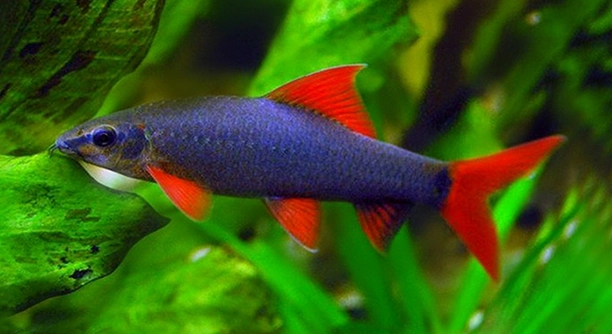
Rainbow sharks are popular aquarium fish known for their vibrant colors and active behavior. They require specific care to stay healthy and happy in home tanks. Providing the right environment helps them thrive and show their best colors.
To help your rainbow shark thrive, maintain clean water with proper filtration, ensure adequate tank size, provide a balanced diet, offer hiding places, keep compatible tank mates, monitor water temperature, and avoid overcrowding. These factors support their well-being and longevity.
Following these basic care guidelines will improve your rainbow shark’s quality of life. Understanding their needs ensures a healthier, more vibrant fish that fits well in your aquatic setup.
Maintaining Clean Water and Proper Filtration
Keeping your rainbow shark’s water clean is essential for its health. Regular water changes remove waste and prevent harmful toxins from building up. A good filtration system helps maintain water quality by filtering out debris and harmful substances. Testing water parameters such as ammonia, nitrite, nitrate, and pH regularly ensures the environment stays safe. Consistent monitoring can prevent stress and diseases, which often arise from poor water conditions. Proper filtration also helps oxygenate the water, which your rainbow shark needs to stay active. Avoid overfeeding, as leftover food can quickly degrade water quality. Clean the filter as recommended but never all at once, so beneficial bacteria remain. Following these steps will keep the tank healthy and create a stable home for your rainbow shark.
Clean water reduces stress and disease risks for your rainbow shark, promoting a longer, healthier life.
Regular water maintenance and proper filtration are the foundation of a thriving rainbow shark aquarium. Paying attention to water changes and keeping the filter in good condition can prevent common problems. Testing water regularly allows early detection of issues and timely action. By creating a clean, stable environment, your rainbow shark will display its vibrant colors and behave naturally. The effort in maintaining water quality directly reflects in your fish’s health and activity level. A well-filtered tank with balanced water chemistry is key to preventing illnesses and promoting growth.
Providing Adequate Tank Size and Environment
A tank of at least 30 gallons is recommended for a single rainbow shark to have enough space for swimming. Crowded tanks increase stress and aggression, harming your fish’s well-being. Adding hiding spots with decorations or plants helps them feel secure.
An appropriate tank size allows rainbow sharks to swim freely and reduces territorial disputes. Avoid keeping too many fish in one tank to minimize stress and aggression. Including caves or dense plants offers safe spaces where your rainbow shark can retreat. These hiding places are important for their comfort and mental health, helping reduce aggressive behavior. With enough space and a well-structured environment, your fish will be more relaxed and active.
Proper tank size combined with suitable decorations creates a balanced environment. It supports natural behavior and reduces stress-related problems. This setup not only benefits the rainbow shark but also improves overall tank harmony. Ensuring space for swimming and places to hide meets both physical and psychological needs. It helps prevent conflicts and encourages peaceful cohabitation with other species. Your rainbow shark will be healthier and display more natural, vibrant behavior in a properly sized and well-arranged tank.
Balanced Diet for Rainbow Sharks
Rainbow sharks need a varied diet to stay healthy and colorful. Feeding them high-quality pellets or flakes designed for omnivores is a good base. Supplementing with live or frozen foods adds necessary nutrients and variety.
A proper diet supports their energy and immune system. Rainbow sharks enjoy foods like bloodworms, brine shrimp, and daphnia. Occasional vegetable matter such as blanched spinach or zucchini can provide fiber. Overfeeding should be avoided to prevent water quality issues. Feeding small amounts two to three times daily keeps them healthy without excess waste. A balanced diet not only maintains their bright colors but also helps prevent diseases linked to poor nutrition.
Consistent feeding of nutritious foods contributes to vibrant colors and active behavior. It also helps in building resistance to illnesses. Observing their eating habits allows you to adjust portions and food types if necessary. Variety keeps your rainbow shark interested and ensures they receive all needed nutrients. This care practice directly improves their longevity and quality of life in your tank.
Compatible Tank Mates and Social Behavior
Rainbow sharks can be territorial, so choosing tank mates carefully is important. Avoid aggressive or very small fish that might be bullied. Peaceful, medium-sized fish often coexist well.
Compatibility depends on personality and tank conditions. Fish like barbs, larger tetras, or gouramis may work if the tank is spacious enough. Avoid keeping multiple rainbow sharks in small tanks to reduce fights. Providing plenty of hiding places also eases tension among fish. Observing behavior early can help you separate aggressive individuals. With careful planning, your rainbow shark can live peacefully with other fish, enriching the aquarium environment without conflict.
Monitoring Water Temperature
Rainbow sharks thrive best in water temperatures between 72°F and 79°F. Keeping the temperature stable within this range helps prevent stress and illness. Sudden temperature changes should be avoided as they can weaken their immune system.
Using a reliable aquarium heater and thermometer ensures consistent water temperature. Regularly checking these devices helps maintain a healthy environment. Proper temperature control promotes active swimming and healthy metabolism, key to your rainbow shark’s well-being.
Avoiding Overcrowding
Overcrowding increases stress, aggression, and disease risk among rainbow sharks. Each fish needs enough space to swim and establish territory. Following recommended tank size guidelines is crucial for their health.
Offering Hiding Places
Rainbow sharks benefit from having plenty of hiding spots. Caves, rocks, and plants provide refuge from tank mates and reduce stress. These spaces create a more natural and comfortable environment for them.
Regular Health Checks
Observing your rainbow shark’s behavior and appearance regularly helps detect illness early. Look for signs like faded color, clamped fins, or unusual swimming patterns. Early attention improves chances of successful treatment.
FAQ
How often should I change the water in my rainbow shark’s tank?
Regular water changes are important to keep your rainbow shark healthy. Changing 20-30% of the water every week helps remove waste and toxins that build up. More frequent changes might be needed if the tank is small or heavily stocked. Always use dechlorinated water at the same temperature as the tank to avoid stressing the fish. This routine keeps the water clean and stable, which your rainbow shark needs to thrive.
What type of food is best for rainbow sharks?
Rainbow sharks are omnivores and need a balanced diet. High-quality sinking pellets or flakes made for omnivorous fish are a good base. Supplement their diet with live or frozen foods like bloodworms, brine shrimp, and daphnia. Occasionally offering blanched vegetables such as zucchini or spinach adds fiber. Feeding small portions two to three times a day prevents overfeeding and water pollution. Variety in their diet ensures good nutrition and vibrant colors.
Can rainbow sharks live with other fish?
Yes, but tank mates should be chosen carefully. Rainbow sharks are territorial and can be aggressive, especially in small tanks. Peaceful, medium-sized fish like barbs, larger tetras, or gouramis often coexist well if the tank is large enough. Avoid very small or slow-moving fish that may be bullied. Providing hiding places helps reduce stress and aggression. It’s best not to keep more than one rainbow shark in a tank smaller than 50 gallons to prevent fighting.
What water temperature do rainbow sharks need?
Rainbow sharks prefer water between 72°F and 79°F (22°C to 26°C). Keeping the temperature stable within this range reduces stress and supports their immune system. Sudden temperature fluctuations can lead to illness. Use a reliable heater and thermometer to maintain consistent conditions. Regular monitoring is important to ensure the environment stays comfortable for your fish.
Why is my rainbow shark hiding all the time?
Hiding is natural behavior, especially if your rainbow shark feels stressed or threatened. It may hide more during tank changes, after adding new fish, or if water quality is poor. Providing plenty of caves and plants gives them safe places to retreat. If hiding becomes constant, check water parameters and tank conditions, as poor water quality or illness might be causing discomfort.
How large should the tank be for a rainbow shark?
A single rainbow shark needs at least a 30-gallon tank to have enough swimming space. Larger tanks are better, especially if you keep other fish. Overcrowding increases stress and aggression, so providing enough room for each fish is essential. The tank should be well-decorated with hiding places and open swimming areas.
What signs show that my rainbow shark is sick?
Look for faded or dull colors, clamped fins, erratic swimming, or loss of appetite. White spots or fuzzy patches may indicate infections. Also, watch for swollen bellies or rapid breathing. Early detection and treatment are important. Maintaining good water quality and a balanced diet helps prevent many health problems.
How can I reduce aggression in my rainbow shark?
Avoid overcrowding and provide enough space for each fish. Adding hiding places reduces stress and territorial fights. Choose compatible tank mates and avoid keeping multiple rainbow sharks in small tanks. Monitoring behavior helps identify aggressive individuals early, allowing you to take action before conflicts escalate.
Is it necessary to use a water conditioner?
Yes, tap water often contains chlorine or chloramine that is harmful to fish. Using a water conditioner removes these chemicals and makes the water safe for your rainbow shark. Always treat new water before adding it to the tank to avoid stress or poisoning.
Can rainbow sharks be kept in planted tanks?
Rainbow sharks can live in planted tanks, but they may sometimes uproot plants while searching for food. Using hardy plants or securely anchoring them helps maintain the tank’s look. Plants provide hiding spots and improve water quality, benefiting the fish. Choose plants that tolerate the tank’s lighting and water conditions.
Taking care of a rainbow shark involves meeting several important needs to ensure the fish stays healthy and active. Providing clean water with proper filtration is essential, as poor water quality can quickly lead to stress and illness. Maintaining the right temperature and making regular water changes keeps the environment stable. Feeding a balanced diet with varied foods supports their energy, color, and immune system. It is important to avoid overfeeding to prevent water pollution and related health problems. By paying attention to these basic care factors, you help your rainbow shark live a longer and better life.
Choosing the right tank size and creating a suitable environment also play major roles in their well-being. Rainbow sharks need enough swimming space to reduce stress and aggression. A minimum tank size of 30 gallons is recommended for one fish, with larger tanks better for multiple fish or community setups. Adding hiding places such as caves, rocks, or plants helps the fish feel secure and lowers the chance of conflicts with other tank mates. Selecting peaceful, compatible fish to share the tank is important, since rainbow sharks can be territorial. Observing their behavior and adjusting tank conditions when necessary helps maintain a peaceful environment.
Regularly monitoring your rainbow shark’s health through observation and water testing allows early detection of problems. Watching for changes in color, swimming patterns, or appetite helps catch illnesses before they worsen. Keeping a consistent care routine with clean water, proper feeding, and adequate space forms the foundation of good health. Although rainbow sharks require some attention to detail, the effort is worth it for the vibrant and active fish you will enjoy. With proper care, your rainbow shark can thrive and become a lively, colorful addition to your aquarium.

Hello,
If you enjoy the content that we create, please consider saying a "Thank You!" by leaving a tip.
Every little bit helps us continue crafting quality advice that supports the health, happiness, and well-being of pets around the world, for pets of all shapes, sizes, and species.
We really appreciate the kindness and support that you show us!