
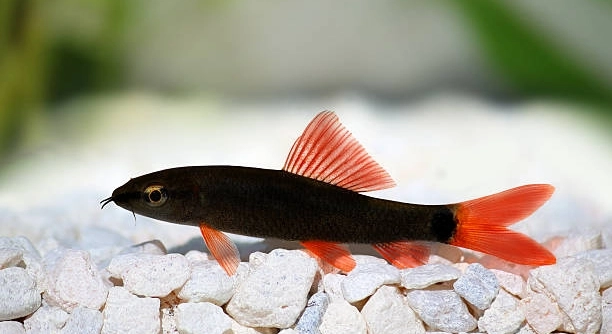
Rainbow sharks are popular freshwater fish known for their bright colors and peaceful nature. They need enough space and stimulation to stay healthy and active in home aquariums. Without proper activity, they may show signs of stress or boredom.
Rainbow sharks require regular physical activity to maintain good health and prevent behavioral issues. Lack of movement can lead to lethargy, loss of appetite, and increased susceptibility to disease, highlighting the importance of a stimulating environment and proper tank setup.
Recognizing the signs of inactivity can help improve your fish’s well-being. This article will guide you through common indicators that your rainbow shark needs more activity.
Lack of Movement and Lethargy
When a rainbow shark is not getting enough activity, it often becomes very still and spends most of its time hiding or resting at the bottom of the tank. These fish are naturally active swimmers, so a lack of movement is a clear sign that something is wrong. They may also lose their curiosity and stop exploring their environment. This lethargy can affect their overall health, weakening their immune system and making them more vulnerable to illnesses. Often, a crowded or poorly arranged tank limits their space to swim freely. It’s important to create an environment with enough room and hiding spots to encourage natural behavior. Adding decorations like rocks or plants can stimulate their interest and encourage them to move around more, helping them stay healthy and vibrant.
Lethargic behavior is one of the first visible signs your rainbow shark may need more activity.
Providing enough space and environmental enrichment can prevent boredom and improve your fish’s energy levels.
Loss of Appetite
A rainbow shark that isn’t active may also show a decrease in appetite. These fish rely on regular movement to stimulate their metabolism and keep their hunger strong. When they become inactive, they tend to eat less or sometimes stop eating altogether. This can lead to weight loss and poor health over time. If your rainbow shark ignores food or takes a long time to respond during feeding, it might mean it’s not getting enough exercise. Regular feeding routines combined with encouraging swimming can help restore their appetite. Also, ensure the food is fresh and suitable for their diet. Without proper nutrition, inactivity can worsen, creating a cycle that’s hard to break.
Sometimes a change in appetite is the result of limited space or lack of stimulation in the tank.
Increasing activity through tank improvements and interaction can help your fish regain interest in food and improve its overall well-being.
Unusual Aggression
Rainbow sharks that lack activity may start showing unusual aggression toward other fish. This behavior often comes from boredom or frustration because they don’t have enough space or stimulation.
When these fish don’t get to swim and explore, their energy can build up in a negative way. They may chase or nip at tank mates more than usual, causing stress in the aquarium. This aggression is not normal for their peaceful nature and usually signals a need for change. Improving the tank layout or increasing their activity helps reduce tension and keeps them calmer.
Addressing the cause of aggression early is important to prevent injuries and maintain harmony. More exercise and a better environment usually lead to improved behavior and less conflict in the tank.
Faded Colors
A rainbow shark’s vibrant colors often fade when it is inactive or stressed. This dullness happens because the fish is not in optimal health or feels uncomfortable in its environment. Color fading is a clear sign that your fish needs more stimulation.
When fish are active and healthy, their colors appear bright and strong. Without enough movement, their metabolism slows down, affecting pigment and overall appearance. A lack of activity combined with poor water conditions or insufficient diet can worsen the problem. Providing a larger tank, adding hiding spots, and encouraging swimming can help bring back their natural colors. It is also important to maintain good water quality and feed them nutritious food to support color restoration.
Taking care of these factors helps your rainbow shark stay vibrant and lively, making your aquarium more beautiful and balanced.
Hiding More Than Usual
Rainbow sharks that need more activity often spend excessive time hiding. This behavior shows they feel stressed or bored.
They may stay under rocks or decorations for long periods, avoiding swimming around the tank.
Slow Response to Stimuli
When rainbow sharks are inactive, their reaction to changes in the environment slows down. They may not respond quickly to feeding time or tank activity.
This sluggish behavior can indicate low energy levels caused by insufficient exercise or stimulation in their habitat.
Poor Fin Condition
Lack of activity can lead to poor fin health in rainbow sharks. Their fins may appear torn, ragged, or dull without enough movement and care.
Tank Too Small
A small tank limits your rainbow shark’s ability to swim freely and get enough exercise. This restriction often leads to inactivity and health problems.
How much space does a rainbow shark need to stay active?
Rainbow sharks need at least a 30-gallon tank to swim comfortably and maintain good activity levels. A larger tank allows more room to explore and reduces stress caused by cramped spaces. Without enough space, their movement is limited, which can lead to lethargy and health problems.
What can I add to the tank to encourage my rainbow shark to be more active?
Adding decorations like rocks, caves, and plants helps create hiding spots and interesting areas to explore. This encourages natural behavior and keeps the fish moving. Also, using driftwood or open swimming zones improves their activity by providing both shelter and space to swim freely.
How often should I feed my rainbow shark to support its activity?
Feed your rainbow shark once or twice a day with high-quality sinking pellets or flakes. Regular feeding stimulates their metabolism and energy. Avoid overfeeding, as leftover food can pollute the tank, making the environment less healthy and less motivating for activity.
Can tank mates affect the activity level of my rainbow shark?
Yes, peaceful and compatible tank mates can encourage more natural swimming behavior and activity. Avoid aggressive or overly shy fish, which may stress your rainbow shark or cause it to hide more. A balanced community helps maintain movement and reduces boredom.
What signs show my rainbow shark is stressed due to inactivity?
Signs include hiding frequently, faded colors, unusual aggression, loss of appetite, and slow responses. These behaviors indicate your fish needs more stimulation, space, or environmental changes to improve its health and activity.
Is lighting important for encouraging activity in rainbow sharks?
Proper lighting simulates a natural day-night cycle, which supports regular activity patterns. Avoid harsh or constant bright light, which can cause stress. A balanced lighting schedule encourages your fish to be active during the day and rest at night.
How can I safely increase my rainbow shark’s activity?
Start by improving the tank setup with more space and decorations. Gently encourage swimming by placing food in different tank areas. Regular tank maintenance and water quality checks also keep your fish healthy and energetic. Avoid sudden changes that might stress the fish.
Does water temperature affect my rainbow shark’s activity?
Yes, water temperature plays a role in metabolism and energy. The ideal range is 72-79°F (22-26°C). Temperatures outside this range can make your fish lethargic or overly stressed, reducing activity. Use a reliable heater and thermometer to keep the water stable.
Can exercise toys or tools help increase my rainbow shark’s activity?
While there are no specific exercise tools for fish, providing a dynamic environment with plants, tunnels, and open spaces simulates natural challenges. These encourage movement and exploration, which helps maintain fitness and reduces boredom.
What should I do if my rainbow shark remains inactive after changes?
If inactivity continues despite adjustments, check water parameters and health closely. Illness or parasites may cause lethargy. Consult an aquatic veterinarian or expert for diagnosis and treatment to ensure your fish recovers fully and stays active.
Rainbow sharks are beautiful and active fish that bring life to any freshwater tank. Keeping them healthy means paying attention to how much they move and swim. When these fish do not get enough activity, it can lead to problems like stress, illness, and poor behavior. Recognizing signs such as hiding too much, fading colors, or aggression is important. These signs show that the fish needs more space, stimulation, or changes in its environment to stay happy and healthy.
Providing a good environment for your rainbow shark is key. This includes a tank that is large enough, with plenty of decorations like plants and rocks to explore. These additions make the tank more interesting and encourage the fish to swim more. Regular feeding with nutritious food also helps keep their energy up. Keeping the water clean and at the right temperature supports their health and activity. All of these factors work together to create a comfortable and stimulating home for your fish.
If your rainbow shark shows signs of low activity, it is important to act quickly. Making changes like increasing tank size, adding hiding spots, or improving water quality can make a big difference. Sometimes, inactivity may also be a sign of illness, so watching closely and seeking expert advice is helpful. By paying attention to your fish’s needs and making sure it has enough space and stimulation, you can enjoy a lively and colorful rainbow shark for years to come.

Hello,
If you enjoy the content that we create, please consider saying a "Thank You!" by leaving a tip.
Every little bit helps us continue crafting quality advice that supports the health, happiness, and well-being of pets around the world, for pets of all shapes, sizes, and species.
We really appreciate the kindness and support that you show us!