
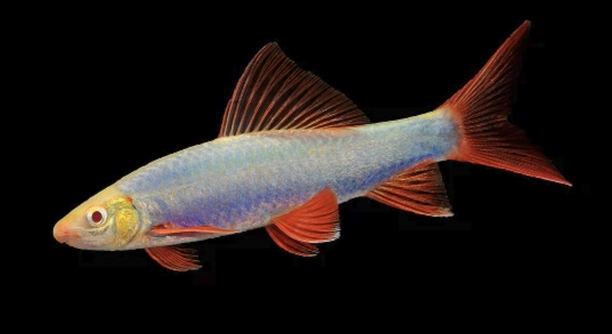
Rainbow sharks are popular aquarium fish known for their vibrant colors and active nature. Many owners want to ensure their rainbow sharks stay lively and healthy in their tanks. Keeping them engaged can improve their well-being and tank environment.
Maintaining the activity level of rainbow sharks involves several factors including providing sufficient swimming space, varied diet, and stimulating tank decorations. Proper water conditions and compatible tank mates also contribute significantly to their overall activity and health.
This article will outline seven straightforward methods to keep your rainbow shark active and thriving in your aquarium.
Provide Ample Swimming Space
Rainbow sharks are active swimmers who need enough room to move freely. A small or overcrowded tank can make them stressed and less active. Ideally, a tank size of at least 30 gallons is recommended for one rainbow shark. This allows enough space for swimming and exploring. When the tank is spacious, the fish can exhibit natural behaviors, reducing boredom and aggression.
Make sure the tank is longer than it is tall to accommodate their swimming style. Adding hiding spots along the sides rather than the center keeps their swimming area open. Proper filtration helps keep the water clean, supporting healthy activity levels. Regular water changes maintain good water quality and prevent harmful buildup.
A well-maintained, spacious tank encourages your rainbow shark to stay active and enjoy its environment. Planning the tank layout with their swimming needs in mind is essential for their well-being.
Providing enough room supports natural behavior and reduces stress in rainbow sharks.
Vary Their Diet for Energy
Rainbow sharks need a balanced diet to stay energetic and healthy. Feeding only one type of food can cause boredom or poor nutrition, which affects activity. A mix of pellets, flakes, and occasional live or frozen foods like bloodworms or brine shrimp keeps them interested and nourished. Variety supports muscle development and boosts their immune system.
Incorporate fresh vegetables like zucchini or cucumber slices for fiber and vitamins. Feed small amounts two to three times daily to avoid overfeeding, which can lead to poor water quality and inactivity. Observe how much they eat and adjust portions accordingly. A healthy diet promotes movement and overall vitality.
Changing up the diet ensures your rainbow shark stays alert and active, preventing lethargy caused by nutritional deficiencies or monotony in feeding habits.
Keep Water Quality High
Maintaining clean water is essential for your rainbow shark’s activity and health. Poor water conditions cause stress, leading to sluggish behavior. Regular water testing and changes help keep parameters stable and safe.
Test the water weekly for ammonia, nitrites, nitrates, and pH levels. Use a reliable test kit and adjust accordingly. Perform partial water changes of about 25% every one to two weeks to remove waste and toxins. Clean the substrate and filter regularly, but avoid disturbing beneficial bacteria. Proper filtration also supports oxygen levels, which are important for your fish’s energy and activity.
Consistent water maintenance creates a healthy environment that promotes active behavior and reduces the risk of illness. Taking these simple steps prevents water issues that can quickly tire out your rainbow shark.
Introduce Compatible Tank Mates
Choosing the right tank mates can influence your rainbow shark’s activity. Peaceful fish that share similar water needs encourage natural interaction without causing stress. Aggressive or overly shy species may negatively affect behavior.
Suitable companions include small schooling fish like tetras, danios, and rasboras. Avoid other bottom dwellers competing for territory, as rainbow sharks are territorial by nature. A well-chosen community helps maintain a dynamic environment, encouraging your fish to swim and explore. Monitor interactions regularly and separate fish if aggression occurs to protect all tank inhabitants.
Introducing compatible species enhances stimulation and helps maintain your rainbow shark’s natural activity levels. Selecting peaceful and non-competitive tank mates creates balance within the aquarium, contributing to overall fish welfare.
Add Hiding Spots
Providing hiding spots helps rainbow sharks feel secure, reducing stress and encouraging activity. Use caves, plants, or decorations that offer shelter without blocking swimming space.
Varied hiding places allow the fish to rest safely and retreat when needed. This balance keeps them comfortable and more likely to explore actively.
Maintain Proper Lighting
Consistent lighting supports your rainbow shark’s natural daily rhythms. Use a timer to provide about 8 to 10 hours of light each day. Avoid sudden changes or very bright lights, which can cause stress and hideaway behavior. Proper lighting encourages regular activity patterns and overall well-being.
Monitor Temperature
Keep the water temperature stable between 72°F and 79°F. Sudden fluctuations can cause stress and reduce activity. Use a reliable heater and thermometer to maintain consistent warmth for your rainbow shark’s comfort.
FAQ
How often should I feed my rainbow shark?
Feeding your rainbow shark two to three times a day is ideal. Offer small portions each time to prevent overfeeding and maintain water quality. Observe how much your fish eat within a few minutes and adjust accordingly to avoid leftover food, which can pollute the tank.
What is the best diet for a rainbow shark?
A varied diet keeps your rainbow shark healthy and active. Include high-quality pellets or flakes as the base, supplemented with live or frozen foods like bloodworms or brine shrimp. Fresh vegetables such as zucchini or cucumber slices can also be offered occasionally to provide fiber and vitamins.
Can rainbow sharks live with other fish?
Yes, but compatibility is important. Choose peaceful fish that won’t compete aggressively for territory or food. Small schooling fish like tetras, danios, or rasboras work well. Avoid other bottom dwellers that may provoke territorial disputes, as rainbow sharks tend to guard their space.
What size tank is suitable for a rainbow shark?
At least 30 gallons is recommended for a single rainbow shark. They need enough swimming space to stay active and healthy. Larger tanks are better, especially if you plan to keep multiple fish or other species alongside them.
How important is water quality for rainbow sharks?
Water quality is crucial. Poor water conditions cause stress, leading to inactivity and illness. Regular testing and partial water changes keep ammonia, nitrites, and nitrates at safe levels. Clean filters and substrate also help maintain a healthy environment.
What temperature should I keep the tank at?
Maintain water temperature between 72°F and 79°F. Sudden changes can stress your fish and reduce activity. Use a reliable heater and thermometer to monitor and stabilize the temperature consistently.
Why is my rainbow shark hiding all the time?
Hiding often can indicate stress, poor water quality, or aggressive tank mates. It’s normal for them to use hiding spots sometimes, but excessive hiding may suggest environmental problems. Check water parameters and tank conditions to ensure everything is suitable.
How can I encourage my rainbow shark to be more active?
Provide enough swimming space, a varied diet, hiding spots, and compatible tank mates. Maintain proper lighting and water quality. Enrich the environment with decorations that allow exploration without overcrowding.
Are rainbow sharks aggressive?
They can be territorial, especially with other bottom-dwelling fish. While usually peaceful toward mid and top-level swimmers, they may show aggression if their territory is threatened. Proper tank size and compatible mates help reduce this behavior.
What should I do if my rainbow shark becomes lethargic?
Check water quality immediately. Poor water conditions are often the cause of lethargy. Review feeding habits and tank temperature as well. If problems persist, consult a veterinarian or fish specialist to rule out illness.
Keeping your rainbow shark active requires consistent care and attention. Providing enough space in the tank is one of the most important steps. A tank that is too small or overcrowded can cause stress and limit swimming, which makes the fish less lively. Along with a spacious tank, maintaining good water quality is essential. Clean water with stable temperature and proper filtration helps keep the fish healthy and energetic. Regular water testing and partial changes prevent harmful buildup that can tire out your rainbow shark.
Feeding a balanced and varied diet also plays a big role in your fish’s activity levels. Offering a combination of pellets, flakes, live or frozen foods, and occasional vegetables keeps your rainbow shark interested in its meals and nourished. Overfeeding or feeding the same food repeatedly can reduce energy and cause health problems. It is helpful to feed small portions two to three times a day while watching how much your fish actually eats. This supports their overall vitality and encourages natural movement.
Finally, adding hiding spots and choosing compatible tank mates help create a comfortable and stimulating environment. Rainbow sharks need places to retreat and feel safe, which reduces stress and encourages exploration. Peaceful companions that share similar water needs keep the tank dynamic without causing fights or fear. Proper lighting and stable water temperature also support natural behaviors and daily rhythms. With these factors in place, your rainbow shark can stay active, healthy, and a lively part of your aquarium for a long time.

Hello,
If you enjoy the content that we create, please consider saying a "Thank You!" by leaving a tip.
Every little bit helps us continue crafting quality advice that supports the health, happiness, and well-being of pets around the world, for pets of all shapes, sizes, and species.
We really appreciate the kindness and support that you show us!