
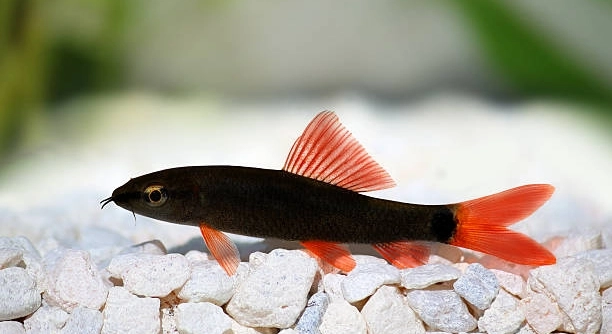
Is your rainbow shark spending too much time hiding in one corner of the tank or swimming the same route all day long?
Rainbow sharks can become bored if their environment lacks stimulation. Adding hiding spots, tank mates, plants, and interactive décor can help mimic their natural habitat and keep them mentally engaged.
These seven tips will help you create a more dynamic environment that keeps your rainbow shark active, curious, and content.
Add More Hiding Spots and Structures
Rainbow sharks like having their own territory. If the tank is too bare, they might swim in repetitive patterns or become aggressive. Adding caves, rocks, driftwood, or other decorations can help break up space and create different zones. These zones give your rainbow shark areas to explore and hide. It also helps reduce stress, especially if your tank has other fish. Use materials that are aquarium-safe and place them thoughtfully to avoid overcrowding. Consider changing their layout every few weeks to keep the tank feeling new. This simple change can make a big difference in your fish’s daily routine.
A small rearrangement of the tank can give your rainbow shark a reason to investigate and explore again.
Once your rainbow shark has more hiding spaces, you’ll likely see changes in their behavior. They may become more confident and active, swimming through tunnels or peeking out from behind rocks. It’s important to balance open space with covered areas so your fish can swim freely while still feeling secure. Avoid stacking decorations too high or placing sharp edges near swimming paths. Soft lighting and natural-looking materials tend to be more appealing. When done right, these additions provide both physical stimulation and visual variety—helping reduce boredom while keeping their environment balanced and calm.
Introduce Compatible Tank Mates
Rainbow sharks can live with certain fish as long as they aren’t too small or aggressive.
If your tank is large enough—typically over 55 gallons—you can try adding compatible species like barbs, rainbowfish, or danios. These fish are fast swimmers and usually stay out of the shark’s way. Avoid bottom dwellers or slow-moving fish that might get chased. Introducing new tank mates gives your rainbow shark other fish to watch or swim near, which can help reduce boredom. Keep an eye on behavior during the first few days. If there’s too much aggression, it’s better to separate them. Choose species with similar care needs to keep your tank stable. With the right balance, your tank will be livelier, and your rainbow shark will have more to do.
Rearrange the Tank Layout Regularly
Changing the tank layout every few weeks can help keep your rainbow shark mentally active. Shifting decorations, plants, and hiding spots creates new paths to explore and breaks up their usual swimming routine.
Try moving rocks to new corners, swapping the placement of driftwood, or rotating a cave to face a different direction. These small changes make the tank feel different without stressing the fish. Rainbow sharks notice even minor shifts in their environment, which encourages them to explore more. Avoid moving everything at once—gradual changes work best. You can also rotate certain decorations in and out of the tank every few weeks to keep things fresh. Just make sure new arrangements still provide shelter and open space. A varied environment keeps them curious and can reduce repetitive or aggressive behavior caused by boredom.
Rearranging the tank also helps you spot any hidden buildup of waste or uneaten food behind decorations. This keeps the tank cleaner and the water healthier. A clean, changing environment supports both mental stimulation and physical health. Watch your shark’s response to each rearrangement—if they hide more or seem stressed, scale back the changes. But if they swim actively and explore, it’s a good sign that the setup is working.
Use Floating Toys or Safe Decorations
Floating toys can give your rainbow shark something new to interact with without changing the tank’s layout too much. Choose items made specifically for aquariums to avoid harmful materials.
Try soft, floating rings or gentle plastic plants that drift near the surface. These create movement and give your shark something to investigate or swim through. Place them where your fish usually swims to catch its attention. Avoid anything with sharp edges or strong colors that could cause stress. You can also use natural items like Indian almond leaves, which float at first and slowly sink. These create different textures and change over time, giving your shark something new to notice. The goal is to introduce safe, non-disruptive items that make the space feel more active without overwhelming your fish. Rotate or replace them often to keep their interest.
Vary the Lighting Schedule
Changing the lighting schedule occasionally can help create a more natural rhythm in the tank. A mix of bright and dim periods gives your rainbow shark a better sense of time and can improve overall activity.
Try using a timer to simulate sunrise and sunset effects. Gradual changes in light levels help your fish adjust more calmly and reduce sudden movements caused by sharp transitions.
Offer Live or Frozen Food Occasionally
Feeding your rainbow shark a varied diet adds both physical and mental stimulation. Live or frozen options like bloodworms, brine shrimp, or daphnia encourage hunting behaviors and break the routine of regular flakes or pellets. Use these as occasional treats to avoid overfeeding and to support a balanced diet. Watching your shark chase or search for food can be an enriching experience that keeps them alert and interested. Alternate between food types and presentation—some can be dropped near hiding spots or placed in different areas of the tank. A little variety in feeding goes a long way toward keeping your rainbow shark engaged and healthy.
Play With Reflections or Moving Shadows
Placing a mirror near the tank for a few minutes can trigger exploratory or territorial behavior. Moving a hand or object near the glass can also create soft shadows your shark may choose to follow.
FAQ
How do I know if my rainbow shark is bored?
A bored rainbow shark may swim in repetitive patterns, stay hidden for long periods, or become unusually aggressive toward other fish. You might also notice them ignoring new food or losing interest in their surroundings. If your shark isn’t showing curiosity or varies little in its daily activity, it’s often a sign of boredom. A healthy, engaged rainbow shark will explore its tank, investigate changes, and respond to new stimuli like lighting or food.
Can boredom lead to aggression in rainbow sharks?
Yes, rainbow sharks can become aggressive if they’re under-stimulated or stressed. Without enough environmental variety or stimulation, they may lash out at tank mates or chase them constantly. A lack of mental activity can cause frustration, and that often shows through increased territorial behavior. Giving them enough space, structures, and occasional changes helps reduce this risk. Adding visual barriers and mixing up their surroundings can calm them down and make their behavior more balanced.
Is it okay to use a mirror every day for stimulation?
No, using a mirror daily isn’t recommended. While occasional use—just a few minutes at a time—can provide temporary stimulation, frequent exposure may cause stress. Your shark might think its reflection is another fish and become overly defensive. Instead, use mirrors once or twice a week and watch your fish’s reaction. If it appears agitated or aggressive for a long time afterward, reduce or stop mirror use completely.
What kind of toys are safe for rainbow sharks?
Only use decorations and toys made for aquariums. These are typically made of non-toxic plastic or resin and won’t affect water quality. Floating hoops, soft plastic plants, or gentle current makers are good options. Avoid anything with sharp edges or bright flashing lights. Anything you add should be easy to remove and clean. Rotate items every few weeks to keep things interesting without causing confusion or stress.
Can changing the lighting really make a difference?
Yes, changes in lighting can help your rainbow shark feel more in tune with a natural cycle. A consistent pattern of light and dark helps establish rhythm. Gradually dimming lights in the morning and evening reduces stress and promotes healthier behavior. You don’t need anything fancy—a basic timer can help automate changes and mimic sunrise and sunset. Avoid sudden brightness or darkness, which can startle your fish.
Do rainbow sharks need tank mates to stay active?
Not always. Rainbow sharks can be territorial and may not tolerate certain fish, especially if space is limited. However, in larger tanks with enough hiding spots and clear territories, tank mates like fast-moving barbs or danios can stimulate your shark through movement and interaction. These indirect forms of engagement can keep your fish more alert without direct contact. Always monitor behavior when introducing new fish.
How often should I change the tank layout?
You can rearrange parts of the tank every two to three weeks. This keeps the environment interesting without overwhelming your shark. Move decorations, rotate plants, or change the position of caves and tunnels. Avoid complete overhauls—just shift a few items at a time. Watch how your shark responds. If they seem more active or explore the new layout, it’s a sign the changes were helpful. If they act stressed or hide more, reduce how often you rearrange things.
Is live food necessary, or can I just use pellets?
Live food isn’t necessary, but it can be helpful. Pellets and flakes are fine for daily feeding, but adding live or frozen options once or twice a week gives your rainbow shark mental stimulation and encourages natural hunting behavior. It also provides nutritional variety. Choose food like brine shrimp or bloodworms, and make sure they’re safe and clean. Overfeeding with live food can cause waste buildup, so be moderate with treats.
What size tank helps reduce boredom the most?
A tank that’s at least 55 gallons is ideal for one rainbow shark. The extra space allows for more hiding spots, structures, and swimming room. It also helps if you want to add compatible tank mates. Smaller tanks can cause stress, boredom, and aggression. A larger tank gives you more options to decorate and rotate features without crowding the space. This makes it easier to maintain a stimulating and comfortable environment for your rainbow shark.
Final Thoughts
Keeping a rainbow shark active and engaged isn’t complicated, but it does require a bit of attention and planning. These fish are naturally curious and enjoy having things to explore. A plain, unchanging tank can quickly become boring, which may affect their behavior and overall health. By making small, thoughtful changes to their environment, you can help them stay mentally stimulated. This includes rearranging decorations, offering live or frozen food occasionally, using soft lighting changes, and even introducing safe floating items. Each of these adjustments plays a role in creating a more dynamic and balanced space.
It’s also important to consider the size of the tank and how it’s set up. A rainbow shark needs enough room to swim freely and areas where it can hide or claim space. When their needs are met, they tend to show more natural behavior and interact more with their surroundings. If you decide to add tank mates, make sure they’re compatible and won’t create stress. Watch your shark’s behavior closely during any changes. Some may respond quickly with more activity, while others might need more time. What matters most is creating a calm, enriched space where your fish feels secure and challenged in healthy ways.
These small efforts help prevent boredom and support long-term well-being. Rainbow sharks are hardy, but they still benefit from variety, both in their surroundings and in their routines. Simple changes—like shifting a rock, adjusting the light schedule, or trying a new type of food—can make a big difference. Keep things steady but flexible. A little creativity goes a long way in keeping your fish mentally active. Over time, you’ll notice how even small updates can refresh their behavior and encourage more natural activity. A well-designed tank isn’t just about looks—it’s about making sure your rainbow shark has everything it needs to stay healthy, alert, and content.

Hello,
If you enjoy the content that we create, please consider saying a "Thank You!" by leaving a tip.
Every little bit helps us continue crafting quality advice that supports the health, happiness, and well-being of pets around the world, for pets of all shapes, sizes, and species.
We really appreciate the kindness and support that you show us!