
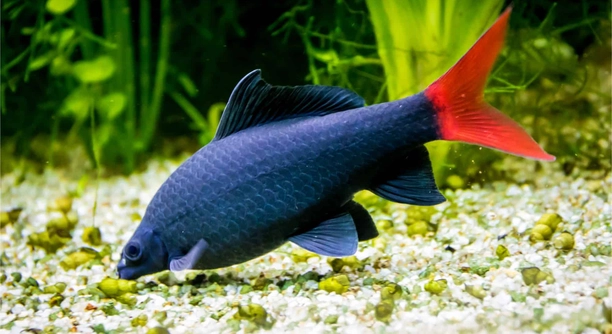
Rainbow sharks are popular aquarium fish known for their striking colors and active behavior. Many people enjoy watching them swim and explore their tanks. Keeping these fish healthy requires some attention and care.
To keep a rainbow shark healthy, it is essential to maintain clean water, provide a proper diet, offer adequate tank space, ensure stable water temperature, include hiding spots, monitor tank mates, and perform regular health checks. These practices support their well-being and longevity.
Understanding these basic care steps will help you create a safe and comfortable environment for your rainbow shark to thrive.
Maintain Clean Water
Keeping the water clean is the most important step for a healthy rainbow shark. These fish are sensitive to poor water quality, which can cause stress and illness. Regular water changes help remove harmful toxins like ammonia and nitrites that build up over time. It’s best to change about 20-30% of the tank water every week. Using a good filtration system also helps keep the water clear and safe. Testing the water regularly for pH, ammonia, nitrites, and nitrates is essential to catch problems early. Aim to keep the pH level between 6.5 and 7.5, as rainbow sharks prefer slightly acidic to neutral water. When cleaning, avoid using harsh chemicals or soaps, as these can harm your fish. Instead, use tank-safe cleaning tools and make sure any new water added matches the tank temperature to avoid shock.
Regular maintenance of the tank environment supports your rainbow shark’s health and keeps the water safe for longer periods.
A clean and stable water environment helps rainbow sharks remain active and reduces the risk of disease. It allows their natural behaviors to come through, like swimming and exploring. Without clean water, they can develop infections or skin problems, which are harder to treat. Keeping the water fresh also supports beneficial bacteria that break down fish waste. This balance helps create a natural habitat, even inside a tank. By investing time in water care, you help your fish live a longer, healthier life. It’s a small effort that makes a big difference in their well-being.
Provide a Proper Diet
Rainbow sharks need a balanced diet to stay healthy and energetic. Feeding them high-quality sinking pellets designed for bottom feeders is a good start. Supplement their meals with live or frozen foods like bloodworms, brine shrimp, and daphnia to add variety and essential nutrients. Avoid overfeeding by giving small amounts once or twice a day, as excess food can pollute the tank. Offering fresh vegetables occasionally, such as blanched spinach or zucchini, can also improve their diet. A diverse menu supports their immune system and bright colors. Proper feeding habits prevent obesity and promote natural activity levels, which are important for their health. Pay attention to their appetite and adjust feeding amounts as needed. If your rainbow shark stops eating or seems lethargic, it may be a sign of health issues that require attention.
A balanced diet is key to maintaining your rainbow shark’s vibrant colors and overall vitality.
By understanding their dietary needs, you ensure your fish receives all necessary nutrients for growth and energy. Rainbow sharks are omnivores, so a mix of plant and animal-based foods works best. Fresh, varied food keeps them interested and encourages natural foraging behavior. Overfeeding or feeding poor-quality food can lead to digestive problems or water quality issues. Monitoring their eating habits can help you spot early signs of illness or stress. Maintaining a proper diet also reduces the chance of aggression, as hungry fish tend to be more territorial. Ensuring your rainbow shark’s nutritional needs are met is one of the most effective ways to support its health over time.
Provide Adequate Tank Space
Rainbow sharks need enough room to swim comfortably. A tank of at least 30 gallons is recommended for one adult. Crowded conditions can cause stress and aggression, which harm their health. Giving them space helps keep them active and less territorial.
A spacious tank allows your rainbow shark to explore and exercise naturally. These fish enjoy swimming along the bottom and mid-levels of the aquarium. Without enough space, they may become stressed and show signs of illness like faded color or sluggishness. Proper tank size also reduces conflicts with other fish. Larger tanks help maintain stable water quality because waste is diluted, making it easier to manage the environment. Adding plants and decorations gives hiding spots, but space for swimming should be the priority.
Tank size plays a vital role in your fish’s comfort and behavior. Ensuring enough swimming room supports their natural instincts and prevents health problems linked to stress and poor water conditions.
Ensure Stable Water Temperature
Rainbow sharks thrive in water temperatures between 74°F and 80°F. Sudden changes in temperature can stress them and weaken their immune system. Keeping the temperature stable is crucial for their health.
Using a reliable aquarium heater with a thermostat helps maintain consistent warmth. Monitor the temperature regularly to avoid fluctuations, especially during seasonal changes or power outages. Avoid placing the tank near windows or vents where temperature can vary. Stable temperatures support normal metabolism and activity levels, preventing illnesses caused by stress. If the water gets too cold, your fish may become lethargic or stop eating. Too warm, and oxygen levels decrease, creating a dangerous environment. A steady temperature helps your rainbow shark stay healthy and active for longer.
Include Hiding Spots
Rainbow sharks appreciate having places to hide. Adding caves, plants, or decorations helps them feel safe and reduces stress. Hiding spots also give them a break from more aggressive tank mates.
These areas mimic their natural environment and allow the fish to rest when needed. Without hiding places, rainbow sharks can become anxious and less active, which affects their health over time.
Monitor Tank Mates
Choose tank mates carefully to avoid conflicts. Rainbow sharks can be territorial, especially with similar-shaped fish. Peaceful community fish work best.
Keep an eye on interactions, and separate aggressive fish promptly to maintain a calm environment for your rainbow shark.
Perform Regular Health Checks
Check your rainbow shark regularly for signs of illness, such as discoloration, unusual behavior, or damage to fins. Early detection is key to effective treatment.
Routine observation helps catch problems before they worsen, ensuring your fish stays healthy longer.
Keep the Tank Clean
Maintaining a clean tank prevents disease and keeps water quality high. Regularly remove uneaten food and debris.
How often should I change the water in my rainbow shark’s tank?
Changing about 20-30% of the tank water every week is ideal for maintaining good water quality. This helps remove toxins like ammonia and nitrites that build up over time. Smaller, more frequent changes are better than large, infrequent ones, as they reduce stress on your fish. Always use dechlorinated water at the same temperature as the tank to avoid shocking your rainbow shark.
What should I feed my rainbow shark?
A varied diet works best. High-quality sinking pellets designed for bottom feeders should be the main food. Supplement with live or frozen options such as bloodworms, brine shrimp, and daphnia for extra nutrients. Occasionally, you can offer blanched vegetables like zucchini or spinach. Avoid overfeeding; feed small amounts once or twice daily and remove any uneaten food to keep the tank clean.
How big should the tank be for a rainbow shark?
A minimum of 30 gallons is recommended for one adult rainbow shark. They need plenty of space to swim and explore. A larger tank is better if you plan to keep multiple fish or tank mates. Crowding causes stress, aggression, and poor water quality, all of which can harm your fish.
Can rainbow sharks live with other fish?
Yes, but choose tank mates carefully. Avoid other bottom dwellers or fish that look similar, as rainbow sharks can be territorial. Peaceful, mid- to top-dwelling species usually work best. Always watch for signs of aggression and be ready to separate fish if needed to keep the environment calm and safe.
What water temperature is best for rainbow sharks?
Rainbow sharks thrive in temperatures between 74°F and 80°F. Use a reliable heater with a thermostat to maintain this range consistently. Avoid sudden temperature changes by placing the tank away from windows, vents, or direct sunlight. Stable temperatures support healthy metabolism and reduce stress.
Why is my rainbow shark hiding all the time?
Hiding is natural behavior, especially if they feel stressed or threatened. Make sure your tank has enough hiding spots like caves and plants. If hiding increases suddenly, check water quality and tank mates for possible problems. Illness or poor water conditions can also cause hiding.
How do I know if my rainbow shark is sick?
Signs of illness include faded colors, clamped fins, erratic swimming, loss of appetite, or visible spots or lesions on the body. Regular observation helps catch these symptoms early. Prompt treatment increases the chance of recovery.
How often should I clean the tank?
Remove uneaten food and debris daily to prevent water pollution. Perform partial water changes weekly and clean filter media monthly, but avoid washing beneficial bacteria with harsh chemicals. Keeping the tank clean supports your fish’s health and reduces disease risk.
Can rainbow sharks live alone?
Yes, they can live alone and often do well this way. They may become aggressive toward other fish, especially similar species. A single rainbow shark in a well-maintained tank often shows more natural behavior and stays healthier.
What is the best way to introduce new fish to the tank?
Quarantine new fish for at least two weeks before adding them to the main tank to prevent disease spread. When introducing new fish, rearrange decorations to reduce territorial behavior and add fish slowly. Monitor all fish closely for stress or aggression after introduction.
How long do rainbow sharks typically live?
With proper care, rainbow sharks can live 5 to 8 years in captivity. Their lifespan depends on water quality, diet, and tank conditions. Providing a stable environment and good nutrition helps them live longer, healthier lives.
Are rainbow sharks aggressive?
Rainbow sharks can be territorial, especially in smaller tanks or when housed with similar species. They may chase or nip at other fish. Providing enough space and hiding places reduces aggression. Choosing peaceful tank mates also helps maintain harmony.
What type of filter is best for a rainbow shark tank?
A filter that provides both mechanical and biological filtration is ideal. Rainbow sharks produce waste that needs efficient breakdown by beneficial bacteria. A canister or hang-on-back filter with adequate flow but gentle current works well. Avoid strong currents that stress your fish.
Can rainbow sharks jump out of the tank?
Yes, they can jump if startled or stressed. Make sure the tank has a secure lid to prevent escapes. Keeping the environment calm and stable helps reduce this behavior.
Is it necessary to add plants to the tank?
Plants are beneficial because they provide hiding spots and help improve water quality by absorbing nitrates. Live plants also create a more natural environment that supports your rainbow shark’s well-being. If live plants aren’t possible, use artificial ones to offer shelter.
This FAQ covers many common concerns about caring for rainbow sharks. Following these tips will support your fish’s health and happiness in the aquarium.
Taking good care of a rainbow shark means paying attention to several important things. Keeping the water clean and stable is the foundation of their health. Regular water changes and proper filtration help keep harmful substances away. It is also important to monitor water temperature and make sure it stays within the right range. When the environment is steady and clean, rainbow sharks can live longer and feel more comfortable in their tanks.
Feeding a balanced diet is another key to a healthy rainbow shark. Offering a mix of sinking pellets, live or frozen foods, and some vegetables provides the nutrients they need. Avoiding overfeeding helps keep the water clean and prevents health problems. Giving your fish enough space to swim and places to hide reduces stress and keeps their behavior natural. A well-set-up tank with enough room and hiding spots makes a big difference in how happy and active your rainbow shark will be.
Finally, watching your fish closely helps catch problems early. Regularly checking for signs of illness or stress allows you to act quickly and prevent more serious issues. Choosing peaceful tank mates and avoiding overcrowding helps maintain a calm environment. Taking time to care for these details shows respect for your fish’s needs. When you provide good water quality, proper food, and a suitable home, your rainbow shark will thrive and bring enjoyment for many years. Consistent care is the best way to keep your rainbow shark healthy and happy.

Hello,
If you enjoy the content that we create, please consider saying a "Thank You!" by leaving a tip.
Every little bit helps us continue crafting quality advice that supports the health, happiness, and well-being of pets around the world, for pets of all shapes, sizes, and species.
We really appreciate the kindness and support that you show us!