
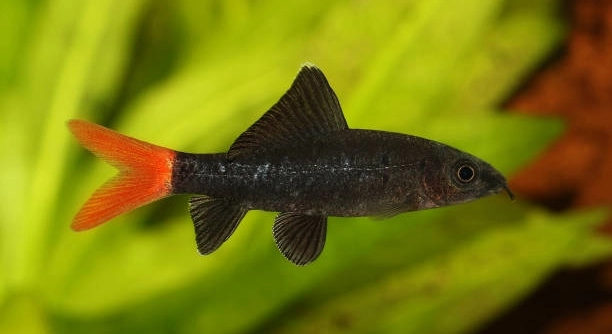
Are your rainbow sharks acting more aggressive than usual, making it hard to keep the peace in your aquarium? Aggression in fish can be stressful and confusing, especially when you’re trying to maintain a calm tank environment.
The most effective way to handle aggressive rainbow shark behavior is by adjusting tank conditions, such as space, hiding spots, and tank mates. Creating a less competitive environment helps reduce territorial disputes and improves overall fish behavior.
From tank size tips to choosing the right companions, these seven methods can make your aquarium a safer and more balanced place.
Give Your Rainbow Shark More Space
Rainbow sharks can become aggressive when they feel crowded. These fish are naturally territorial, and if they don’t have enough room, they will chase or nip at others. A small tank can cause stress and encourage aggressive behavior. If your shark is showing signs of aggression, the first thing to check is the tank size. A 55-gallon tank or larger is ideal for a single rainbow shark. This allows enough room for swimming and creating individual territories. Keep the layout open but include decor to break up lines of sight. The more space your fish has, the less likely it is to feel threatened by others in the tank.
Larger tanks reduce stress and create natural boundaries between your rainbow shark and other fish. It’s one of the easiest changes you can make to prevent unnecessary aggression.
When I moved my rainbow shark from a 29-gallon to a 55-gallon tank, the change in behavior was immediate. It stopped chasing the other fish and spent more time exploring. I also noticed it became more active during the day and started interacting with the tank environment in a calm way. Tank size really does matter with this species. Giving them room to breathe can make all the difference.
Choose Tank Mates Carefully
Avoid housing your rainbow shark with slow-moving or long-finned fish. They often become targets.
Rainbow sharks don’t do well with every species. It’s important to choose fish that are quick, confident, and able to hold their own. Fast-moving mid-level swimmers like barbs, danios, and rainbowfish tend to be good options. Avoid fish that live near the bottom, as rainbow sharks often claim that space for themselves. Having another bottom dweller can lead to fights over territory. Also, avoid fish that are known for being shy or too peaceful—they may get chased or bullied. If you want to include more than one rainbow shark, it’s best to have a very large tank and introduce them at the same time. Otherwise, one will usually dominate the other. Always monitor your tank when adding new fish. Even with compatible species, some chasing can happen at first. Keep an eye on behavior and be ready to make changes if needed.
Rearrange the Tank Layout
A new tank layout can confuse your rainbow shark just enough to reset its behavior. Breaking up territories helps reduce aggression and makes it harder for the shark to dominate one area of the tank.
Try adding tall plants, rocks, or driftwood to break line of sight. These decorations act as visual barriers and give other fish places to hide or rest. Avoid placing all items in one area—spread them out to create separate zones. When I rearranged my tank, I noticed my rainbow shark became less territorial. It stopped patrolling one spot and began moving around more freely. This change also helped my other fish relax. A fresh layout can feel like a new tank to your fish, helping everyone settle into a better rhythm.
Changing the tank’s structure every so often also keeps the shark from getting too attached to one spot. Territorial behavior often grows stronger when the layout stays the same for too long. Making these changes every few months helps prevent long-term aggression. You don’t need to buy new decor—just shift things around. Even moving a few rocks or plants can make a big difference. Keep in mind that too much change too often can be stressful, so don’t overdo it.
Keep Only One Rainbow Shark
Rainbow sharks are not good at sharing space with their own kind. Housing more than one often leads to nonstop chasing or injuries, even in larger tanks.
These fish are solitary by nature and tend to see others of their species as competition. I once tried keeping two rainbow sharks in a 75-gallon tank, thinking the space would help. It didn’t. One of them quickly became dominant and bullied the other into hiding. The stress took a toll on both fish. After separating them, their behavior improved. If you’re set on having more than one, it requires an exceptionally large tank with plenty of hiding spots and broken lines of sight. But even then, it’s a risky setup. For most people, keeping a single rainbow shark is the best option. It creates a calmer tank and reduces the chance of aggression toward other fish as well.
Feed at the Right Time
Feeding your rainbow shark at consistent times can reduce aggressive behavior. When fish know when to expect food, they’re less likely to compete aggressively or chase others during feeding time.
I feed mine early in the evening, when the tank is calm. It helps keep behavior more balanced.
Maintain Water Quality
Poor water quality can lead to stress, and stress often shows up as aggression in rainbow sharks. Clean water supports calm behavior. Make sure to perform regular water changes and check ammonia, nitrite, and nitrate levels weekly. I try to keep nitrates under 20 ppm. A good filter helps, but it’s not enough on its own. Uneaten food, waste, and overstocking can all cause water issues. When my shark started acting out, I realized the water quality had dropped. After a deep clean and better maintenance, things improved. Keeping the water stable and clean doesn’t just help your rainbow shark—it also benefits the whole tank.
Avoid Reflective Surfaces
Rainbow sharks can get worked up if they see their reflection. They often mistake it for another fish and may become territorial or defensive. Covering reflective areas or adjusting the lighting can help calm things down.
FAQ
Can rainbow sharks kill other fish?
Rainbow sharks don’t usually kill other fish, but they can cause a lot of stress through constant chasing and nipping. If the other fish is smaller or weaker, it might get injured or stop eating. Over time, this stress can be harmful or even fatal. I once had a guppy that stopped swimming and hid all day after being chased too much by my rainbow shark. After removing the shark, the guppy recovered. It’s not that rainbow sharks are out to kill—but their behavior can cause serious harm if not managed properly.
What size tank is best for a rainbow shark?
The best tank size for one adult rainbow shark is at least 55 gallons. This gives them enough room to swim freely without feeling cramped or territorial. A larger tank also helps reduce conflict with other fish by giving everyone more space. I started with a 29-gallon tank, and it just wasn’t enough—my shark constantly chased the others. When I upgraded to a 55-gallon tank, things changed quickly. The shark calmed down, and the other fish seemed more relaxed. A bigger tank is one of the simplest ways to reduce aggression.
Do rainbow sharks get along with other bottom-dwelling fish?
In most cases, no. Rainbow sharks are very territorial about the bottom of the tank. They often chase or fight with other bottom-dwellers like plecos, loaches, and catfish. Even if the tank is large, these conflicts can still happen. I once added a small bristlenose pleco, and my shark wouldn’t leave it alone. The pleco had to be moved to another tank. It’s usually best to avoid bottom dwellers if you want to keep things peaceful. If you must add one, make sure the tank is very large and full of hiding spots.
Why is my rainbow shark hiding all the time?
A rainbow shark may hide a lot if it’s feeling stressed, scared, or bullied. This often happens when there are stronger, more aggressive fish in the tank. It can also happen if the tank is too bright or lacks proper cover. I had mine in a tank with bright lighting and not many plants. Once I added more caves and dimmed the lighting, the shark came out more often. Hiding is a sign that something in the tank setup might need adjusting. Look at the environment and the tank mates to figure out what’s causing it.
How can I tell if my rainbow shark is stressed?
Signs of stress in rainbow sharks include hiding, erratic swimming, loss of color, lack of appetite, and aggression. Sometimes they also breathe heavily or rub against objects. I saw my shark swimming up and down the glass non-stop—it turned out the water quality had dropped. Once I cleaned the tank and stabilized the levels, the behavior stopped. Stress in fish can be caused by many things: poor water, overcrowding, incompatible tank mates, or sudden changes. It’s important to catch these signs early so you can fix the issue before it becomes serious.
Is it ever okay to have two rainbow sharks together?
Keeping two rainbow sharks together is very risky and not recommended for most setups. Even in large tanks, they tend to fight. If you want to try it, you’ll need a tank that’s over 100 gallons, filled with plenty of hiding spaces, and both fish should be introduced at the same time. I tried adding a second shark once in a 75-gallon tank, and it ended badly. One became dominant and harassed the other constantly. It’s much safer to keep just one rainbow shark unless you have the experience and the right tank setup to handle two.
Final Thoughts
Rainbow sharks are beautiful and active fish, but they can be difficult to manage if their behavior becomes too aggressive. Many owners don’t expect such a small fish to cause problems in a tank, but this species is naturally territorial. They like to claim space and often don’t like sharing it. This behavior can be confusing, especially if you’re new to keeping freshwater fish. The good news is that aggression can usually be reduced with the right setup and care. A few small changes to the tank can help your rainbow shark feel more secure and less defensive.
Tank size, hiding spaces, and compatible tank mates all play a big part in keeping your rainbow shark calm. Larger tanks allow fish to spread out, while caves and plants give them places to retreat. It’s also important to avoid housing rainbow sharks with fish that are slow, peaceful, or that live near the bottom. These are usually the ones most likely to get chased. Regular water maintenance is another key step. Poor water conditions can lead to stress, which often makes aggressive behavior worse. Simple things like consistent feeding, adjusting lighting, and rearranging tank decorations every now and then can also help keep your fish more balanced.
Each rainbow shark is different, and some will always be more aggressive than others, even in a good setup. Watching their behavior closely and knowing the early signs of stress or conflict can make a big difference. Sometimes, despite your best efforts, one fish may still not do well with others. If that happens, it’s okay to keep your rainbow shark in a tank alone or with very carefully chosen tank mates. What matters most is that your fish stays healthy and feels safe. With the right care, rainbow sharks can live long, active lives and bring a lot of movement and color to your aquarium. It may take a little patience and trial-and-error, but keeping your tank peaceful is possible.

Hello,
If you enjoy the content that we create, please consider saying a "Thank You!" by leaving a tip.
Every little bit helps us continue crafting quality advice that supports the health, happiness, and well-being of pets around the world, for pets of all shapes, sizes, and species.
We really appreciate the kindness and support that you show us!