
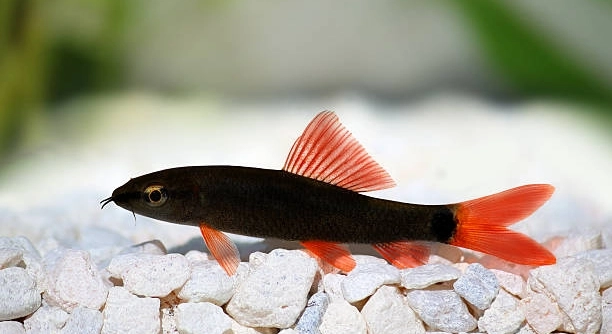
Is your rainbow shark darting around the tank more than usual, leaving you worried or confused about its behavior?
An overactive rainbow shark is often reacting to environmental stress, poor tank conditions, or lack of stimulation. Identifying and addressing these factors is key to improving the fish’s behavior and overall well-being.
From tank size to compatible tank mates, we’ll go through the practical steps that can help restore balance in your rainbow shark’s environment.
Check the Tank Size and Setup
Rainbow sharks need space to swim and explore. If the tank is too small, they may become restless and overactive. A minimum of 55 gallons is recommended for a single adult rainbow shark. This gives them enough room to establish territory and feel secure. Decorations like caves, driftwood, and plants help create hiding spots and reduce visual stress. Avoid sharp or rough objects that could injure them during fast swimming. A long, rectangular tank is better than a tall one, as it gives more horizontal swimming space. Make sure the tank has a secure lid—these fish can jump if startled. The layout should also allow them to feel in control of their surroundings. A well-decorated, spacious tank helps limit aggressive and nervous behaviors. Before making other changes, always review the setup first. It’s often the main reason your fish may not be acting normally.
A cramped or poorly decorated tank can make rainbow sharks feel trapped, leading to constant movement and chasing behavior.
Try to rearrange the tank setup, add hiding spots, and ensure the tank size meets the basic space needs of a rainbow shark. These changes can often lead to calmer, healthier behavior.
Limit Aggressive Tank Mates
Tank mates can greatly affect how your rainbow shark behaves. These fish are territorial, especially with similar-looking or bottom-dwelling species.
Incompatible tank mates often lead to stress and overactivity. If your rainbow shark is constantly swimming fast, chasing, or displaying aggressive postures, it may be reacting to the presence of fish it sees as threats or competition. Good tank mates include fast-moving mid-level swimmers that don’t resemble sharks—like barbs, danios, or rasboras. Avoid slow, passive fish or other territorial bottom dwellers such as red tail sharks, catfish, or loaches. If necessary, remove problem fish or rehome your shark to a more suitable environment. Adding visual barriers like tall plants or decorations can also reduce aggressive encounters. Watch for signs like fin nipping or frequent hiding, which may suggest bullying. The goal is to create a peaceful community where your rainbow shark doesn’t feel the need to dominate the tank constantly. This step is essential for reducing long-term stress and unwanted behavior.
Adjust Lighting and Tank Placement
Bright lighting or constant exposure to activity outside the tank can keep your rainbow shark in a heightened state. Too much stimulation makes it hard for the fish to feel safe or rest.
Keep the tank in a low-traffic area of your home where there’s less movement and noise. Avoid placing it near TVs, loud speakers, or doors that open frequently. You can also add a background to the tank to reduce outside distractions. Use moderate lighting with a consistent day-night cycle—around 8 to 10 hours of light per day. Sudden changes in light can startle the fish and cause erratic swimming. A timer can help keep lighting consistent. At night, keep the room quiet and dark to give your rainbow shark time to relax. These adjustments create a more calming environment, helping reduce overactive behavior caused by overstimulation and stress from constant outside movement or light.
If the lighting is too strong, consider switching to a dimmer bulb or using floating plants to soften it. Darker, quieter surroundings encourage more natural behavior and rest.
Maintain Good Water Quality
Poor water conditions can stress your rainbow shark, making it more reactive and jittery. Frequent testing and consistent water changes are key to keeping the tank stable.
Test your water weekly for ammonia, nitrite, nitrate, and pH levels. Rainbow sharks prefer a pH between 6.5 and 7.5, with stable readings and low nitrates. Perform partial water changes—about 25%—every week to remove waste and replenish minerals. Always dechlorinate tap water before adding it to the tank. A reliable filter is essential, but make sure the flow isn’t too strong, as that can also increase stress. Clean the substrate and remove leftover food or debris regularly. A dirty tank not only affects health but also changes your shark’s behavior. If your fish is zipping around or seems unusually alert, it could be reacting to toxins in the water. Clean, well-balanced water helps the fish stay calm and feel secure in its environment.
Keep a Consistent Feeding Routine
Feeding your rainbow shark at different times each day can lead to restlessness. They may swim around constantly, looking for food.
A set schedule helps your fish feel secure. Feed them once or twice a day at the same time. Consistency lowers anxiety and helps manage their energy levels.
Reduce Reflections on the Glass
Reflections can confuse your rainbow shark. They might think another fish is in their space and react by pacing or acting aggressive.
Use a background on the back and sides of the tank to reduce glare. Adjust the room’s lighting or tank angle to cut down on reflections.
Check for Illness or Injury
If your rainbow shark is overactive and nothing in the environment has changed, health issues may be the cause. Rapid movement, flashing, or rubbing against objects can signal irritation or discomfort. Look for signs like damaged fins, pale coloring, or labored breathing. Parasites, skin infections, or internal stress can all lead to this kind of behavior. Test your water first, then monitor your fish closely for a few days. If symptoms persist, consider speaking to a vet or fish expert for proper diagnosis. Treating early can prevent the condition from getting worse and may restore calm behavior quickly.
Add Stimulation if Needed
Boredom can make your rainbow shark more active than usual. Adding new plants, tunnels, or objects to explore can help.
FAQ
Why is my rainbow shark chasing other fish all the time?
Chasing is often a sign of territorial behavior. Rainbow sharks can become aggressive if the tank is too small or if they feel threatened by similar-looking fish. They don’t usually do well with other bottom dwellers or fish that have a similar body shape. This chasing isn’t always true aggression, but it can stress other fish out. The best way to reduce it is to give your shark enough space, add hiding spots, and avoid keeping it with incompatible tank mates.
Can an overactive rainbow shark calm down over time?
Yes, many rainbow sharks settle down once their environment is stable and their needs are met. Stress from tank conditions, lighting, or poor water quality can make them more active than usual. Once these triggers are removed, they often become calmer. Some individuals are naturally more active, but a peaceful tank setup usually helps them relax. Be patient—changes may take a few days to show results.
Is it normal for rainbow sharks to swim up and down the glass?
This behavior, known as glass surfing, is usually a sign of stress or boredom. It may happen if the tank is too small, the water quality is off, or there are reflections causing confusion. Sometimes, it also means the shark is under-stimulated. Check the tank setup, improve water quality, and block any reflections on the glass. Adding more plants or decorations may also help reduce this behavior.
How can I tell if my rainbow shark is stressed?
Signs of stress in rainbow sharks include constant darting, loss of color, fast breathing, hiding all the time, or acting aggressively. They may also stop eating or behave differently than usual. A stressed fish may pace the glass or lash out at tank mates. It’s important to watch for changes in behavior and check water parameters. Stress can weaken the immune system, so finding the cause early is important.
Do rainbow sharks need other fish in the tank?
Rainbow sharks don’t need other fish to stay healthy or happy. In fact, they often do best when they are the only bottom dweller. While they can live in community tanks, it’s important to choose tank mates wisely. Peaceful, fast-swimming mid-level fish are usually fine. Avoid other sharks, catfish, or fish with long fins that may trigger aggression.
How often should I clean the tank to keep my shark calm?
A clean tank helps reduce stress and supports your rainbow shark’s health. Do a partial water change of about 25% once a week. Vacuum the substrate and remove any uneaten food or debris. Test the water regularly to keep levels stable. A good filter also helps keep the water clean, but it should not create too much current.
Will adding more decorations really make a difference?
Yes, adding plants, caves, or rocks can help your rainbow shark feel more secure. These objects provide hiding spaces and help break up the tank visually. That reduces the sense of competition and makes the fish feel like it has its own space. When a rainbow shark feels safe, it’s more likely to calm down and act naturally.
Can diet affect my rainbow shark’s behavior?
Yes, poor nutrition can lead to hyperactivity or aggression. Make sure your shark is getting a balanced diet of high-quality sinking pellets, supplemented with occasional vegetables and protein sources like bloodworms or brine shrimp. Don’t overfeed, as that can cause health problems. A well-fed fish with proper nutrients will act more balanced and calm.
Final Thoughts
An overactive rainbow shark can be frustrating to watch, especially when you’re not sure what’s causing the behavior. But in most cases, it’s something that can be fixed with a few changes to their environment. These fish are sensitive to space, lighting, water quality, and even who they share their tank with. Making small adjustments, like increasing the tank size or improving the layout with plants and hiding spots, can have a big impact on their behavior. It may take a few days or even weeks to notice a difference, but with consistency and attention, their activity often becomes more manageable.
Staying on top of things like water quality, feeding routines, and lighting can also go a long way in helping your rainbow shark feel calm and secure. They do best in stable conditions where there are few sudden changes. If they start acting more active again, it’s usually a sign that something in their tank needs to be checked. Watching for patterns in their behavior and responding quickly can help prevent long-term stress. Even simple steps—like adjusting the lighting or blocking glass reflections—can make your fish feel more at ease.
While rainbow sharks are known for being territorial and bold, they can still live peaceful lives with the right care. It’s all about creating a balanced setup that suits their natural instincts. Every fish is different, so what works for one may not work for another. Be patient and observe how your fish reacts to changes. Keeping their space clean, quiet, and consistent will help reduce overactivity and improve their overall health. In time, you’ll likely notice your rainbow shark moving more calmly through the tank, exploring without pacing or chasing, and showing signs of comfort in its home.

Hello,
If you enjoy the content that we create, please consider saying a "Thank You!" by leaving a tip.
Every little bit helps us continue crafting quality advice that supports the health, happiness, and well-being of pets around the world, for pets of all shapes, sizes, and species.
We really appreciate the kindness and support that you show us!