
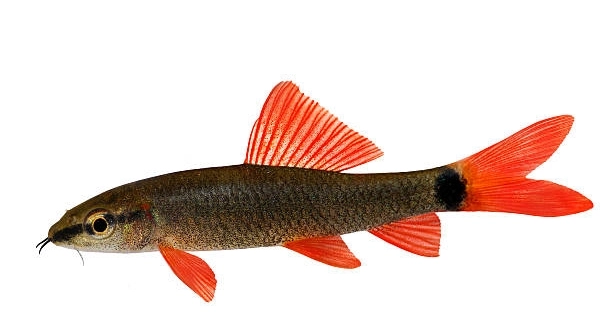
Rainbow sharks are popular aquarium fish known for their vibrant colors and active behavior. Setting up their tank properly is essential for their health and well-being. Many owners seek ways to create a comfortable and stimulating environment for these lively fish.
Improving a rainbow shark’s tank setup involves careful attention to water quality, tank size, hiding spots, and proper lighting. Providing a balanced diet, maintaining consistent temperature, and ensuring regular cleaning are also key factors to support their health and activity.
Small changes in the tank environment can make a big difference in your rainbow shark’s happiness and longevity. Following these tips will help you create a better home for your fish.
Choose the Right Tank Size
Rainbow sharks need enough space to swim and explore. A tank that is too small can stress them and cause aggressive behavior. At least 30 gallons is recommended for one rainbow shark. Bigger tanks are better when keeping multiple fish. Proper tank size helps maintain water quality, making it easier to manage waste and chemicals.
Smaller tanks can lead to poor oxygen levels and buildup of toxins, which harms the fish’s health. With more space, rainbow sharks show more natural activity and less stress. Choosing the right tank size also reduces fighting between fish, as they can claim their own territory.
Investing in a larger tank from the start can save you problems later. It supports the fish’s growth and gives you flexibility to add other species. Remember, a healthy environment begins with enough room for your rainbow shark to thrive.
Maintain Clean Water and Proper Filtration
Clean water is vital for rainbow sharks to stay healthy. Regular water changes and good filtration keep ammonia and nitrite levels low. The filter should be strong enough to handle the tank size and provide good water circulation.
Filtration removes waste and helps keep the water clear. Without proper filtration, harmful substances build up quickly, risking the fish’s health. A quality filter also provides oxygen to the water, which rainbow sharks need to breathe comfortably.
Routine water tests will help monitor conditions and guide maintenance. Changing 20-25% of the water weekly supports stability. Avoid overfeeding to reduce excess waste. By keeping water clean, you create a safer and more comfortable home for your rainbow shark, which in turn encourages its natural behavior and colors to shine.
Provide Plenty of Hiding Spots
Rainbow sharks are territorial and need places to hide. Rocks, caves, and plants create secure spots. This reduces stress and aggression.
Hiding spots help rainbow sharks feel safe. Without enough cover, they may become stressed or aggressive toward tank mates. Natural decorations like driftwood or ceramic caves are good options. Live or artificial plants add cover and create a more natural environment. When arranging hiding places, leave enough open swimming space too. This balance helps the fish explore without feeling threatened.
Creating a varied environment with multiple hiding spots allows each fish to claim territory. This lowers conflicts and supports peaceful cohabitation. It also gives rainbow sharks a chance to rest and retreat when they need calm. This setup encourages healthier behavior and reduces stress-induced illnesses.
Monitor Tank Temperature Consistently
Rainbow sharks thrive in water temperatures between 74°F and 80°F. Keeping the temperature steady prevents stress and illness.
Using a reliable heater with a thermostat helps maintain a stable environment. Sudden temperature changes can weaken their immune system, making them prone to disease. Regularly check the water temperature with a thermometer to ensure it stays within the ideal range. Avoid placing the tank near windows or vents that cause fluctuations.
Consistency is key. A stable temperature promotes active swimming and proper metabolism. It also supports healthy coloration. Proper temperature control helps your rainbow shark live a longer, happier life.
Use Appropriate Substrate
Sand or fine gravel is best for rainbow sharks. It protects their sensitive barbels from damage and allows natural digging behavior.
Avoid sharp or coarse substrates, which can cause injury or stress. A smooth substrate also makes cleaning easier and keeps the tank environment healthy.
Provide Balanced Nutrition
Feeding a varied diet supports rainbow sharks’ health. Include sinking pellets, live or frozen foods like bloodworms, and occasional vegetables. Proper nutrition helps maintain their vibrant colors and energy levels.
Avoid overfeeding, which leads to water quality issues. Feeding small amounts twice a day works well to meet their dietary needs without excess waste.
Ensure Proper Lighting
Moderate lighting replicates the rainbow shark’s natural habitat. Bright lights can cause stress, while too little light affects their activity.
Using a timer to regulate light cycles supports natural behavior. Around 8-10 hours of light daily is sufficient. Proper lighting also enhances the fish’s colors without overwhelming them.
FAQ
How often should I clean my rainbow shark’s tank?
Cleaning frequency depends on tank size and stocking levels. Generally, perform a partial water change of 20-25% every week to keep water parameters stable. Regularly remove uneaten food and debris from the substrate to prevent buildup. Thorough cleaning of the filter should be done monthly but avoid replacing all filter media at once to preserve beneficial bacteria.
Can rainbow sharks live with other fish?
Rainbow sharks can be territorial, especially in smaller tanks. They may show aggression toward similar-shaped or bottom-dwelling fish. Peaceful tank mates like fast-moving tetras or barbs work better. Avoid slow or shy fish, as rainbow sharks can bully them. Providing plenty of hiding spots and a large tank reduces conflicts.
What signs indicate my rainbow shark is stressed?
Stress signs include hiding excessively, loss of color, reduced appetite, and erratic swimming. Clamped fins or rubbing against objects can also indicate irritation. Stress often results from poor water quality, inadequate tank size, or incompatible tank mates. Regular monitoring and maintaining stable conditions help prevent stress.
What do rainbow sharks eat?
They are omnivores that prefer sinking pellets designed for bottom feeders. Supplement their diet with live or frozen foods like bloodworms, brine shrimp, and occasional vegetables such as zucchini or peas. Variety ensures balanced nutrition and supports their vibrant color and activity.
How big do rainbow sharks get?
Rainbow sharks typically grow up to 6 inches long in captivity. Tank size influences their growth; cramped conditions can stunt development. Providing enough space and good nutrition supports healthy growth.
Is it necessary to use a heater in the tank?
Yes, rainbow sharks need stable temperatures between 74°F and 80°F. A reliable heater with a thermostat helps maintain this range. Avoid sudden temperature changes, as they can weaken the fish’s immune system.
Can rainbow sharks survive in community tanks?
They can, if the tank is large enough and tank mates are chosen carefully. Avoid small or slow-moving fish that may be bullied. Plenty of hiding spaces and stable water conditions reduce aggression.
How often should I feed my rainbow shark?
Feeding twice a day in small amounts is best. Overfeeding can pollute the water and cause health problems. Observe their appetite and adjust portions to prevent leftover food.
What type of filter is recommended?
A filter that can handle at least double the tank volume per hour is ideal. It should provide mechanical, chemical, and biological filtration. Sponge or canister filters work well for maintaining water quality and oxygen levels.
How can I encourage natural behavior in my rainbow shark?
Provide plenty of hiding spots and a spacious tank. Using sand or fine gravel substrate lets them dig naturally. Consistent lighting and a varied diet also help promote activity and healthy behavior.
Final Thoughts
Setting up a tank for a rainbow shark requires attention to several important factors. Choosing the right tank size is essential to give the fish enough space to swim and establish territory. A minimum of 30 gallons is recommended, but larger tanks provide a better environment and reduce aggression. Proper filtration and regular water changes help maintain clean water, which is crucial for the health of your fish. Consistent temperature control between 74°F and 80°F also supports their well-being and activity.
Providing plenty of hiding spots with rocks, caves, and plants creates a comfortable space for rainbow sharks. These fish are territorial and need areas to retreat and feel safe. Using a smooth substrate like sand or fine gravel protects their sensitive barbels and encourages natural digging behavior. Feeding a balanced diet of sinking pellets, live or frozen foods, and occasional vegetables ensures they get proper nutrition. Avoiding overfeeding helps keep the water quality stable and prevents health issues.
Lighting should be moderate and on a regular schedule to mimic their natural environment without causing stress. Following these simple but important steps will create a better home for your rainbow shark. A well-maintained tank supports their vibrant colors, natural behavior, and overall health. Taking time to improve your tank setup can lead to a longer, happier life for your fish and a more enjoyable experience for you as an owner.

Hello,
If you enjoy the content that we create, please consider saying a "Thank You!" by leaving a tip.
Every little bit helps us continue crafting quality advice that supports the health, happiness, and well-being of pets around the world, for pets of all shapes, sizes, and species.
We really appreciate the kindness and support that you show us!